
Finding the ideal bar counter with cabinet storage in a modern Filipino style involves balancing tropical warmth with clean, contemporary lines. To achieve this look, search for pieces that integrate native materials like rattan, bamboo, or local hardwoods into streamlined, functional silhouettes. A well-chosen bar counter not only organizes your glassware and spirits but also serves as a social anchor in your living room, reflecting a sophisticated appreciation for local craftsmanship.
When shopping in the Philippines, you must look beyond surface aesthetics to evaluate how these natural materials handle local humidity, how the cabinets are constructed, and how the unit fits into your home’s physical layout. By focusing on structural joinery, protective finishes, and precise spatial clearances, you can select a durable piece that elevates your entertaining experience.
Defining the Modern Filipino Aesthetic for Bar Counters
The modern Filipino aesthetic, often referred to as tropical modernism, moves away from heavy, overly ornate traditional furniture toward lighter, more breathable designs. In a contemporary living room, this style manifests as a bar counter that pairs minimalist geometric frames with rich, organic textures. For instance, a sleek matte-black metal or light-toned wood frame might feature cabinet doors inlaid with traditional solihiya weave panels, creating a striking visual contrast that feels both fresh and nostalgic.
Products mentioned in this guide
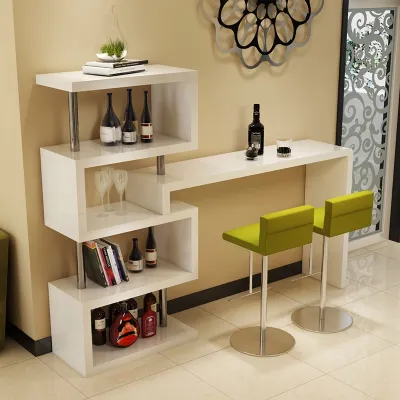
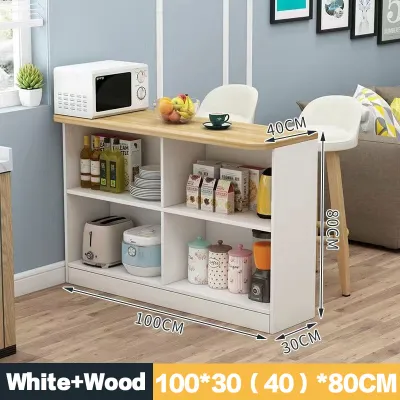
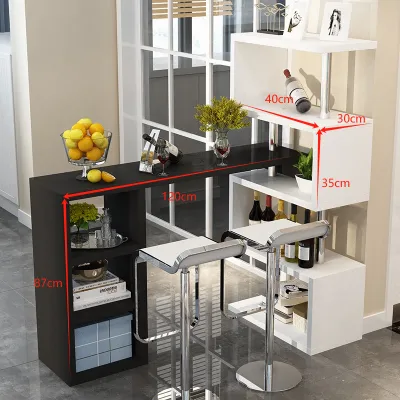
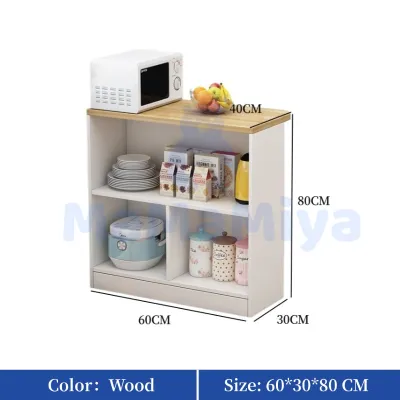
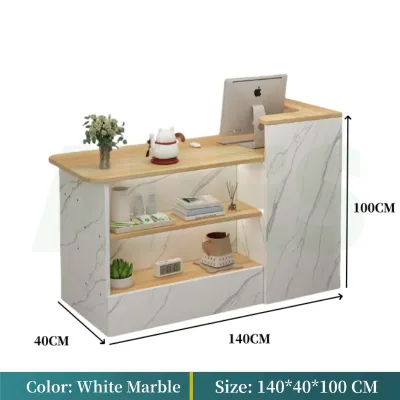
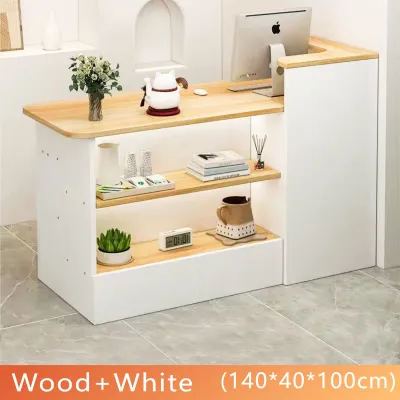
Prices are valid at publication and may change. Please refer to the product page for the latest price.
Color palettes play a crucial role in defining this contemporary look. Instead of uniform dark stains, modern designs often balance deep, warm native wood tones—such as mahogany or acacia—with lighter elements. This can include white stone or solid-surface countertops, light-colored concrete accents, or neutral-toned woven panels. This contrast prevents the bar counter from visually overwhelming the living room, keeping the space feeling airy and bright even in compact urban condominiums.
Another hallmark of this design philosophy is the seamless integration of indoor-outdoor flow. Tropical living encourages a connection with nature, which is reflected in furniture that utilizes breathable materials. Woven cabinet doors allow air circulation, preventing mustiness inside the storage compartments—a practical benefit in warm climates. The overall silhouette of the bar counter should feel grounded yet light, utilizing open bases or tapered legs to maintain a sense of spaciousness across your living area.
Assessing Local Materials: Rattan, Bamboo, and Native Hardwoods
Selecting a bar counter made from local materials requires a close inspection of how the raw resources were harvested, treated, and assembled. Rattan and wicker are highly valued for their flexibility and organic texture, but their durability depends heavily on construction quality. When evaluating a rattan bar counter, inspect the tightness of the weave; loose strands or visible gaps can snag clothing and weaken over time. Check the internal frame support, which should ideally be made of thick, solid rattan poles or sturdy metal rather than lightweight plastics. Keep in mind that natural rattan is sensitive to extreme humidity fluctuations, so it is best suited for air-conditioned or well-ventilated indoor spaces where moisture levels remain relatively stable.

Bamboo offers an exceptionally sustainable alternative with a distinct tropical appeal, but it requires specific manufacturing standards to ensure longevity. Before purchasing, verify with the manufacturer or seller that the bamboo has undergone proper pressure treatment or kiln-drying to prevent boring insects and mold growth. Examine the joint construction methods; high-quality bamboo furniture utilizes sturdy dowels, mortise-and-tenon joints, or heavy-duty wrapping rather than simple nails or glue. For the countertop surface, ensure the bamboo is laminated or reinforced to handle the weight of heavy bottles, ice buckets, and glassware without bowing.
Native hardwoods, such as acacia, tanguile, or mahogany, provide excellent structural strength and a premium feel for a bar counter. However, because a bar counter is subjected to spills, condensation, and frequent cleaning, the surface finish is critical. Check that the hardwood countertop is sealed with a high-quality, water-resistant polyurethane or food-safe lacquer. Inspect the grain finishing for any rough patches or hairline cracks, which can absorb moisture and lead to warping. A well-sealed hardwood surface should allow liquids to bead up, making it easy to wipe away spills during drink preparation without staining the wood.
Space Planning and Clearance for Living Room Layouts
Before committing to a specific bar counter with cabinet storage, precise spatial planning is essential to ensure the piece functions comfortably within your living room. Begin by measuring the footprint of the counter and mapping it out on your floor using painter’s tape. You must allow at least 90 to 100 centimeters of clearance behind the bar counter for the bartender or host to move freely and open cabinet doors or drawers completely. On the guest side, ensure there is a minimum of 60 to 75 centimeters of clearance for bar stools, allowing guests to pull up, sit comfortably, and push back their seats without bumping into walls or other furniture.
Vertical space and lighting alignment are equally important considerations for a cohesive layout. Measure your ceiling height to ensure the bar counter does not visually crowd the room, especially if you plan to install overhead pendant lights or a hanging glass rack. Pendant lights should ideally hang about 75 to 90 centimeters above the countertop surface to provide focused task lighting without obstructing views or causing glare. If your living room features low ceilings, opt for a lower-profile counter-height unit rather than a tall bar-height model to maintain an open, uncluttered sightline.
Finally, do not overlook the logistics of getting the bar counter into your home. Because many high-quality local hardwood or fully assembled rattan bar counters are heavy and non-demountable, you must verify the dimensions of all entry points. Measure the width and height of your front door, hallway corners, stairwells, and elevator cabins. If you live in a high-rise condominium, check the building’s service elevator dimensions and clearance rules. Confirming these measurements beforehand prevents the frustration of a delivery that cannot physically fit into your living space.
Cabinet Storage Configurations for Bar Essentials
The internal layout of your bar counter’s cabinet storage directly impacts how organized and functional your home bar will be. When choosing a configuration, consider the balance between open shelving and closed cabinetry. Open shelves are excellent for displaying curated glassware, decorative decanters, or premium bottles, adding a lively, social energy to the room. However, they require frequent dusting, particularly in tropical environments where dust accumulates quickly. Closed cabinet doors, especially those featuring solid wood or tight solihiya weaving, protect your barware from dust and keep less attractive essentials, like cocktail shakers, cleaning cloths, and backup bottles, hidden from view.
Adjustable shelving is a highly desirable feature for accommodating a diverse collection of spirits and glassware. Wine bottles, highball glasses, and tall liquor bottles all require different vertical clearances. Look for cabinets with pre-drilled peg holes that allow you to reposition shelves as your collection changes. If the unit includes drawers for bar tools, corkscrews, and napkins, test the drawer glides to ensure they operate smoothly under weight. Soft-close hinges and glides are excellent additions that prevent doors from slamming, protecting delicate glassware inside from rattling and chipping.
Always check the manufacturer’s specified weight limits for both the countertop and the internal shelves. A fully stocked bar is surprisingly heavy; a single liter of liquid weighs approximately one kilogram, and when you factor in heavy glass bottles, ice buckets, and solid glassware, the load adds up rapidly. Ensure the cabinet shelves are constructed from thick solid wood or reinforced plywood rather than thin particle board, which can sag under the weight of multiple bottles. If the bar counter features a wine rack, verify that the bottle slots are wide enough to accommodate wider sparkling wine or Burgundy-style bottles.
Pre-Purchase Verification and Customization Checks
Finalizing your purchase of a modern Filipino bar counter requires a systematic review of the product’s specifications and the seller’s terms. Start by verifying the overall weight capacity and structural stability of the unit. A high-quality bar counter should feel solid and grounded, with no wobbling when you apply light pressure to the top. If you are purchasing a taller bar-height unit or have uneven flooring, check if the piece includes adjustable leveling feet or anchoring hardware to secure it safely against a wall, preventing any risk of tipping.
Assembly and installation conditions vary widely depending on where you purchase the furniture. Some local boutique workshops deliver pieces fully assembled, while others provide flat-packed units that require self-assembly. Review the product listing to confirm what hardware is included and whether professional installation is recommended or offered as an add-on service. If you are assembling the unit yourself, ensure you have the necessary tools and that the instruction manual is clear, as poorly aligned joints can compromise the structural integrity of natural wood and rattan.
Lastly, carefully read the manufacturer’s warranty and return policies, particularly regarding natural materials. Because wood, rattan, and bamboo are organic, they naturally expand and contract with environmental changes. A reputable manufacturer should offer a warranty that covers structural defects, joint separation, or premature cracking not caused by misuse. If you are ordering a custom-made piece from a local artisan, clarify the expected lead times, deposit requirements, and communication milestones so you can track the progress of your bespoke bar counter from workshop to living room.
Frequently Asked Questions (FAQ)
How do I protect rattan or bamboo cabinets from humidity changes?
To protect natural rattan or bamboo cabinets from tropical humidity, place the bar counter in a well-ventilated indoor area away from direct sunlight, which can dry out and crack the fibers. Maintain a stable indoor environment, ideally using air conditioning or dehumidifiers during the wet season to prevent mold growth. For routine cleaning, dust the woven panels weekly with a soft brush or vacuum attachment, and wipe down the surfaces with a slightly damp microfiber cloth. Avoid using harsh chemical cleaners or soaking the material, and ensure the cabinets are completely dry before restocking them with barware.
Can I use a local hardwood bar counter outdoors on a covered patio?
You should only use a local hardwood bar counter on a covered patio if the manufacturer explicitly rates the piece for outdoor use and has treated it with weather-resistant sealants. Standard indoor varnishes will quickly degrade when exposed to outdoor humidity, temperature shifts, and indirect UV light, leading to warping, fading, and joint failure. If the piece is rated for outdoor use, ensure it remains fully shielded from direct rain and sun, and plan to reapply a protective marine-grade sealant or outdoor wood oil annually to maintain its structural integrity and finish.
What is the standard height for a bar counter with cabinet storage?
Standard bar counters generally come in two primary heights: counter-height, which stands at approximately 90 centimeters tall, and bar-height, which stands at approximately 105 centimeters tall. For a counter-height unit, pair it with stools that have a seat height of 60 to 65 centimeters. For a bar-height unit, select stools with a seat height of 75 to 80 centimeters to ensure comfortable legroom. Additionally, check that the bar counter design includes a recessed toe-kick or a built-in footrest rail to provide ergonomic support while sitting.
Community discussion
Share your experience or ask a question. Comments are reviewed before publication.