
Selecting a high table for living room spaces made from local materials like rattan and bamboo offers an exceptional blend of tropical warmth and modern utility. The best options utilize structural innovations—such as reinforcing natural frames with solid wood cores, powder-coated steel, or pairing woven bases with tempered glass and engineered stone tops. These configurations preserve the organic beauty of traditional Filipino craftsmanship while ensuring the durability and clean lines required for contemporary homes.
As open-plan layouts become standard in modern Philippine condos and houses, high tables serve multiple roles. They function as casual dining spots, visual room dividers, or compact home workspaces. By choosing locally sourced rattan and bamboo, you bring texture and character into your home while investing in sustainable, climate-appropriate furniture.
Why Choose a Rattan or Bamboo High Table for Living Room Spaces
The evolution of modern Filipino style has elevated traditional materials far beyond rustic outdoor patios. Today, local designers and artisans combine rattan (yantok) and bamboo (kawayan) with clean, minimalist silhouettes. This fusion of heritage weaving and modern design creates sophisticated focal pieces that feel both grounded and contemporary.
Products mentioned in this guide
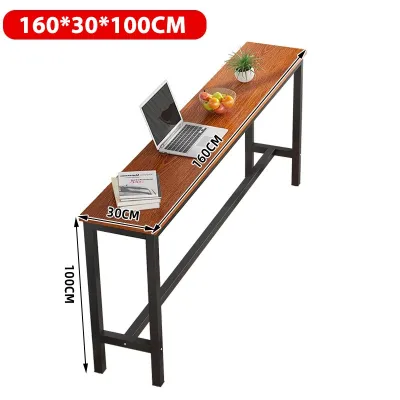
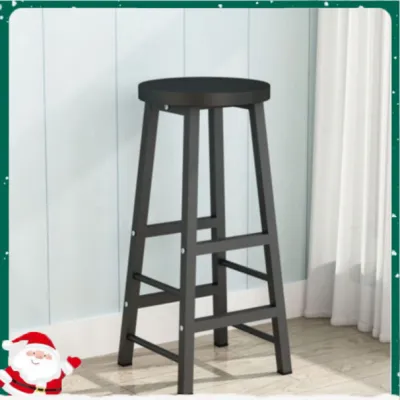
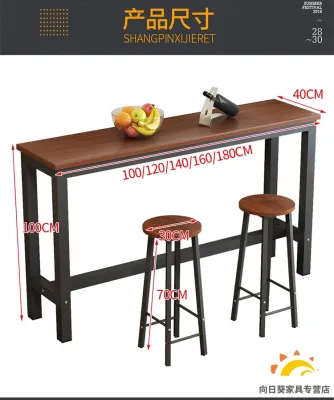
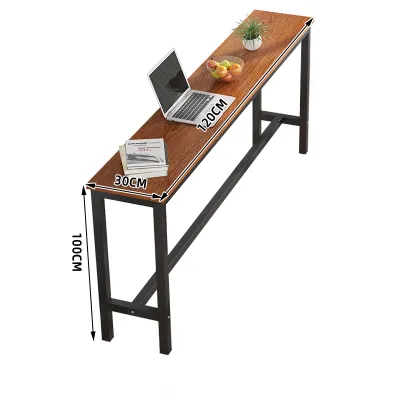
Prices are valid at publication and may change. Please refer to the product page for the latest price.
Sustainability is a major benefit of choosing these local materials. Both rattan and bamboo are incredibly fast-growing, renewable resources. Sourcing your furniture from local makers supports traditional weaving communities across the provinces and significantly reduces the carbon footprint associated with importing synthetic alternatives.
Additionally, natural fibers are uniquely suited to tropical living. Unlike heavy plastics or solid metal, woven rattan and bamboo do not retain ambient heat. They provide a visual lightness that makes small living rooms feel more spacious, while their natural breathability helps maintain a fresh, airy atmosphere in humid climates.
What to Check Before Buying a Natural Material High Table
Dimensions and Space Planning
High tables generally come in two standard heights: counter-height (typically 34 to 36 inches) and bar-height (typically 40 to 42 inches). Before purchasing, measure your living room’s floor footprint and vertical clearance carefully. Ensure there is a clearance of at least 10 to 12 inches between the stool seats and the underside of the tabletop to allow for comfortable legroom.

Because many high-quality rattan and bamboo tables are delivered fully assembled to preserve their structural integrity, you must also measure your doorways, hallways, and condominium lift dimensions. Unlike flat-packed furniture, these solid pieces cannot be easily disassembled to navigate tight corners.
Structural Reinforcements
While raw bamboo and rattan are celebrated for their flexibility, a high table requires absolute stability to prevent wobbling or tipping. High-quality designs feature a hidden structural core, such as an internal metal chassis or solid hardwood supports wrapped inside the primary legs. Before buying, apply gentle downward pressure on the table’s corners and shake it slightly; any noticeable sway indicates weak joinery or insufficient internal bracing.
Surface Treatments
Raw, untreated natural fibers are highly susceptible to moisture absorption, staining, and pest damage. Always verify the manufacturer’s specifications regarding protective coatings. Look for tables finished with multi-layered polyurethane sealants, marine-grade varnishes, or clear acrylic coatings. These treatments seal the porous fibers, protecting the table from drink condensation, accidental spills, and daily wear.
Best Design Configurations for Modern Filipino High Tables
Woven Rattan Base with Tempered Glass or Stone Top
This configuration offers a striking visual contrast between organic texture and sleek, modern surfaces. The intricate, hand-woven patterns of a rattan base—such as the classic solihiya weave—provide rich visual interest, while a smooth top of tempered glass or engineered stone offers a highly functional, easy-to-clean surface.
Using a tempered glass top is particularly beneficial for compact living rooms. The transparent surface allows light to pass through the table, reducing its visual weight and making the room feel less cluttered. Furthermore, the glass shield protects the delicate rattan fibers underneath from direct heat, moisture rings, and food stains.
When inspecting this style, check the edges of the glass top to ensure they are polished, rounded, and securely anchored to the base. Examine the rattan binding at the joints; the wraps should be tight, uniform, and free of loose ends or splitting fibers.
Solid Bamboo Frame with Hardwood or Resin Top
Engineered or thick-pole bamboo provides incredible tensile strength, making it an excellent material for heavy-duty furniture frames. Pairing a sturdy bamboo frame with a solid local hardwood top, such as sustainably sourced Acacia or Mango wood, creates a warm, grounded aesthetic. For a more contemporary touch, a matte resin top offers a non-porous surface that contrasts beautifully with the organic texture of the bamboo legs.
Because bamboo can expand and contract slightly with changes in humidity, the quality of the joinery is critical. Avoid tables held together purely by glue or basic wood screws, which can loosen over time. Instead, look for traditional mortise-and-tenon joints, reinforced wood dowels, or heavy-duty internal bolts that can be tightened if necessary.
This design configuration is ideal for households that prefer a warm, organic modern or Japandi-inspired aesthetic. The thick bamboo poles provide a reassuring sense of weight and durability, making the table suitable for daily dining and working.
Mixed Media: Rattan, Bamboo, and Metal Accents
Combining natural elements with modern metals creates a sophisticated, industrial-Filipino fusion. These designs typically feature a powder-coated steel or iron frame for maximum stability, incorporating woven rattan webbing for a lower storage shelf and bamboo slats for the tabletop.
Using a metal frame allows for much slimmer profiles and geometric shapes that would be difficult to achieve with wood alone. This results in a sleek, contemporary silhouette that fits seamlessly into modern apartments. The metal base also provides excellent weight distribution, eliminating the top-heavy risk often associated with taller tables.
When choosing a mixed-media piece, ensure the metal components are treated with a high-quality, rust-resistant powder coating. In the humid climate of the Philippines, untreated or poorly painted metal will quickly corrode, compromising both the beauty and the structural integrity of the furniture.
Maintaining Rattan and Bamboo in Tropical Climates
Routine Cleaning
Dust and dirt can easily accumulate in the tight crevices of woven rattan and bamboo joints. To prevent build-up, dust your high table weekly using a soft-bristled brush, a dry paintbrush, or a clean microfiber cloth. You can also use a vacuum cleaner equipped with a soft brush attachment on a low suction setting to gently clear out the weaves.
Humidity and Mold Prevention
The high humidity of the Philippine climate, particularly during the rainy season, can encourage mold and mildew growth on natural fibers. Keep your living room well-ventilated by utilizing ceiling fans or maintaining open windows when weather permits. Avoid placing your high table directly against damp walls or in unventilated corners, and consider using a small dehumidifier in the room during high-humidity months.
Sunlight Protection
While natural materials thrive in warm aesthetics, prolonged exposure to direct, harsh sunlight can dry out the natural oils in rattan and bamboo. This leads to color fading, brittleness, and eventual cracking. Position your high table away from unshaded windows, or use sheer curtains to filter the intense afternoon sun.
Spill Management
Liquid spills must be addressed immediately to prevent the natural materials from absorbing moisture and warping. Blot the spill gently with a clean, dry cloth; avoid scrubbing, which can push moisture deeper into the fibers. For sticky residues, wipe the area with a cloth slightly dampened with mild, soapy water, then dry it immediately with a separate towel. Always review the manufacturer’s specific care label before using any commercial cleaning products.
Sourcing and Customizing Authentic Local Furniture
To find high-quality, authentic pieces, look beyond mass-produced imports and explore local artisan hubs. Regions like Pampanga, renowned for its woodcarving heritage, and Cebu, celebrated globally for its innovative rattan designs, are excellent sources for premium local furniture. Visiting local design showrooms, artisan cooperatives, and independent boutiques allows you to inspect the build quality in person.
Commissioning a custom piece from a local carpenter or weaver is another excellent option. This path allows you to specify the exact dimensions, height, and material combinations required for your living room. Custom high tables in the Philippines typically range from ₱15,000 to over ₱50,000, depending on the complexity of the weave, the wood species selected, and the inclusion of metalwork.
When sourcing or commissioning local furniture, always ask the seller about their wood-curing and treatment processes. High-quality rattan and bamboo must be properly kiln-dried and treated with anti-termite (bukbok) solutions before assembly. This essential step ensures your table remains structurally sound and free from pest damage for years to come.
Frequently Asked Questions (FAQ)
Are rattan and bamboo high tables sturdy enough for daily use?
Yes, provided they are constructed with proper structural reinforcements. While raw rattan and bamboo are naturally flexible, high tables designed for daily use incorporate solid hardwood or metal internal frames. Always test the table’s stability by applying slight downward pressure on the edges before purchasing; a well-constructed high table should feel solid with minimal sway.
How do I prevent mold on natural fiber furniture in humid weather?
Keep your living room well-ventilated and avoid placing the table directly against damp walls. Regularly dust the furniture to remove organic matter that mold feeds on. If you notice early signs of mildew, wipe the affected area with a cloth slightly dampened with a mild solution of white vinegar and water, then dry it immediately. Always check the manufacturer’s care instructions first to ensure the solution will not damage the protective finish.
Community discussion
Share your experience or ask a question. Comments are reviewed before publication.