
Integrating a counter-height bar table into a modern living room is an excellent way to maximize space while introducing a sophisticated, casual dining or work area. In contemporary Filipino homes, combining this modern silhouette with indigenous materials—such as rattan, abaca, and native hardwoods—creates a warm, organic aesthetic that balances clean lines with rich textures. To make a successful purchase, you must evaluate your room’s physical dimensions, verify the quality and treatment of local materials, and ensure the table’s ergonomics align with your seating preferences.
By focusing on precise measurements, verifying material finishes, and understanding structural stability, you can find a high bar table that serves as a functional focal point. This guide outlines the essential steps to assess your space, identify authentic local craftsmanship, and build a reliable shortlist of options.
Assessing Your Living Room Space for a Counter-Height Table
Before browsing designs, you must determine exactly where the table will stand and how it will impact the flow of your living room. High bar tables naturally draw the eye upward, which can make a small room feel taller, but they can also crowd a space if the footprint is too large. Start by mapping out the proposed location on your floor using painter’s tape to visualize the physical boundaries of the table and its accompanying stools.
Products mentioned in this guide
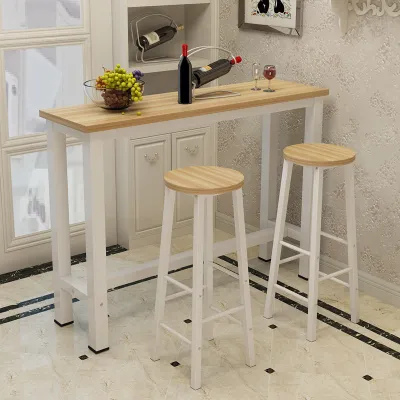
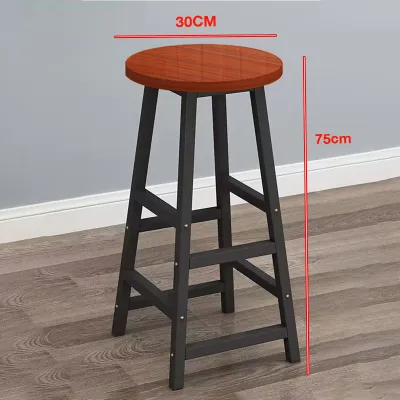
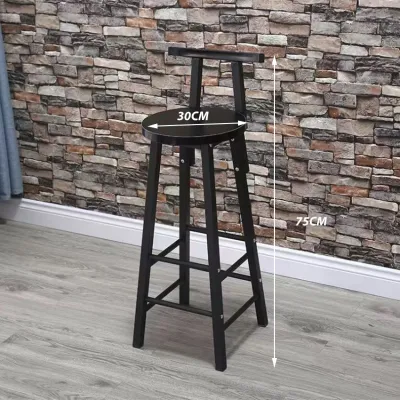
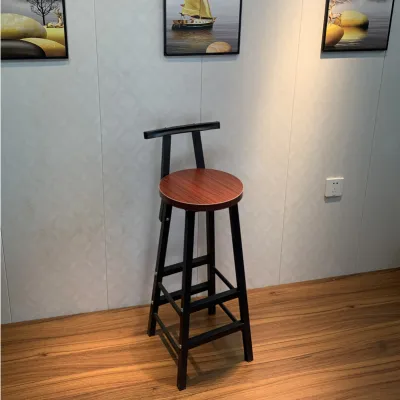
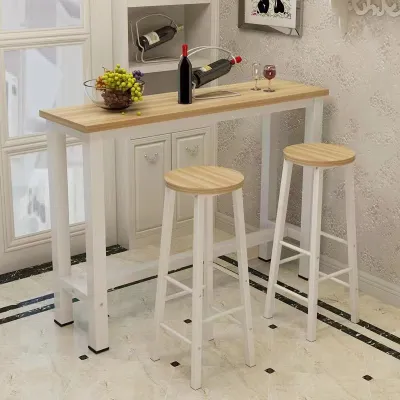
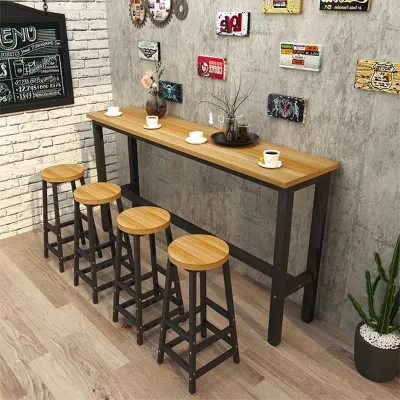
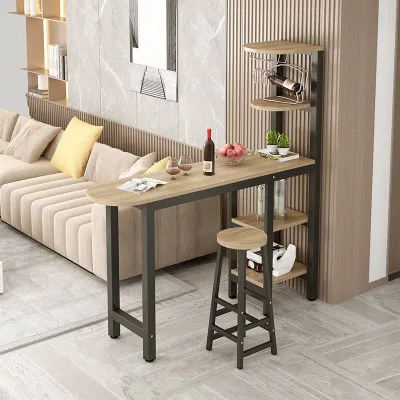
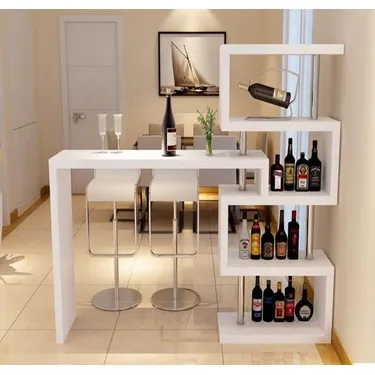
Prices are valid at publication and may change. Please refer to the product page for the latest price.
Ceiling height is another critical factor. While standard residential ceilings in the Philippines easily accommodate counter-height furniture, low-hanging light fixtures or decorative ceiling beams can interfere with the visual balance. Ensure there is at least 120 centimeters of vertical clearance between the tabletop and any hanging pendant lights to prevent a cramped appearance and avoid accidental bumps.
Walkway clearances are vital for maintaining a comfortable daily flow. A high bar table requires at least 90 centimeters of open space around its perimeter so family members can walk past without squeezing. If the table is placed near a main entryway, a balcony door, or a hallway transition, increase this clearance to 120 centimeters to accommodate high-traffic movement.
Do not overlook the logistics of delivery and installation. Many modern high tables feature solid, non-detachable frames or heavy stone and wood tops. Measure your building’s service elevator, narrow stairwell turns, and apartment doorways to guarantee the delivery team can safely transport the piece into your living room.
Finally, consider the visual weight of the table base. A solid, block-like wooden pedestal can make a small living room feel congested, whereas a slender metal frame accented with light rattan weaving allows light to pass through, maintaining an airy and spacious feel.
Identifying Authentic Filipino Materials in Modern Designs
Modern Filipino furniture design is celebrated for its innovative use of traditional, renewable materials. When searching for a high bar table, look for elements of rattan, abaca, bamboo, and sustainably sourced native hardwoods integrated into contemporary metal or glass structures. These materials add organic warmth and unique textures that mass-produced synthetic furniture cannot replicate.

Rattan is highly versatile, often bent into elegant curves for table aprons, shelf backings, or decorative base wraps. Abaca, known for its incredible tensile strength, is frequently woven into intricate patterns to cover table pedestals or lower storage shelves. Bamboo offers a clean, linear aesthetic perfect for minimalist modern designs, while native hardwoods like acacia provide rich, contrasting grain patterns for durable tabletops.
However, a material’s name alone does not guarantee its performance in a specific environment. Because the tropical climate of the Philippines brings high humidity and temperature fluctuations, you must check the manufacturer’s specifications for proper surface treatments. Unsealed natural fibers can absorb moisture, leading to warping, discoloration, or mold over time.
Look for tables that feature protective polyurethane topcoats, moisture-resistant sealants, or kiln-dried wood certifications. These treatments help stabilize the natural materials against humidity changes. Always review the manufacturer’s care instructions to confirm if the table is rated strictly for indoor use, as exposure to direct sunlight near large living room windows can cause natural fibers to fade and dry out.
Examine the joinery and construction details. High-quality modern designs combine traditional weaving techniques with robust mechanical joints. Check that woven panels are tightly secured to the frame without loose ends, and verify that wood-to-metal connections use sturdy bolts rather than simple adhesive.
Crucial Dimensions and Ergonomic Checks
Achieving proper ergonomics is essential for ensuring your high bar table is comfortable for daily use, whether you are eating, working on a laptop, or entertaining guests. The term “counter-high” specifically refers to tables that stand between 34 and 36 inches (86 to 91 centimeters) tall, which is slightly lower than standard bar-height tables.
To pair this table with the correct seating, you must select stools with a seat height of 24 to 26 inches (61 to 66 centimeters). This height difference leaves approximately 10 inches (25 centimeters) of space between the stool seat and the underside of the tabletop, providing comfortable leg clearance for most adults.
Knee room is another crucial dimension that is often overlooked in compact designs. Ensure the tabletop has an overhang of at least 8 to 10 inches (20 to 25 centimeters) from the table base or support structure. Without this overhang, seated guests will be forced to sit sideways or lean forward uncomfortably because their knees will hit the table base.
The design of the table base also affects stability and comfort. High tables have a higher center of gravity than standard dining tables, making structural stability a primary safety concern. Look for models with a wide, weighted base or sturdy, splayed legs that prevent tipping if someone leans heavily on the edge.
A built-in footrest is non-negotiable for counter-height seating. Because your feet will not touch the floor when sitting on a 24-inch stool, a footrest integrated into either the table base or the stool frame is necessary to relieve pressure on the back of your thighs. Lastly, check that the table legs are equipped with adjustable, non-marking floor glides to protect your living room tiles or polished concrete from scratches.
Building Your Shortlist of Modern Filipino Bar Tables
Building a shortlist of potential bar tables requires a systematic approach to sourcing, comparing, and verifying your options. Start by exploring specialized local furniture showrooms, design boutiques, and verified online furniture stores that focus on contemporary Filipino craftsmanship. Many local designers showcase their collections online, allowing you to compare styles from the comfort of your home.
When comparing different models, create a spreadsheet to track key specifications. Note the exact dimensions, the specific local materials used, the assembly requirements, and the manufacturer’s warranty terms. Some high-end local workshops offer customization options, allowing you to adjust the height or wood finish to match your existing living room decor.
Do not rely solely on digital renderings or highly styled product photos. Whenever possible, request physical material samples from the manufacturer to evaluate the color, texture, and finish quality in your home’s natural lighting. If samples are unavailable, ask the seller for detailed, unedited close-up photos or videos of the joints, weave tightness, and tabletop surface.
Inquire about the assembly process before making your final decision. Some high bar tables are delivered fully assembled, which ensures structural integrity but may present delivery challenges. Others arrive flat-packed and require home assembly; in this case, verify that clear instructions and all necessary hardware are included, and check if the seller offers professional assembly services.
Finally, review the seller’s return policies and structural warranties. A reputable furniture maker should offer a clear warranty covering manufacturing defects, joint failures, or premature material degradation. Understanding these terms provides peace of mind and ensures your investment is protected.
Frequently Asked Questions (FAQ)
What is the standard height for a counter-high bar table?
A standard counter-high bar table typically stands between 34 and 36 inches (86 to 91 centimeters) tall. This height is designed to match standard kitchen countertops, creating a seamless visual transition in open-concept living spaces. To maintain proper posture and comfort, pair these tables with stools that have a seat height of 24 to 26 inches (61 to 66 centimeters), allowing ample legroom.
How do I maintain rattan or abaca accents on a bar table?
Maintaining natural woven accents requires regular, gentle care to prevent dust buildup and preserve the fibers. Dust the woven areas weekly using a soft-bristled brush or a vacuum cleaner with a brush attachment to reach into the crevices. For spot cleaning, use a slightly damp microfiber cloth with mild, diluted soap, ensuring you do not saturate the fibers, and dry the area immediately with a clean towel. Avoid harsh chemical cleaners, and if you notice any structural fraying or loose strands, consult a professional furniture restorer to prevent further damage.
Can a high bar table serve as a room divider in a living room?
Yes, a high bar table is an excellent tool for zoning open-plan living areas, such as separating a living room from a kitchenette or dining nook. Because of its elevated profile, it creates a clear visual boundary without blocking natural light or making the space feel closed off. When using a bar table as a divider, ensure it has a highly stable base to prevent tipping in high-traffic areas, and maintain at least 90 centimeters of clear walkway space on both sides for safe movement.
Community discussion
Share your experience or ask a question. Comments are reviewed before publication.