
An outdoor table with hole serves as the functional centerpiece of a modern Philippine patio, offering a stylish gathering spot while providing essential shade from the tropical sun. Finding the right balance between contemporary design and weather-resistant durability is crucial when selecting rattan furniture. To ensure your table survives high humidity, heavy monsoon rains, and intense heat, you must look beyond surface aesthetics and evaluate the core materials, structural stability, and precise dimensions.
Quick Guide to Choosing the Right Outdoor Table
Selecting outdoor furniture for a tropical climate requires a focus on material science and structural engineering. Standard indoor wicker will quickly degrade when exposed to the elements, making material selection your primary decision point.
High-quality synthetic polyethylene (PE) rattan is the industry standard for outdoor durability, offering excellent resistance to moisture and ultraviolet (UV) radiation. Beneath this woven exterior, a rust-proof frame—ideally constructed from powder-coated aluminum—is essential to prevent structural failure in humid environments.
Products mentioned in this guide
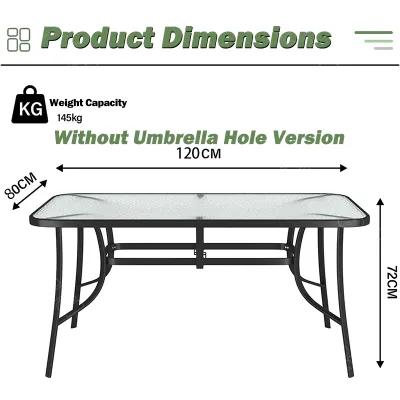
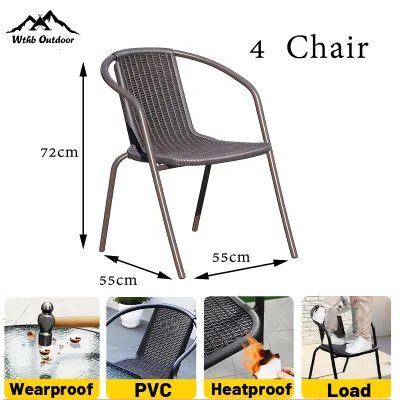

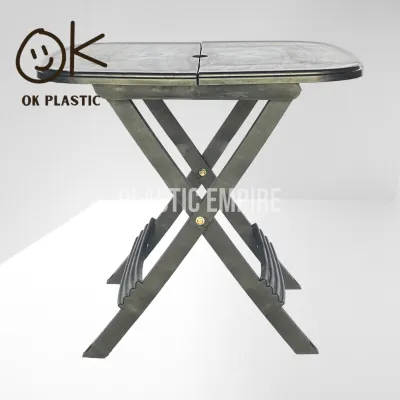
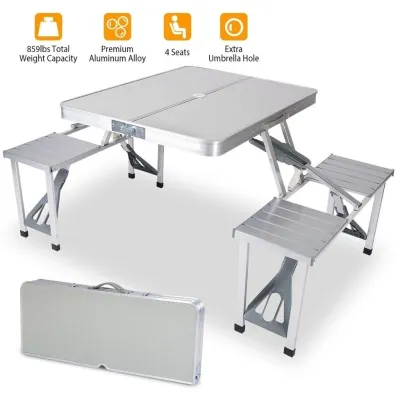
Prices are valid at publication and may change. Please refer to the product page for the latest price.
Additionally, the center umbrella hole must be carefully inspected. It should feature a standard diameter that matches your patio umbrella pole, complete with a protective grommet to prevent friction damage. Finally, ensure the table configuration accommodates a heavy, dedicated base beneath the tabletop to secure the umbrella against sudden wind gusts.
Natural vs. Synthetic Rattan: What Survives the Tropical Climate?
When shopping for rattan furniture in the Philippines, you will encounter both natural and synthetic options. Understanding the physical properties of these materials is key to making a purchase that lasts for years rather than months.

Natural rattan is a highly organic, porous material harvested from climbing palms. While it offers an authentic, rustic charm, it is highly susceptible to environmental damage. In humid tropical regions, natural rattan absorbs moisture from the air, which leads to warping, fiber splitting, and the rapid growth of mold and mildew. It is also vulnerable to wood-boring insects. Consequently, natural rattan tables are only suitable for fully indoor spaces or completely dry, climate-controlled sunrooms.
For open patios, balconies, and gardens, synthetic PE rattan is the only viable choice. Engineered from high-density polyethylene, PE rattan is completely waterproof, non-porous, and infused with UV stabilizers during manufacturing. This prevents the material from fading, cracking, or becoming brittle under intense sunlight. Unlike cheaper polyvinyl chloride (PVC) alternatives, high-grade PE rattan is eco-friendly, recyclable, and does not emit chemical odors when heated by the sun.
To verify material claims on product labels or online furniture descriptions, look for specific terms like “HDPE rattan,” “all-weather wicker,” or “UV-resistant PE resin.” Avoid products labeled generically as “wicker” without specifying the polymer type, as these are often low-durability plastics that degrade within a single dry season.
The durability of your outdoor table with hole also depends heavily on the hidden frame beneath the weave. In coastal areas or regions with high rainfall, moisture and salt air will quickly attack exposed metals. A powder-coated aluminum frame is the gold standard for outdoor furniture because aluminum does not rust and is lightweight enough to move easily. Powder-coated steel is a more economical alternative, but you must inspect the joints and weld points carefully. Any gap or scratch in the powder coating will allow moisture to penetrate, leading to internal rust and eventual structural collapse.
Essential Features of a Functional Umbrella Hole
An outdoor table with hole requires specific design elements to ensure it can safely support a patio umbrella without compromising the table’s structural integrity or aesthetic appeal.
The standard diameter for a patio umbrella hole ranges from 1.5 to 2 inches. Before purchasing a table, measure the outer diameter of your umbrella pole to ensure a compatible fit. The hole should be lined with a flexible rubber or plastic grommet, also known as a reducer ring. This grommet serves two vital functions: it cushions the contact point between the pole and the table surface to prevent scratching, and it dampens vibrations caused by wind, keeping the umbrella stable.
When you choose not to use an umbrella, a gaping hole in the center of your table can look unfinished and collect dirt or rain. Look for modern tables that include a matching, flush-fitting removable cap. This cap should blend seamlessly with the tabletop material—whether it is woven synthetic rattan, tempered glass, or a wood-plastic composite—allowing you to utilize the entire surface area for dining or entertaining.
Stability is the most critical safety factor when pairing a table with an umbrella. A large umbrella canopy acts like a sail, catching wind gusts and transferring significant lateral force to the table. To prevent the table from tipping over, it must have a wide, balanced footprint and sufficient weight.
Never rely on the table alone to hold an umbrella upright. You must always use a heavy, dedicated umbrella base underneath the table. For table-supported setups, a base weighing between 15 and 25 kilograms is typically recommended, depending on the size of the umbrella canopy. Ensure that the table’s lower frame features a secondary alignment ring or shelf. This double-support system—where the pole passes through both the tabletop and a lower guide ring—provides vastly superior stability compared to tables that support the pole only at the top surface.
Recommended Modern Design Styles for Your Patio
Modern rattan outdoor tables are available in various shapes and configurations designed to complement contemporary Philippine homes, from urban condominiums to spacious suburban gardens.
Minimalist Round Bistro Tables
Minimalist round bistro tables are ideal for compact outdoor spaces, such as high-rise balconies or small garden patios. These tables typically feature a woven synthetic rattan pedestal base paired with a tempered glass or composite wood top. The round shape footprint maximizes floor space and allows for flexible seating arrangements. Because bistro tables are relatively lightweight, it is essential to pair them with a heavy, low-profile umbrella base to ensure they remain stable when an umbrella is open.
Rectangular Dining Tables
For families who enjoy outdoor dining and hosting gatherings, a rectangular dining table is the classic choice. Modern designs often incorporate synthetic rattan-wrapped legs and aprons with a solid, slatted aluminum or wood-plastic composite top. This hybrid construction ensures that the center umbrella hole is cut into a rigid, non-flexible material, preventing the woven rattan from unraveling around the opening. The rectangular shape provides ample room for serving dishes while maintaining a clean, linear aesthetic that aligns with contemporary architectural styles.
Modular or Expandable Tables
If you require flexible seating options for entertaining, modular or expandable outdoor tables offer excellent versatility. These tables feature sliding mechanisms that allow you to extend the tabletop surface when hosting larger groups. When evaluating an expandable model, verify how the umbrella hole is integrated. In well-engineered designs, the umbrella hole remains centered and fully functional in both the collapsed and extended positions, often housed within a dedicated central insert. Ensure that the extension tracks are made of marine-grade stainless steel or aluminum to prevent jamming in humid weather.
Pre-Purchase Measurements and Space Verification
To avoid delivery headaches and ensure a comfortable outdoor dining experience, you must perform several spatial and physical checks before making a final purchase.
Start by measuring the total footprint of your patio or balcony. To allow guests to sit comfortably and move around the table safely, you must maintain a clearance of at least 24 to 30 inches between the edge of the table and any surrounding walls, railings, or planters. This clearance ensures that dining chairs can be pulled out fully without hitting obstacles or creating safety hazards near balcony edges.
Next, verify the delivery access route to your outdoor space. Many modern rattan tables are delivered fully assembled or in large, flat-packed boxes. Measure the width, height, and diagonal clearance of all doorways, corridors, stairwells, and elevator cabins along the delivery path. This is particularly important for large rectangular tables, as tight turns in condominium corridors or narrow staircases can easily block delivery teams.
Finally, check the clearance for your umbrella base beneath the table. Measure the height from the ground to the underside of the table’s lower support ring or cross-braces. The neck of your umbrella base must fit comfortably within this vertical clearance. Additionally, ensure the base’s diameter fits between the table legs so that it does not obstruct the legroom of your guests or force them to sit in uncomfortable positions. If your outdoor floor is uneven, such as natural stone tiles or garden pavers, look for tables equipped with adjustable leveling feet to ensure a stable, wobble-free setup.
Routine Maintenance for Humid Environments
While high-quality synthetic PE rattan is designed to withstand harsh outdoor conditions, a regular maintenance routine will significantly extend the lifespan and preserve the appearance of your furniture.
To clean the woven synthetic rattan, mix a mild dish soap with warm water and gently scrub the surface using a soft-bristled brush. This process easily removes dust, pollen, and organic debris that tend to settle in the crevices of the weave. Rinse the table thoroughly with clean water from a garden hose and allow it to air dry completely in a shaded area. Avoid using high-pressure washers, abrasive scrubbing pads, or harsh chemical solvents, as these can strip away the protective UV-resistant coatings on the synthetic fibers.
If your table features a tempered glass top, clean it regularly with a standard glass cleaner and a microfiber cloth to prevent water spots and mineral buildup caused by rain. For tables situated in coastal areas, rinse the furniture with fresh water monthly to remove salt residue, which can slowly degrade even powder-coated metal finishes over time.
Periodically inspect the table’s structural joints and hardware. The natural expansion and contraction of materials due to temperature fluctuations can cause screws and bolts to loosen over time. Use a hand tool to tighten any loose hardware, taking care not to overtighten, which can strip the threads or crack the protective powder coating on the frame.
During the heavy rains of the monsoon season, protect your table by using high-quality, breathable, waterproof furniture covers. Before applying the cover, ensure the table is completely dry to prevent trapping moisture, which can encourage mold growth on any lingering organic dust. If you plan to store the table for an extended period, remove the umbrella, store it in a dry place, and insert the protective cap into the table’s center hole to prevent rainwater from pooling inside the frame structure.
Frequently Asked Questions (FAQ)
What is the standard diameter for a patio umbrella hole?
The standard diameter for a patio umbrella hole is typically between 1.5 and 2 inches (approximately 3.8 to 5 centimeters). This range is designed to accommodate the vast majority of residential and commercial patio umbrella poles available on the market.
Before purchasing, always verify the exact outer diameter of your umbrella pole and compare it to the table’s hole specifications. If your umbrella pole is slightly smaller than the hole, you should use a plastic or rubber reducer ring (often included with the table or sold separately) to fill the gap. This prevents the pole from wobbling, rubbing against the table frame, or tilting during windy conditions.
Community discussion
Share your experience or ask a question. Comments are reviewed before publication.