
Finding the right modern side table for a compact Philippine home—such as a studio condominium in Metro Manila or a cozy townhouse in Cebu—requires balancing physical dimensions with multi-functional utility. The ideal choices are highly adaptable designs like C-shaped tables, nesting sets, and pedestal bases. These configurations maximize limited floor space, offer flexible surface area, and maintain a light visual weight to keep small rooms feeling open and airy.
In the Philippines, selecting furniture also means accounting for environmental factors like high humidity and temperature fluctuations, which directly impact material durability. By focusing on smart design features, stable construction, and precise measurements, you can find a modern side table that enhances your daily living experience without overcrowding your home.
Assessing Your Space and Layout Needs
Before browsing online marketplaces or visiting local furniture showrooms, you must thoroughly evaluate your compact living room layout. Start by measuring the exact floor space where you plan to place the table. Use painter’s tape to outline potential footprints on the floor; this physical representation helps you visualize how much room the table will occupy and whether it will block natural light or foot traffic.
Products mentioned in this guide
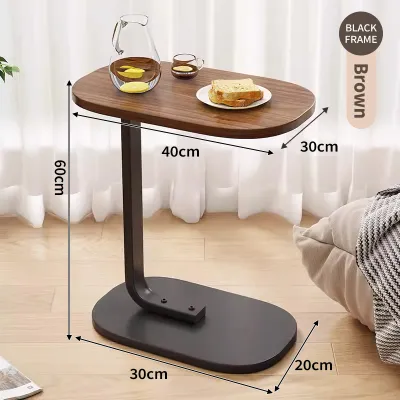
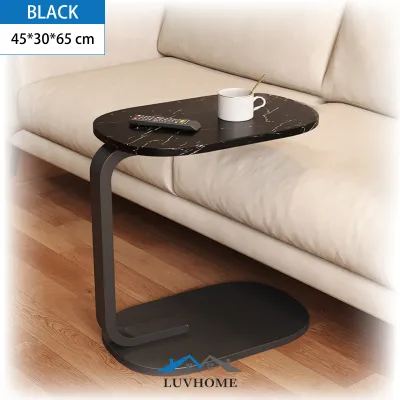

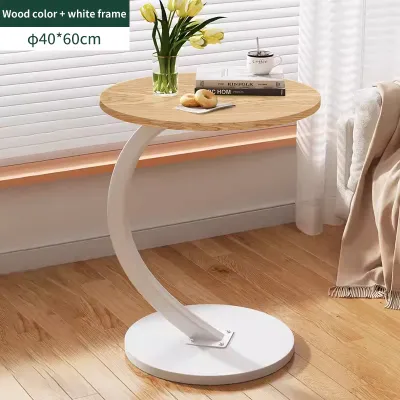
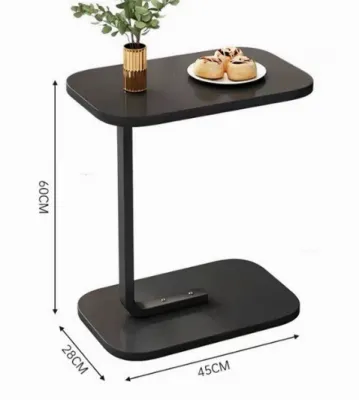
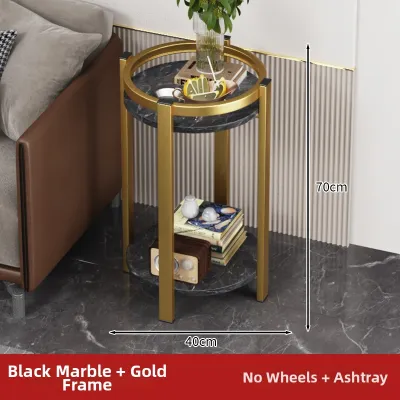
Prices are valid at publication and may change. Please refer to the product page for the latest price.
Identify any “dead zones” in your layout, such as tight corners between a sofa and a wall, or awkward gaps near entryways. These underutilized areas are often the perfect spots for a slender modern side table. However, you must ensure that placing a table there does not interfere with the opening of cabinet doors, balcony access, or the path of sliding glass doors, which are common in modern Philippine condominiums.
Next, examine the height and depth of your existing seating. A side table should ideally sit level with or slightly below the armrest of your sofa or armchair. If the table is too high, reaching for a glass of water or a book becomes awkward; if it is too low, you risk knocking items over. Remember to account for cushion compression: when you sit down, the sofa cushion sinks, lowering your physical height relative to the table.
Walkway clearance is another critical factor in small-space layouts. Ensure there is enough clearance for legs and feet to move comfortably around the furniture. In tight layouts, a table with protruding legs or an oversized top can easily become a tripping hazard, especially in high-traffic paths near doorways or television consoles. Aim to maintain clear, unobstructed pathways throughout the room.
Key Features for Small-Space Functionality
To make the most of a limited footprint, look for a modern side table that offers multi-functional design elements. Nesting tables are an exceptional choice for small spaces because they allow you to expand your surface area when hosting guests and tuck them away neatly when not in use. Built-in storage shelves, drawers, or hidden compartments also help keep remote controls, reading materials, and chargers out of sight, reducing visual clutter.

Visual weight is a crucial design concept when furnishing small rooms. Heavy, solid wooden block tables can make a small room feel cramped and dark. Instead, prioritize tables with open bases, slender metal frames, or transparent glass or acrylic tops. These materials allow light to pass through the furniture, creating the illusion of a larger, more open space while still providing a functional surface.
Mobility is another feature that greatly enhances small-space usability. Lightweight tables or those equipped with discreet, locking casters can be easily rearranged depending on your needs. If you need to clear space for a home workout, set up a temporary dining area, or clean the floors, a mobile side table can be rolled out of the way effortlessly without scratching your tiles or laminate flooring.
Evaluating Materials and Structural Stability
In the Philippines, the tropical climate brings high humidity, which can affect furniture materials over time. When shopping for a modern side table, check the manufacturer’s specifications for weight capacity and load limits rather than guessing. A table intended only for a light lamp may wobble or fail if used to support heavy books or a laptop.
Examine the structural design of the table to ensure it is stable and safe. Narrow or top-heavy tables pose a tip-over risk, especially on uneven floors or when placed on thick area rugs. Look for a wide, stable base footprint that distributes weight evenly. Inspect the joint construction in product photos or in-store displays; welded metal joints or reinforced wooden joints offer better long-term stability than simple glue-and-screw assemblies.
Surface care is vital for maintaining the appearance of your table. High humidity can cause untreated wood to warp or mold, while low-quality laminates may peel at the edges. Look for moisture-resistant finishes, powder-coated metal frames, or tempered glass tops. Review the official product descriptions for scratch resistance and care instructions to ensure the table can handle daily use, condensation from cold drinks, and regular cleaning with damp cloths.
Building Your Shortlist: Styles and Configurations
When organizing your options, categorize modern side tables by their configuration to see which style best matches your daily habits and layout constraints.
Nesting Tables
These tables typically come in sets of two or three that stack neatly underneath one another. They offer maximum versatility for small living spaces. You can spread them out across the room when entertaining guests to hold drinks and snacks, and then slide them back together into a single footprint to reclaim floor space when the gathering is over.
C-Tables and Sofa Sleeves
A C-table features a cantilevered design with a flat base that slides under the sofa and a top that hovers over the seat cushion. This configuration is a massive space-saver because it requires virtually no extra floor space next to the sofa. It is perfect for holding a laptop while working from home or keeping a cup of coffee within arm’s reach. Sofa sleeves slide directly over the armrest, providing a flat surface without touching the floor at all.
Pedestal and Geometric Accent Tables
These tables feature a single central leg or a sculptural, geometric base. Because they lack four corner legs, they have a smaller footprint and can easily slide into tight corners or narrow alcoves. They add a touch of modern artistry to your living room while remaining highly functional for holding small items like a phone or a cup of tea.
Match these styles to your daily habits. If you frequently eat dinner while watching television, a sturdy C-table is highly practical. If your living room doubles as a home office, look for a table with a lift-top mechanism or built-in cable management. For purely decorative purposes, a minimalist pedestal table is ideal.
Pre-Purchase Measurement and Clearance Checklist
Before making a final purchase, run through a strict measurement checklist to ensure the table will physically fit, function correctly, and be delivered safely to your home. Do not rely solely on visual estimates from online product photos, which can often make items look larger or smaller than they are in reality.
First, verify the exact product dimensions, including any protruding handles, angled legs, or overhanging tops. Measure these against your planned layout to ensure there is adequate clearance. If you are purchasing a C-table, measure the clearance under your sofa to make sure the table’s base can actually slide underneath it.
Next, consider the delivery path. In many Philippine residential buildings, particularly high-rise condominiums in urban areas, elevators, hallways, and stairwells can be narrow. Check the doorway widths, stairwell turns, and elevator height limits to ensure the packaged box can safely reach your unit without getting stuck.
Finally, confirm the assembly requirements. Some modern side tables arrive fully assembled, while others require flat-pack assembly. Ensure you have the necessary tool clearance to assemble the piece in your small space, and verify that all hardware is included upon unboxing before discarding any packaging.
Frequently Asked Questions (FAQ)
How much space should I leave between the sofa and the side table?
For comfortable reach, a side table should be placed within 5 to 10 centimeters of the sofa armrest. This keeps items accessible without requiring you to stretch or lean uncomfortably. For walkways and traffic flow, ensure there is at least 60 to 75 centimeters of clear space around the table so family members can walk past comfortably without bumping into it.
Can I use a modern side table as a primary coffee table in a small room?
Yes, using a modern side table—or a pair of nesting side tables—as a primary coffee table is an excellent strategy for small rooms. It keeps the center of the room open, making the space feel larger and more flexible. Ensure the table height matches your seating (ideally level with or slightly lower than the seat cushion) and that the surface area is sufficient for your daily needs.
Community discussion
Share your experience or ask a question. Comments are reviewed before publication.