
Finding the ideal waterproof outdoor table for a Philippine home requires looking past generic marketing labels and understanding how materials interact with a tropical climate. While natural rattan and bamboo carry a deep cultural heritage, they struggle to survive the intense humidity, heavy monsoon rains, and scorching UV exposure typical of local environments. For a truly weather-resistant setup that maintains a sleek, contemporary aesthetic, synthetic polyethylene (PE) rattan paired with a rust-resistant metal frame is the modern standard. This combination delivers the organic warmth of traditional weaving while offering the durability needed to withstand outdoor exposure year-round.
When selecting a modern outdoor table, the primary goal is to find a piece that balances visual lightness with structural resilience. High-quality synthetic options are engineered to resist water absorption, fading, and cracking, making them suitable for open patios, garden decks, and high-rise balconies alike. By focusing on material specifications, frame construction, and design details, you can invest in a table that elevates your outdoor living space while standing up to the demanding Philippine weather.
Understanding "Waterproof" Rattan: Natural vs. Synthetic
To make an informed purchase, it is essential to understand the cellular differences between natural and synthetic materials. Natural rattan is a climbing palm native to tropical regions, characterized by a highly porous fibrous core. When exposed to high humidity—which regularly exceeds 80 percent in the Philippines—these natural fibers absorb moisture from the air. This absorption leads to internal rot, warping, structural softening, and the rapid growth of black mold and mildew. Consequently, natural rattan and bamboo tables are unsuitable for uncovered outdoor areas where they are exposed to direct rain and sun.
Products mentioned in this guide
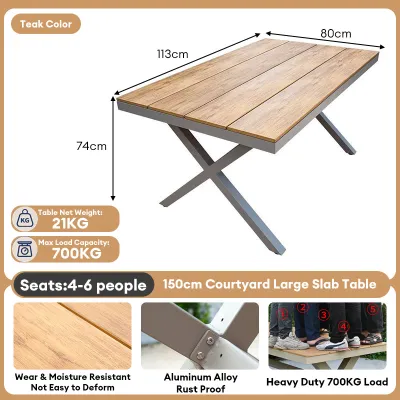
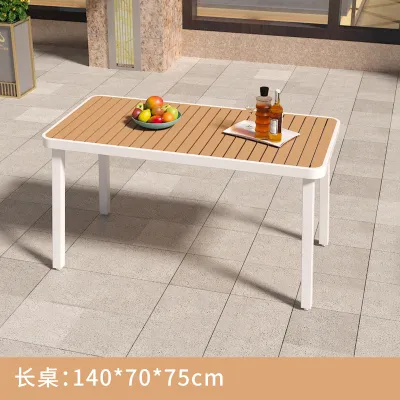
Prices are valid at publication and may change. Please refer to the product page for the latest price.
Synthetic rattan, often referred to as resin wicker, is an engineered thermoplastic designed specifically to overcome these natural limitations. High-quality synthetic tables are made from polyethylene (PE) resin, which is completely non-porous and hydrophobic. Water simply beads up and rolls off the surface, preventing any moisture from penetrating the material. This engineered resistance ensures that the table will not swell, rot, or harbor mold, even during the peak of the rainy season.
When browsing online marketplaces or local showrooms, always verify the exact type of synthetic material used. Lower-cost outdoor furniture sometimes utilizes polyvinyl chloride (PVC) or polyurethane (PU) instead of polyethylene. PVC is highly susceptible to UV degradation, causing it to become brittle, crack, and fade after only a few months of exposure to intense tropical sunlight. PE rattan remains flexible, retains its color, and offers superior longevity, making it the only reliable choice for true weather resistance.
Rather than relying on broad marketing claims of a table being “waterproof,” consumers should actively check the manufacturer’s detailed material specifications. A truly waterproof outdoor table must pair its PE rattan exterior with a frame and hardware that are equally resistant to moisture. Always look for explicit mentions of UV-resistant PE resin and rust-proof frame treatments in the product description to ensure the piece is built for genuine outdoor survival.
Key Design Features for Modern Outdoor Aesthetics
Modern outdoor design is defined by clean lines, minimalist profiles, and a departure from the bulky, overly ornate weaving patterns of the past. Contemporary PE rattan tables often feature tight, flat weaves or delicate open-grid patterns that create a sense of visual lightness. These streamlined designs allow air to flow freely through the furniture, which not only enhances wind resistance during stormy weather but also complements the airy, open-concept architecture common in modern Philippine homes.

Integrating mixed materials is another hallmark of modern outdoor tables. Designers frequently pair woven PE rattan bases with sleek, non-woven elements to create striking visual contrasts. For example, a table might feature a woven pedestal base supporting a smooth, powder-coated aluminum tabletop, or a minimalist metal frame accented by subtle woven panels. These combinations break up the monotony of a single texture and allow the furniture to blend seamlessly with other modern materials like concrete, steel, and polished stone.
Color palettes for modern outdoor tables favor sophisticated, muted tones over bright, artificial-looking finishes. Matte black, charcoal grey, warm taupe, and soft sand are highly popular choices that mirror natural elements while maintaining a clean, contemporary edge. Some high-end PE rattan is extruded with multi-tonal color variations and textured surfaces, successfully mimicking the organic look of natural split cane or weathered wood without sacrificing any of the synthetic material’s durability.
Tabletops on modern rattan tables are designed for both style and practicality. Tempered glass tops are a classic choice, providing a perfectly flat, stable surface for dining while showcasing the intricate weave underneath. For a more contemporary look, many tables utilize high-pressure laminates (HPL) or wood-plastic composites (WPC) that offer the warmth of timber but require none of the intensive maintenance. These solid surfaces prevent food crumbs and spills from getting trapped in the woven fibers below, making cleanup quick and effortless.
How to Evaluate Weather Resistance and Durability
The longevity of an outdoor table depends heavily on what lies beneath the woven exterior. The frame serves as the structural backbone, and choosing the wrong metal can lead to premature failure. Aluminum is the premier frame material for tropical climates because it naturally resists rust and corrosion, even when exposed to salty coastal air or heavy urban humidity. It is also lightweight, making it easy to reposition the table as needed.
Steel frames are heavier and often more budget-friendly, but they require careful inspection. If you select a steel-framed table, ensure it is specified as galvanized or heavily powder-coated to protect the underlying metal from moisture. Any chip or scratch in a steel frame’s protective coating can allow water to enter, leading to rapid rusting that can compromise the table’s structural integrity and leave unsightly rust stains on your patio tiles. Examine the weld joints under the table; they should be smooth, continuous, and fully covered by the protective finish.
Weave quality is another critical factor in determining durability. High-quality PE rattan is infused with UV stabilizers during the manufacturing process, ensuring that the sun protection is integrated throughout the material rather than just applied as a surface coating. To evaluate the weave, press down firmly on the tabletop or sides; a well-constructed table will feel taut and springy, with no loose ends, sagging sections, or visible gaps where the frame shows through. The weave should be securely fastened to the frame, ideally with stainless steel staples or integrated welding points.
Finally, pay close attention to the design of the table’s feet. Quality outdoor furniture features adjustable, non-marking foot caps made of durable plastic, rubber, or stainless steel. These caps serve multiple purposes: they allow you to level the table on uneven outdoor surfaces like stone patios or garden paths, protect your flooring from scratches, and keep the metal frame and woven fibers elevated off wet ground. This elevation prevents moisture from wicking up into the frame and minimizes contact with standing water during heavy downpours.
Matching Table Styles to Your Outdoor Space
Selecting the right table shape and size is essential for creating a functional and harmonious outdoor living area. For compact spaces, such as high-rise condominium balconies in Metro Manila or small garden nooks, round or oval tables are highly effective. Their curved profiles eliminate sharp corners, allowing for smoother foot traffic and more flexible seating arrangements. A round table with a central pedestal base maximizes legroom and makes it easier to tuck chairs completely underneath when the set is not in use.
For larger outdoor areas, such as spacious suburban lanais, poolside decks, or expansive backyards, rectangular or square tables are the preferred choice. These shapes provide a structured, formal dining environment that can comfortably accommodate larger family gatherings and outdoor dinner parties. When planning your layout, always measure the available floor space, leaving at least 90 centimeters of clearance around the table to allow chairs to be pulled out easily without hitting walls or railings.
Coffee tables and side tables are excellent additions to outdoor lounge areas, but they require careful height coordination. An outdoor coffee table should ideally sit at the same height as, or slightly lower than, the seat cushions of your outdoor sofa or lounge chairs—typically between 40 and 45 centimeters. Side tables should align closely with the height of the sofa arms to ensure drinks and books are within easy reach. Checking these proportions beforehand prevents physical discomfort and maintains a balanced visual scale.
Before finalizing your purchase, always consider the logistics of delivery and installation. Many high-quality outdoor tables feature fully welded frames for maximum stability, which means they cannot be disassembled. Verify the finished dimensions of the table and compare them against the clearance of your doorways, stairwells, and elevator cabins. Ensuring that the table can physically fit through these access points is just as important as confirming it fits on your patio.
Maintenance and Care for Longevity
Maintaining a synthetic rattan table is straightforward, but consistency is key to preserving its appearance. For routine cleaning, prepare a solution of mild dishwashing soap and lukewarm water. Use a soft-bristled brush or a microfiber cloth to gently scrub the weave, paying close attention to the crevices where dust, pollen, and outdoor debris tend to accumulate. Avoid using high-pressure washers, as the intense force can dislodge the weave from the frame or strip away protective UV coatings.
After cleaning, rinse the table thoroughly with clean water from a garden hose and allow it to dry completely in a shaded, well-ventilated area. While synthetic rattan is highly weather-resistant, protecting it during extreme weather events will significantly extend its lifespan. During the typhoon season or periods of prolonged non-use, cover your table with a breathable, water-resistant furniture cover. Ensure the cover is securely fastened to prevent it from blowing away in high winds, but leave a small gap at the bottom to allow air circulation, which prevents condensation and mold growth underneath.
If you notice structural damage, such as a broken frame weld or extensive unraveling of the weave, avoid attempting complex DIY repairs. Instead, contact the manufacturer or a professional furniture restoration service to ensure the structural integrity of the table is safely restored. Taking these preventive steps and addressing issues early will keep your modern outdoor table looking pristine and functional for many years to come.
Frequently Asked Questions (FAQ)
Can natural rattan or bamboo be made fully waterproof for outdoor use?
No, natural rattan and bamboo cannot be made fully waterproof, even with the application of modern sealants, varnishes, or marine-grade coatings. While these surface treatments can provide temporary moisture resistance and protect against light splashes, they do not alter the inherently porous cellular structure of the natural fibers. Over time, humidity and rainwater will inevitably penetrate the protective barrier, leading to internal rot, warping, and mold growth. If you choose to use natural materials outdoors, they must be kept under a fully covered, well-ventilated patio or lanai, and you should always check the manufacturer’s warranty and care guidelines to understand the limits of their exposure.
How do I clean mold or mildew from synthetic rattan?
To clean mold or mildew from synthetic PE rattan, start by brushing away any loose debris with a dry, soft-bristled brush. Mix a solution of mild dishwashing soap and warm water, then gently scrub the affected areas using a soft brush or sponge to lift the mold from the crevices of the weave. For stubborn spots, a highly diluted mixture of white vinegar and water can be applied, but avoid using harsh chemical cleaners, bleach, or abrasive scrubbing pads, as these can degrade the built-in UV stabilizers and scratch the synthetic surface. Once clean, rinse the table thoroughly with fresh water and let it dry completely in a sunny, well-ventilated spot to prevent any remaining moisture from encouraging new mold growth.
Community discussion
Share your experience or ask a question. Comments are reviewed before publication.