
Finding the right sink cabinet for kitchen spaces in the Philippines requires moving beyond aesthetics to focus on material resilience. The combination of high ambient humidity, tropical temperatures, and frequent water exposure around the washing area means standard cabinetry can quickly degrade. To secure a long-lasting installation, you must prioritize materials that resist water absorption, verify the quality of edge sealing, and ensure the structural design allows for adequate ventilation and plumbing clearance.
Selecting a durable under-sink cabinet involves understanding how different materials interact with moisture and identifying the specific construction details that prevent water from reaching the vulnerable core of the unit. By focusing on verifiable material specifications and proper installation practices, you can protect your kitchen investment from premature warping, mold growth, and structural failure.
Key Factors for Moisture-Resistant Sink Cabinets
The area directly beneath a kitchen sink is a challenging microclimate. It is subject to localized humidity spikes, temperature fluctuations from hot water usage, potential condensation along cold water pipes, and the constant risk of slow, undetected plumbing leaks. To withstand these conditions, the base material of your cabinet must possess inherent resistance to moisture absorption.
Products mentioned in this guide
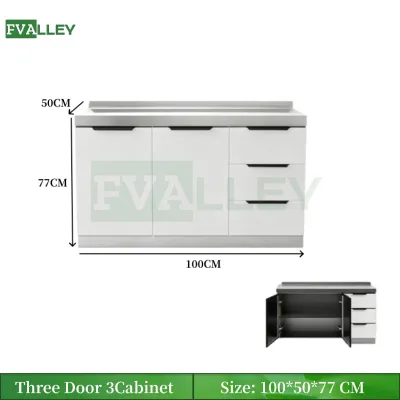
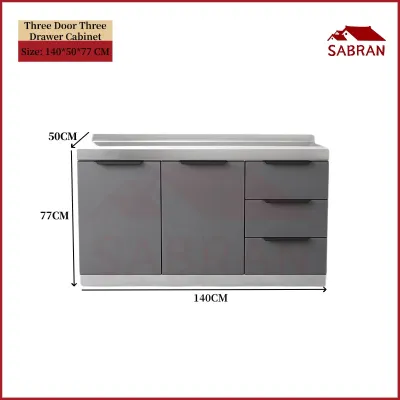
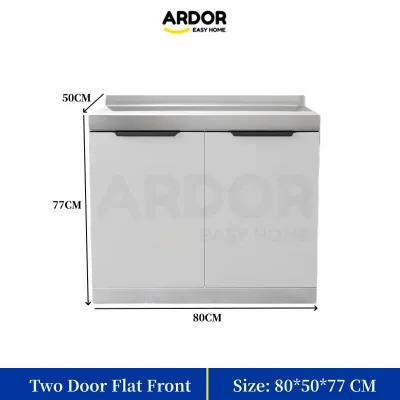
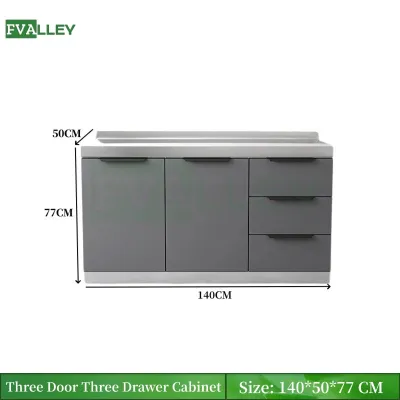
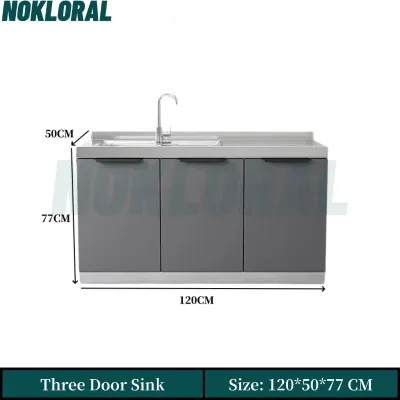
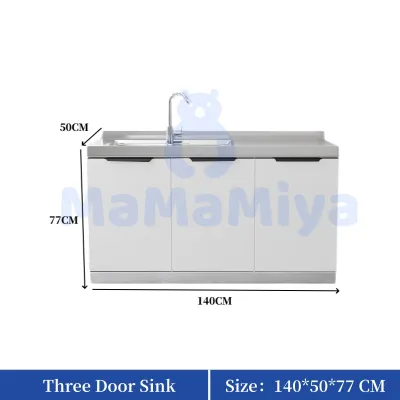
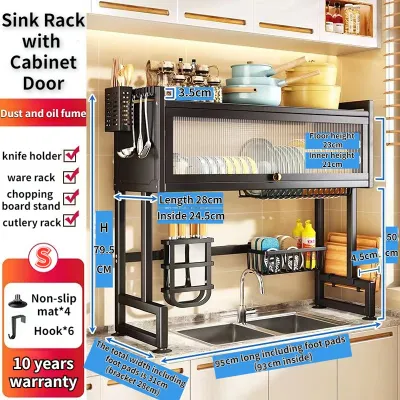
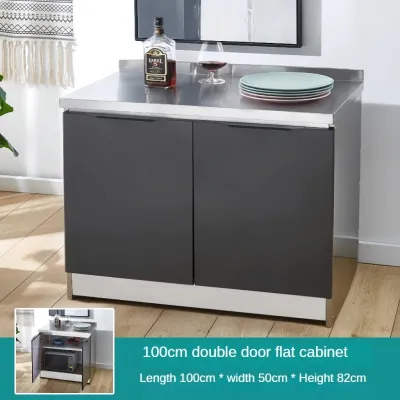
Prices are valid at publication and may change. Please refer to the product page for the latest price.
Standard wood-based products, such as untreated particle board or standard medium-density fiberboard (MDF), act like sponges when exposed to water. Once moisture penetrates the surface, the fibers swell, causing the panels to warp, sag, and eventually lose their structural integrity. Plywood offers better performance due to its cross-laminated veneer construction, which distributes stress and resists warping, but standard interior-grade plywood can still delaminate if subjected to prolonged dampness. High Moisture Resistant (HMR) boards, which utilize specialized water-repellent resins, provide a more stable wood-based alternative, while solid PVC, aluminum, and stainless steel offer complete immunity to water rot.
However, the core material is only as secure as its protective envelope. Surface treatments, such as high-pressure laminates (HPL), melamine, or thermo-foil wraps, serve as the primary barrier against water ingress. The most critical failure points are the panel edges, where water can easily seep through seams via capillary action. High-quality cabinetry utilizes advanced edge-banding technologies, such as polyurethane (PUR) adhesive bonding or laser-fused edging, to create a seamless, watertight seal that prevents moisture from reaching the inner core.
In addition to the panels, the cabinet hardware must be selected specifically for humid environments. Standard steel hinges, drawer slides, and screws will quickly corrode when exposed to under-sink moisture, leading to sagging doors and jammed mechanisms. Look for hardware constructed from high-grade stainless steel or treated with multi-layer anti-corrosion coatings. Soft-close hinges should feature sealed hydraulic dampers to prevent moisture from degrading the internal mechanism over time.
Evaluating Cabinet Materials for High Humidity
When shopping for a sink cabinet for kitchen use, verifying the actual material specifications is crucial. Do not rely solely on broad marketing terms like “waterproof” or “weatherproof” without checking the underlying technical details and physical characteristics of the product.

Stainless steel cabinets are highly durable and completely waterproof, making them an excellent choice for wet zones. When evaluating stainless steel, check the gauge thickness and the alloy grade. A lower gauge number indicates thicker, sturdier steel; look for 16-gauge or 18-gauge panels, as thinner 20-gauge or 22-gauge steel is more prone to flexing and denting under the weight of a heavy sink. Ensure the material is Grade 304 (often labeled as SUS304), which contains higher levels of chromium and nickel to provide superior rust resistance compared to lower-grade SUS201 steel. Additionally, verify that the cabinet panels feature integrated sound-dampening pads on their undersides to minimize the noise generated by running water and clattering dishes.
If you prefer the look of wood-based cabinetry, look for green-core HMR boards or marine-grade plywood. Inspect the physical cabinet closely before purchase. Run your fingers along all edges and joints; any roughness, visible glue lines, or slight gaps in the edge banding indicate a high risk of future water penetration. Ask the supplier for the technical specifications of the board, specifically looking for a low thickness swelling rate when tested under standard water immersion conditions. Avoid any products where the edge banding is applied with cheap hot-melt adhesives, as these can easily soften and peel in hot, humid tropical climates.
Alternative materials like solid PVC and aluminum offer unique advantages but require careful structural evaluation. Solid PVC board is entirely waterproof, impervious to termites, and will not rot, making it highly practical for under-sink areas. However, PVC has a lower load-bearing capacity than wood or metal and can sag under heavy loads over time. If choosing PVC, ensure the cabinet frame is reinforced with internal supports or that the PVC is used primarily for the doors and wet-zone lining while a sturdier material forms the load-bearing chassis. Aluminum cabinets provide excellent moisture resistance and high structural strength without the risk of rust. When inspecting aluminum units, verify that all joints are secured with rust-resistant fasteners rather than simple adhesives, and check that any panels near hot water lines are properly insulated to prevent heat transfer to adjacent storage areas.
Structural and Installation Checks for Under-Sink Areas
A moisture-resistant material is only effective if the cabinet is installed correctly and designed to accommodate the practical realities of kitchen plumbing. Before finalizing your purchase, you must perform a series of structural and spatial checks to ensure long-term functionality.
First, measure the internal clearances of the cabinet against your existing plumbing layout. The under-sink area must house water supply lines, drainage pipes, P-traps, and potentially bulky additions such as grease traps, water filtration systems, or garbage disposals. Ensure the cabinet’s back panel has pre-cut openings that align with your wall outlets, or verify that the material can be cleanly drilled or cut during installation without splintering or cracking. The structural frame of the cabinet must remain intact; cutting away load-bearing supports to clear plumbing pipes will compromise the stability of the entire countertop.
Second, evaluate the design of the cabinet’s bottom panel. Because this area is highly susceptible to minor drips and condensation, look for cabinets that feature an integrated drip tray or a slightly sloped bottom panel designed to channel water forward where it can be easily seen and wiped away. Some high-quality cabinets include a removable, heavy-duty plastic or aluminum protective mat that sits on the bottom shelf, creating an extra barrier against spills. Additionally, consider choosing a cabinet mounted on adjustable, rust-resistant legs rather than a solid plinth that sits directly on the floor. This raised design protects the base of the cabinet from floor-level moisture, improves air circulation, and allows you to easily clean and inspect the space underneath.
Finally, verify the load-bearing capacity and anchoring requirements of the unit. Kitchen countertops made of heavy materials like granite, quartz, or solid surface slabs exert immense downward pressure, which is further compounded when the sink is filled with water and heavy cookware. The sink cabinet must be structurally rated to support this weight. In many homes, kitchen walls are constructed from concrete or hollow blocks; ensure the cabinet includes heavy-duty masonry anchors and a reinforced mounting rail along the back to distribute the load evenly. The cabinet must be perfectly leveled during installation using adjustable legs or shims to prevent uneven stress on the countertop joints, which can lead to cracking or sealant failure over time.
Maintenance and Leak Prevention Strategies
Even the most robust, moisture-resistant sink cabinet requires regular maintenance and proactive care to maximize its lifespan and prevent hidden water damage from compromising your kitchen environment.
Establish a monthly inspection routine for the under-sink compartment. Use a flashlight to examine all pipe joints, flexible hose connections, and the perimeter of the sink drain for any signs of slow drips or moisture buildup. Run your hand along the underside of the pipes to detect micro-leaks that may not be immediately visible. Check the silicone sealant around the rim of the sink where it meets the countertop; if the sealant is peeling, discolored, or cracking, scrape it away and apply a fresh bead of mold-resistant kitchen silicone to prevent water from seeping down the sides of the cabinet.
Proper ventilation is essential for controlling humidity levels inside a closed cabinet. Avoid packing the under-sink area completely full of cleaning supplies, plastic bags, and kitchen tools, as overcrowding restricts airflow and traps humid air inside. Consider installing cabinet doors with integrated ventilation grilles, slatted designs, or louvers to promote passive air circulation. When storing household cleaning chemicals, ensure they are kept in tightly sealed, airtight containers; corrosive fumes from bleach, ammonia, or acid-based cleaners can escape into the air and rapidly accelerate the rusting of cabinet hinges, drawer slides, and plumbing fixtures.
It is critical to recognize when a cabinet has sustained damage beyond simple repair. If you observe persistent musty odors, visible black mold spreading along the inner panels, bubbling or peeling of the surface laminate, or structural sagging of the shelves, the moisture has likely penetrated deep into the core material. Swollen wood-based boards cannot be restored to their original shape and lose their structural strength, posing a risk of sudden collapse under the weight of the sink. When these indicators are present, prompt replacement of the damaged panels or the entire cabinet unit is necessary to maintain a safe, hygienic, and structurally sound kitchen.
Frequently Asked Questions (FAQ)
Can I waterproof an existing wooden sink cabinet myself?
Applying DIY waterproofing treatments to an existing wooden cabinet can provide a temporary surface barrier, but it cannot alter the inherent vulnerability of the underlying material. Applying polyurethane sealants, waterproof contact paper, or liquid rubber coatings can help repel minor splashes on dry, undamaged wood. However, if moisture has already penetrated the core of the panels, sealing the surface will trap the water inside, accelerating internal rot and mold growth. DIY sealants are best used as a preventative measure on brand-new, completely dry cabinets. If your existing cabinet is already showing signs of structural swelling, delamination, or persistent mold, DIY coatings will not resolve the issue, and replacing the compromised sections with moisture-resistant materials is the only reliable solution.
Are open-shelf sink units better for ventilation in humid kitchens?
Open-shelf or open-frame sink units offer excellent ventilation, which significantly reduces the risk of mold growth and allows you to spot plumbing leaks immediately. Because there are no enclosed doors or side panels to trap humid air, moisture evaporates quickly. However, open designs expose your stored items to dust, kitchen grease, and pests, which are common concerns in tropical environments. They also require you to keep the under-sink area meticulously organized to maintain a clean kitchen appearance. Enclosed cabinets remain the preferred choice for storage protection and pest control, provided they are constructed from high-quality moisture-resistant materials, designed with adequate ventilation features, and inspected regularly for leaks.
Community discussion
Share your experience or ask a question. Comments are reviewed before publication.