
To maximize a small dining area, a multifunctional wall cabinet should prioritize vertical space, shallow depths, and adaptable configurations. The ideal unit combines concealed storage for clutter with open shelving for display, while incorporating convertible elements like drop-down desks or extendable surfaces. By choosing a cabinet that serves multiple purposes, you can keep your dining space organized and functional without crowding the room’s limited footprint.
When selecting a multifunctional wall cabinet, you must look beyond aesthetics. The cabinet needs to fit your physical space, withstand daily use, and remain securely anchored to your wall. Understanding how to evaluate these features ensures you invest in a piece that enhances your home’s utility and safety.
How to Measure Your Dining Space for a Wall Cabinet
Before purchasing any furniture, you must accurately map out your dining room’s physical limits. Begin by measuring the available wall width and height using a steel tape measure. Do not rely on visual estimates; even a discrepancy of a few centimeters can prevent a cabinet from fitting into its designated spot. Note the positions of baseboards, light switches, electrical outlets, and wall-mounted air conditioning units, as these fixtures can restrict where a cabinet can sit flat against the wall.
Products mentioned in this guide
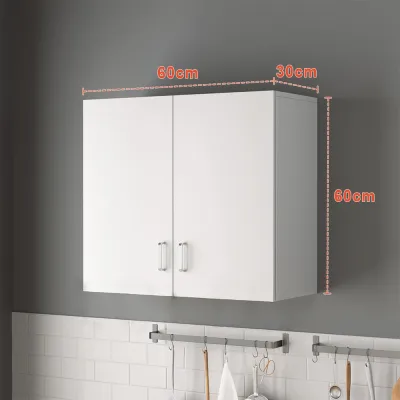
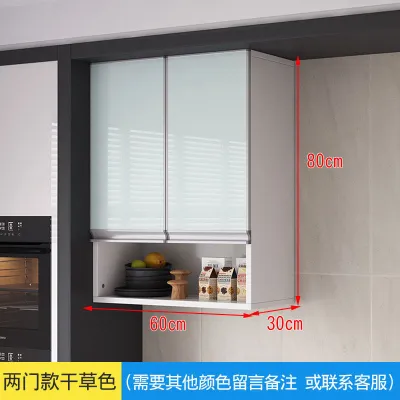
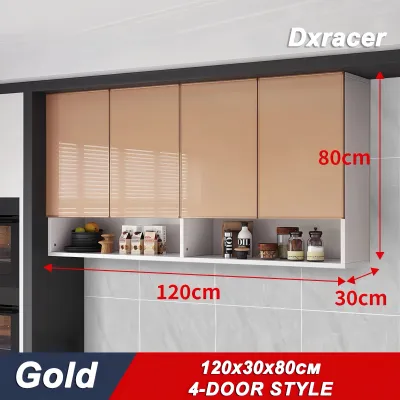
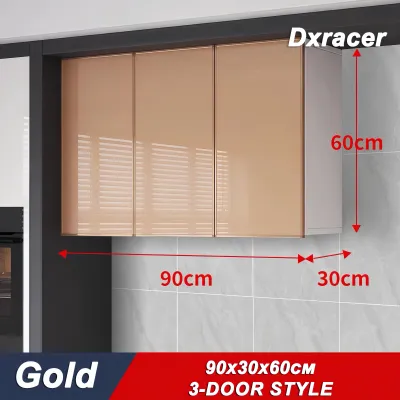
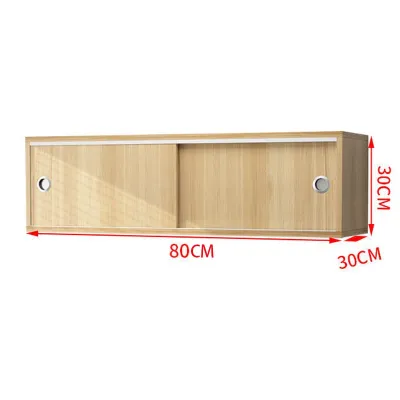
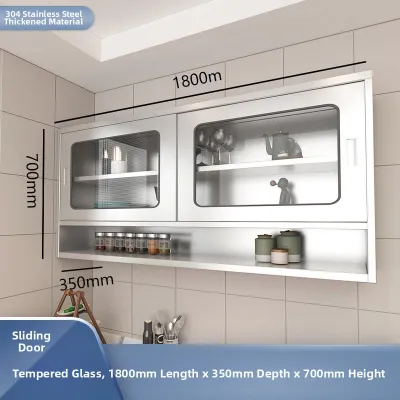
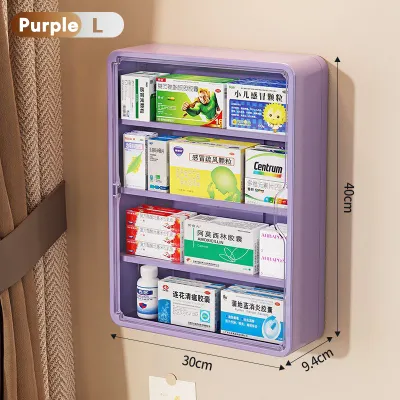
Prices are valid at publication and may change. Please refer to the product page for the latest price.
Next, determine the maximum allowable depth for the cabinet. To do this, measure the distance from the wall to your dining table and chairs. You must calculate the clearance required for dining chairs when they are fully pulled out, which typically requires at least 60 to 90 centimeters of space. Ensure that when chairs are occupied, there remains a clear walking pathway of at least 90 centimeters behind them so household members can move freely without squeezing past.
Finally, plan the delivery route from your building’s entrance to the dining room. Measure the width and height of all entryways, narrow hallways, stairwells, and interior doors. If you live in a high-rise condominium or apartment, measure the interior dimensions and door clearance of the building’s elevator. Knowing these dimensions beforehand prevents the frustration of buying a beautiful cabinet only to find it cannot physically pass through your front door or up the stairs.
Space-Saving Features to Look for in Multifunctional Designs
In compact dining rooms, furniture must work twice as hard. Multifunctionality is key to keeping the space efficient and uncluttered. A well-designed multifunctional wall cabinet serves not only as a storage unit for plates and pantry items but also as a serving station, a decorative display, or even a temporary workspace. By integrating dual-purpose elements, these cabinets eliminate the need for separate, bulky furniture pieces like standalone sideboards or extra console tables.

Fold-Down and Extendable Surfaces
One of the most effective space-saving features is an integrated fold-down door or drop-leaf table. These surfaces can be lowered to serve as a breakfast bar, a food prep station, or a laptop desk, and then folded back up to flush with the cabinet face when not in use. When evaluating these designs, inspect the hinge quality and locking mechanisms closely. High-quality, heavy-duty drop-front hinges or pneumatic stays are essential to prevent the surface from dropping abruptly or sagging under pressure.
Always verify the manufacturer’s specified weight limit for any extendable or fold-down surface before purchase. These limits are typically listed in the product manual or technical specifications. A reliable surface should support the weight of serving dishes, laptops, or kitchen appliances without flexing. If the manufacturer does not provide a clear load rating, treat the surface as a light-duty shelf and avoid putting heavy pressure on it.
Mixed Open and Closed Storage
A balanced combination of open display shelves and closed cabinets offers the best of both worlds. Closed doors allow you to conceal mismatched food containers, small appliances, and everyday clutter, keeping the dining area visually tidy. Open shelving or glass-front cabinets, on the other hand, provide a perfect spot to display fine dinnerware, glassware, or decorative items, which helps the dining room feel more open and inviting.
Look for cabinets that feature adjustable shelving rather than fixed dividers. Adjustable shelves allow you to customize the interior layout to accommodate tall pitchers, stacked dinner plates, or serving platters of varying heights. Additionally, check if the cabinet includes pre-drilled channels or integrated cable management ports. These channels make it simple to install LED strip lighting or puck lights, illuminating your display items without exposing messy wires.
Installation, Mounting, and Weight Safety
Mounting a heavy cabinet on a wall requires strict attention to structural safety. You must first identify your wall construction type, as this dictates the installation method and hardware required. In many homes and condominiums in the Philippines, walls are built from solid concrete, concrete hollow blocks (CHB), or drywall over metal or wood studs. Solid concrete and masonry walls provide excellent support but require specialized masonry drill bits and heavy-duty concrete sleeve anchors or expansion bolts.
Never attempt to mount a heavy wall cabinet directly onto drywall or hollow blocks using standard plastic wall plugs. These materials do not have the structural integrity to hold significant weight on their own. For drywall, you must secure the cabinet’s mounting brackets directly into the structural wooden or metal studs. If you must mount to a hollow block wall, use heavy-duty toggle bolts or specialized masonry anchors designed specifically for hollow cores, following the cabinet manufacturer’s mounting guidelines.
Always check the manufacturer’s stated weight capacity for both the individual shelves and the overall mounting bracket assembly. Distribute the weight of your items evenly, placing heavier ceramic plates and glass bottles on the lowest shelves or closest to the wall anchors. If you are using a tall, floor-standing cabinet that also mounts to the wall, installing an anti-tip safety kit is mandatory to prevent accidental tipping, especially if the cabinet features heavy pull-out drawers or fold-down desks. If you are unsure of your wall type or if the cabinet’s weight exceeds standard hardware ratings, hire a qualified professional installer to ensure the unit is safely secured. Professional installation services in local urban areas typically cost between ₱1,500 and ₱3,500, which is a small price to pay for peace of mind.
Evaluating Finishes for Dining Area Maintenance
The dining environment subjects furniture to unique challenges, including food spills, condensation from hot dishes, and elevated indoor humidity. When shopping, always read the manufacturer’s care labels and product specifications to verify the finish’s resistance to moisture, stains, and heat. Avoid untreated or poorly sealed wood surfaces, which can absorb liquids, warp in humid tropical conditions, or develop mold if exposed to moisture.
Smooth, non-porous finishes—such as high-pressure laminates, melamine, or polyurethane-coated surfaces—are highly recommended for dining areas. These materials are exceptionally easy to wipe clean with a damp microfiber cloth and resist staining from spilled sauces or coffee. Textured or highly porous surfaces, while visually appealing, tend to trap dust, grease, and food particles in their crevices, requiring more intensive scrubbing and specialized cleaning agents.
In addition to the surface finish, closely inspect the quality of the cabinet’s hardware. Look for soft-close hinges and rust-resistant drawer slides made of stainless steel or powder-coated metal. High humidity can quickly cause low-grade metal hardware to rust, leading to squeaking, sticking, or complete failure of drawer glides. Check the product details or warranty information to ensure the hardware is rated for durability and humid environments.
Common Sizing and Placement Mistakes to Avoid
A common mistake when placing a wall cabinet is ignoring the door swing radius. If the cabinet doors swing outward into a narrow walkway, they can block traffic or collide with dining chairs and nearby walls. To prevent this, measure the width of the cabinet doors and ensure there is ample clearance when they are fully open. Alternatively, consider cabinets with sliding doors, tambour doors, or open shelving, which do not require extra clearance to access.
Another frequent error is failing to account for visual weight. Selecting an overly deep or dark-colored cabinet can overpower a small dining room, making the entire space feel cramped and cave-like. For compact areas, choose cabinets with shallow depths (around 30 to 40 centimeters), light wood tones, or neutral paint finishes. Incorporating glass doors or open shelving also helps maintain a sense of airiness by allowing light to pass through.
Finally, avoid placing your cabinet where it blocks natural light sources, ventilation pathways, or essential fixtures. Ensure the cabinet does not obstruct windows, wall-mounted fans, or air conditioning vents, as proper airflow is crucial for comfort in warm climates. Additionally, check that the cabinet does not cover light switches, intercoms, or electrical outlets that you need to access daily.
Frequently Asked Questions (FAQ)
Can I mount a heavy wall cabinet on hollow block or drywall?
You cannot safely mount a heavy wall cabinet directly onto standard drywall or hollow concrete blocks using basic screws or plastic plugs. Drywall and the thin shells of hollow blocks lack the structural strength to support substantial weight and will fail under load. To mount safely, you must secure the cabinet’s mounting brackets directly into the wall studs behind the drywall. For hollow block walls, you must use heavy-duty toggle bolts, sleeve anchors, or specialized masonry fasteners. Always consult the cabinet manufacturer’s installation instructions or hire a professional installer to assess your wall’s load-bearing capacity.
What is the recommended depth to avoid blocking dining chairs?
To prevent the cabinet from obstructing your dining chairs, you should choose a cabinet depth that leaves sufficient clearance when the chairs are in use. Measure the depth of your dining chairs when they are pushed completely under the table, then add at least 60 to 90 centimeters of space behind them for pulling out and sitting down. For small dining areas, a cabinet depth of 30 to 40 centimeters is generally ideal. Compare the specific product dimensions of the cabinet against your available wall-to-table distance to ensure comfortable movement throughout the room.
Community discussion
Share your experience or ask a question. Comments are reviewed before publication.