
To find the ideal seating setup for a home office, you must look beyond aesthetic appeal and evaluate how a chair supports your physical frame. The Musso C10 has emerged as a prominent contender in the mid-range ergonomic chair market, balancing modern styling and adjustable features. However, whether this specific model is the right choice for your workspace depends heavily on your daily sitting habits, body dimensions, and climate requirements.
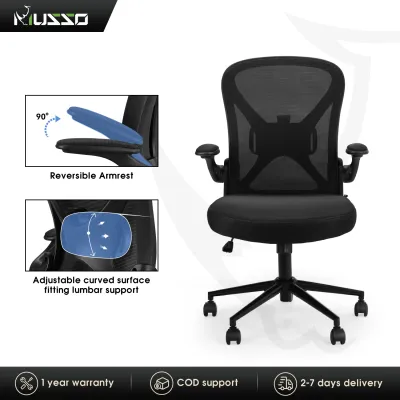
For many professionals, the Musso C10 represents a highly practical, all-rounder option that addresses the fundamental requirements of prolonged desk work. It is particularly well-suited if you seek a reliable combination of adjustable lumbar support, a cushioned seat, and flexible armrests without stepping into the premium price tier. This model serves as an excellent upgrade from basic office chairs, offering a structured backrest that encourages healthier posture during long typing sessions.
Conversely, the Musso C10 may not be the optimal choice if your physical requirements lean toward extreme customization or specialized heavy-duty support. For instance, individuals who require highly specific, multi-directional lumbar adjustments or those with a very tall or petite frame might find that alternative models in the mid-range segment offer a more tailored fit. Furthermore, if you work in an environment without consistent air conditioning, you might want to weigh the warmth of a padded seat cushion against the superior airflow of a full-mesh alternative.
Products mentioned in this guide
Prices are valid at publication and may change. Please refer to the product page for the latest price.
Ultimately, choosing between the Musso C10 and its competitors requires a careful assessment of your physical environment and your body’s feedback. By analyzing how each component of the chair aligns with your daily routine, you can make an informed decision that protects your physical well-being and enhances your productivity.
Key Features to Compare: Musso C10 vs. Market Alternatives
When navigating the mid-range ergonomic chair market, comparing models based purely on visual design can lead to disappointing results. True ergonomic comfort is determined by how effectively a chair supports the natural curvature of your spine and accommodates your body’s movements throughout the day. In the Philippines, where high humidity and elevated temperatures are common daily challenges, these material and mechanical choices become even more critical to your comfort.
To make an objective comparison, you must evaluate several distinct engineering elements that directly impact your physical comfort and the chair’s longevity. These include the design of the lumbar support mechanism, the breathability and density of the seat cushion, and the flexibility of the armrests and recline mechanics. By breaking down these primary comparison axes, you can identify which features are standard across the mid-range segment and which ones set specific models apart.
Lumbar Support and Adjustability
The primary defense against lower back strain during long hours of sitting is a well-designed lumbar support system. In the mid-range category, chairs generally employ either an integrated, adaptive lumbar piece or a manually adjustable support bracket. The Musso C10 utilizes a dedicated lumbar support system designed to target the lower lumbar curve, but it is essential to compare how this mechanism behaves under pressure compared to its competitors.
When evaluating the Musso C10 against market alternatives, check whether the lumbar support offers independent depth and height adjustments. Some competing models feature a knob-based tension control that allows you to increase or decrease the outward pressure against your lower back, while others rely on a simple height-adjustable sliding track. If you have a longer torso, a height-adjustable lumbar support is vital to ensure the support curve aligns precisely with your lumbar spine rather than pressing uncomfortably against your pelvis.
Additionally, you should verify the manufacturer’s specified weight limits and overall backrest height to ensure the structural frame is built to accommodate your body type. A backrest that is too short can cause the upper frame to press into your shoulder blades, while an inadequate weight capacity can lead to premature wear of the lumbar adjustment brackets. Always review the product specifications for structural materials, looking for reinforced nylon or steel frames that maintain their shape under continuous daily use.
Seat Cushion and Material Breathability
The choice between a high-density foam seat cushion and a full-mesh seat is one of the most critical decisions you will make, particularly in tropical climates. The Musso C10 typically features a padded seat cushion designed to distribute body weight evenly and minimize pressure points on your tailbone. While foam cushions offer a soft, familiar feel, they also tend to retain body heat, which can lead to discomfort during warm, humid afternoons.
In contrast, many mid-range alternatives offer full-mesh seats that promote continuous airflow, keeping you cool even during power outages or in rooms without active air conditioning. However, mesh seats require high-quality tensioning to prevent your thighs from pressing against the hard plastic outer frame of the seat pan. When comparing these materials, check the manufacturer’s product labels for high-density resilient foam ratings or mesh tension certifications to ensure the seat will not sag over time.
You must also consider the ease of maintenance and the durability of the upholstery fabric. Foam seats covered in tightly woven fabric can trap dust, spills, and sweat, requiring regular vacuuming or spot cleaning to prevent odors. Mesh seats are generally easier to wipe down and dry quickly, but they can sometimes cause friction against certain clothing materials. Reviewing the warranty coverage specifically for seat deformation and fabric tearing will give you a clear indication of the manufacturer’s confidence in their materials.
Armrests and Recline Mechanics
Proper armrest adjustability is crucial for preventing shoulder tension and reducing the strain on your wrists while typing or using a mouse. In the mid-range segment, armrests are typically categorized by their degrees of freedom, ranging from 1D (height only) to 3D (height, depth, and angle) or 4D (adding width adjustment). The Musso C10 provides adjustable armrests, but you should compare their range of motion with other models to see if they align with your desk height.
If your daily tasks involve switching between typing, reading, and mobile device use, 3D or 4D armrests allow you to slide the pads inward to support your elbows while holding a phone, or outward to accommodate a wider keyboard. You should also check the material of the armrest pads; soft-touch polyurethane (PU) pads are generally preferred over hard plastic because they cushion the elbows and resist cracking over time. Verify the armrest mounting points under the seat pan to ensure they can be tightened securely to prevent wobbling.
The recline and tilt-lock mechanics of a chair govern how easily you can transition from an upright working posture to a relaxed, tilted position. Look for chairs that feature a synchro-tilt mechanism, where the backrest reclines at a faster rate than the seat pan, keeping your feet flat on the floor and maintaining proper spinal alignment. When comparing the Musso C10 to other options, consult the product manual to verify the maximum recline angle, the presence of a tension control knob to adjust the resistance, and the number of lockable tilt positions available.
Evaluating the Price-to-Value Ratio in the Mid-Range Segment
When shopping for an ergonomic chair within the mid-range price bracket, it is easy to focus solely on the initial purchase price displayed on e-commerce platforms. However, a true assessment of value requires looking at the total cost of ownership over several years. A cheaper chair that requires replacement parts or a complete upgrade after twelve months of use is ultimately more expensive than a slightly higher-priced model backed by a robust warranty and reliable customer service.

To evaluate the price-to-value ratio of the Musso C10 and its competitors, you must carefully examine the manufacturer’s warranty terms. Many budget-friendly brands offer a generic warranty that only covers major frame failures, leaving you responsible for broken casters, cracked armrests, or a failing gas lift. Look for brands that provide clear, itemized warranty coverage, specifying separate protection periods for the structural steel frame, the pneumatic gas cylinder, and the moving plastic components.
Another critical factor is the availability of replacement parts and after-sales support within the Philippines. Because shipping large furniture items back to an overseas seller can be prohibitively expensive, local distributor support is incredibly valuable. Check if the brand maintains a local service center or offers easily purchasable replacement parts, such as polyurethane casters, upgraded gas lifts, or replacement seat pans. This local availability ensures that a single broken component does not render your entire chair useless.
Finally, consider the quality of the base materials and the overall build standard. A heavy-duty aluminum or reinforced nylon base provides significantly better stability and safety than a thin plastic base, especially when reclining. Look for certifications from independent testing bodies, such as BIFMA (Business and Institutional Furniture Manufacturers Association), which indicate that the chair’s components have undergone rigorous durability and weight-capacity testing. Investing in a chair with these verified standards ensures long-term value and peace of mind.
How to Choose: Decision Scenarios for Different Work Styles
To help you decide between the Musso C10 and other mid-range ergonomic chairs, it is helpful to look at how different designs perform in real-world daily scenarios. Your physical height, weight, working environment, and typical daily tasks should dictate which chair features you prioritize. Below are several common user profiles and decision scenarios to guide your selection process.
Choose the Musso C10 if:
- You prefer a cushioned, supportive seat feel: If you find full-mesh seats too firm or cold, the Musso C10's high-density foam cushion provides a familiar, plush feel that distributes weight evenly across your glutes.
- You have a standard physical build: This model is optimized for users of average height and weight, offering a balanced backrest height and standard lumbar placement that aligns naturally with typical body proportions.
- You need a reliable, multi-purpose chair for a home office: If your daily routine involves a mix of typing, video calls, and occasional casual reading, the C10's balanced feature set provides excellent versatility for standard desk setups.
Choose Alternatives if:
- You work in a warm room without air conditioning: If your workspace is prone to high temperatures, a competitor featuring a full-mesh backrest and seat pan will offer superior ventilation, preventing sweat buildup and keeping you cool.
- You require specialized sizing adjustments: If you are exceptionally tall or petite, you should look for alternative models that offer adjustable seat depth (seat slider) and an extended gas lift range to ensure your feet can rest flat while your thighs are fully supported.
- You need heavy-duty weight support: If your body weight is close to the upper limit of standard mid-range chairs, look for specialized models equipped with a reinforced steel wheelbase, a Class 4 gas lift, and a wider seat pan designed specifically for high-capacity use.
Verify First if:
- You have pre-existing back or spinal conditions: If you suffer from chronic lower back pain, herniated discs, or other orthopedic issues, you must consult your physical therapist or physician before purchasing. You should also verify if the chair's lumbar support can be adjusted precisely to your prescribed therapeutic angles.
- Your desk has unique height or clearance constraints: Before purchasing, measure the clearance height under your desk drawer or keyboard tray. If your desk is unusually low, you must verify that the chair's armrests can lower sufficiently to slide underneath the desk when not in use.
What to Verify Before Buying an Ergonomic Chair Online
Purchasing an ergonomic chair online offers great convenience, but it also carries the risk of ordering a product that does not fit your physical space or requires complicated assembly. To avoid the hassle of returning a heavy, bulky box, there are several critical verification steps you should take before clicking the buy button.
First, measure your physical workspace and compare it against the detailed dimensions provided in the product listing. Key measurements to check include the overall width of the chair base, the height range of the seat from the floor, and the maximum height of the armrests. Ensure that the chair’s wheelbase can spin freely within your designated floor space without hitting table legs, filing cabinets, or walls. If you live in an apartment or condominium, verify that the delivery box can fit through your doorways, hallways, and elevator doors.
Second, pay close attention to the safety certifications of the pneumatic gas lift, which is the most critical mechanical component of the chair. Look for clear indications that the gas lift is Class 3 or Class 4 certified by recognized testing organizations such as SGS or TUV. These certifications guarantee that the cylinder has been tested to withstand thousands of compression cycles and can safely support its rated weight capacity without sudden pressure loss.
Finally, review the assembly requirements and the tools included in the package. Most mid-range chairs are shipped semi-knocked-down and require you to attach the base, gas lift, seat mechanism, backrest, and armrests. Check online customer reviews or the manufacturer’s website to see if the assembly instructions are clear and if all necessary hex keys and bolts are provided. If you are not comfortable with self-assembly, check if the seller offers an optional pre-assembly service or if you need to prepare basic hand tools to complete the setup securely.
Frequently Asked Questions (FAQ)
How do I know if an ergonomic chair fits my height?
To determine if an ergonomic chair fits your body, you must compare the chair’s seat height range with your personal popliteal height, which is the distance from the underside of your knee to the heel of your foot while wearing your typical footwear. When sitting, your feet should rest completely flat on the floor with your knees bent at a comfortable 90-degree angle. Additionally, look for a seat depth that allows you to sit fully against the backrest while leaving a gap of about two to three fingers between the front edge of the seat pan and the back of your knees to prevent blood circulation issues.
Is a mesh seat better than a foam seat for humid climates?
In humid climates like the Philippines, a mesh seat is generally superior for temperature regulation because the open weave allows body heat and moisture to dissipate rapidly, keeping you cool throughout the day. However, high-quality high-density foam seats can still be comfortable if they are upholstered in highly breathable, moisture-wicking fabrics. If you prefer the plush cushioning of foam, ensure your workspace has adequate ventilation or air conditioning, and consider using a protective, breathable seat cover that can be easily removed and washed to maintain hygiene.
Community discussion
Share your experience or ask a question. Comments are reviewed before publication.