
Finding the right ergonomic chair in the ₱5,000 to ₱10,000 price range requires balancing personal physical needs with the realities of material durability. The Musso H80 Classic stands out in this highly competitive tier primarily due to its full-mesh design, which offers distinct advantages for users working in warm, humid environments. However, whether it is the absolute best choice for your setup depends on your specific body dimensions, daily sitting duration, and the climate control of your workspace. While the H80 Classic excels in breathability and standard adjustability, competing models in this bracket may prioritize thicker high-density foam seats, heavier steel frames, or longer structural warranties. To make an informed investment, you must look beyond marketing descriptions and systematically verify the physical specifications of each option against your daily workflow.
In the Philippine market, this mid-budget tier is a significant upgrade from basic office task chairs, introducing features like dedicated lumbar support, adjustable armrests, and tension-controlled recline mechanisms. Choosing the wrong model can lead to chronic discomfort, premature material wear, or mechanical failure within a few months of use. By evaluating the ergonomic adjustments, build quality, and structural certifications of the Musso H80 Classic alongside its direct competitors, you can determine which chair provides the structural support and longevity your home office demands.
Ergonomics and Adjustability: What to Verify Before Buying
When evaluating any ergonomic chair in the ₱5,000 to ₱10,000 range, adjustability is the most critical factor governing long-term physical comfort. A chair is only truly ergonomic if it can be configured to support your unique skeletal alignment, keeping your feet flat on the floor, your thighs parallel to the ground, and your elbows at a 90-degree angle relative to your desk. Mid-tier chairs attempt to accommodate a wide range of body types, but their physical limits mean you must measure your workspace and body proportions before making a purchase.
Products mentioned in this guide
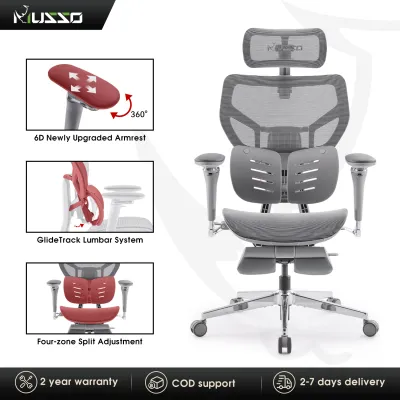
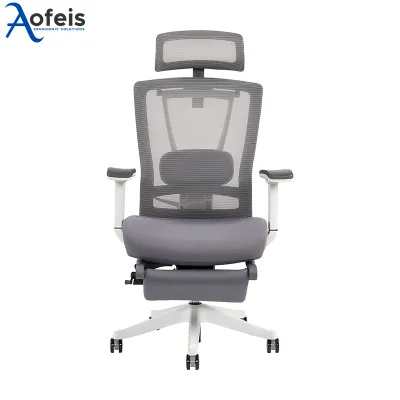
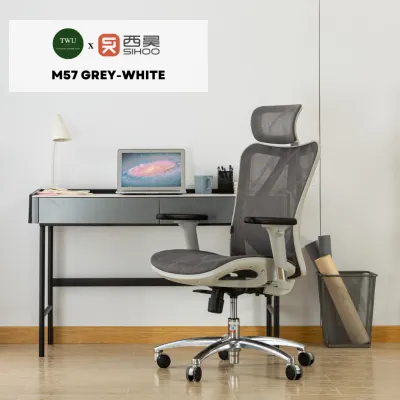
Prices are valid at publication and may change. Please refer to the product page for the latest price.
To ensure a chair fits your daily setup, start by measuring your desk’s height. Standard office desks in the Philippines typically stand at 73 to 76 centimeters tall. You must verify that the chair’s pneumatic cylinder can raise or lower the seat pan so your forearms rest comfortably on the desk surface without forcing your shoulders to shrug. If the chair seat cannot rise high enough, or if it cannot lower sufficiently for your feet to rest flat on the floor, you risk developing shoulder strain or lower back pain over extended working sessions.
Lumbar Support and Seat Dimensions
Lower back support is the foundation of spinal health during long sitting sessions. The Musso H80 Classic utilizes a dedicated lumbar support design, but you must verify whether the height and depth of this support can be adjusted to match the natural inward curve of your lumbar spine (specifically the L1 to L5 vertebrae). Some competing models in this price tier offer dynamic, auto-chasing lumbar systems that move with your body, while others rely on a simple fixed plastic frame behind the mesh. If the lumbar support sits too high or too low and cannot be adjusted, it will apply pressure to the wrong parts of your back, leading to muscle fatigue.
Seat pan dimensions are equally critical for preventing circulatory issues in your lower limbs. You should measure your hip width and the distance from the back of your buttocks to the inside of your knees. Compare these measurements directly to the chair’s specified seat width and depth. The seat pan must be wide enough to allow natural movement but shallow enough to leave a gap of approximately two to three fingers between the front edge of the seat and the back of your knees. Some premium entry-level chairs approaching the ₱10,000 limit feature a seat-depth slider, allowing you to adjust the seat pan horizontally; if a model lacks this feature, you must ensure the static seat depth matches your thigh length.
Armrests and Recline Mechanisms
Armrest adjustability directly influences the tension in your neck and shoulders. In this price bracket, you will typically encounter 1D (height-adjustable only), 2D (height and depth), or 3D (height, depth, and angle) armrests. You must verify the specific armrest classification of the model variant you are purchasing. If you frequently transition between typing, mouse usage, and casual reading, 2D or 3D armrests allow you to angle the pads inward to support your forearms during keyboard work, reducing the load on your trapezius muscles.
Additionally, the recline and tilt-lock mechanisms dictate how the chair responds to your body movement. A synchronized tilt mechanism—where the backrest reclines at a faster ratio than the seat pan—is highly desirable because it keeps your feet flat on the floor and maintains proper lumbar contact as you lean back. You must check the location and ease of use of the recline tension knob, which adjusts the resistance of the backrest. Furthermore, verify the number of tilt-lock positions available; some chairs only lock in the fully upright position, while others offer three or four distinct locking angles for resting.
Build Quality and Materials: Assessing Durability for Tropical Climates
Operating a home office in a tropical climate like the Philippines introduces specific environmental challenges that directly affect furniture longevity. High relative humidity and elevated ambient temperatures accelerate the degradation of certain materials. When comparing the Musso H80 Classic to its competitors, you must weigh the practical trade-offs between full-mesh upholstery and fabric-foam hybrids, while closely inspecting the structural components that bear your body weight.

Full-mesh chairs, such as the H80 Classic, offer exceptional airflow, preventing heat and moisture buildup against your back and thighs. This is particularly advantageous if you work in a non-airconditioned room or wish to minimize air conditioning usage. However, the durability of a mesh chair depends entirely on the quality and tension of the weave. You must check manufacturer specifications or user feedback to ensure the mesh is made of high-tensile polyester or elastomer blends that resist sagging over time. Low-quality mesh can stretch permanently within a year, causing your body to sink and make contact with the hard plastic frame underneath.
Conversely, fabric-foam hybrids provide a softer, more cushioned initial feel, which some users prefer for maximum pressure relief. The primary drawback in a humid climate is that open-cell polyurethane foam acts like a sponge, absorbing sweat, ambient moisture, and dust mites. Over time, this can lead to unpleasant odors, material flattening, and mold growth if the workspace is not consistently dehumidified. If you select a foam-seat competitor, verify that the foam is high-density (ideally molded foam rather than cut foam) and check the manufacturer’s care instructions for cleaning and moisture prevention.
Beyond upholstery, the structural integrity of the base and frame determines the chair’s safety and lifespan. Look for frames constructed from reinforced nylon or steel. Nylon bases should feature internal structural ribbing to prevent flexing under load. Most importantly, you must perform a critical safety check on the pneumatic gas lift cylinder. The cylinder is the most common point of failure in budget and mid-tier chairs. Ensure that the gas lift is Class 3 or Class 4 rated and bears recognized safety certifications—such as SGS, TÜV, or BIFMA marks—stamped directly into the metal cylinder casing. Do not rely solely on retail text descriptions; verify the physical stamp upon delivery.
Finally, examine the casters (wheels) provided with the chair. Most chairs in this price range use polyurethane (PU) or nylon casters. PU casters are softer and highly recommended if you have hard flooring, such as ceramic tiles, vinyl planks, or hardwood, as they glide quietly and minimize the risk of scratching the surface. Nylon casters are harder and better suited for carpeted areas, but they can be noisy and abrasive on hard floors. If the chair is used on an incompatible surface, consider purchasing a protective floor mat or swapping the casters to preserve both your floor and the chair’s stability.
Feature Set and Value: Comparing the H80 Classic to Tier Alternatives
To determine if the Musso H80 Classic represents the best value for your budget, it is helpful to organize your options into a structured comparison framework. This allows you to evaluate the precise trade-offs between competing models in the ₱5,000 to ₱10,000 price range. Manufacturers often sacrifice one feature to enhance another; for example, a chair might offer highly adjustable 3D armrests but use a cheaper nylon base, or it might feature a heavy-duty steel base but restrict the headrest to a fixed position.
Below is a comparison matrix designed to help you organize your verification checks when shopping across different brands and models in this tier:
| Comparison Dimension | Musso H80 Classic (Typical Specs) | Foam-Seat Competitors | Premium-Entry Competitors (Near ₱10K) |
|---|---|---|---|
| Upholstery Type | Full mesh (backrest and seat) | Mesh backrest with fabric-covered foam seat | High-elasticity mesh or premium fabric |
| Lumbar Support | Height-adjustable lumbar pad | Fixed lumbar curve or basic cushion | Dynamic auto-chasing lumbar system |
| Armrest Adjustability | 2D or 3D adjustable (model dependent) | 1D (height only) or fixed T-arms | 3D or 4D adjustable armrests |
| Tilt & Recline | Synchronized tilt with multi-angle lock | Simple tilt with upright lock only | Synchronized tilt with tension control and multi-lock |
| Gas Lift Class | Class 3 or Class 4 (verify stamp) | Class 3 (verify stamp) | Class 4 (certified BIFMA/SGS) |
| Base Material | Heavy-duty reinforced nylon | Chrome-plated steel or nylon | Die-cast aluminum alloy or heavy nylon |
| Typical Warranty | 1 to 3 years on parts (verify terms) | 1 year limited warranty | 3 to 5 years structural warranty |
When analyzing this matrix, consider how each configuration aligns with your daily habits. If you weigh close to the upper limit of a chair’s structural capacity (typically 100 to 120 kilograms in this price range), prioritizing a Class 4 gas lift and a metal or heavily reinforced nylon base is far more important than having 3D armrests. Conversely, if you sit for more than eight hours a day, the presence of a synchronized tilt mechanism and an adjustable headrest should take priority to prevent physical fatigue.
Be wary of aesthetic upgrades that do not contribute to physical support. Some chairs in this price range feature colorful plastic accents, RGB lighting, or gaming-inspired bucket seats. These design choices often divert manufacturing budget away from critical components like the tilt mechanism or the density of the seat cushion. In the ₱5,000 to ₱10,000 range, every peso should ideally go toward verifiable structural upgrades, certified gas lifts, and robust adjustability rather than visual styling.
Decision Framework: Which Chair Fits Your Workflow?
To finalize your purchasing decision, you must map the technical specifications of these chairs to your specific daily routine, physical dimensions, and workspace environment. No single chair is universally perfect; instead, select the model whose design trade-offs align with your primary needs.
Choose the Musso H80 Classic if:
- You prioritize maximum breathability: If your workspace is located in a warm room without continuous air conditioning, the full-mesh construction of the H80 Classic will keep you cool and dry by preventing heat retention.
- You require standard ergonomic adjustments: If you are of average height and build, the H80 Classic's adjustable lumbar pad, headrest, and multi-dimensional armrests provide sufficient customization to maintain a healthy posture.
- You want easy maintenance: Mesh surfaces do not absorb liquids or sweat, making them significantly easier to wipe down and keep clean compared to fabric-covered foam seats.
Choose a competing foam-seat alternative if:
- You prefer a highly cushioned feel: If you find the firm, suspended sensation of a mesh seat uncomfortable or pressure-inducing on your sit bones, a high-density molded foam seat provides more traditional, cushioned support.
- You work in a fully air-conditioned office: If temperature control is not an issue, the heat-retention drawback of foam is minimized, allowing you to enjoy the plush comfort of a fabric seat without sweating.
- You require a wider seating area: Foam seats often have less restrictive side frames than mesh seats, which must use a hard plastic border to keep the mesh under tension. This makes foam seats more accommodating for users who prefer to shift positions or sit with wider posture.
Choose a premium tier alternative (above ₱10,000) if:
- You need advanced adjustability: If you require a seat-depth slider, 4D armrests, or a dynamic lumbar tracking system that constantly adjusts to your spinal movement, you will need to expand your budget beyond the ₱10,000 threshold.
- You require an exceptionally high weight capacity: If you need a chair verified to support over 130 kilograms long-term, you should invest in premium models featuring die-cast aluminum bases, reinforced steel frames, and heavy-duty Class 4 cylinders.
- You want an extended structural warranty: Premium chairs often come with 5-to-12-year warranties covering both mechanical parts and mesh tension, providing greater long-term security for your investment.
Verify first if:
- You have a petite or very tall stature: If you fall outside the average height range (under 155 cm or over 185 cm), you must measure the chair's minimum and maximum seat height, as well as the headrest adjustment range, before checking out. A headrest that sits against your upper back rather than your neck can cause severe discomfort.
Pre-Purchase Checklist and Safe Assembly Tips
Before finalizing your purchase on any local ecommerce platform or at a physical furniture showroom, complete this practical preparation checklist to ensure a smooth delivery, setup, and assembly process.
Space and Clearance Verification
- Measure your doorways and corridors: Ensure the packaged box can fit through your front door, hallway, or elevator. Some fully assembled chairs or large boxes require significant clearance.
- Check under-desk clearance: Measure the height from the floor to the underside of your desk frame. Verify that the chair's armrests can slide under the desk when lowered, allowing you to push the chair in completely when not in use to save floor space.
- Assess floor space: Ensure your workspace has at least a 1-meter square area of flat, unobstructed floor space to allow the chair to glide and recline safely without striking walls or cables.
Seller and Warranty Verification
- Clarify the return policy: Check if the seller offers a comfort trial period or a return policy if the chair's physical dimensions do not fit your body. Keep all original packaging materials intact during the first week in case a return is necessary.
- Confirm warranty specifics: Do not accept a generic "1-year warranty" claim. Ask the seller for a written breakdown of what is covered. A reliable warranty should explicitly cover the gas lift cylinder, the tilt mechanism, and the structural base. Mesh sagging or fabric wear is often excluded, so clarify these terms beforehand.
Safe Assembly Guidelines
- Check the manufacturer's manual: Before beginning, locate the assembly guide and verify that all listed bolts, washers, and Allen keys are present in the packaging.
- Seat the gas lift correctly: When placing the pneumatic cylinder into the five-star base, ensure it is fully upright and seated securely. Do not apply heavy body weight or sit on the chair until the cylinder is properly aligned in the center hole.
- Tighten bolts in a star pattern: When attaching the seat plate mechanism to the underside of the seat pan, do not tighten each bolt fully one by one. Instead, thread all bolts loosely by hand, then tighten them gradually in a diagonal or star pattern. This ensures even pressure distribution, prevents cross-threading, and keeps the mechanism level.
- Test on a stable surface: Once assembled, place the chair on a flat, level floor. Sit down slowly and test the height adjustment, recline tension, and tilt-lock functions. If you hear unusual clicking or feel instability, check the manufacturer's troubleshooting guide and verify that all bolts under the seat pan are securely tightened.
Community discussion
Share your experience or ask a question. Comments are reviewed before publication.