
Selecting the ideal local hardwood for a bar counter table in the Philippines involves balancing daily durability, aesthetic appeal, and environmental resilience. While narra stands as a prestigious legacy option with rich reddish-brown tones, acacia offers incredible density and striking grain contrasts perfect for high-traffic spaces. Meanwhile, mango wood presents a highly sustainable, modern alternative with unique golden hues and diverse grain patterns. The right choice ultimately depends on where you place the table, how often it will face spills, and how you plan to maintain its protective finish over time.
Defining Your Bar Counter Table Needs
Before committing to a specific wood species, you must evaluate where your bar counter table will stand and how your household will interact with it daily. A table placed in an air-conditioned indoor dining area faces different environmental stressors than one situated on a semi-outdoor patio or near a large window. In tropical climates, rapid shifts in humidity and exposure to direct sunlight can cause natural wood to expand, contract, or fade if not properly finished.
Daily usage intensity is another critical factor to consider. Bar counters are natural gathering points where guests lean, place warm dishes, and occasionally spill drinks. If your household frequently hosts social gatherings, your table will need to withstand constant contact, moisture from condensation, and the physical impact of heavy bar stools.
Products mentioned in this guide

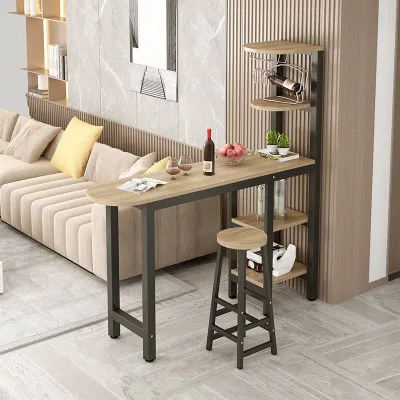
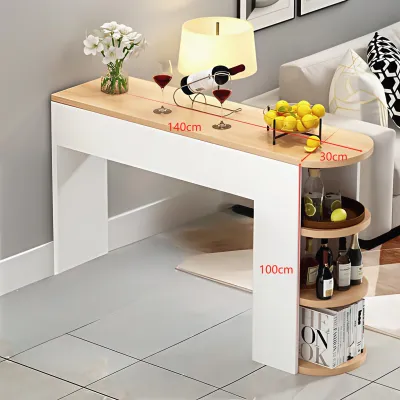
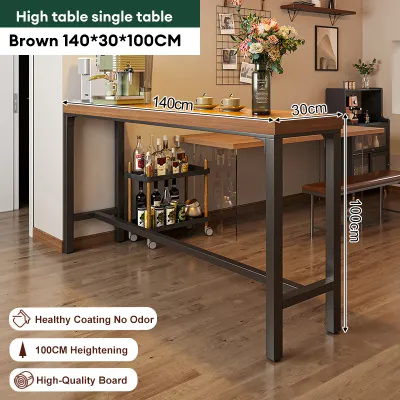
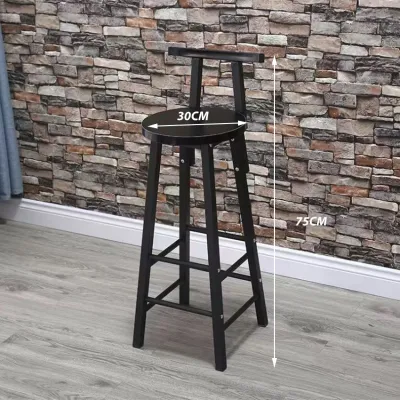
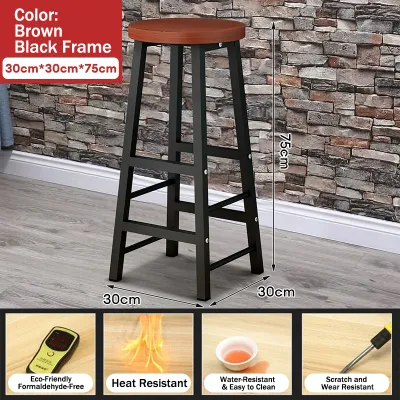
Prices are valid at publication and may change. Please refer to the product page for the latest price.
Finally, consider how the wood aligns with a Modern Filipino Style aesthetic. This design movement blends traditional warmth with clean, contemporary lines. The wood you select should not only serve as a durable work surface but also harmonize with modern metal accents, minimalist lighting, and local woven textures like rattan or solihiya.
Comparing Narra, Acacia, and Mango Wood Characteristics
Each of these three local woods brings a distinct personality, grain structure, and density to your living space. Understanding their natural characteristics helps you look past surface-level beauty to evaluate how the raw material will perform under daily use. By examining their visual and structural traits, you can make an informed decision that matches your home’s functional demands.

Narra Wood
Narra is widely celebrated for its prestigious heritage and striking visual appeal, making it a highly sought-after material for statement furniture. When inspecting a narra bar counter table, you will notice rich color variations ranging from pale yellow to deep reddish-brown, accompanied by intricate, interlocking grain patterns. These natural designs add an immediate sense of luxury and warmth to any modern living room.
Because raw narra is sensitive to moisture and temperature fluctuations, you must verify the type of surface sealant used by the manufacturer. Ask for specifications regarding water resistance to ensure the tabletop can handle cold drinks and accidental spills without staining.
Additionally, because narra is a protected species in the Philippines, ethical sourcing is paramount. Always check for official documentation, certificates of registration, or tags from the Department of Environment and Natural Resources (DENR) to confirm the wood was legally harvested or reclaimed.
Acacia Wood
Acacia wood is highly favored for heavy-use furniture due to its remarkable density and bold, contrasting grain lines. A typical acacia slab features dramatic color bands that transition from light sapwood cream to dark chocolate brown, creating a rustic yet sophisticated look. This high-contrast appearance pairs exceptionally well with industrial metal legs or sleek, modern minimalist stools.
When shopping, review the manufacturer’s specifications regarding weight capacity and structural density. Acacia is naturally heavy and robust, making it highly stable and resistant to tipping or wobbling when guests lean against the counter.
However, this extreme density means the wood is prone to internal tension. You must carefully inspect the edge banding, joints, and underside of the table. High-quality craftsmanship, including reinforced joints and proper kiln-drying, is essential to prevent the wood from splitting or warping in humid tropical conditions.
Mango Wood
Mango wood has gained immense popularity as an eco-friendly and highly versatile furniture material. Since mango trees are primarily grown for fruit, the timber is harvested only after the trees reach the end of their productive lifespan, making it an excellent sustainable choice. Visually, mango wood offers a unique palette of light golden-brown tones often streaked with gray, pink, or black mineral deposits.
Because mango wood is naturally softer and more porous than acacia or narra, its durability relies heavily on its protective finish. You should confirm that the manufacturer has applied a robust, water-resistant topcoat, such as a high-grade polyurethane, to seal the pores against spills and scratches.
Furthermore, always look for kiln-drying certifications or treatment labels on the product tag. Proper kiln-drying is crucial for mango wood to eliminate deep-seated moisture and protect the table from wood-boring insects and tropical mold.
Assessing Durability and Maintenance Requirements
The long-term beauty of your bar counter table depends heavily on how well it handles daily wear, humidity, and routine cleaning. While the natural hardness of the wood species plays a role, the applied finish is your primary line of defense against damage.
For daily maintenance, simple dusting with a dry microfiber cloth is usually sufficient for all three wood types. However, you must distinguish between basic cleaning and deep maintenance. Some finishes require periodic applications of specialized wood conditioners or natural oils to keep the timber hydrated, while polyurethane-coated surfaces should only be wiped with a damp cloth and mild soap.
Scratch and stain resistance are directly tied to the topcoat. A thick polyurethane or acrylic sealer provides a hard, impermeable barrier that resists water rings and minor scratches, making it ideal for high-traffic bar areas. In contrast, natural oil or wax finishes offer a more organic, matte texture but require immediate cleanup of spills to prevent permanent staining.
Regardless of the wood type, environmental control is vital in a tropical climate. Avoid placing your bar counter table directly under air conditioning vents or in the path of intense afternoon sunlight. Rapid temperature drops and localized dry air can cause the wood fibers to shrink unevenly, leading to hairline cracks along the grain.
Inspecting Quality and Construction Before Purchase
A beautiful tabletop is only as good as the construction supporting it. Before finalizing your purchase, whether visiting a local showroom or browsing an online furniture gallery, you should perform a physical quality check.
Start by testing the physical stability of the bar counter table. Gently shake the frame to check for any wobble, and closely examine the connection points where the wooden top meets the base. High-quality tables utilize sturdy metal brackets, mortise-and-tenon joints, or heavy-duty screws rather than simple nails or cheap adhesives.
Next, run your hands along the edges and inspect the underside of the tabletop. The bottom surface should be sanded smooth and sealed just like the top to prevent uneven moisture absorption. Look closely for any visible cracks, filler putty, or untreated raw spots that could compromise the wood’s integrity over time.
Finally, evaluate the overall value by comparing the price points in ₱ against the construction quality, finish durability, and manufacturer’s warranty. A cheaper table might save you money upfront, but a well-crafted piece with a robust protective coating and legal wood certification offers far better long-term value for your home.
Frequently Asked Questions (FAQ)
Can I use a mango wood bar counter table outdoors?
Mango wood is highly susceptible to moisture, humidity fluctuations, and pests, making it unsuitable for fully exposed outdoor areas. If you plan to place a mango wood table on a covered patio or semi-outdoor balcony, you must ensure it has been treated with an exterior-grade protective sealant. Check the manufacturer’s specifications for outdoor suitability and be prepared to apply a fresh coat of weather-resistant sealer annually to protect the wood from tropical humidity.
How do I fix minor scratches on an acacia wood surface?
Before attempting any repairs, consult the manufacturer’s care guide to identify the specific topcoat applied to your table. For minor, superficial scratches on a sealed surface, you can use manufacturer-approved touch-up markers or a mild polishing compound designed for wood furniture. Avoid aggressive sanding or using harsh chemical solvents, as these can strip away the protective polyurethane layer and expose the raw wood to moisture.
Is narra wood furniture still legally sold in the Philippines?
Yes, narra wood furniture can be legally sold and purchased in the Philippines, provided it comes from certified, sustainable sources. Because narra is a protected species, reputable manufacturers must obtain permits from the Department of Environment and Natural Resources (DENR) to harvest, transport, or sell narra products. Before buying, always ask the retailer for official proof of legal sourcing or environmental compliance to ensure your purchase is ethical and legally compliant.
Community discussion
Share your experience or ask a question. Comments are reviewed before publication.