
When designing a comfortable outdoor living space in the Philippines, choosing a rattan outdoor sofa set requires a careful balance between aesthetic appeal and practical durability. The local climate—characterized by intense tropical sun, high relative humidity, and heavy monsoon rains—places extreme stress on outdoor furniture. To make an investment that lasts, you must understand how natural and synthetic rattan perform under these demanding environmental conditions.
Synthetic rattan, particularly when made from High-Density Polyethylene (HDPE), is generally the most practical and durable choice for fully exposed outdoor areas in the Philippines. Engineered to resist moisture, UV rays, and temperature fluctuations, synthetic resin holds up exceptionally well on open decks, pool patios, and unshaded gardens. Natural rattan, while celebrated for its organic warmth and traditional craftsmanship, is highly sensitive to moisture and sun. It is best suited for fully covered, well-ventilated spaces such as lanais, covered verandas, or indoor-outdoor transition zones. Deciding between the two depends heavily on where you plan to place the furniture and how much time you are willing to dedicate to material-specific maintenance.
Material Basics: Natural Vine vs. Synthetic Resin
Natural rattan is an organic material harvested from climbing palms native to tropical regions. Unlike bamboo, which is hollow, rattan is a solid, fibrous vine. During manufacturing, the outer skin is often peeled to be used for weaving, while the solid inner core is steamed and bent into sturdy furniture frames. Because it is a natural, porous wood product, natural rattan inherently absorbs moisture from its surroundings. This organic structure gives the material its characteristic flexibility and warmth, but it also means the furniture requires protective surface finishes—such as specialized varnishes, lacquers, or sealants—to survive outdoors.
Products mentioned in this guide
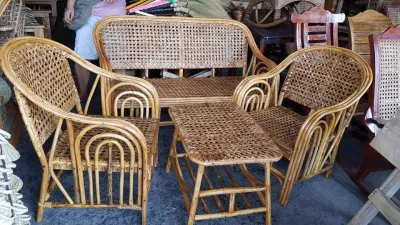
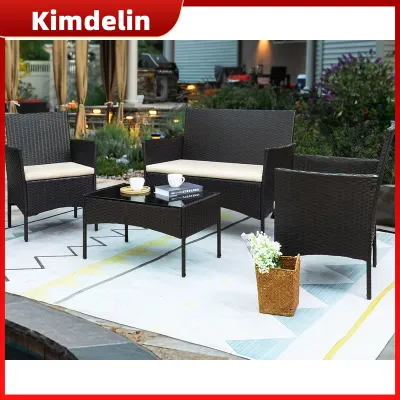
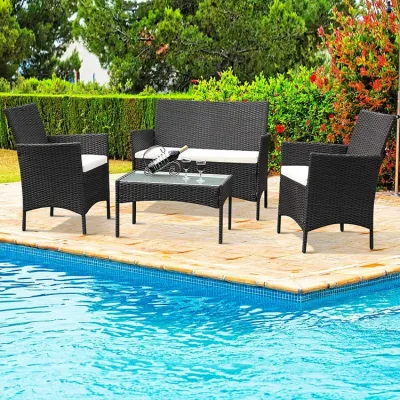
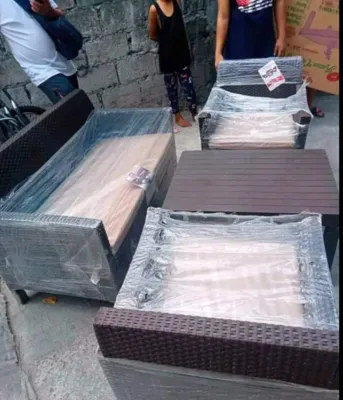
Prices are valid at publication and may change. Please refer to the product page for the latest price.
Synthetic rattan, often referred to as resin wicker or all-weather wicker, is a manufactured alternative designed to mimic the appearance of natural woven vines. It is created by extruding synthetic polymers into long, flexible strands. The quality of synthetic rattan varies significantly based on the type of plastic used. High-Density Polyethylene (HDPE) is the industry standard for premium outdoor furniture, as it is highly durable, recyclable, and resistant to chemical breakdown. Other common synthetics include Polyvinyl Chloride (PVC) and Polyurethane (PU), which are often used in budget-friendly furniture but tend to degrade much faster under environmental stress.
To verify what you are actually buying, you must look beyond generic marketing terms like “all-weather wicker.” Always check the product labels and technical specifications for the specific polymer type. If the material is listed simply as “plastic” or “wicker” without specifying HDPE, ask the retailer for clarification. You can also use visual and tactile cues to identify the material. Natural rattan exhibits organic imperfections, subtle color variations, visible growth nodes, and unique joint connections. High-quality synthetic rattan, while often textured to mimic natural grain, will have a more uniform color, consistent strand thickness, and seamless, heat-sealed joints.
Weather Impact: How Tropical Climates Affect Rattan
The Philippine climate presents two major environmental challenges: the wet season, marked by heavy monsoon rains (Habagat) and high humidity, and the dry season (Amihan), which brings intense, direct sunlight. Both materials react differently to these distinct weather patterns.

Humidity, Heavy Rain, and Moisture Retention
During the rainy season, outdoor furniture is frequently subjected to torrential downpours and prolonged periods of high humidity. Natural rattan is highly susceptible to water damage due to its porous cellular structure. When exposed to rain or high ambient moisture, the organic fibers absorb water, causing the wood to swell and soften. If the protective sealant on the natural rattan has worn thin or cracked, water can become trapped within the fibers. This trapped moisture creates an ideal breeding ground for mold, mildew, and wood-rotting fungi, which can structurally weaken the frame and cause the weave to unravel. To mitigate this, you must check the manufacturer’s water-resistance specifications and ensure the furniture design promotes rapid water runoff rather than allowing water to pool in the joints.
Synthetic rattan is completely non-porous and hydrophobic. Water cannot penetrate the surface of HDPE resin strands, meaning the weave will not absorb moisture, swell, or rot, even during consecutive days of heavy rain. Rainwater simply beads up and runs off the surface. However, the overall design of the sofa set must still allow for proper drainage. Water can still pool in the deep crevices of a tight weave or collect inside the underlying frame if drainage holes are absent. When shopping, inspect the underside of the sofa to ensure water can escape freely from the structure.
Intense Sun and UV Degradation
The dry summer months bring intense solar radiation that can rapidly degrade outdoor materials. Prolonged UV exposure acts as a bleaching agent on natural rattan, breaking down the organic pigments and causing the rich golden tones to fade into a dull gray. More importantly, the intense heat dries out the natural oils within the vine, making the fibers brittle and prone to splitting or cracking under weight. Even high-quality protective sealants will eventually degrade under constant tropical sun, requiring regular reapplication to keep the fibers hydrated and protected.
Synthetic rattan is also vulnerable to solar damage, particularly if it is made from low-grade plastics like PVC. Untreated polymers break down when exposed to UV light, causing the plastic strands to fade, become brittle, and eventually snap under minimal pressure. To ensure long-term durability, you must look for synthetic rattan sets that carry explicit “UV-resistant” or “UV-stabilized” labels. High-quality HDPE furniture is treated with UV inhibitors during the extrusion process, which protects the polymer chains from breaking down. Many premium manufacturers offer warranties specifically covering UV degradation and fading for several years, providing a reliable indicator of the material’s expected lifespan.
Beyond the Weave: Critical Durability Dimensions for Your Rattan Outdoor Sofa Set
When evaluating a rattan outdoor sofa set, the visible weaving material is only one part of the durability equation. The underlying frame, the quality of the weave construction, and the performance of the cushions are equally critical to the set’s overall lifespan.
Frame and Core Structure
The frame serves as the structural foundation of your sofa set. No matter how durable the outer weave is, the furniture will fail if the internal frame succumbs to the elements. For outdoor use in the Philippines, especially in coastal regions where salt-laden air accelerates corrosion, you should prioritize frames made from powder-coated aluminum or solid, high-grade teak. Aluminum is naturally rust-resistant and lightweight, making it easy to move, while powder coating adds an extra layer of protection against scratches and moisture. Solid teak contains natural oils that repel water and insects, making it an excellent, albeit heavier, structural choice.
You should avoid uncoated steel or wrought iron frames for fully exposed outdoor areas. In highly humid or rainy environments, even a tiny scratch in the paint can allow moisture to reach the raw metal, leading to rapid rust formation that structurally weakens the frame and leaves unsightly rust stains on your patio tiles. Before purchasing, verify the exact frame material and rust-prevention treatments in the product specifications. Additionally, consider the practical aspects of delivery and installation:
- Finished Dimensions: Measure your outdoor space carefully, leaving at least 75 to 90 centimeters of clearance for walkways.
- Access Points: Ensure the sofa dimensions can clear your doorway, hallway turns, and condominium service elevators.
- Load Capacity and Stability: Check the manufacturer's specified weight limits per seat to ensure structural safety.
- Anchoring: If you live in a high-wind area, such as a high-rise condominium balcony or a coastal property, verify if the frame is heavy enough or has anchoring points to prevent it from tipping over during strong winds.
Weave Material and Surface Treatment
The structural integrity of the woven layer depends heavily on how the material is treated and applied. Natural rattan requires a robust, flexible surface coating—such as marine-grade varnish or exterior-grade polyurethane—to seal the porous fibers from the elements. This coating must be inspected regularly, particularly at high-friction areas like the armrests and seat edges, where physical wear can rub the finish away.
For synthetic rattan, durability is determined by the physical characteristics of the extruded strands. You should check the thickness, density, and tensile strength of the weave. Low-quality synthetic sets often use thin, flat, ribbon-like plastic strands that stretch, sag, and eventually tear under regular use. Premium sets utilize thick, round, or half-round HDPE strands that are through-colored (meaning the color runs entirely through the strand, not just on the surface). These robust strands maintain their tension and shape over years of use, resisting sagging even when exposed to daily weight and heat.
Cushion and Fabric Weather Resistance
The cushions of your outdoor sofa set are often the first components to show signs of wear, fading, or mold. Standard indoor fabrics and cheap foam cores will quickly deteriorate when exposed to tropical humidity and rain. To ensure your cushions last as long as your rattan frame, look for high-performance outdoor fabrics, such as solution-dyed acrylics. In solution-dyed textiles, the color pigments are mixed into the polymer melt before the fibers are spun, resulting in outstanding UV resistance and colorfastness.
The interior cushion foam must also be designed for outdoor conditions. Standard polyurethane foam acts like a sponge, trapping water inside and leading to mold, mildew, and unpleasant odors. Instead, specify quick-dry foam or reticulated foam, which features an open-cell structure that allows water to drain through rapidly. Zippered, removable, and washable cushion covers are also essential for easy cleaning. Regardless of the frame material, you should store your cushions indoors, in a dry garage, or in a sealed, waterproof deck box during heavy monsoon rains or typhoons to protect them from extreme water saturation.
Realistic Maintenance: What to Expect Long-Term
Understanding the long-term upkeep required for each material will help you assess the true cost of ownership and the effort needed to keep your sofa set looking its best.
For Natural Rattan
Natural rattan requires a proactive, gentle maintenance routine to preserve its organic beauty and structural strength.
- Regular Cleaning: Dust the furniture weekly with a soft-bristled brush or use a vacuum cleaner with a brush attachment to remove dust, pollen, and debris from the intricate weave. Wipe the surface gently with a slightly damp microfiber cloth.
- Avoid Harsh Chemicals: Never use bleach, ammonia, abrasive scrubbing pads, or high-pressure washers, as these can strip the protective varnish and damage the wood fibers.
- Moisture Control: Wipe away any spilled liquids immediately. Ensure the feet of the sofa are not sitting in pooling water on your patio; use protective rubber cups or glides to keep the wood elevated.
- Periodic Refinishing: Depending on the level of sun and moisture exposure, natural rattan typically requires annual re-varnishing or the application of protective oils/sealants to maintain its weather-resistant barrier.
For Synthetic Rattan
Synthetic rattan is highly favored for its low-maintenance requirements, making it ideal for busy households or commercial outdoor spaces.
- Simple Cleaning: Wash the furniture periodically by spraying it down with a garden hose on a low-pressure setting to remove dust, dirt, and salt residue. For deeper cleaning, wipe the weave with a soft cloth or sponge dipped in a solution of mild dishwashing soap and warm water.
- Stain Removal: For stubborn dirt, use a soft-bristled nylon brush to gently scrub between the woven strands. Avoid using wire brushes or abrasive cleaners that could scratch the plastic surface.
- Routine Inspection: Periodically check the weave for any loose ends or unraveled strands. If a strand comes loose, it can usually be tucked back into the pattern or secured using a small amount of specialized outdoor adhesive, as recommended by the manufacturer.
Safety and Verification Boundary
Before applying any cleaning agents, sealants, varnishes, or protective oils to your outdoor furniture, always consult the specific care manual provided by the manufacturer. Applying the wrong chemical treatment can permanently damage the factory finish, trap moisture inside natural fibers, chemically degrade synthetic resin, or void your product warranty. If the care instructions are missing, unclear, or if you are unsure of the material composition, contact the seller or manufacturer directly for professional guidance before proceeding with any maintenance work.
Final Decision: Which Sofa Set Fits Your Space?
To make your final decision, evaluate your specific outdoor environment, lifestyle, and willingness to maintain the furniture against this clear decision framework.
Choose Synthetic Rattan if:
- Fully Exposed Placement: Your sofa set will be placed on an open deck, a poolside patio, or an unshaded garden where it will face direct tropical sun and heavy rain.
- Low-Maintenance Preference: You want a highly durable, "set-and-forget" furniture piece that requires only occasional washing with a hose and mild soap.
- Coastal or High-Humidity Locations: You live near the sea or in an area with constant high humidity, where mold, mildew, and rust are persistent threats.
- High-Traffic Use: The sofa will be used frequently in an active outdoor setting where spills, wet swimwear, and heavy physical wear are common.
Choose Natural Rattan if:
- Covered and Ventilated Placement: Your sofa set will be kept in a fully covered, well-ventilated space, such as a deep lanai, a covered veranda, or a screened-in porch that is protected from direct rain and midday sun.
- Aesthetic and Craftsmanship Priority: You highly value the authentic warmth, unique organic variations, and traditional hand-woven artistry of natural vine.
- Commitment to Maintenance: You are willing to perform regular dusting, monitor moisture levels, protect the furniture from pooling water, and apply fresh protective sealants or varnishes every year.
Verify First if:
- Incomplete Specifications: The product listing or showroom display lacks clear, verifiable technical details regarding the frame material (e.g., whether it is powder-coated aluminum or untreated steel) or the synthetic polymer type (HDPE vs. low-grade PVC).
- Unclear Protective Coatings: The retailer cannot confirm what type of protective sealant has been applied to a natural rattan set, or whether a synthetic set carries a certified UV-stabilization rating.
In these situations, always contact the seller to request detailed material specifications before purchasing. Investing in a set with transparent, high-quality material data is the best way to ensure your outdoor furniture survives the demanding tropical climate of the Philippines.
Community discussion
Share your experience or ask a question. Comments are reviewed before publication.