
Choosing the perfect outdoor rattan sofa set for your home in the Philippines requires balancing beautiful tropical aesthetics with the harsh realities of local weather. Between the intense heat of the dry season and the torrential downpours of the monsoon months, your patio furniture faces some of the most demanding environmental conditions in the world.
Synthetic high-density polyethylene (HDPE) rattan is the most practical and durable choice for fully exposed outdoor areas like open decks, lawns, and poolside patios because of its superior moisture and UV resistance. Natural rattan, while celebrated for its organic warmth and cultural heritage, is highly porous and should be reserved strictly for covered, well-ventilated spaces such as verandas, lanais, or indoor-outdoor transitional zones where it is shielded from direct rain and intense sunlight.
Material Basics: Natural vs. Synthetic Rattan Explained
Understanding the structural differences between natural and synthetic rattan is essential before making an investment. Natural rattan is a sustainable, organic material harvested from the solid, fibrous vines of climbing palms native to tropical regions. Because it is a natural plant material, it features a porous cellular structure that naturally breathes, absorbs moisture, and relies on natural plant oils to maintain its structural flexibility. If these oils dry out or if the material is saturated with water, the fibers can split, warp, or crack.
Products mentioned in this guide
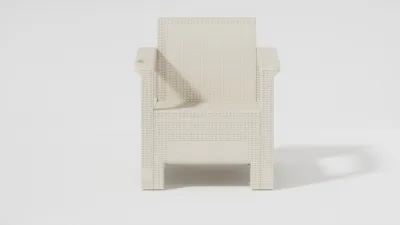
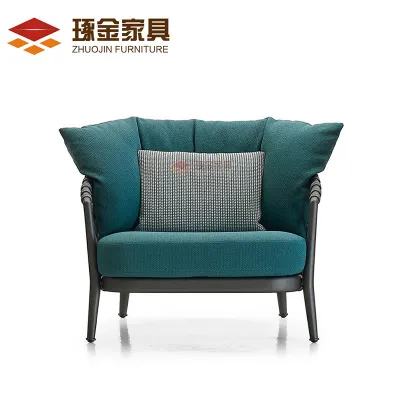
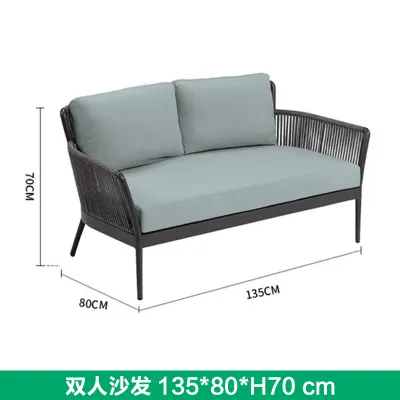
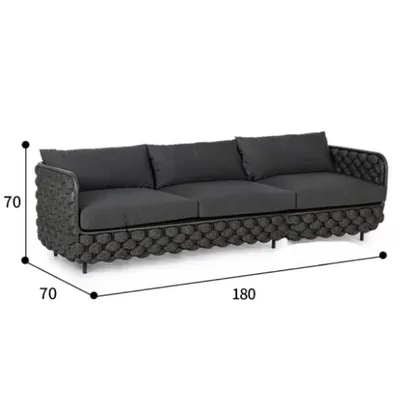
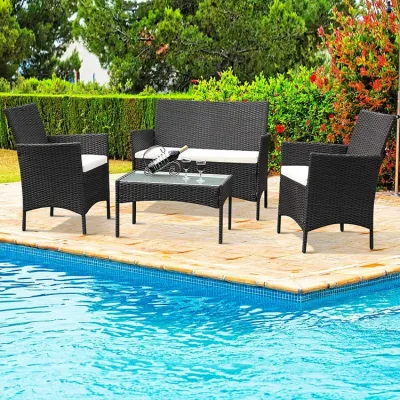
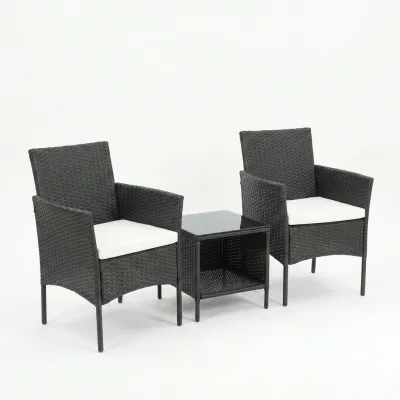
Prices are valid at publication and may change. Please refer to the product page for the latest price.
Synthetic rattan, often referred to as resin wicker, consists of manufactured polymer strands extruded to mimic the look and texture of natural vines. However, not all synthetic rattan is created equal. The market generally features two main types of plastics: Polyethylene (PE or HDPE) and Polyvinyl Chloride (PVC). High-density polyethylene is a premium, non-toxic polymer engineered to withstand extreme temperature fluctuations and heavy wear without degrading. In contrast, PVC is a cheaper, more brittle plastic that lacks flexibility and tends to crack, peel, and fade within one or two seasons under intense tropical heat. When shopping, always check the product specifications and tags specifically for “PE rattan” or “HDPE” to ensure long-term performance.
Weather Resistance: Handling the Philippine Climate
The Philippine climate presents a unique set of environmental stressors, characterized by high ambient temperatures, relentless ultraviolet radiation, and extreme relative humidity that often exceeds 80% during the rainy season. These factors can rapidly degrade sub-standard outdoor furniture, making weather resistance the most critical factor in your decision.

Sun and UV Exposure
Under the intense tropical sun, UV radiation acts as a constant catalyst for material degradation. Natural rattan is highly vulnerable to prolonged solar exposure; without a protective UV-resistant lacquer, the fibers quickly dry out, lose their natural elasticity, fade to a dull gray, and eventually splinter under weight.
Synthetic PE rattan is formulated with UV stabilizers blended directly into the polymer matrix during manufacturing, allowing it to retain its color and flexibility even when exposed to direct sunlight. However, because quality varies significantly across different price points, you should always verify the manufacturer’s UV-resistance specifications or look for explicit warranties against sun fading. Low-quality synthetic alternatives that lack these stabilizers will still become brittle and crack over time.
Heavy Rain and High Humidity
Moisture is the primary threat to any organic outdoor furniture. During the Habagat (southwest monsoon) season, heavy rains and high humidity create a persistent damp environment. Natural rattan readily absorbs this airborne moisture, causing the fibers to swell, warp, and loosen at the structural joints. This retained moisture also creates an ideal breeding ground for mold, mildew, and wood-boring insects.
Synthetic PE rattan is completely non-porous and waterproof, allowing rainwater to bead up and run off the surface without soaking into the material. To maximize this benefit, inspect the weaving tightness of the sofa set; a tight, uniform weave prevents water from pooling in the gaps. Additionally, ensure that the underlying frame supporting the synthetic weave is constructed from a rust-proof metal to withstand the humid air, especially if you live in coastal provinces where salty sea air accelerates corrosion.
Durability, Maintenance, and Outdoor Lifespan
Your willingness to perform regular maintenance should heavily dictate which material you choose for your outdoor rattan sofa set. Natural rattan demands a high-touch care routine to preserve its integrity. It requires weekly dusting with a soft brush, immediate spot-cleaning of any spills with a slightly damp cloth, and the annual application of a fresh coat of marine-grade varnish or specialized wood sealant to protect the pores. During the peak of the rainy season or during typhoons, natural rattan must be moved indoors or wrapped securely in heavy-duty, breathable waterproof covers.
Synthetic PE rattan, by contrast, is exceptionally low-maintenance. It can be cleaned easily by hosing it down with fresh water, scrubbing gently with a soft-bristled brush and a mild dish soap solution to remove dust or pollen, and letting it air-dry in the shade. It does not require annual sealing, oiling, or specialized chemical treatments to maintain its weather resistance.
Regardless of which weave you choose, the lifespan of your outdoor sofa set is ultimately determined by its structural frame. A beautifully woven exterior will collapse if the inner frame rusts away. Standard steel frames, even when painted, are highly susceptible to internal rust when exposed to humid air. For true outdoor durability, verify that the frame is constructed from powder-coated aluminum or hot-dip galvanized steel. Aluminum is lightweight, naturally rust-resistant, and easy to rearrange on your patio, making it the ideal choice for high-humidity and coastal environments.
Aesthetics and Comfort: Achieving a Modern Filipino Style
The Modern Filipino design movement celebrates local craftsmanship, organic textures, and open-air living. Natural rattan is deeply rooted in this aesthetic, offering an authentic, warm, and highly varied texture that synthetic alternatives struggle to replicate perfectly. Each natural strand has unique color variations, natural knuckles, and grain patterns that bring an organic, handcrafted soul to a covered lanai or transitional living room.
Synthetic rattan has evolved significantly, with high-end HDPE options featuring textured, multi-tonal finishes that mimic natural fibers remarkably well. It offers clean, uniform lines and a wide range of contemporary colors—such as charcoal gray, warm bronze, and minimalist cream—that complement modern, clean-lined architectural styles.
Because both natural and synthetic rattan are firm materials, comfort depends heavily on the cushion configuration. In the humid Philippine climate, standard indoor cushions will quickly mildew and smell musty. Look for outdoor rattan sofa sets equipped with high-density, quick-dry foam cushions wrapped in water-resistant, UV-resistant fabrics. Ensure the cushion covers feature heavy-duty zippers so they can be easily removed and washed to maintain a fresh, clean outdoor living space.
Buying Checklist: What to Verify Before Purchasing
Before finalizing your purchase—whether you are browsing local showrooms or shopping online—use this verification checklist to ensure your outdoor rattan sofa set is built to last:
- Verify the Material Composition: Look specifically for "High-Density Polyethylene (HDPE)" or "PE rattan" in the product specifications. Avoid products labeled generically as "plastic wicker" or "PVC," as these will degrade rapidly in the sun.
- Check the Frame Material and Joint Construction: Ask the retailer to confirm the frame material. Prioritize powder-coated aluminum for maximum rust resistance. Inspect the weld points and joints; they should be smooth, fully welded, and free of visible rust or exposed metal.
- Assess the Weave Tightness and Finish: Feel the weave with your hands. It should feel taut, firm, and springy, not saggy or loose. Ensure there are no loose ends sticking out, which can snag clothing or unravel over time.
- Measure for Space and Access: Ensure the sofa set fits your outdoor space comfortably, leaving at least 60 to 90 centimeters of clearance for walking paths. Check your doorway, hallway, and elevator dimensions to guarantee the delivery team can safely transport the furniture to your patio or balcony.
- Review the Warranty and Care Manual: Read the manufacturer's warranty carefully. Look for specific coverage regarding UV fading, frame structural integrity, and rust. A reliable outdoor set should offer at least a 2-to-5-year warranty on the PE weave and frame.
Frequently Asked Questions (FAQ)
Can I leave natural rattan furniture outside if it is under a roof?
While a roof protects natural rattan from direct rainfall and harsh midday sun, it does not shield it from the high ambient humidity of the Philippines. During the monsoon season, damp air can still penetrate the porous fibers, leading to mold growth and structural softening. If you keep natural rattan on a covered patio or lanai, ensure the area has excellent cross-ventilation, wipe down the furniture regularly, and consider moving it entirely indoors during prolonged periods of heavy rain.
How do I clean mold off my outdoor rattan sofa?
For synthetic PE rattan, mix a few drops of mild dish soap with warm water, gently scrub the affected areas with a soft-bristled brush, rinse thoroughly with a hose, and wipe dry with a clean towel. For natural rattan, always check the manufacturer’s care label first. If allowed, use a soft cloth lightly dampened with a highly diluted mixture of mild soap and warm water—never soak or hose down natural rattan. Wipe down the mold spots, use a dry microfiber cloth to absorb any excess moisture, and let the piece dry completely in a well-ventilated, shaded outdoor area.
Community discussion
Share your experience or ask a question. Comments are reviewed before publication.