
Quick Answer: Which No-Drill Method Fits Your Bedside?
Finding the right bedside storage system without drilling holes is essential for maximizing space in compact homes, especially in high-density condominium units across the Philippines. There is no single “best” no-drill method for every bedroom. The ideal choice depends entirely on your bed frame material, the texture of your wall surface, and the weight of the items you need to keep within arm’s reach.
Before purchasing any organizers, you must identify your primary storage needs and evaluate your existing setup. Adhesive hooks are highly versatile for smooth, non-porous surfaces and lightweight essentials. Magnetic holders offer excellent repositionable utility but require a ferromagnetic metal bed frame or wall panel. Tension rods provide a highly stable, heavy-duty solution for bridging structural gaps or spanning across sturdy wooden frames to support hanging organizers.
Verifying the exact material composition of your bed frame and wall before buying any no-drill solution is the most critical step to prevent product failure. Selecting a system that matches your physical environment ensures your phone, glasses, and books remain secure throughout the night without damaging your home’s finishes.
Products mentioned in this guide
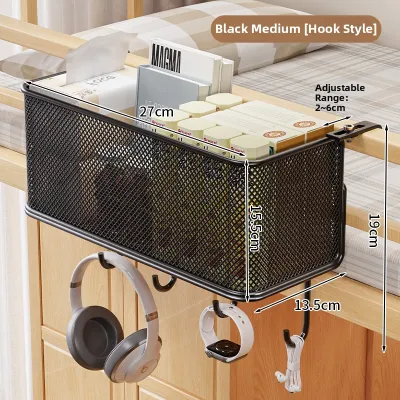
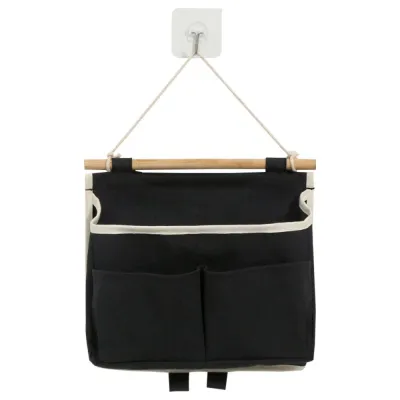
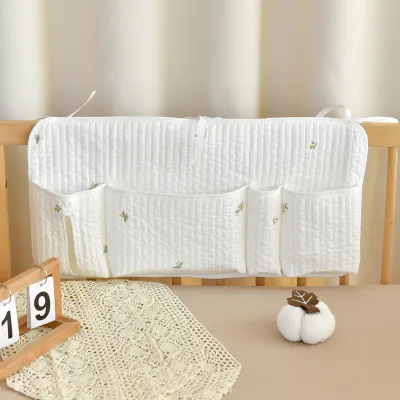
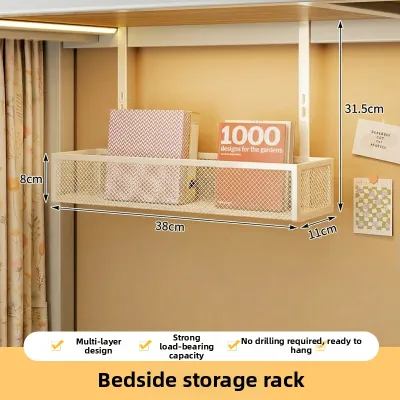
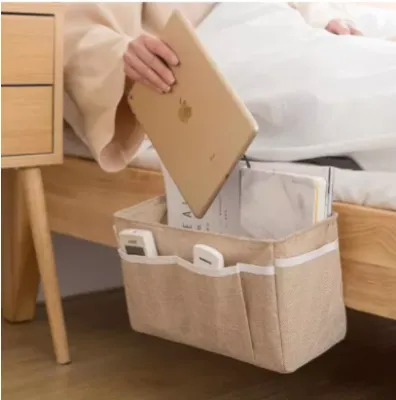
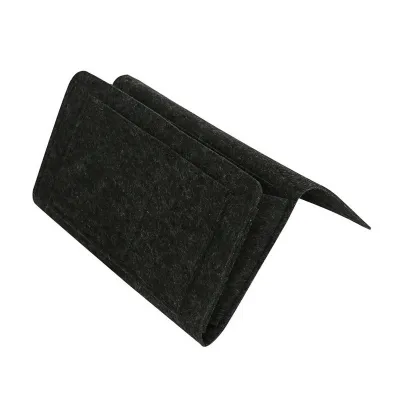
Prices are valid at publication and may change. Please refer to the product page for the latest price.
Comparing Bedside Storage Methods: Weight, Surfaces, and Item Types
To help you decide which system fits your space, it is useful to evaluate how these three methods compare across key structural dimensions. Each option serves a distinct purpose and carries specific installation requirements.

| Storage Method | Surface Compatibility | Relative Weight Capacity | Ideal Item Types |
|---|---|---|---|
| Adhesive Hooks | Smooth, non-porous surfaces (finished wood, glass, tile, smooth laminate) | Lightweight (under 1 kg to 2 kg depending on adhesive quality) | Charging cables, sleep masks, lightweight reading glasses, small fabric pouches |
| Magnetic Holders | Ferromagnetic metals only (steel, iron frames) | Medium (highly dependent on magnet grade and metal thickness) | Smartphones, metal mesh baskets, remote controls, magnetic cable organizers |
| Tension Rods | Parallel, solid structural boundaries (walls, sturdy wooden frame gaps) | Heavy/Bulky (best for distributed loads on hanging organizers) | Books, tablets, heavy water bottles, multi-pocket fabric organizers |
Every no-drill method involves distinct trade-offs that impact long-term usability. Adhesive hooks offer the widest surface compatibility, but they carry a high risk of paint damage or tearing drywall paper during removal. They can also fail prematurely when subjected to high humidity.
Magnetic holders are incredibly easy to reposition and leave absolutely zero residue behind, but they are completely non-functional on wood, aluminum, brass, or upholstered headboards.
Tension rods provide the highest overall weight capacity and do not rely on chemical bonds or magnetic fields, but they require highly specific spatial gaps and rigid, parallel anchor points to function safely.
Always check the manufacturer’s packaging for specific weight ratings before installation. These ratings are calibrated under ideal laboratory conditions, so choosing a method with a capacity that exceeds your actual storage load is always the safest approach.
Adhesive Hooks: Best for Light Items and Smooth Surfaces
Adhesive hooks are a highly accessible option for adding immediate bedside storage. Their performance depends almost entirely on the quality of the adhesive bond and the characteristics of the mounting surface.
Surface Requirements and Limitations
To achieve a secure bond, adhesive hooks require clean, completely smooth, and non-porous surfaces. Finished wood, glass, ceramic tile, and high-pressure laminates are ideal substrates.
These hooks will fail rapidly on textured plaster, bare concrete, fabric-covered headboards, or walls with peeling paint. The adhesive cannot penetrate textured surfaces deeply enough to create a complete seal, leading to sudden shear failure under minimal weight loads.
Recommended Bedside Items
Because adhesive hooks are best suited for lighter items, they should be used to support daily essentials that do not pose a safety hazard if dropped. Excellent candidate items include:
- USB charging cables and lightweight wire managers
- Fabric sleep masks and soft earplug cases
- Lightweight reading glasses or blue-light blocking spectacles
- Small, empty fabric pouches designed to hold small accessories
Environmental Factors in Tropical Climates
In tropical environments like the Philippines, high relative humidity and elevated indoor temperatures can degrade adhesive polymers over time. Standard adhesives can soften or lose their tackiness when exposed to seasonal humidity shifts, especially in rooms without continuous air conditioning.
To mitigate this risk, look for humidity-resistant or outdoor-rated adhesive strips, and perform periodic physical checks to ensure the hook is not sliding down the wall.
Damage Risks and Rental Considerations
While advertised as damage-free, strong adhesive hooks can easily tear drywall paper, pull off plaster skim coats, or strip latex paint during removal if not detached correctly. For renters facing strict lease agreements and security deposit penalties, this risk requires careful management.
Always follow the manufacturer’s exact removal instructions, which typically involve pulling the adhesive tab straight down parallel to the wall rather than pulling the hook outward.
Magnetic Holders: Ideal for Metal Bed Frames
Magnetic holders leverage magnetic flux to create a secure, completely clean storage attachment. They are highly favored for their clean aesthetic and instant repositioning capabilities.
The Ferromagnetic Constraint
Magnetic organizers only adhere to ferromagnetic metals, such as carbon steel and iron. They will not stick to non-magnetic metals like aluminum, copper, or brass, nor will they work on wood, plastic, or upholstered headboards.
Before purchasing magnetic shelves or hooks, test your bed frame with a standard kitchen refrigerator magnet. If the test magnet does not snap tightly to the frame, a magnetic storage system will not work without installing an adhesive-backed steel baseplate first.
Weight Capacity Variables
The holding power of a magnetic bedside organizer depends on two primary factors: the type of magnet used and the thickness of the receiving metal frame.
- Neodymium Magnets: These rare-earth magnets offer exceptionally high magnetic pull relative to their size, making them ideal for holding heavier items like tablets.
- Ferrite Magnets: Standard ceramic or ferrite magnets are more economical but have a much lower flux density, meaning they require a larger contact area to support equivalent weight.
- Metal Thickness: Thin sheet metal or hollow steel tubes with thin walls will limit the magnetic circuit, reducing the overall holding force compared to thick, solid steel plates.
Recommended Bedside Items
When paired with a compatible steel frame, magnetic storage is ideal for medium-weight electronics and accessories. Useful applications include:
- Smartphones and small e-readers placed in magnetic cradles
- Small steel mesh baskets for holding television or air conditioner remote controls
- Magnetic silicone cable clips that keep charging ends from falling to the floor
- Lightweight metal containers for holding pens, medication, or lip balm
Managing the Risk of Sliding
On highly polished or powder-coated metal bed frames, magnetic holders are susceptible to sliding downward under vertical loads, even if the magnet does not detach from the surface. This sliding occurs because the coefficient of friction between smooth metal surfaces is very low.
To prevent sliding, choose magnetic holders equipped with rubberized or high-friction silicone backing pads, which increase lateral resistance and protect your bed frame’s paint finish from scratches.
Tension Rods: The Heavy-Duty Gap Filler
Tension rods offer a mechanical approach to bedside storage, relying on physical force rather than chemical adhesives or magnetic fields. This makes them highly reliable when installed correctly.
Mechanical Operation and Force Distribution
Tension rods operate via an internal spring mechanism or a threaded screw-expansion system. By turning the rod, you extend its length, compressing the internal spring or threading the rod outward against two opposing, parallel surfaces.
This outward expansion creates high lateral pressure, generating the static friction needed to hold the rod and its suspended loads in place without slipping.
Recommended Bedside Items
Because tension rods distribute weight across a structural span, they can support heavier and bulkier bedside items than typical adhesive hooks. They are highly effective for holding:
- Hanging fabric organizers featuring multiple pockets for books, tablets, and water bottles
- Small, lightweight privacy curtains to block out light in shared rooms or studio apartments
- S-hooks holding wire storage baskets for reading materials or electronics
- Lightweight clip-on reading lamps
Spatial and Structural Requirements
To install a tension rod safely, you must have two parallel, rigid, and stable surfaces to act as anchor points. Common configurations include placing the rod within the vertical slats of a wooden headboard, between a heavy bed frame and an adjacent concrete wall, or inside a recessed alcove next to the bed.
If the gap is wider than the rod’s maximum recommended extension, the internal spring will not maintain sufficient force, leading to structural collapse. Furthermore, slanted, uneven, or flexible surfaces (such as thin drywall panels without studs) can bow under pressure, causing the rod to lose tension.
Safety and Maintenance Checks
Physical vibrations, such as tossing and turning in bed or accidentally bumping the headboard, can cause a tension rod to shift slightly over time. As the rubber end caps slide or compress, the overall tension decreases.
To prevent the rod from falling on you while you sleep, perform a quick manual shake test every few months to verify that the rod remains tightly wedged between its anchor points. Adjust and retighten the mechanism immediately if you detect any play or movement.
The Decision Framework: Matching Your Bed and Items to the Right Method
Selecting the right bedside storage method requires matching your physical bedroom environment with your specific organizational goals. Use the following decision framework to identify the correct purchase for your space.
Choose Adhesive Hooks if:
- Your bed frame is made of finished wood, smooth laminate, or sealed plastic, or you plan to mount the organizer directly onto a smooth, painted concrete or drywall surface.
- You only need to hang lightweight daily essentials, such as a sleep mask, a single pair of glasses, or charging cables.
- You are comfortable with the minor risk of paint damage during eventual removal, or you are prepared to use specialized heat-removal techniques (like a hair dryer) to soften the adhesive bond safely.
Choose Magnetic Holders if:
- Your bed frame is constructed from a magnetic metal like steel or iron.
- You want a highly flexible storage system that can be shifted, adjusted, or completely removed instantly without leaving sticky residue or damaging paint.
- You want to store medium-weight items like smartphones, remotes, or metal storage cups.
Choose Tension Rods if:
- You have a clear, functional gap between your bed frame and a solid wall, or your bed features a sturdy wooden headboard with parallel vertical posts or slats.
- You want to hang a comprehensive fabric pocket organizer to store heavier items such as thick books, tablet computers, or water bottles.
- You want a purely mechanical storage system that avoids adhesives and magnets entirely.
Verify First if:
- You are uncertain of your bed frame's metal type; always perform a quick test with a standard refrigerator magnet before purchasing magnetic accessories.
- Your wall paint is already bubbling, cracking, or peeling; applying adhesive hooks to compromised paint will result in immediate failure and further surface damage.
- You plan to store fragile, heavy, or sharp objects; no-drill storage methods should never be used for items that could cause injury or property damage if they fall.
Installation and Safety Checks for No-Drill Bedside Storage
To ensure your chosen no-drill bedside storage method remains secure and performs reliably over time, follow these essential installation and maintenance steps.
Surface Preparation Steps
Proper surface preparation is critical for both adhesive hooks and magnetic holders. Before installation, clean the target area thoroughly using a lint-free cloth moistened with isopropyl alcohol to remove dust, body oils, and manufacturing residues.
Allow the surface to dry completely before applying the adhesive strip or mounting the magnet. Avoid using household glass cleaners or multi-purpose sprays, as they often leave behind thin chemical films that prevent adhesives from bonding correctly.
Weight Verification and Load Management
Never exceed the manufacturer’s stated weight capacity printed on the product packaging. When calculating the total weight of your storage setup, you must factor in the weight of the storage container, basket, or hanging fabric pocket itself, not just the items you place inside it.
If a pocket organizer weighs 300 grams empty and is rated for a maximum load of 1.5 kilograms, the items stored inside must not exceed 1.2 kilograms.
Safety Boundaries for Sleeping Areas
Always prioritize personal safety when positioning your bedside storage. Strongly avoid using any no-drill storage method to suspend heavy, fragile, or sharp objects directly above your head, face, or body.
Items such as glass water bottles, heavy tablet devices, ceramic mugs, or metal tools should be stored lower down or offset to the side of the bed. If a hook or tension rod fails during the night, these items can cause serious injury if they fall directly onto a sleeping person.
Long-Term Maintenance Routine
No-drill storage solutions are not permanent fixtures and require periodic inspection. Establish a routine to check the physical integrity of your storage setup every three to six months.
For adhesive hooks, gently press on the hook body to check for shifting, peeling edges, or sliding, especially after periods of high seasonal humidity. For magnetic holders, check for dust buildup behind the rubber backing that could reduce friction. For tension rods, give the rod a firm downward tug to confirm it remains locked in place, retightening the internal expansion screw as needed to maintain a safe, secure hold.
Community discussion
Share your experience or ask a question. Comments are reviewed before publication.