
Living in a compact condominium in urban centers like Metro Manila, Metro Cebu, or Davao offers unparalleled convenience, but it also presents a distinct spatial challenge. With limited floor area, traditional bulky furniture can quickly make a room feel cramped and cluttered. Utilizing vertical space is the most effective way to maintain a clean, organized living environment, and installing a floating side table is an excellent method to keep your daily essentials within arm’s reach without sacrificing precious floor space.
However, for renters, modifying walls is rarely a straightforward task. Most condominium leasing contracts in the Philippines contain strict clauses prohibiting tenants from drilling holes into concrete walls or drywall partitions, with steep penalties deducted from security deposits upon move-out. Fortunately, modern furniture design and advanced adhesive technologies have made it entirely possible to install a functional, stylish floating side table without picking up a drill. By understanding the mechanical principles, weight capacities, and installation requirements of various no-drill mounting methods, you can confidently upgrade your condo’s storage while keeping your security deposit fully intact.
How to Choose the Right No-Drill Mounting Method
Selecting the ideal no-drill floating side table requires a careful assessment of your specific condo wall conditions, your existing furniture layout, and the items you intend to store. No-drill mounting options generally fall into three distinct categories: adhesive-based mounts, tension or clamp-on systems, and magnetic attachments. Each of these methods relies on a different physical principle to resist gravity, meaning that a solution that works perfectly in one corner of your condo might fail catastrophically in another.
Products mentioned in this guide
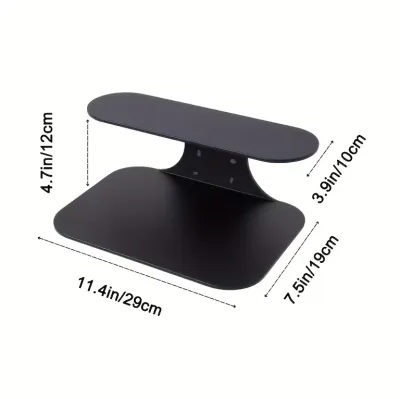
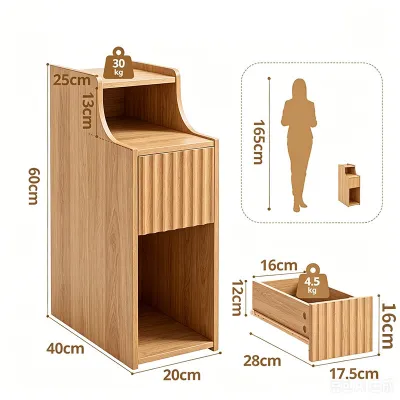
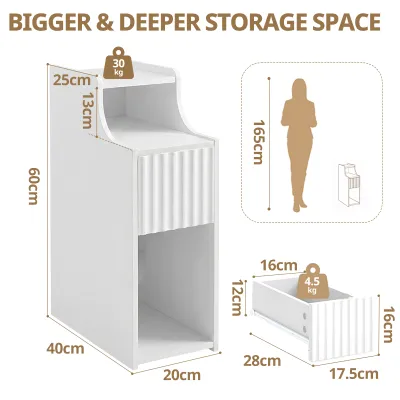
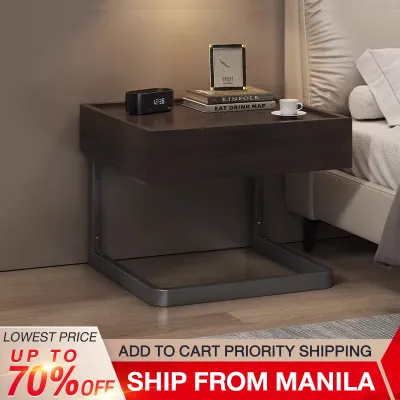
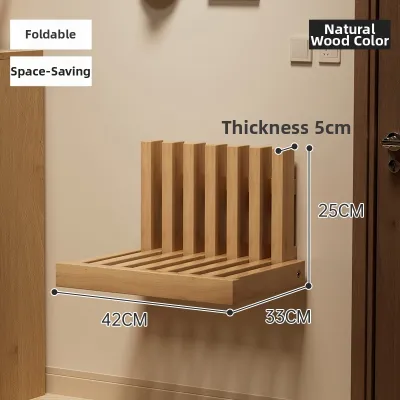
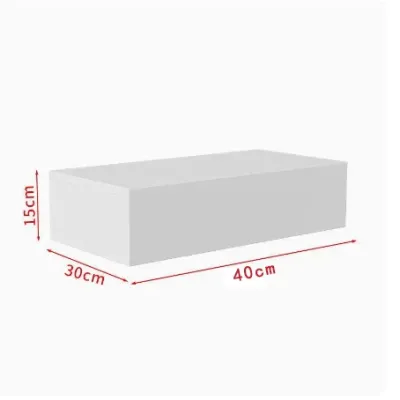
Prices are valid at publication and may change. Please refer to the product page for the latest price.
To make an informed decision, you must first identify the material of the wall where you plan to install the table. In the Philippines, condo units typically feature a mix of solid concrete walls (often finished with plaster and paint) and gypsum board or fiber cement board partitions. If you are dealing with painted drywall or plaster, heavy adhesives carry a high risk of peeling the paint off the wall under load, making mechanical alternatives like tension rods or clamp-on trays a much safer choice. Conversely, if you want to mount a small shelf on a highly polished, non-porous surface like glass, glazed ceramic tiles, or smooth varnished wood, high-quality adhesive mounts can provide an exceptionally strong, stable hold.
Additionally, you must evaluate the intended weight load of your floating side table. If you only need a small perch for a smartphone, a pair of reading glasses, and an air conditioning remote, a lightweight adhesive ledge is perfectly adequate. However, if you plan to rest a heavy ceramic coffee mug, a tablet, or a multi-port charging station, you should opt for a clamp-on bedside tray or a floor-to-ceiling tension-pole system. These mechanical options distribute weight much more securely, eliminating the risk of sudden adhesive failure during the night.
Adhesive-Mounted Floating Tables: Best for Light Essentials
Adhesive-mounted floating tables are highly popular due to their clean, minimalist aesthetic and straightforward installation process. These shelves typically consist of lightweight materials such as acrylic, molded plastic, or thin engineered wood, which are held against the wall using heavy-duty double-sided acrylic foam tape. When browsing local e-commerce platforms or online home improvement marketplaces, you can find these products by searching for terms like “adhesive wall shelf,” “no-drill acrylic floating ledge,” or “damage-free bedside organizer.”

To ensure a successful installation, it is crucial to understand that these tables are strictly engineered for light, static loads. Most manufacturers specify a maximum weight capacity of 1.5 to 2 kilograms, but in real-world conditions—especially in the humid tropical climate of the Philippines—it is wise to limit the load to half of the rated capacity. These shelves are ideal for holding low-weight items such as a smartphone, a sleeping mask, a small pack of tissues, or a lightweight plastic alarm clock.
When selecting an adhesive-mounted table, pay close attention to the mounting plate’s surface area. A larger backing plate distributes the downward shear force over a wider section of the wall, significantly reducing the stress placed on the paint or plaster layer. Look for designs that feature a broad, flat rear panel rather than narrow mounting tabs. Additionally, always opt for shelves that utilize high-grade, pressure-sensitive acrylic tape (such as industrial-strength mounting tape) rather than cheap, generic foam adhesives. Avoid using liquid construction adhesives or “no-more-nails” glues; while these products offer incredible holding power, they form a permanent chemical bond that will inevitably tear away large chunks of your drywall or plaster when you attempt to remove them at the end of your lease.
Tension-Rod and Clamp-On Alternatives: Bypassing the Wall
If you want to avoid attaching anything directly to your condo’s walls, tension-rod and clamp-on side tables represent the safest, most robust alternative. These designs bypass the wall entirely by securing themselves to your existing furniture or utilizing the structural strength of your floor and ceiling slabs. Because they do not rely on chemical adhesives, they are completely immune to the paint-peeling risks associated with humid environments.
Clamp-on side tables, often marketed as “bedside caddies” or “clip-on tray tables,” are designed to attach directly to bed frames, headboards, or the wooden armrests of a sofa. They feature adjustable screw-clamp mechanisms lined with soft silicone or felt padding to prevent scratching or denting the furniture’s finish. These tables are exceptionally stable and can easily support heavier items like a large water bottle, a stack of books, or a tablet. When shopping on online marketplaces, searching for “clamp-on bedside tray” or “clip-on sofa arm table” will yield a wide variety of designs, ranging from natural bamboo trays to sleek, modern plastics.
Tension-pole systems, on the other hand, utilize a vertical metal pole equipped with an internal heavy-duty spring mechanism. This pole is wedged securely between your concrete floor and the concrete ceiling slab, creating a highly stable vertical column. You can then slide adjustable circular trays or shelves along the pole and lock them into place at your desired height. This design is incredibly space-efficient, making it perfect for tight corners beside a bed or sofa where a traditional nightstand cannot fit. To find these versatile storage solutions online, use search terms such as “floor to ceiling tension shelf organizer” or “tension pole corner caddy.”
Magnetic Floating Tables: Niche but Damage-Free
Magnetic floating tables offer a highly specialized, completely damage-free storage solution, though they require a very specific set of environmental conditions to function. Unlike adhesive or tension-mounted options, magnetic shelves do not adhere to painted drywall, plaster, or concrete. Instead, they rely on powerful neodymium magnets integrated into the backing plate to snap securely onto ferromagnetic metal surfaces.
In a modern Philippine condo, these magnetic tables are incredibly useful if you have industrial-style metal furniture, a steel loft bed frame, or a metal-backed partition wall. They are also highly practical in compact studio units where the sleeping area sits adjacent to the kitchenette; a magnetic shelf can be attached directly to the side of a refrigerator, providing an instant floating platform for keys, charging cables, or small kitchen spices. These shelves are typically constructed from powder-coated steel or iron, making them highly durable and resistant to wear.
Before purchasing a magnetic floating table, it is essential to verify that your target surface is actually magnetic. Many modern furniture pieces are constructed from aluminum or non-magnetic stainless steel alloys, which will not support a magnetic mount. A simple, foolproof way to test your furniture is to take a standard refrigerator magnet and place it against the surface. If the magnet clings tightly and resists sliding, the surface is suitable for a magnetic floating table. If the magnet falls off or slides down easily, you will need to consider adhesive or clamp-on alternatives instead.
Critical Wall Compatibility and Safety Checks
While no-drill floating side tables are highly convenient, installing them without conducting proper safety checks can lead to damaged walls, broken valuables, or even personal injury. The primary risk factor in the Philippines is the combination of high tropical humidity and standard condominium wall construction. Most high-rise condos utilize concrete hollow blocks or cast-in-place concrete for structural walls, finished with a thin layer of plaster and water-based latex paint. Interior partition walls, however, are frequently constructed from gypsum board or fiber cement board mounted on light metal studs.
When you apply a heavy adhesive mount to a painted wall, the adhesive bond itself rarely fails. Instead, the downward shear force exerted by the weight of the table and its contents pulls the outer layer of paint clean off the plaster or gypsum board. This risk is severely compounded by high relative humidity, which can exceed 80% during the monsoon season. Moisture in the air can penetrate the paint layer, weakening its adhesion to the underlying wall and causing it to bubble, peel, or shear under load.
Before installing any adhesive-mounted floating table, go through this critical safety checklist:
- Surface Texture Check: Ensure the wall surface is completely smooth, flat, and non-porous. Even minor wall textures, such as orange-peel finishes or textured wallpaper, create tiny air gaps behind the adhesive tape. This drastically reduces the contact surface area, cutting the adhesive's holding power by half or more.
- Moisture and Temperature Check: Avoid mounting adhesive shelves on walls that experience temperature fluctuations or moisture exposure. This includes walls directly adjacent to split-type air conditioning units (which can drip condensation), bathroom doors, or windows that receive direct, intense afternoon sunlight.
- Load Calculation: Always calculate the total weight of the floating shelf itself combined with the maximum weight of the items you plan to place on it. Never exceed the manufacturer's specified weight limit, and aim to keep the total load under 1 kg for adhesive mounts on painted walls.
- Establish Safety Boundaries: Never, under any circumstances, mount an adhesive-based floating table directly above a bed, pillow area, sofa, or desk workspace. If the adhesive fails in the middle of the night due to a sudden spike in humidity or a slight overload, a falling shelf can cause physical injury or destroy expensive electronics like smartphones, tablets, or laptops.
Step-by-Step Guide to Safe, Damage-Free Removal
The ultimate test of a no-drill floating side table comes when it is time to move out of your condo. If you simply pull or pry an adhesive-mounted shelf off the wall, you will almost certainly tear the paint and plaster, resulting in a costly deduction from your security deposit. To ensure a completely damage-free removal, you must use a controlled, systematic process that breaks down the adhesive bond without putting stress on the wall surface.
Follow these steps to safely remove adhesive-mounted tables:
- Apply Heat: Plug in a standard household hairdryer and set it to medium-to-high heat. Hold the hairdryer approximately 5 to 10 centimeters away from the mounting plate of the floating table. Direct the warm air around the edges of the plate for 2 to 3 minutes. The heat will soften the polymer chains in the acrylic or foam tape, making it pliable and significantly reducing its grip.
- Slice the Adhesive Bond: Do not pull the shelf outward. Instead, take a long piece of dental floss, high-strength fishing line, or thin steel wire. Wrap the ends securely around your hands, slip the line behind the top edge of the mounting plate, and use a gentle, sawing back-and-forth motion to slice downward through the softened adhesive tape. Work slowly, keeping the line as close to the back of the mounting plate as possible to avoid scraping the wall paint.
- Remove Leftover Residue: Once the shelf is free, you will likely find sticky patches of adhesive residue left on the wall. Do not scrape these with a metal putty knife or your fingernails, as this can easily gouge the drywall. Instead, use your thumb to gently roll the softened adhesive into small balls and peel them away. For stubborn residue, dampen a clean microfiber cloth with a small amount of isopropyl alcohol or a specialized, citrus-based adhesive remover. Rub the area gently in a circular motion until the residue dissolves.
- Verify Manufacturer Instructions: Always check the specific removal instructions provided by your adhesive tape manufacturer before beginning, as some specialized adhesives may require specific solvents or pulling techniques to release cleanly.
Frequently Asked Questions (FAQ)
Can an adhesive floating table hold a laptop?
No, you should never place a laptop or other heavy electronics on an adhesive-mounted floating table. Laptops are not only heavy, but the dynamic weight of your hands typing on the keyboard creates constant downward vibrations that will rapidly fatigue the adhesive bond. Furthermore, the heat generated by a laptop’s battery and processor can warm the shelf, transferring heat to the adhesive backing and causing it to soften and slip. If you need a floating surface for a laptop, opt for a mechanical clamp-on bedside tray or a sturdy floor-to-ceiling tension-pole table instead.
Will no-drill mounts work on textured or humid condo walls?
Adhesive-based no-drill mounts will not perform reliably on textured or highly humid walls. Textured surfaces, such as rough plaster, brick, or embossed wallpaper, prevent the adhesive tape from making full contact with the wall, creating air pockets that drastically reduce its holding capacity. High humidity also compromises the chemical structure of many double-sided tapes over time, leading to sudden failures. For textured walls or areas prone to high moisture (such as bedside walls near an air conditioner or bathroom), you should strictly use mechanical alternatives like clamp-on trays or tension-pole shelves.
Community discussion
Share your experience or ask a question. Comments are reviewed before publication.