
Deciding whether to invest in a premium Okamura chair or opt for a more affordable ergonomic alternative in the ₱3,000 to ₱15,000 range depends entirely on your daily usage intensity, specific physical needs, and budget flexibility. While high-end chairs often feature advanced mechanisms and premium materials, mid-range options have significantly improved and can provide excellent support for standard office tasks. This guide breaks down the verifiable differences in adjustability, build quality, and practical setup requirements to help you determine which tier actually justifies its price tag for your specific workspace.
When working in a tropical climate like the Philippines, where high humidity can accelerate the wear of certain materials, choosing the right seating is not just about immediate comfort. It is about long-term physical support and durability. A premium chair represents a major financial commitment, whereas the mid-range market offers highly accessible entry points. By focusing on objective specifications, material standards, and your actual daily sitting habits, you can make an informed decision that protects both your posture and your wallet.
Defining the Contenders: Okamura vs. Mid-Range Market Options
To make a fair comparison, it is essential to understand what you are paying for in each category. Okamura is a globally recognized Japanese brand positioned in the premium commercial and executive furniture sector. Their chairs are engineered for high-performance office environments, often featuring proprietary synchronized tilt mechanisms, advanced materials, and extensive customization options. Because these chairs are built to meet strict international commercial standards, their retail prices sit well above the typical consumer budget, representing a long-term investment in workplace wellness.
Products mentioned in this guide
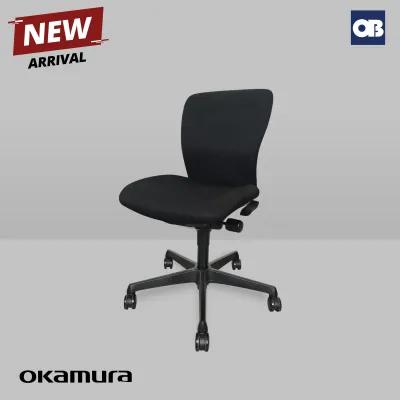
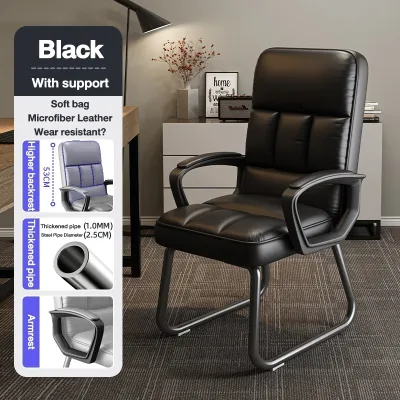
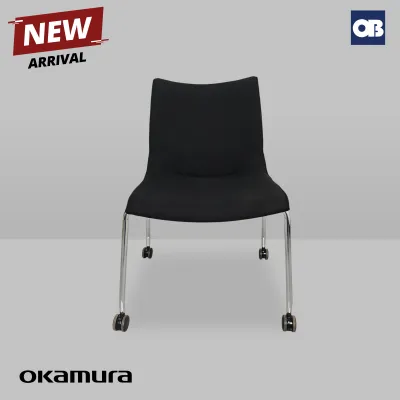
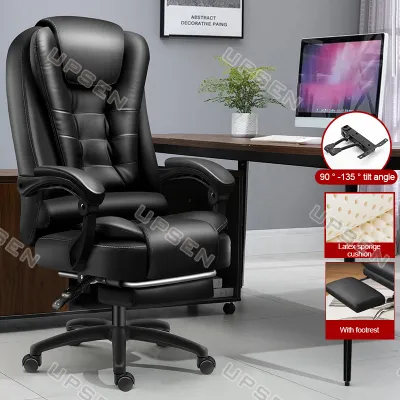
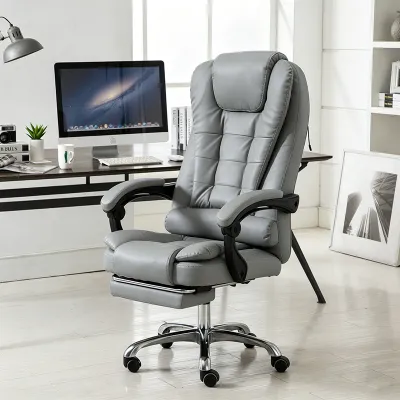
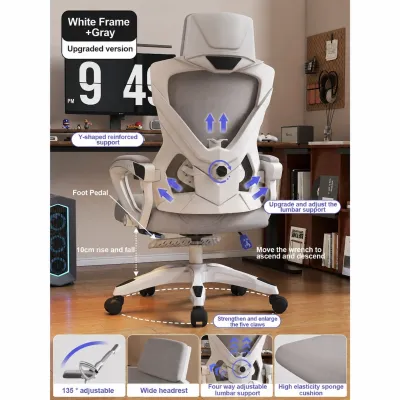
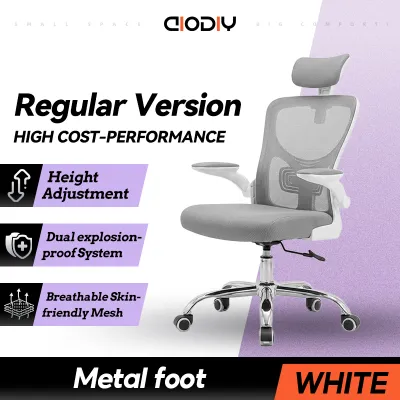
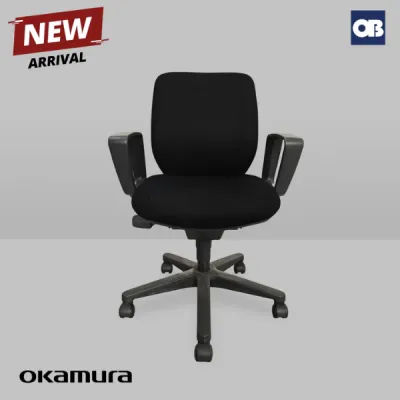
Prices are valid at publication and may change. Please refer to the product page for the latest price.
In contrast, the ₱3,000 to ₱15,000 price bracket represents the highly competitive mid-range consumer market. Chairs in this segment are widely available through local office supply stores and online marketplaces. They typically feature standard ergonomic adjustments, such as basic height control, a simple tilt lock, and manual lumbar support. While they often utilize cost-effective materials like reinforced nylon bases and standard polyester mesh, many modern mid-range options have adopted design cues from high-end models, making them highly attractive for home offices.
The choice between these two tiers often comes down to your daily usage intensity. If your routine involves standard eight-hour workdays with frequent breaks to stand up and move around, a well-designed mid-range chair can easily meet your needs. However, if you find yourself anchored to your desk for extended twelve-hour shifts, or if you have specialized posture requirements due to chronic back discomfort, the micro-adjustments and dynamic support of a premium chair become far more critical to preventing fatigue.
Core Ergonomic Features to Verify Before You Buy
When comparing a premium Okamura chair to a mid-range alternative, you must look past marketing buzzwords and scrutinize the actual mechanical specifications. The first critical component to evaluate is the lumbar support system. Many mid-range chairs in the ₱3,000 to ₱15,000 range offer a fixed plastic lumbar curve or a simple height-adjustable pad. While this provides basic support, it may not align perfectly with your spine’s natural curvature. Premium models, on the other hand, often feature dynamic lumbar mechanisms that automatically adjust tension and position as you shift your weight, maintaining continuous contact with your lower back.

Armrest adjustability is another area where the two tiers diverge significantly. In the lower end of the mid-range bracket, you will often find fixed armrests or 1D armrests that only adjust up and down. As you move toward the ₱15,000 mark, you may find 3D armrests that allow for height, depth, and pivot adjustments. Premium chairs typically standardize 3D or 4D armrests (adding width adjustment), allowing you to align the pads precisely with your desk height and typing angle. This precise alignment is crucial for reducing strain on your shoulders and neck during long typing sessions.
Finally, inspect the seat depth and tilt mechanisms on the product specification sheets. A seat slider, which allows you to adjust the depth of the seat pan, is essential for ensuring your thighs are fully supported without the front edge of the seat pressing into the back of your knees. While seat sliders are standard on premium chairs, they are often omitted or highly limited in mid-range models. Furthermore, premium chairs utilize advanced synchro-tilt mechanisms where the backrest and seat recline at a synchronized ratio, keeping your feet flat on the floor and your spine aligned, whereas basic chairs often rely on simple tilt-and-lock mechanisms that lift your knees as you recline.
Build Quality, Materials, and Long-Term Durability
The physical structure of an ergonomic chair determines how well it will hold up over years of daily use, especially under tropical conditions. Start by checking the specification sheets for the frame and base materials. Mid-range chairs typically utilize reinforced nylon or basic steel bases. While nylon is lightweight and reasonably durable, it can flex under heavy loads. Premium chairs frequently feature heavy-duty polished aluminum bases and structural frames, which offer superior stability, eliminate flexing, and support higher weight capacities. Always verify the manufacturer’s stated weight capacity to ensure the chair matches your physical requirements.
Seating materials require close inspection, particularly in humid environments. Low-cost mesh can lose its tension over time, leading to a sagging seat that bottoms out against the frame. When evaluating a chair, check the mesh weave density and the quality of the frame edges where the mesh is attached. For cushioned seats, look for high-density molded foam rather than cheap cut foam. Molded foam retains its shape and supportive properties for years, whereas low-density foam can sag within a few months of continuous use, leading to discomfort and poor posture.
Safety and moving components should never be overlooked. Ensure that any chair you consider features a recognized safety certification label, such as BIFMA or SGS, specifically for the gas lift cylinder. A Class 4 gas lift is the standard for premium chairs and high-quality mid-range options, offering smooth height adjustments and reliable pressure retention. Additionally, verify the caster wheel material. Standard hard nylon wheels are suitable for carpeted floors but can scratch hardwood or ceramic tiles, which are common in Philippine homes. Look for polyurethane (PU) or rubber-coated casters if you have hard flooring.
Space, Assembly, and Practical Setup Constraints
Before finalizing your purchase, you must ensure the chair physically fits your workspace and can be delivered without issue. Begin by measuring your workspace clearance. Check your desk height, the clearance underneath the desk drawer or keyboard tray, and the surrounding walkway space. Premium chairs often have wider bases and larger armrest profiles than compact mid-range models. Ensuring that the armrests can slide fully under your desk when the chair is not in use is vital for maintaining an organized, unobstructed room.
Delivery logistics can also present unexpected challenges. Because premium chairs like those from Okamura are often shipped fully assembled or in large, heavy boxes to protect their complex mechanisms, you must verify your delivery access. Measure the width and height of your doorways, stairwells, and elevator cabins. If you live in a high-rise condominium or a multi-story home, a massive box may not fit through tight corners or standard elevator doors, requiring you to arrange special delivery terms or unbox the chair in a common area.
Assembly requirements vary widely between brands and price points. Most mid-range chairs purchased online arrive flat-packed, requiring complete assembly. Review the manufacturer’s instructions beforehand to see if the necessary tools are included and estimate the assembly time. While assembling a basic chair is usually a straightforward one-person task, premium models that require assembly can be significantly heavier due to their solid metal components. In such cases, a two-person lift is highly recommended to safely attach the heavy seat mechanism to the base without causing injury or damaging the parts.
Decision Framework: When to Choose Which Option
To determine which chair tier is the right fit for your home or office, you can use a conditional decision framework based on your daily habits, physical needs, and budget.
You should invest in an Okamura or a similar premium-tier chair if:
- You have a flexible budget and view the purchase as a long-term investment in your health.
- You spend more than eight hours a day seated at your desk with minimal opportunities for breaks.
- You require highly precise, dynamic adjustments to manage chronic back, neck, or shoulder discomfort.
- You prioritize commercial-grade build specifications, heavy-duty aluminum frames, and certified high-density materials that resist wear in humid climates.
You should opt for a ₱3,000 to ₱15,000 alternative if:
- You are working within a strict budget and need an immediate seating solution.
- Your daily desk usage is moderate, typically standard hours with regular opportunities to stand and stretch.
- You only require basic height, tilt, and lumbar adjustments to feel comfortable.
- You are setting up a temporary workspace, a guest study, or a hybrid home office that is not used full-time.
Before making your final decision, always verify your purchasing options. If you are leaning toward a premium chair but want to save money, check the secondary market for certified refurbished or surplus commercial furniture, which often features high-end brands at a fraction of their original retail price. Alternatively, you can wait for major online marketplace sales events to secure discounts on mid-range models. If you suffer from severe, chronic back pain, consider consulting a physical therapist or professional ergonomic specialist before buying, as even the most expensive chair cannot substitute for personalized medical advice.
Frequently Asked Questions (FAQ)
Do expensive ergonomic chairs come with longer warranties?
Warranty lengths and coverage scopes vary significantly by brand and specific model, rather than strictly by price tier. While some premium manufacturers offer extensive warranties spanning up to ten years or more, you must read the official documentation carefully. Often, these long warranties are tiered: the structural frame and metal base may be covered for a decade, while the moving mechanisms, gas lift cylinder, and soft materials like mesh or foam cushions may only be covered for two to five years. Conversely, mid-range chairs in the ₱3,000 to ₱15,000 range typically offer shorter warranties, often ranging from one to three years, and may require you to bring the chair to a local service center for repairs. Always verify what parts are covered and who handles the logistics before purchasing.
Can I test an Okamura chair locally before buying?
Yes, testing a premium chair before making a significant financial investment is highly recommended. You can search for authorized local showrooms, commercial furniture dealers, or physical retail stores in major metropolitan areas to test the specific model’s fit, seat depth, and mechanism feel. If you are purchasing a mid-range or premium chair through an online marketplace where physical testing is not possible, carefully read the seller’s return policy. Verify whether the chair can be returned after it has been fully assembled, as many retailers only accept returns in the original, unassembled packaging. Additionally, check who bears the cost of return shipping, as shipping a bulky, heavy item like an office chair back to the seller can be incredibly expensive.
Community discussion
Share your experience or ask a question. Comments are reviewed before publication.