
Choosing between an open-back and a closed-back black steel cabinet for your home entertainment setup is not a matter of finding a universally superior design. Instead, the ideal choice depends on your specific collection of audio-visual (AV) equipment, your ventilation requirements, and your aesthetic preferences. For households with multiple gaming consoles, media players, and heavy sound systems, an open-back black steel cabinet offers unrestricted cable routing and maximum airflow, which is particularly beneficial in warm, tropical climates. Conversely, a closed-back steel cabinet equipped with dedicated cable grommets provides a highly organized, minimalist front view and superior protection against dust and household pests. Understanding how these two structural designs handle cable management, heat dissipation, and physical access will help you select the configuration that best supports your living room setup.
Core Structural Differences in Steel TV Cabinets
To understand how these cabinets function, it is essential to examine their physical construction. An open-back black steel cabinet typically features a robust outer frame made of welded or bolted steel tubes or sheets, but it lacks a solid rear panel. Instead, the back is left entirely open, or it may feature minimal structural crossbars or wire grids designed to maintain lateral stability without blocking access. This minimalist framing reduces the overall visual weight of the furniture, allowing light to pass through and making the unit appear less bulky in smaller living spaces. The black powder-coated or matte finish on the steel frame provides a sleek, industrial border that frames your media equipment without drawing attention away from the screen.
In contrast, a closed-back black steel cabinet is built with solid rear panels that fully enclose the interior shelving units. These backboards are often made of matching sheet steel or dense composite materials finished to blend seamlessly with the metal frame. To accommodate wiring, manufacturers pre-drill specific cable grommets or pass-through holes at strategic heights, usually aligned with the internal shelves. Some premium models feature removable or magnetic back panels, which offer a hybrid solution by allowing you to detach sections of the rear wall during installation. The solid back panel adds structural rigidity to the cabinet, but it also increases its physical and visual weight, creating a more defined, permanent boundary against your living room wall.
Products mentioned in this guide
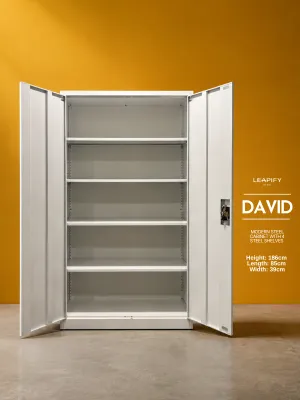
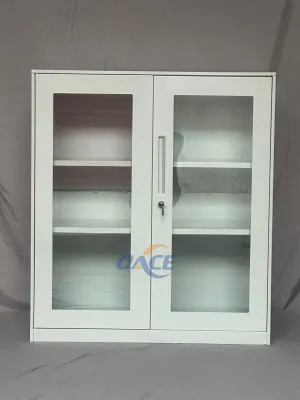
Prices are valid at publication and may change. Please refer to the product page for the latest price.
Cable Routing and Device Access Compared
When it comes to the daily reality of managing wires, the structural differences between these two designs become highly apparent. An open-back black steel cabinet provides complete freedom for routing power cords, HDMI cables, speaker wires, and optical lines. Because there are no physical barriers behind the shelves, you can run cables horizontally or vertically along any path, grouping them with custom cable ties or sleeves as needed. This unrestricted space is especially advantageous if you use thick, heavy-duty power strips or high-end HDMI cables that do not bend easily. Furthermore, accessing the rear ports of your devices is incredibly straightforward; you can plug or unplug components, swap out gaming accessories, or add new media players without having to pull a heavy steel cabinet away from the wall.

Closed-back cabinets, on the other hand, require a more disciplined approach to cable management. All power and signal lines must pass through the designated grommet holes, which can quickly become bottlenecks if you have a large number of devices. If the combined diameter of your cable bundles exceeds the size of the pre-drilled holes, you may find yourself struggling to force thick plugs through the openings. This configuration also demands careful planning during the initial setup, as you must thread each cable through the backboard before connecting it to the device. If you need to troubleshoot a connection or replace a faulty cable later on, you will likely have to reach through the front of the cabinet or slide the entire unit forward to access the rear panel, which can be physically demanding given the weight of a solid steel frame.
The trade-offs in device access also extend to how you organize your components. In an open-back design, you can easily slide devices forward or backward on the shelves to accommodate front-facing buttons or rear-facing plugs. In a closed-back cabinet, the physical rear wall sets a hard limit on how far back a device can sit. If your AV receiver or amplifier has protruding rear terminals or stiff cables, you must ensure the internal shelf depth is deep enough to prevent the device from sticking out of the front of the cabinet.
Heat Dissipation and Dust Protection Trade-offs
Operating electronic equipment in a tropical climate like the Philippines requires careful attention to thermal management. High-performance gaming consoles, AV receivers, and streaming boxes generate significant heat during operation, and housing them in enclosed spaces can shorten their lifespan. An open-back black steel cabinet excels in passive convection, allowing hot air to escape freely from the rear of the unit while cooler air enters from the front and sides. This continuous airflow prevents heat pockets from forming around sensitive processors and power supplies, reducing the reliance on noisy internal device fans.
However, this open airflow comes with a distinct trade-off regarding environmental protection. In many households, dust accumulation is a constant challenge, and an open-back design leaves the rear of your expensive electronics completely exposed to settling dust. Over time, dust can build up inside device vents, insulating internal components and actually increasing operating temperatures. Additionally, in tropical environments, open-back cabinets offer no barrier against small household pests, such as geckos, ants, or spiders, which may seek out the warmth generated by standby electronics.
A closed-back black steel cabinet acts as a physical shield, significantly reducing the amount of dust that settles on your equipment and blocking easy entry points for pests. The solid rear panel keeps the interior shelves cleaner for longer periods, simplifying your weekly maintenance routine. The challenge, however, lies in ensuring adequate ventilation. If you choose a closed-back model, you must verify that the cabinet features built-in ventilation slots, or ensure that the devices you place inside have sufficient clearance on all sides as recommended by their manufacturers. Operating high-heat devices inside a fully sealed steel compartment without active cooling or generous ventilation can lead to thermal throttling or premature hardware failure.
Aesthetic and Room Placement Considerations
The choice between open and closed backs also influences your interior design options and how you arrange your living room layout. An open-back black steel cabinet is highly dependent on its placement relative to the wall. Because the rear of the cabinet is completely exposed, any tangled wires, power strips, or wall outlets behind the unit will be visible from the front. To maintain a clean, sophisticated look, you generally need to place an open-back cabinet flush against a solid, dark-colored wall that can naturally camouflage the wiring, or invest significant effort into bundling and hiding the cables behind the steel frame members.
A closed-back cabinet offers much greater placement flexibility. Because the solid rear panel completely conceals the wall behind it, you can place the cabinet in front of a glass window, a textured accent wall, or even float it in the middle of an open-concept living space to serve as a room divider. The back panel hides the inevitable clutter of power strips and excess cable lengths, ensuring a pristine, minimalist appearance from every viewing angle in the room. This makes closed-back designs highly suitable for modern, clean-lined interiors where visible wires would disrupt the visual harmony.
When planning your room layout, it is also important to consider the visual weight of the black steel material. A large, closed-back black steel cabinet can dominate a room, making it feel smaller or more industrial. If you prefer a lighter, more airy aesthetic but still want the durability of steel, an open-back design allows the wall color to show through, softening the industrial look of the black metal frame and helping the furniture blend more naturally into your existing decor.
Decision Framework: Choosing the Right Configuration
To help you decide which configuration aligns with your home setup, consider the following practical decision framework based on your equipment and lifestyle needs.
You should choose an open-back black steel cabinet if:
- You own a complex home theater system with multiple heat-generating components, such as a dedicated AV receiver, an external amplifier, and multiple gaming consoles.
- You frequently swap out cables, test new equipment, or adjust your wiring configuration.
- You plan to place the cabinet directly against a solid, painted wall where you can easily hide or manage the cables along the baseboard.
- You live in a particularly warm or humid area where maximizing passive airflow is critical for device performance.
You should choose a closed-back black steel cabinet if:
- Your media setup is streamlined, consisting of only a TV, a single streaming box, and a soundbar with minimal wiring.
- You prioritize a spotless, minimalist aesthetic and want to completely hide all power outlets, adapters, and excess cable lengths from view.
- You need to place the TV cabinet in an open area, in front of a window, or away from a solid wall.
- You want to protect your electronics from heavy dust accumulation and prevent small pests from nesting inside or behind your devices.
Before making your final choice, always verify the specific operating requirements of your most valuable electronic devices. If a manufacturer specifies that a console or receiver requires at least 10 centimeters of rear clearance for exhaust air, a solid-back cabinet must have a deep enough profile to accommodate this space, or you must be prepared to leave the cabinet doors open during extended use.
Pre-Purchase Measurements and Installation Checks
Before purchasing a black steel cabinet, taking precise measurements is crucial to avoid delivery and installation issues. Steel furniture is exceptionally durable, but it is also heavy and rigid, meaning it cannot be squeezed through tight spaces or adjusted if the dimensions are slightly off. Start by measuring the internal depth, width, and height of the cabinet shelves. Compare these dimensions against your largest AV components, keeping in mind that you must add at least 5 to 8 centimeters of depth to account for rear plugs, HDMI connectors, and cable bends.
For closed-back models, pay close attention to the size and placement of the cable grommets. Measure the widest part of your power plugs and HDMI connectors to ensure they can easily pass through the pre-drilled holes. If you plan to run multiple cables through a single grommet, calculate the combined thickness of the wires to ensure they will not pinch or bind.
Finally, consider the logistics of bringing a heavy steel cabinet into your home. Verify the clearance of your doorways, hallways, and stairwells to ensure the delivery team can safely maneuver the unit. Because steel cabinets have a high self-weight, check your floor load capacity, especially if you live in an older building or are placing the unit on a wooden loft floor. If you choose a tall or top-heavy model, ensure you have a plan to anchor the cabinet securely to the wall to prevent tip-over hazards, particularly in households with active pets or young children.
Frequently Asked Questions (FAQ)
Can I modify a closed-back steel cabinet to add more cable holes?
Modifying a steel cabinet by drilling or cutting new cable holes is generally not recommended. Unlike wood or composite materials, cutting through sheet steel requires specialized tools, such as a bi-metal hole saw, and can leave sharp, jagged edges that can easily slice through cable insulation. Additionally, DIY modifications can damage the protective powder-coated finish, exposing the raw steel to moisture and rust, and will likely void any manufacturer warranties. If you anticipate needing more cable access, it is best to choose an open-back model or a closed-back unit with removable rear panels from the start.
Do black steel TV cabinets show dust more easily?
Yes, black steel surfaces—especially those with a matte, satin, or glossy finish—tend to show light-colored dust, fingerprints, and pet hair more prominently than lighter wood grains or textured finishes. To keep your cabinet looking its best, plan to dust the surfaces regularly using a dry, high-quality microfiber cloth, which attracts dust particles without scratching the finish. Choosing a closed-back design can help minimize the amount of dust that enters the interior shelves, keeping both the cabinet interior and your electronic devices cleaner for longer periods.
How do I secure cables inside an open-back cabinet?
Managing cables in an open-back cabinet requires a proactive approach to keep the wires from hanging loosely and creating visual clutter. You can use reusable hook-and-loop (Velcro) straps or zippered cable sleeves to bundle multiple wires together into neat, single runs. To keep these bundles hidden, attach adhesive cable clips or magnetic mounts directly to the underside of the steel shelves or along the rear vertical support bars of the frame. For optimal performance, try to route power cables along one side of the frame and signal cables (like HDMI or speaker wires) along the opposite side to minimize potential electromagnetic interference.
Community discussion
Share your experience or ask a question. Comments are reviewed before publication.