
Choosing the right storage system for your bedroom is more than just a styling decision; it dictates how you start your morning, how easily you maintain your space, and how well your clothes are preserved. The debate between an open clothes rack and a traditional built-in wardrobe often comes down to balancing immediate convenience against long-term durability. While one offers absolute flexibility and a modern, minimalist aesthetic, the other provides unmatched storage capacity and protection from the elements.
An open clothes rack is highly suited for renters, individuals living in compact spaces, and minimalists who prioritize quick accessibility, high mobility, and a lower upfront budget. In contrast, a built-in wardrobe is a permanent investment best suited for homeowners, those with extensive clothing collections, and anyone who requires maximum dust protection and seamless visual integration. To make the right choice, you must evaluate your current living situation, your daily organizational habits, and the specific environmental conditions of your home.
Signs You Need an Open Clothes Rack
Space, Budget, and Flexibility Needs
If you are currently renting an apartment or condominium in an urban center, a permanent built-in wardrobe is rarely a viable option. Most rental agreements strictly prohibit structural modifications, heavy wall drilling, or custom carpentry installations. A freestanding open clothes rack solves this problem entirely, offering a functional storage solution that requires zero permanent anchoring and can be disassembled in minutes when your lease ends.
Products mentioned in this guide
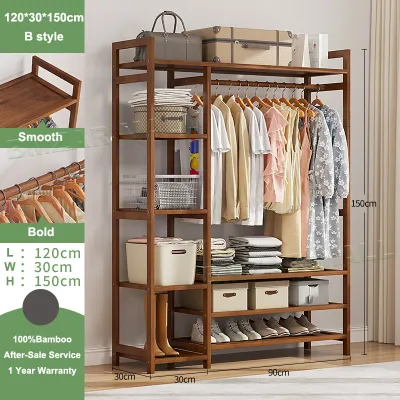
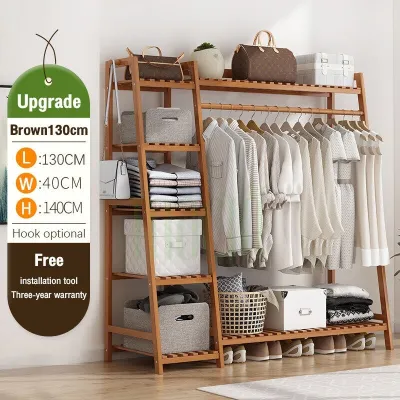
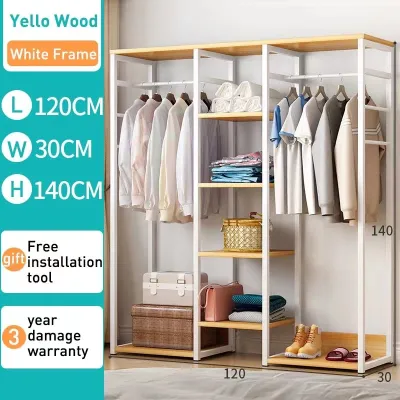
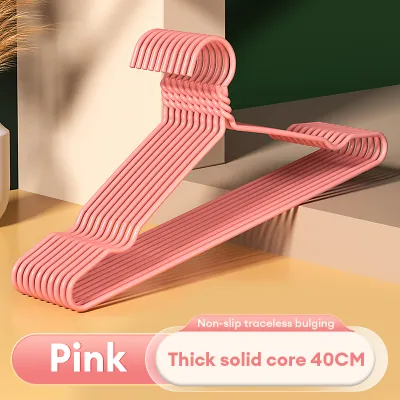
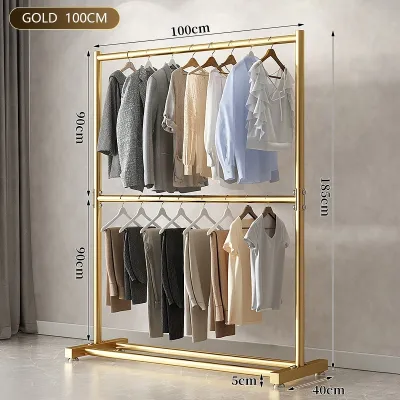
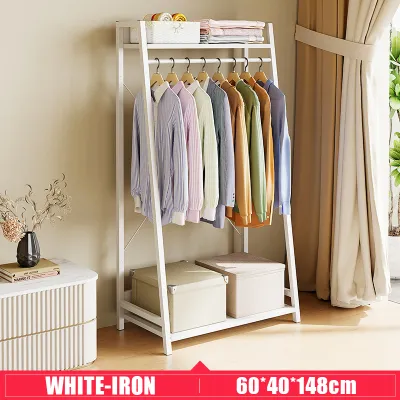
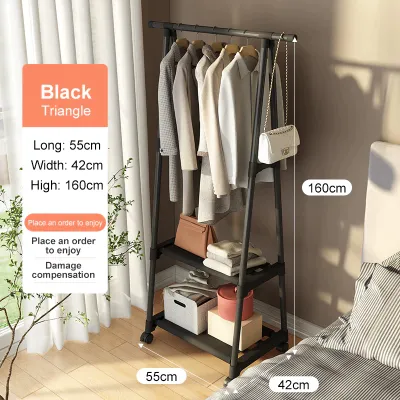
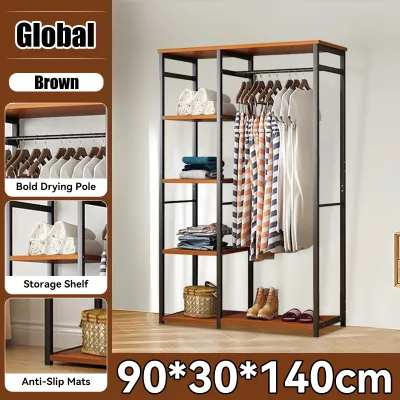
Prices are valid at publication and may change. Please refer to the product page for the latest price.
Mobility is another critical advantage for those who move frequently or enjoy rearranging their bedroom layout. Traditional wardrobes are incredibly heavy, difficult to transport, and often cannot fit through narrow stairwells, tight doorways, or condominium service elevators without sustaining damage. A flat-packed open clothes rack can be carried easily in a standard vehicle, making it a highly practical choice for dynamic lifestyles.
From a financial perspective, an open clothes rack is exceptionally budget-friendly. Custom built-in carpentry can easily cost tens of thousands of pesos, requiring professional designers and installers. A high-quality metal, iron, or bamboo open clothes rack typically ranges from ₱800 to ₱4,000, allowing you to allocate your hard-earned budget to other home essentials while still achieving a functional bedroom setup.
These minimalist racks are also ideal for utilizing awkward architectural features in older homes or modern studio units. Whether you have a shallow wall alcove, a sloped ceiling space, or a tight corner next to a window, a freestanding rack can be placed exactly where you need it. This flexibility ensures that no floor space is wasted, even in highly unconventional room layouts.
Lifestyle and Wardrobe Habits
Your daily routine and personal habits play a massive role in determining whether an open storage system will work for you. If you practice a minimalist lifestyle or maintain a carefully curated capsule wardrobe, an open clothes rack acts as a beautiful visual showcase. It allows you to display your favorite textures, colors, and designs, turning your clothing collection into a key element of your bedroom decor.
Visual thinkers benefit immensely from having their entire wardrobe fully visible at all times. On busy mornings, being able to scan your shirts, trousers, and dresses without opening doors or rummaging through dark drawers saves valuable time. This immediate accessibility makes outfit planning effortless and prevents you from forgetting about pieces hidden at the back of a deep closet.
However, this open-air accessibility comes with a significant behavioral requirement: you must commit to consistent tidiness. Because every single item is on public display, a single mismatched hanger, an unfolded t-shirt, or an overflowing shelf will instantly make your entire bedroom look cluttered and disorganized. If you tend to throw your clothes onto a pile after a long workday, an open rack will quickly amplify the visual chaos of your living space.
Signs You Need a Built-in Wardrobe
High Volume and Complex Organization
If your household consists of multiple family members, or if you personally own a large, diverse collection of clothing, shoes, and accessories, an open rack will quickly become overwhelmed. Standard open racks have strict weight limits; overloading them with heavy denim, jackets, and formal wear can cause the frame to bow, wobble, or tip over entirely. A built-in wardrobe offers structural stability and a high load capacity anchored directly to your home’s walls.

Built-in systems excel at maximizing vertical space from the floor all the way to the ceiling. This allows you to implement a highly customized internal organization system that keeps your bedroom free of visual clutter. You can design specific zones for different categories of items, ensuring that everything has a dedicated place:
- Double hanging rods for shirts and folded trousers
- Deep pull-out drawers for undergarments, activewear, and socks
- Dedicated shoe racks or slide-out trays
- High overhead shelves for bulky bedding, pillows, and seasonal luggage
- Integrated jewelry trays with velvet lining for small accessories
By concealing these diverse storage zones behind solid sliding or hinged doors, a built-in wardrobe maintains a clean, uniform, and peaceful bedroom environment. Even if the shelves inside are temporarily untidy, closing the doors instantly restores a sense of order and calm to your personal sanctuary.
Protection from Dust and Humidity
In tropical environments like the Philippines, humidity and airborne dust present constant challenges for fabric preservation. Homes located near busy roads or in dense urban areas experience rapid dust accumulation. An open clothes rack leaves your garments completely exposed to these airborne particles, meaning that items left unworn for more than a few days will require frequent washing or shaking out before you can wear them.
High ambient humidity during the wet season also poses a severe threat to delicate fabrics, leather goods, and formal wear. When moisture settles on exposed clothing in an open room, it creates an ideal breeding ground for mold, mildew, and musty odors. Enclosed built-in wardrobes create a protective microclimate that shields your garments from direct exposure to humid drafts and sunlight, which can fade colors over time.
While a built-in wardrobe provides a solid physical barrier, you must still manage the internal environment to prevent moisture buildup. Using hanging dehumidifier bags, silica gel packets, or charcoal moisture absorbers inside your closed wardrobe is highly recommended. This combination of physical enclosure and active moisture control ensures that your expensive leather bags, formal suits, and delicate silk pieces remain pristine and free of mold year-round.
Direct Comparison: Rack vs. Wardrobe Features
To help you visualize the practical differences between these two storage solutions, the table below highlights the key decision dimensions you should consider before making a purchase.
| Feature | Open Clothes Rack | Built-in Wardrobe |
|---|---|---|
| Installation | Freestanding; easy DIY assembly in under 30 minutes | Professional carpentry; requires structural drilling and leveling |
| Upfront Cost | Very low (typically ₱800 to ₱4,000) | High (typically ₱20,000 to ₱100,000+ depending on size) |
| Mobility | Extremely high; lightweight and portable | Permanent; cannot be moved once installed |
| Dust & Moisture Protection | Low; garments are fully exposed to air and light | High; doors shield clothes from dust, pests, and humidity |
| Aesthetic Impact | Industrial, modern, or minimalist; can look cluttered | Seamless, integrated, and clean; hides all visual clutter |
| Storage Capacity | Low to medium; limited by frame size and weight limits | High; custom-built to use full wall and ceiling height |
Understanding these trade-offs is essential for long-term satisfaction. While an open clothes rack is an excellent short-term or budget-friendly choice, it requires continuous daily effort to keep clean and organized. A built-in wardrobe requires a significant financial investment upfront, but it adds permanent value to your property and drastically reduces the time you spend dusting and organizing your clothes.
How to Decide: A Step-by-Step Self-Assessment
1. Measure and Verify Your Space
Before purchasing any furniture, use a measuring tape to record the exact dimensions of your bedroom. Measure the available wall width, floor depth, and ceiling height, taking note of any light switches, electrical outlets, or window frames that might block installation. If you are renting, review your lease agreement or consult your landlord to confirm whether structural wall anchoring or custom carpentry is permitted in your unit.
2. Audit Your Clothing Inventory
Take everything out of your current closet and group your items by category. Count how many pieces must be hung up (such as delicate dresses, linen shirts, and formal suits) versus how many can be folded into drawers (such as t-shirts, activewear, and jeans). If you own bulky items like heavy blankets, extra pillows, or travel suitcases, recognize that these cannot be stored neatly on an open rack and will require the deep, enclosed shelving of a wardrobe.
3. Honestly Evaluate Your Daily Habits
Ask yourself if you have the time and discipline to keep your clothing display neat every single day. If you enjoy color-coordinating your clothes, using matching hangers, and folding items meticulously, you will love the visual appeal of an open clothes rack. However, if you prefer a low-maintenance routine where you can quickly shut a door on your clutter, a built-in wardrobe is the far better choice for your mental peace.
4. Determine Your Budget and Timeline
Weigh your immediate financial limits against your long-term housing plans. If you plan to live in your current apartment for less than two years, investing in expensive custom carpentry is not financially sensible, making a portable open rack the logical choice. If you have recently purchased your forever home and have the budget to spare, investing in a high-quality built-in wardrobe will provide lasting utility and elevate your home’s resale value.
The Hybrid Approach
If you find yourself torn between both options, consider combining them. You can install a smaller built-in wardrobe to conceal your undergarments, bed linens, suitcases, and seasonal items. Pair this with a sleek, minimalist open clothes rack positioned nearby to hold your daily work outfits, activewear, or weekly fashion rotation. This hybrid setup gives you the best of both worlds: dust-free concealed storage for your bulk items, and quick, stylish accessibility for your daily essentials.
Frequently Asked Questions (FAQ)
Can I use both an open rack and a built-in wardrobe in the same room?
Yes, combining both options is an excellent way to balance storage capacity with daily convenience. You can use a built-in wardrobe to store bulky bedding, out-of-season garments, and private items out of sight. Meanwhile, a small open clothes rack can be used to prepare your outfits for the upcoming week, hang damp coats, or display your most frequently worn shoes and bags for easy access.
How do I keep clothes from getting dusty on an open rack?
To protect your garments on an open rack, place breathable canvas or non-woven fabric garment bags over items you do not wear frequently, such as formal suits, evening gowns, or delicate jackets. Position your rack away from open windows, balconies, and direct drafts from air conditioning units or ceiling fans, which tend to circulate dust. Regularly vacuuming the floor beneath the rack and wiping down the frame with a damp microfiber cloth will also significantly reduce dust accumulation.
Community discussion
Share your experience or ask a question. Comments are reviewed before publication.