
Deciding between open shelves and closed cabinets for your living room comes down to a balance of lifestyle, maintenance, and visual design. The ideal choice depends on what you store, how much time you want to spend cleaning, and the size of your room. If you have a collection of books and decorative pieces you want to display, open shelving offers an airy, accessible feel. However, if you need to hide everyday clutter like cables, documents, and remotes while protecting items from dust and tropical humidity, closed cabinets are highly practical. Many homes benefit from a thoughtful combination of both styles to achieve both functionality and visual appeal.
Identify Your Display and Concealment Needs
Before browsing for a new living room cabinet rack, take an inventory of the items you plan to store. Living rooms serve multiple purposes, meaning they often accumulate a mix of decorative objects and purely functional household items. Categorizing these belongings is the first step in determining whether you need open display areas or concealed compartments.
Start by sorting your belongings into two distinct groups. The first group consists of display-worthy items that contribute to the room’s personality, such as art books, travel souvenirs, indoor plants, and framed photographs. The second group includes everyday clutter that you want within reach but out of sight, such as gaming controllers, charging cables, multi-plugs, instruction manuals, and spare batteries. If your inventory leans heavily toward the second group, a closed cabinet system will make it much easier to maintain a tidy space.
Products mentioned in this guide
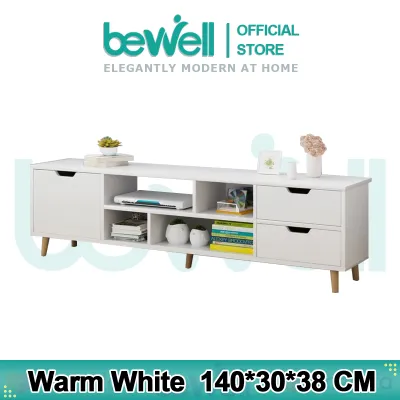
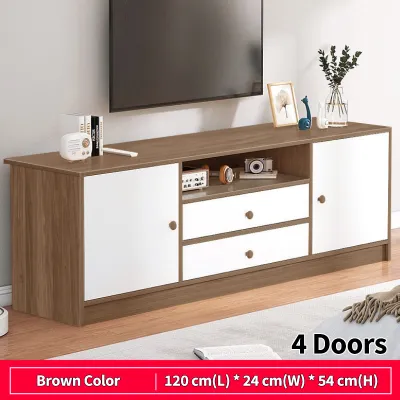
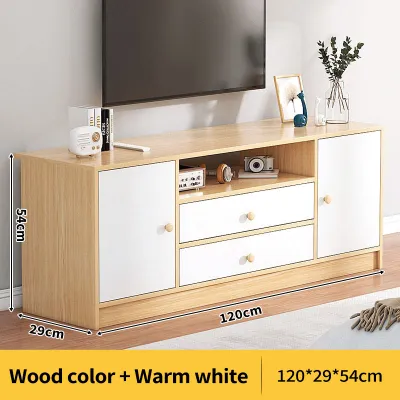
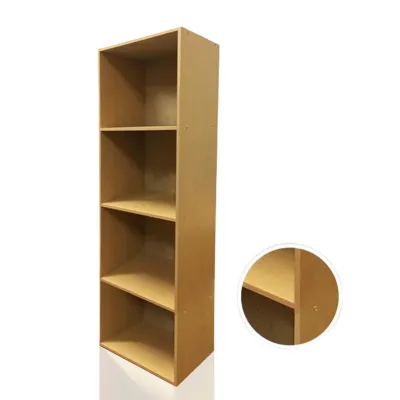
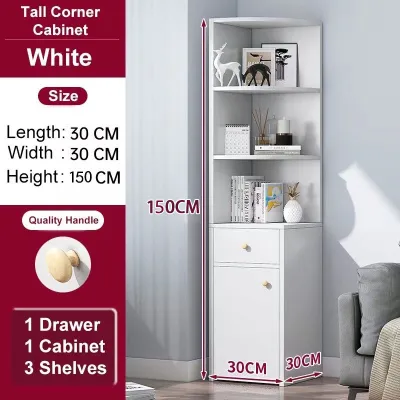
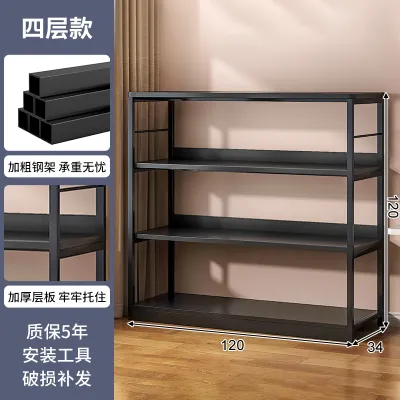
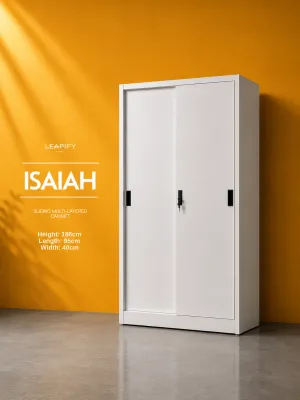
Prices are valid at publication and may change. Please refer to the product page for the latest price.
Safety and protection are also critical factors when evaluating your storage needs. Fragile glassware, valuable collectibles, or items that could be hazardous to children and pets require secure, enclosed spaces. Closed cabinets with lockable doors or sturdy latches provide a protective barrier against accidental drops, curious hands, and wagging tails.
Finally, consider the physical dimensions of your collection. Standard novels, large coffee table books, and tall vases all require different amounts of vertical space. When choosing a living room cabinet rack, check if the unit features adjustable shelf heights or varied compartment sizes. This flexibility ensures that your storage can adapt as your collection grows or changes over time, preventing situations where tall items are forced to lie flat or cannot fit at all.
Match Storage Style to Your Cleaning Routine
Your local climate and personal cleaning habits play a major role in how satisfying your storage choice will feel over time. In tropical environments like the Philippines, high humidity and dust from open windows can quickly settle on exposed surfaces, turning a beautiful display into a high-maintenance chore.

Open shelving requires a commitment to regular dusting and wiping. Because there are no doors to block airborne particles, dust accumulates continuously on both the shelves and the items displayed on them. If your home is located near a busy road or if you prefer to keep windows open for natural ventilation, open shelves will likely demand weekly cleaning to keep your living room looking fresh.
Closed cabinets, by contrast, significantly reduce the time spent on upkeep. Enclosed doors act as a barrier against dust, pet hair, and airborne moisture. This protection is particularly valuable for preserving paper books, electronics, and delicate fabrics, which can deteriorate or warp when exposed to humid air and dust buildup. While cabinet doors still require occasional exterior wiping, the interior shelves remain clean for much longer periods.
When shopping, always check the manufacturer’s specifications for surface treatments and finishes. Look for materials with smooth, non-porous laminates or sealed wood finishes that resist moisture absorption and allow for easy wiping with a damp cloth. Matte finishes are excellent for hiding fingerprints, whereas high-gloss surfaces may require more frequent polishing to remove smudges, especially around door handles and touch-latches.
Evaluate Room Proportions and Visual Weight
The physical size of your living room and the visual impact of your furniture can change how spacious and comfortable the room feels. Different storage configurations alter the flow of light and the perception of open space.
Open shelves are highly valued for their ability to create an airy, lightweight feel. Because you can see through and around the structure to the wall behind it, an open living room cabinet rack can make a small or narrow room feel larger than it actually is. However, this open design comes with a design challenge: it demands consistent styling. If the shelves are packed tightly with mismatched items, the entire room can quickly feel cluttered and visually chaotic, which can increase feelings of stress in your living space.
Closed cabinets offer a clean, streamlined look that hides visual noise completely. They allow you to maintain a minimalist aesthetic even if the shelves inside are disorganized. The trade-off is that solid doors carry more visual weight. In a compact living room, a tall, fully closed cabinet can feel bulky, imposing, and block natural light, making the room feel smaller and darker.
To avoid making your room feel cramped, carefully measure your available floor space and wall dimensions before purchasing. Beyond the physical footprint of the unit, you must account for the clearance required to use the furniture comfortably. Ensure there is enough space for cabinet doors to swing fully open and drawers to extend completely without blocking walkways or bumping into coffee tables, sofas, or adjacent doors.
Explore Hybrid Options and Finalize Your Choice
If you find yourself torn between the display potential of open shelves and the low-maintenance convenience of closed cabinets, you do not have to choose just one. Hybrid furniture designs offer a balanced solution that combines the best of both worlds.
Many modern living room cabinet rack designs feature a split configuration, typically placing open shelving on the upper half and closed cabinets or drawers on the lower half. This layout is highly functional: it keeps decorative items at eye level for display while hiding heavier, less attractive items near the floor. This arrangement also keeps the visual weight low, maintaining an open feel at eye level while providing practical, hidden storage below.
To help finalize your decision, use this quick diagnostic checklist to evaluate your household priorities:
- Display Priority: Do you have a collection of books or decor that you actively want to showcase? If yes, prioritize open shelving or glass-front cabinets.
- Maintenance Tolerance: Are you willing to dust open shelves and individual items at least once a week? If no, lean heavily toward closed doors.
- Spatial Constraints: Is your living room small or poorly lit? If yes, consider open frames or hybrid units with light-colored finishes to keep the space feeling bright.
- Clutter Control: Do you need to store mismatched items, electronics, or paperwork? If yes, ensure at least half of your storage is enclosed.
Once you have identified your ideal style, outline your immediate next steps before making a purchase. Verify the exact outer dimensions of the unit to ensure it fits your designated wall space. Check the manufacturer’s specified weight capacity for each shelf to ensure it can safely support your books or heavy decorative items. Finally, review the assembly and installation requirements, paying close attention to whether the unit requires wall-anchoring for stability.
Frequently Asked Questions (FAQ)
Is it practical to mix open shelves and closed cabinets in one unit?
Yes, mixing both styles in a single hybrid unit is highly practical and visually appealing. Placing closed storage at the bottom and open shelves at the top improves visual balance by keeping the heavier visual weight near the floor. This setup also enhances safety by keeping heavy, bulky items stored low. Many modular storage systems allow you to customize and reconfigure shelves, drawers, and doors over time, giving you the flexibility to adjust your storage as your household needs evolve.
How can I secure open shelves in a home with toddlers or pets?
Securing your furniture is essential for preventing tip-over accidents. Always check the manufacturer’s instructions and use the included wall-anchoring kits to secure the living room cabinet rack firmly to the wall. When organizing your items, place your heaviest books and storage boxes on the lowest shelves to lower the unit’s center of gravity. Keep fragile items, plants, and tempting toys on higher shelves out of reach of children and pets to minimize climbing hazards.
What measurements should I check before buying a living room cabinet rack?
Before purchasing, measure the overall height, width, and depth of the space where the unit will stand. You must also measure the diagonal depth and width of your doorways, hallways, and stairwells to ensure the packaged furniture can be delivered safely into your home. On-site, account for the thickness of baseboards, the location of power outlets, and the swing radius of nearby doors, windows, or other furniture pieces to ensure completely unobstructed access.
Community discussion
Share your experience or ask a question. Comments are reviewed before publication.