
Choosing the right furniture for a compact 20 square meter living space requires balancing comfort, style, and utility. In a limited layout, a sofa with storage serves as a highly effective dual-purpose piece, helping you maximize floor space while keeping daily clutter out of sight. However, not all storage mechanisms are suited for every room configuration.
The optimal storage sofa for your space depends on your ceiling height, floor clearance, and how often you need to access your stored items. An ottoman sofa is best for deep, seasonal storage because it utilizes vertical space without extending into the room. A pull-out sofa is ideal if you require frequent access to daily essentials or need an extra guest bed, provided you have clear floor space in front of the unit. A modular storage sofa offers the greatest layout flexibility for awkward corners and tight entryways, though it typically features smaller, segmented storage compartments.
How Ottoman, Pull-Out, and Modular Sofas Operate
Ottoman (Lift-Up/Box) Storage
Ottoman storage sofas utilize a gas-lift or spring-assisted hinge mechanism that allows you to lift the entire seating platform upward. This action reveals a spacious, undivided storage compartment built directly into the sofa’s base frame. Because the storage area spans the entire footprint of the seating section, it provides the largest single volume of storage space among the three types.
Products mentioned in this guide
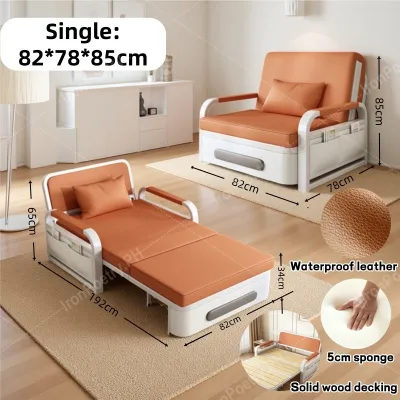
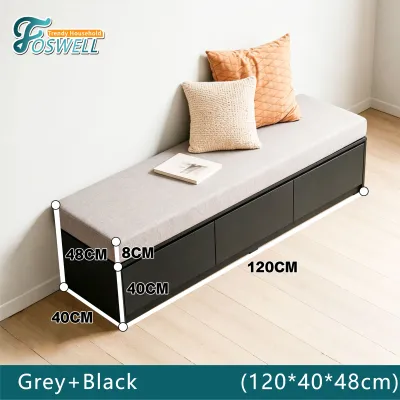
![[Manila 24-hour Boat] 88/108/128/158*78*85CM Foldable Sofa Bed with Storage Cabinet Dual Purpose Small Unit Living Room Lazy Person Sofa Single/Double/Queen Size with Roller Sofa Bed Side Pocket Multi-functional Telescopic Bed 2 Free Throw Pillows](https://img.lazcdn.com/g/p/6b1f7448cee77492697016c498ba8b44.jpg_400x400q80.jpg_.webp)
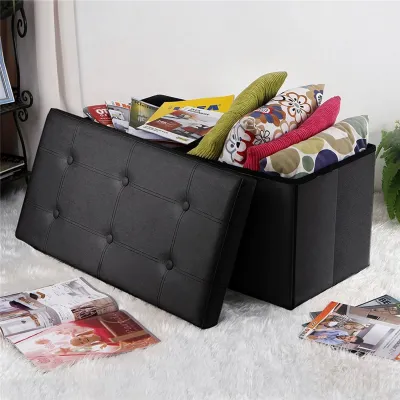
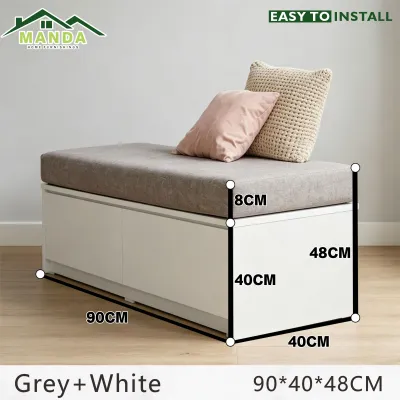
Prices are valid at publication and may change. Please refer to the product page for the latest price.
Operating an ottoman sofa requires vertical clearance and a moderate amount of physical effort to initiate the lift, even with gas-strut assistance. You must also ensure that loose items, heavy throws, or decorative pillows are removed from the seat cushions before lifting the platform. Once raised, the mechanism holds the seat in place, allowing you to use both hands to organize or retrieve items from the deep base.
Pull-Out (Drawer/Trundle) Storage
Pull-out storage sofas feature drawers or a trundle bed frame that slides out horizontally from beneath the main seat cushions. These drawers typically run on metal tracks mounted to the inner frame or utilize small floor casters that roll directly across your living room floor. This design provides quick, convenient access to stored items without requiring you to lift heavy seating sections or disturb anyone sitting on the sofa.
Because the storage extends outward, this type of sofa requires a significant amount of clear floor space directly in front of the base. The sliding mechanism performs best on completely flat, hard flooring surfaces. If you have thick rugs or uneven floor transitions, the rollers can catch, making the drawers difficult to open and potentially damaging your flooring over time.
Modular Storage
Modular storage sofas consist of individual, freestanding seating units—such as chaises, corner pieces, and armless chairs—that can be arranged and locked together using metal brackets or alligator clips. Storage in modular configurations is typically integrated into specific sections, such as a lift-top chaise lounge or a hollow, matching ottoman unit that can be repositioned anywhere in the room.
This configuration offers unmatched layout flexibility, allowing you to adapt the sofa to fit irregular walls, tight corners, or changing household needs. However, because the storage is divided among separate modules, the individual compartments are smaller and less suited for very long or bulky items. The modular design is highly practical for dividing storage by category, such as keeping work-from-home accessories in one module and extra linens in another.
Space and Clearance Checks for a 20 sqm Living Room
In a typical 20 square meter living room, the actual space allocated for the seating area is often limited to a small fraction of the total footprint once you account for doorways, dining areas, and media consoles. To maintain a comfortable and functional home, you must carefully calculate the usable floor area and preserve standard ergonomic clearances.

Walkway clearance is the most critical spatial factor in a compact layout. You should maintain a minimum of 60 to 70 centimeters of clear pathway space around the sofa to allow household members to move freely without bumping into furniture. If you choose a pull-out sofa, you must add the full depth of the extended drawers or trundle bed to the sofa’s closed depth, ensuring that the fully opened unit still leaves enough room for comfortable passage.
Vertical clearance is equally important when considering an ottoman lift-up sofa. Before purchasing, measure the height of your ceiling and check for any low-hanging fixtures, such as pendant lights, ceiling fans, or wall-mounted air conditioning units. A lifting seat platform can easily strike these fixtures if the sofa is positioned directly beneath them, risking damage to both the furniture and your home installations.
Flooring conditions play a major role in how easily you can operate pull-out and modular sofas. High-pile area rugs, raised floor thresholds, or uneven tiles can obstruct sliding drawers and make modular reconfiguration physically demanding. If your living room features delicate hardwood or vinyl plank flooring, look for pull-out mechanisms with rubber-coated casters rather than hard plastic wheels to prevent scratching and scuffing during daily use.
Storage Sofa Comparison Matrix
| Sofa Type | Mechanism | Required Clearance | Best For Storing | Ideal Layout Condition |
|---|---|---|---|---|
| Ottoman | Gas-lift or spring-assisted vertical hinge | High vertical clearance above the seat cushions | Bulky bedding, seasonal clothes, travel luggage | Narrow rooms with limited floor space in front of the sofa |
| Pull-Out | Horizontal sliding drawers or trundle tracks | Ample horizontal floor space in front of the base | Daily essentials, kids' toys, guest bedding | Wide layouts with clear pathways and hard, level flooring |
| Modular | Repositionable units with individual lift-tops | Flexible footprint; space to move individual modules | Small electronics, work files, throw blankets | Irregular room shapes, awkward corners, or tight entryways |
Decision Framework: Which Type Should You Choose?
Choose Ottoman if:
- You need to store bulky, seasonal items: The deep, undivided box compartment is ideal for items you only need to access occasionally, such as heavy winter blankets, extra pillows, or holiday decorations.
- Your floor space is highly restricted: If your coffee table sits close to the sofa or if your living room walkway is narrow, the vertical lift mechanism allows you to access storage without needing to clear the floor area in front of the sofa.
- You want a clean, seamless look: Because the storage is completely enclosed within the base frame, the sofa maintains a sleek, traditional appearance with no visible seams, handles, or drawer tracks.
Choose Pull-Out if:
- You require frequent, daily access to your items: The sliding drawers allow you to quickly grab or put away items like children's toys, exercise gear, or work-from-home accessories without disrupting the entire seating setup.
- You frequently host overnight guests: Many pull-out storage sofas double as sleeper beds, providing a highly efficient way to transform your compact living room into a temporary guest room.
- You have a wide, open layout: This option works perfectly if your living room layout allows you to easily move your coffee table aside or if you have a wide clearance path in front of the television console.
- Your flooring is smooth and level: Hardwood, laminate, polished concrete, or flat vinyl tiles provide the ideal surface for smooth drawer operation.
- You prefer low-effort access: Sliding a drawer horizontally requires significantly less physical lifting force than raising a hinged seating platform.
Choose Modular if:
- Your living room has an irregular shape: If your room features structural columns, angled walls, or awkward alcoves, modular pieces can be configured to hug the walls and maximize every corner.
- You enjoy changing your room layout: The ability to separate and move individual modules allows you to easily refresh your living space or adapt the seating arrangement for social gatherings.
- Your home has tight access points: If your building has narrow hallways, small elevators, or tight staircase turns, delivering a large, single-piece sofa can be extremely difficult. Modular sofas arrive in smaller, separate boxes that are much easier to transport and assemble.
Verify first if:
- The room has low-hanging fixtures: Ensure that ceiling fans, pendant lights, or wall shelves will not obstruct the path of an ottoman lid or a high-back modular piece.
- The flooring is prone to scratching: Check the underside of pull-out drawers and modular feet to ensure they are equipped with protective pads or soft wheels.
- The sofa frame is constructed from durable materials: Storage sofas undergo extra physical stress from lifting, pulling, and shifting. Verify that the frame is made from sturdy solid wood or reinforced metal to ensure long-term stability.
Pre-Purchase Measurements and Delivery Checks
Before finalizing your purchase, it is essential to perform a series of physical verifications to ensure the sofa fits your space and can be delivered safely. Start by measuring the sofa’s maximum dimensions when fully expanded. For an ottoman sofa, measure the total height from the floor to the top edge of the seat lid when it is fully raised. For a pull-out sofa, measure the total depth of the unit with the drawers or trundle bed fully extended to ensure it does not collide with your media console or block emergency exit paths.
Next, carefully plan the delivery route from the building entrance to your living room. In high-rise residential buildings, measure the height, width, and depth of the service elevator, as well as the clearance of any tight staircase turns and hallway corners. Measure the clear width of your unit’s main entrance door and any interior doorways the sofa must pass through. Large, heavy pull-out sofas often require wide clearance, whereas modular sofas can easily navigate tight spaces because they are transported in separate, smaller packages.
Finally, review the manufacturer’s specifications regarding weight limits, structural stability, and assembly requirements. Ensure that the storage compartments are rated to hold the weight of your intended items without sagging. If you are choosing a modular sofa, check the connection hardware to ensure the brackets are strong enough to keep the modules securely locked together on your specific flooring type, preventing the sections from drifting apart when you sit down.
Frequently Asked Questions (FAQ)
Can a storage sofa cause moisture or mold issues in a compact condo?
In tropical environments with high humidity, closed storage compartments can trap moisture, creating an environment prone to mold, mildew, and musty odors. This risk is higher if the sofa is pushed flush against an exterior concrete wall, which can transfer temperature changes and condensation to the furniture frame.
To prevent moisture buildup, ensure that all items are completely dry before placing them in the storage compartments. You can also place moisture-absorbing silica gel packets or small dehumidifier boxes inside the storage areas. When positioning your sofa, leave a gap of at least 5 centimeters between the back of the sofa and the wall to promote healthy airflow around the furniture.
How do I clean and maintain the moving parts of a storage sofa?
Dust, pet hair, and small debris can easily accumulate in drawer tracks, hinge joints, and modular brackets, causing them to squeak, stick, or become misaligned over time. Regular maintenance is essential to keep these moving parts operating smoothly and to extend the lifespan of your furniture.
Perform a visual inspection of the hardware every few months, and use a vacuum cleaner with a crevice tool attachment to remove dust from drawer tracks and hinges. Check the manufacturer’s care instructions before applying any lubricants; many brands recommend using a dry silicone spray on metal tracks and hinges while avoiding heavy oils that can attract more dust. Additionally, periodically check and tighten any loose screws, bolts, or modular connector brackets to maintain the structural integrity of the frame.

Community discussion
Share your experience or ask a question. Comments are reviewed before publication.