
Quick Answer: Top Features for Outdoor Garden Tool Storage
When selecting an outdoor bench storage system for gardening tools, the ideal unit must balance secure, organized storage with a durable, functional seating surface. In tropical climates characterized by intense sun and heavy seasonal rainfall, weather resistance is the single most critical factor. Look for units featuring certified UV protection and moisture-resistant construction to prevent warping, fading, or leaking.
Beyond basic weatherproofing, prioritize a robust, lockable latching system to safeguard valuable tools from theft and moisture. High-quality interior organization, such as adjustable shelving, integrated tool hooks, and deep bins, prevents clutter and protects delicate hand tools from damage. Finally, ensure the bench offers ergonomic seating comfort with a high load capacity, transforming a practical storage box into a reliable resting spot in your garden.
Key Specifications to Evaluate Before Buying
Evaluating an outdoor bench storage unit requires looking beyond aesthetic appeal. To ensure the furniture survives harsh outdoor elements while keeping your tools clean and dry, you must analyze specific structural and design specifications.
Products mentioned in this guide
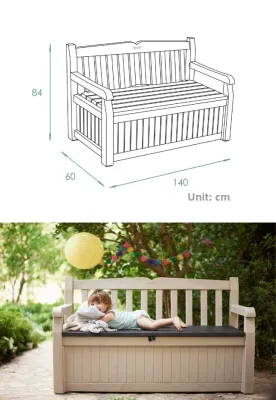
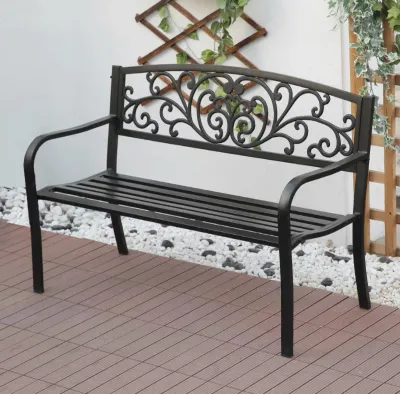
Prices are valid at publication and may change. Please refer to the product page for the latest price.

Weatherproofing and Material Durability
In environments with high humidity and heavy rainfall, standard material labels can be misleading. A product labeled simply as “wood” or “plastic” does not guarantee long-term durability. You must verify the specific finishes, treatments, and construction methods used to seal the unit against moisture and sun damage.
For resin or plastic benches, look for manufacturer specifications indicating UV-stabilized or UV-resistant polyethylene. Without UV inhibitors, plastic degrades, becomes brittle, and cracks under intense sunlight. For wooden benches, check for protective surface treatments such as marine-grade varnishes, water-resistant polyurethane coatings, or pressure treatments. Joints should be reinforced with rust-proof hardware, preferably stainless steel or brass, to prevent structural failure caused by humidity.
Examine the lid design carefully. A overlapping lid with a sloped profile encourages water runoff and prevents pooling, which is a common cause of slow leaks. Look for rubber gaskets or weather-stripping along the inside rim of the lid to provide an extra barrier against wind-driven rain.
Security and Locking Mechanisms
Gardening tools, especially specialized shears, brand-name hand tools, and power equipment, represent a significant financial investment. Protecting these items from theft and unauthorized access requires a reliable locking mechanism.
Many outdoor benches feature a built-in padlock hasp. When evaluating this feature, verify that the hasp is made of reinforced metal rather than molded plastic, which can be easily cut or pried open. Check the manufacturer’s specifications to ensure the hasp opening accommodates standard padlock shackle diameters, typically between 6mm and 10mm.
If the bench features an integrated lock, look for brass or stainless steel lock cylinders that resist corrosion. The locking mechanism should ideally be shielded by an overhanging lid lip or a protective cap to prevent rainwater from entering the keyway, which can freeze or rust the internal tumblers. For maximum security, look for benches with concealed hinge designs; exposed hinges can be easily unscrewed or tapped out by intruders.
Interior Organization and Capacity
An unorganized storage bench quickly becomes a chaotic pile where tools scrape against each other, causing rust and dull blades. The internal layout must match the specific types of tools you plan to store.
Before purchasing, measure your longest tools, such as long-handled shovels, rakes, and hoes. Compare these measurements against the internal length of the bench. Many standard benches are ideal for small hand tools but cannot accommodate long-shafted equipment without placing them diagonally, which wastes valuable space.
For smaller items like trowels, pruners, gloves, and seed packets, look for benches that include or support adjustable shelving and integrated tool hooks. Removable hanging organizers or deep bins are excellent for keeping small items dry and accessible. If you plan to store heavy bags of potting soil or fertilizer, check the weight capacity of the bench floor. A reinforced floor panel, supported by center joists or thick molded ribs, prevents sagging and keeps heavy items elevated off damp ground.
Material Comparison: Choosing the Right Build for Your Climate
Selecting the right material involves balancing maintenance requirements, security needs, and how well the structure withstands local weather conditions. The table below outlines the key differences between common outdoor bench materials.
| Material Type | Required Maintenance & Surface Treatment | Security Level | Best Use Case |
|---|---|---|---|
| Resin / Plastic | Minimal; occasional washing with water and mild soap. | Moderate; requires metal-reinforced lock hasps. | High-humidity, high-rainfall coastal areas and uncovered patios. |
| Treated Wood | High; annual sealing, staining, or oiling to prevent rot. | Moderate to High; sturdy wood frames resist basic prying. | Covered patios, traditional gardens, and active potting stations. |
| Powder-Coated Metal | Moderate; regular inspection for scratches and rust touch-ups. | High; rigid steel or aluminum panels resist forced entry. | Shaded areas requiring high-security storage for power tools. |
Resin and high-density plastic are highly popular due to their resistance to rot, rust, and insect damage. However, in regions with extreme heat, low-quality plastics can warp. Always verify that the resin contains UV-resistant additives before placing it in direct sunlight.
Treated wood offers a classic, natural aesthetic that blends seamlessly into garden landscapes. However, wood is highly sensitive to moisture fluctuations. In humid climates, wood expands and contracts, which can loosen joints over time. Annual applications of water-repellent sealants are necessary to maintain structural integrity and prevent fungal decay.
Powder-coated metal, such as steel or aluminum, provides exceptional strength and security. Aluminum is naturally rust-resistant, while steel must feature a high-quality powder coating to prevent corrosion. If the coating is scratched, moisture will quickly reach the underlying metal, leading to rust. Metal benches also absorb significant heat, so they should be positioned in shaded areas to protect the contents inside.
Recommended Storage Bench Types for Different Gardening Needs
Different gardening styles and yard layouts require distinct storage solutions. Matching your daily gardening routine to the right bench type ensures maximum utility.
Heavy-Duty Resin Deck Box Bench
For gardeners seeking a low-maintenance, high-capacity storage solution, a heavy-duty resin deck box bench is highly recommended. These units are specifically designed to withstand prolonged exposure to heavy rain and high humidity without rusting, peeling, or rotting. They are ideal for storing bulky items such as large bags of potting soil, garden hoses, watering cans, and plastic pots.
The primary advantage of resin is its durability and ease of cleaning; a quick spray with a garden hose is usually enough to remove mud and organic debris. However, these benches often lack built-in interior organization. To maximize usability, you may need to purchase aftermarket plastic bins or baskets to keep smaller hand tools from getting lost at the bottom. Additionally, ensure the product specifications explicitly state the inclusion of UV inhibitors to prevent the material from fading or becoming brittle under intense solar exposure.
Wooden Potting Bench with Under-Storage
If you need an active workspace in addition to storage, a wooden potting bench with built-in lower storage is an excellent choice. These units typically feature a waist-height work surface for transplanting seedlings and mixing soil, with cabinets, shelves, or drawers located underneath.
Look for designs that incorporate slatted lower shelves. Slats allow excess water and loose soil to drain freely to the ground, preventing moisture from pooling around stored pots or hand tools. This open-airflow design is highly beneficial for drying out damp gloves and keeping frequently used tools within arm’s reach.
Because these benches are made of wood, they require diligent maintenance. You must regularly inspect the joints for signs of wood rot, mold, or insect infestation, especially in damp, shaded garden corners. Applying a fresh coat of exterior-grade wood sealer every one to two years is essential to preserve the wood’s structural integrity.
Lockable Metal Patio Storage Bench
For those who store high-value gardening equipment, such as electric hedge trimmers, leaf blowers, or expensive brass nozzle attachments, a lockable metal patio storage bench offers the highest level of security. The rigid construction of steel or aluminum panels makes these benches highly resistant to forced entry.
When choosing a metal bench, prioritize models with galvanized or powder-coated finishes to protect against rust. Look for robust, reinforced hinges and heavy-duty latching systems.
Keep in mind that metal benches conduct heat rapidly. If placed in direct sunlight, the internal temperature can rise significantly, which can damage lithium-ion tool batteries, aerosol garden sprays, or chemical fertilizers. To prevent this, position metal storage benches under a porch, awning, or dense tree canopy. Regularly inspect the seams and corners for any chips in the paint, and touch them up immediately with rust-inhibiting paint to prevent corrosion from spreading.
Pre-Purchase Checklist: Space, Assembly, and Safety Verification
Before making your final purchase, perform these physical and structural checks to ensure the bench fits your space, is safe to assemble, and remains stable during use.
- Measure Available Space and Access Routes: Measure the footprint of the area where the bench will stand. Additionally, measure the width of your doorways, garden gates, and patio pathways to ensure the delivery box or fully assembled bench can be safely transported to its final location.
- Verify Seating Load Capacity: Ensure the manufacturer specifies the maximum weight capacity for the seating surface. A reliable two-person bench should safely support at least 200 kg to 250 kg. Avoid benches that do not clearly state their seating load limits.
- Check Structural Stability and Anchoring: Look for benches with a low center of gravity. If you live in an area prone to strong winds or typhoons, verify if the bench includes anchoring brackets or pre-drilled holes in the base, allowing you to secure it to a concrete patio or wooden deck.
- Assess Assembly Complexity: Review the assembly instructions before buying. Check what tools are required (e.g., screwdrivers, hex keys, or rubber mallets) and whether the hardware is included. Benches with pre-assembled panels or snap-together joints are easier to build but may have slightly lower structural rigidity compared to bolt-together designs.
- Confirm Safety Features for Children and Pets: If children or pets play in your garden, look for a lid equipped with safety hinges or gas struts. These mechanisms prevent the heavy lid from slamming shut suddenly, protecting small hands and fingers from injury. Ensure the latch mechanism cannot accidentally lock a child or pet inside.
Frequently Asked Questions (FAQ)
Can I leave gardening chemicals and fertilizers in an outdoor bench?
Always check the product labels on your gardening chemicals, pesticides, and fertilizers for specific storage temperature limits. Storing volatile, flammable, or temperature-sensitive chemicals in unventilated or heat-absorbing boxes, especially metal ones exposed to direct sunlight, can cause the chemicals to degrade or release hazardous fumes. Keep all chemicals in their original, tightly sealed containers, and store them in a cool, shaded, and well-ventilated area away from direct heat.
How do I prevent mold and rust on tools stored inside?
To prevent mold and rust, thoroughly clean and dry all gardening tools before placing them inside the bench. Ensure the bench has built-in ventilation grills or small air vents to promote airflow and reduce humidity. You can place silica gel packs or moisture-absorbing canisters inside the storage compartment to capture excess dampness. Periodically inspect the bench’s weather seals and clear any debris from the drainage holes to prevent water from accumulating at the base.
Community discussion
Share your experience or ask a question. Comments are reviewed before publication.