
Choosing the right slipper rack organizer depends on your closet’s physical layout, door clearance, and floor space. If you have zero floor space but a sturdy door, an over-the-door rack is ideal. If you have open floor space and want easy access, a freestanding rack works best. If your footwear collection is growing and you want modular flexibility, stackable racks are the superior choice.
In the Philippines, indoor slippers are a staple of daily life, helping keep outdoor dirt and heat away from living spaces. However, storing multiple pairs of slippers, slides, and sandals can quickly clutter a closet entryway or bedroom floor. High humidity levels also mean that footwear stored in dark, unventilated corners is highly susceptible to mold, mildew, and unpleasant odors. Choosing the right slipper rack organizer is not just about saving space; it is about protecting your footwear and maintaining a hygienic home environment.
Before purchasing any organizer, you must evaluate your closet’s physical constraints, measure your doors, and check your floor space. This guide will walk you through the exact measurements, pros and cons of each style, and a decision framework to help you choose the perfect fit.
Products mentioned in this guide


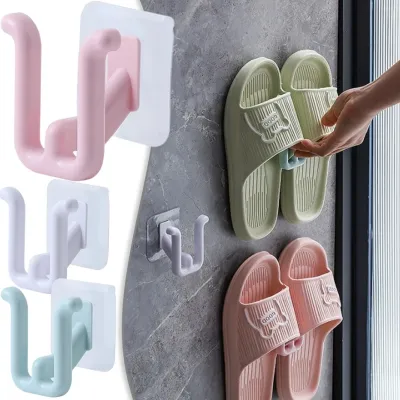
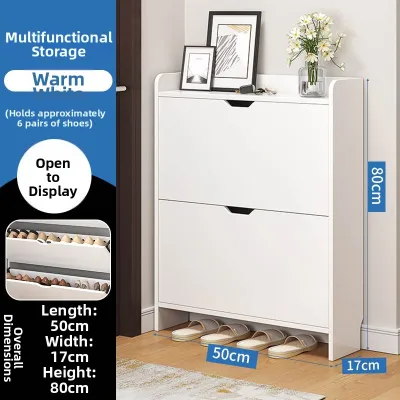
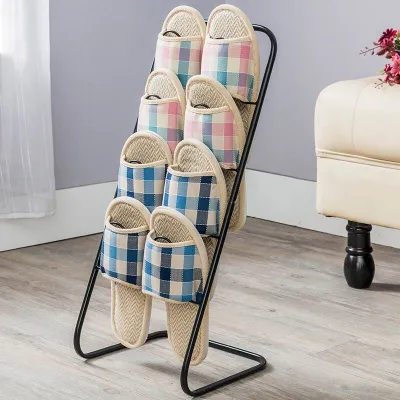
Prices are valid at publication and may change. Please refer to the product page for the latest price.
Assessing Your Closet Layout and Door Clearance
Before browsing online marketplaces or local home improvement stores, you must measure your physical closet space to determine which mounting styles are viable. Start by measuring the available floor footprint, noting the exact width, depth, and height of the open ground area. Be sure to account for existing obstructions such as baseboards, sliding door tracks, low-hanging clothes, or closet rods that could block a tall organizer.
Next, evaluate your closet doors to see if they can support an over-the-door system. Measure the door thickness using a ruler or caliper, as most hanging hooks are designed for standard door profiles. You also need to check the clearance gap between the top of the door and the frame; a gap of at least 2mm is typically required to allow the door to close smoothly without scraping. Note the hinge type and frame depth, as these factors influence how far the door can open when a rack is attached.
Identifying your primary storage bottleneck is the final step in this assessment. If your closet floor is already crowded with storage boxes, travel bags, or plastic bins, your floor space is at a premium, making vertical or door-mounted options highly attractive. Conversely, if your hanging clothes leave plenty of open space below, a floor-standing unit can utilize that empty ground area without interfering with your doors.
Over-the-Door Racks: Maximizing Vertical Space Without Floor Footprint
Over-the-door slipper racks are excellent space-savers because they utilize the vertical plane of your closet door, leaving your floor completely clear. This style is particularly useful in compact bedrooms or studio apartments where every square inch of floor space matters. However, hanging organizers place all the weight of your footwear directly onto the top of the door and its hinges, which requires careful consideration of weight distribution.

When fully loaded with slippers, sandals, and heavier footwear, an over-the-door rack can put significant stress on the door frame and hinges. Solid wood doors are highly resilient and can easily support this weight, but hollow-core doors require more caution. Hollow-core doors have limited internal support, meaning heavy loads can cause the hinge screws to strip or the door itself to warp over time. Always check the manufacturer’s weight limits and inspect your door hinges regularly for any signs of sagging.
Another potential drawback of over-the-door models is the physical interference they can cause. Without proper stabilization, the rack can swing, rattle, or bang against the door when it is opened or closed, creating noise and potentially scratching the door’s finish. To prevent this, look for organizers that include felt backing, rubber bumpers, or adhesive stabilizers to keep the unit firmly in place. Additionally, ensure the rack’s depth does not prevent the door from opening fully against the adjacent wall.
Freestanding Racks: Flexible Placement for Open Closet Floors
Freestanding slipper racks offer unmatched flexibility because they can be placed anywhere on your closet floor, under hanging clothes, or even in an entryway. This style does not require any mounting hardware or door clearance, making it an easy, assembly-friendly option for renters. However, because they sit directly on the ground, you must carefully assess their base footprint relative to your available aisle space.
When choosing a freestanding rack, ensure its depth does not interfere with the operation of your closet doors, especially if you have sliding or bifold doors. The rack should sit securely on a level surface without wobbling. Stability is a key consideration, as floor-standing units can become top-heavy if loaded incorrectly. Placing heavier footwear on the upper tiers shifts the center of gravity upward, increasing the risk of the rack tipping over when bumped.
One of the greatest benefits of a freestanding organizer is the ease of cleaning and maintenance. In humid tropical climates, dust and moisture can quickly accumulate under and behind closet furniture, creating a breeding ground for mold. A freestanding rack can be easily lifted or slid out of the way, allowing you to sweep, vacuum, or wipe down the floor beneath it. Some models even feature lockable caster wheels, making repositioning completely effortless.
Stackable Racks: Modular Expansion for Growing Footwear Collections
Stackable slipper racks provide a modular solution that can grow alongside your footwear collection. These systems consist of individual tiers or small units that lock together vertically, allowing you to customize the height and capacity of your storage. This modularity is ideal for maximizing the vertical space beneath short-hanging garments like shirts or jackets, where a standard-height rack might not fit.
The structural integrity of a stackable rack depends heavily on its interlocking mechanisms. Manufacturers use various connection methods, such as plastic clips, metal dowels, or interlocking frame grooves, to secure the units together. It is crucial to verify that these connections are tight and secure during assembly, as loose joints can cause the entire tower to lean or wobble. Always follow the manufacturer’s guidelines regarding the maximum safe stacking height to prevent structural failure.
Another advantage of stackable designs is the ease of adjusting the configuration. If you acquire more slippers or need to clear space for taller boots, you can easily add or remove individual tiers without disassembling the entire structure. However, keep in mind that the bottom unit bears the weight of all the stacked tiers above it. You must check the product specifications to ensure the total weight of your footwear does not exceed the load capacity of the base unit.
Decision Framework: Matching the Right Rack to Your Closet
To finalize your choice, you must match your specific spatial constraints and usage habits to the strengths of each rack type. Your decision should balance floor availability, door structural integrity, and how often you need to access your footwear. By analyzing these factors, you can select an organizer that integrates seamlessly into your daily routine.
Choose an over-the-door rack if you have zero available floor space, your closet door is sturdy (preferably solid wood or reinforced hollow-core), and there is at least 2mm of clearance at the top of the door frame. This option is perfect for keeping your slippers completely out of sight while utilizing otherwise wasted vertical space. It is also highly suitable for single users with a moderate number of lightweight slippers.
Choose a freestanding rack if you have ample floor space beneath your hanging clothes, your closet uses sliding or bifold doors that cannot accommodate hanging hooks, and you prefer quick, eye-level access to your footwear. This style is ideal if you want the flexibility to move the organizer for routine cleaning or if you live in a rental property where wall mounting is not permitted.
Choose a stackable rack if your footwear collection is constantly changing, you have variable vertical space under different sections of your closet rod, and you want a customizable solution. This option is best for users who are willing to perform basic assembly and secure the unit to prevent tipping. It allows you to maximize vertical space incrementally as your storage needs grow.
| Rack Type | Space Requirement | Stability Needs | Installation Effort | Best Suited For |
|---|---|---|---|---|
| Over-the-Door | Zero floor space; requires door clearance | High hinge strength; minimal swinging | Low (hangs over door) | Small closets, single users |
| Freestanding | Dedicated floor footprint | Low center of gravity; level floor | Low to Medium (basic assembly) | Walk-in closets, spacious floors |
| Stackable | Small to medium floor footprint; vertical space | Secure interlocking; anti-tip anchoring | Medium (modular assembly) | Growing collections, custom spaces |
Essential Measurements and Safety Checks Before You Buy
Before finalizing your purchase of a slipper rack organizer, performing a few precise measurements and safety checks can save you from installation headaches or potential property damage. First, measure your closet door’s thickness and compare it to the hook dimensions of any over-the-door model you are considering. A hook that is too narrow will not fit over the door, while one that is too wide will wobble, scratch the paint, and cause the door to stick.
Next, carefully read the manufacturer’s product labels and manuals for weight limits and stacking restrictions. Never assume a rack can hold unlimited weight; slippers and slides may seem light, but a dozen pairs can add up to several kilograms. If you are opting for a stackable or tall freestanding unit, check if your floor is level. An uneven floor can cause a tall organizer to lean, putting uneven stress on the joints and increasing the risk of a tip-over.
Finally, plan for safety measures if your organizer exceeds a safe height-to-base ratio. If a freestanding or stacked rack is tall and narrow, it is highly recommended to use anti-tip hardware, wall anchors, or adhesive straps to secure it to the closet wall. This safety check is especially critical in households with young children or active pets who might pull on the rack, ensuring your closet remains a safe and organized space.
Frequently Asked Questions (FAQ)
Can I use an over-the-door rack on a hollow-core door?
Yes, you can use an over-the-door rack on a hollow-core door, but you must exercise caution regarding the total weight. Hollow-core doors are constructed with a thin outer veneer over a honeycomb cardboard core, meaning they lack solid internal wood framing except along the outer edges. Because of this, hanging a heavy rack loaded with multiple pairs of heavy shoes can strain the hinges, strip the hinge screws, or cause the door to warp over time. To prevent damage, limit the rack to lightweight slippers and slides, and regularly check the door hinges for any signs of sagging or loosening.
How do I prevent freestanding or stackable racks from tipping over?
To prevent freestanding or stackable racks from tipping, always place your heaviest footwear on the bottom shelves to lower the overall center of gravity. Ensure the rack is positioned on a flat, level floor; you can use felt pads or adjustable leveling feet to compensate for uneven tiles or floorboards. For tall stackable units or narrow freestanding racks, it is highly recommended to install anti-tip straps or wall anchors secured to the closet wall or studs. This extra step provides crucial stability, especially in busy households where the rack might be accidentally bumped or pulled.
Community discussion
Share your experience or ask a question. Comments are reviewed before publication.