
Choosing between solid plastic and folding heavy duty crates depends entirely on your specific moving conditions, post-move storage constraints, and the types of items you need to transport. While both options offer robust protection compared to standard cardboard boxes, their structural designs create distinct trade-offs in stacking strength, weather resistance, and space efficiency. Solid plastic crates provide maximum structural integrity and weather protection, making them ideal for heavy items and open-truck transport during the rainy season. Folding crates, on the other hand, offer unmatched space efficiency once collapsed, making them highly suitable for condominium living where storage space is at a premium.
Moving house in the Philippines involves unique challenges, from sudden tropical downpours to navigating tight hallways in high-rise developments. Standard cardboard boxes often soften under high humidity or tear when overloaded. Heavy duty crates offer a reusable, weather-resistant alternative, but selecting the wrong type can lead to collapsed stacks or a home cluttered with empty, bulky containers after the move.
Assessing Your Moving and Storage Conditions
Before purchasing any packing containers, evaluate the physical constraints of both your current and future homes. If you are transitioning into a studio unit or a compact condominium in Metro Manila, storing dozens of rigid, non-collapsible containers after unpacking can quickly overwhelm your living space. Conversely, if you have a dedicated garage, utility room, or spacious closets, keeping solid crates on hand for future organization is highly feasible.
Products mentioned in this guide
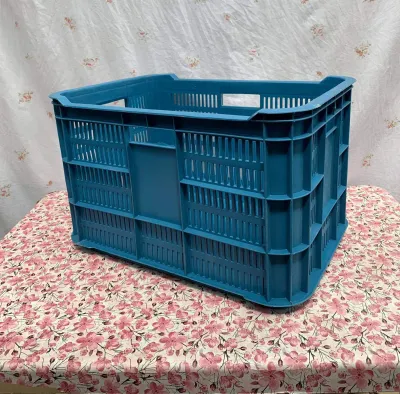
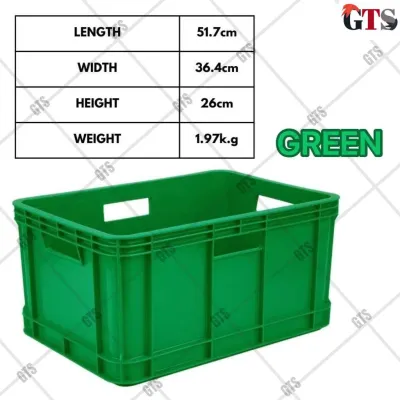
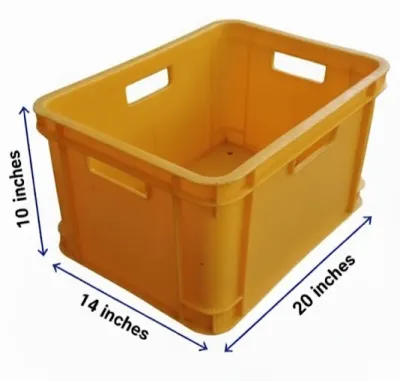
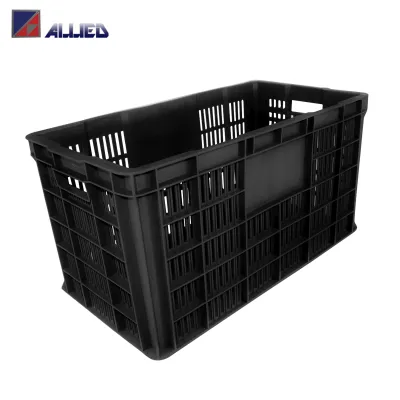
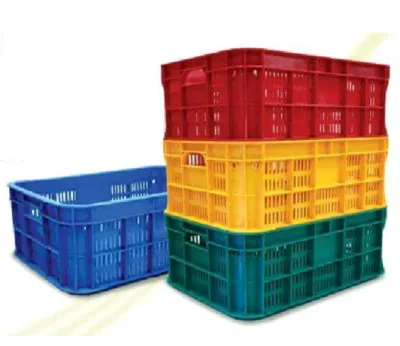
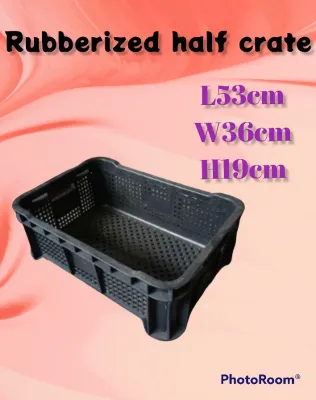
Prices are valid at publication and may change. Please refer to the product page for the latest price.
Weather is another critical variable. Moving during the wet season means your belongings may face high humidity or direct exposure to rain during loading and unloading. Open-air utility vehicles or traditional transport options offer minimal protection from water splashes. If your route involves unpredictable weather, the sealing capability of your containers becomes a primary safety factor.
Finally, categorize your belongings by weight and fragility. Heavy kitchenware, books, and tools require rigid support to prevent the bottom of the container from bowing. Fragile electronics, documents, and clothing need protection from dust and moisture. Mapping out your inventory helps determine whether you require the unyielding structure of solid walls or the convenience of collapsible panels.
Solid Plastic Heavy Duty Crates: Features and Limitations
Solid plastic heavy duty crates are molded as single, continuous pieces of high-density plastic, offering exceptional structural rigidity. To determine their suitability for your heaviest items, check the manufacturer specifications or look for molded labels on the bottom or sides of the crate. These markings often indicate the maximum load capacity and safe stacking limits, which are crucial when piling multiple loaded crates inside a moving truck.

The primary limitation of solid crates is their permanent physical footprint. Unlike cardboard boxes that can be flattened, these containers occupy the same amount of space whether they are full of valuables or completely empty. If you plan to store them long-term, you must dedicate a permanent area in your home, garage, or storage unit to accommodate their fixed dimensions.
When evaluating solid crates, pay close attention to the lid mechanisms and latch durability. High-quality solid crates often feature interlocking lids or heavy-duty snap latches that keep the cover securely fastened during transit. Inspect the seal integrity along the rim; a tight fit prevents dust, pests, and ambient moisture from entering, which is particularly important when storing items in humid tropical environments.
Folding Heavy Duty Crates: Features and Limitations
Folding heavy duty crates feature hinged walls that allow the container to collapse flat when not in use. While this design offers incredible convenience, it introduces mechanical joints that require careful inspection. Before packing, review the folding mechanisms and hinge stability. The hinges must be robust enough to remain locked and rigid even when subjected to shifting loads during transit over uneven roads.
The standout feature of collapsible crates is their space-saving ratio. When folded, these crates typically reduce their height by seventy to eighty percent. This allows you to stack dozens of empty crates compactly in a closet or under a bed, making them an excellent choice for urban homes with limited storage. It also simplifies the process of returning empty crates if you are renting them for the move.
However, the folding design compromises overall structural strength. You must inspect the base rigidity and the side-wall locking features before loading heavy items. If the locking tabs are worn or poorly designed, a sudden bump during transport could cause the walls to disengage, leading to a structural failure. Consequently, these crates are generally better suited for moderate, evenly distributed loads rather than dense, extremely heavy goods.
Key Comparison Dimensions for Moving
To make an informed choice, compare both crate types across durability, weather resistance, and post-move utility. Durability is largely determined by material thickness and joint reinforcement. Solid crates have no moving parts, meaning there are no hinges to wear out or snap under pressure. Folding crates, while highly engineered, possess multiple failure points along their seams and hinges, requiring gentler handling over multiple moving cycles.
Weather and moisture resistance differ significantly between the two designs. Solid-walled plastic crates, especially those without drainage holes, provide an excellent barrier against splashes and high humidity. Folding crates, by contrast, often feature perforated walls to reduce weight and facilitate folding. Even solid-walled folding models have seams where the panels meet, which can allow moisture, dust, or insects to seep in during outdoor transit or long-term storage.
Post-move storage efficiency and secondary uses also diverge. Solid crates can be repurposed as heavy-duty shelving inserts, garage organizers, or outdoor toy bins. Folding crates can be tucked away in a drawer or car trunk, ready to be popped open for grocery trips or temporary storage.
| Feature | Solid Plastic Crates | Folding Heavy Duty Crates |
|---|---|---|
| Stacking Strength | High; rigid walls support heavy vertical loads | Moderate; hinges limit maximum vertical weight |
| Moisture Protection | High; solid walls block rain and humidity | Low to Moderate; seams and perforations may let moisture in |
| Storage Footprint | Large; occupies full volume when empty | Minimal; collapses flat to save up to 80% space |
| Durability | High; no moving parts to wear out or break | Moderate; hinges and latches can wear over time |
| Best For | Heavy tools, books, fragile electronics, wet weather | Clothes, toys, moderate kitchenware, compact homes |
Decision Framework: Which Crate Should You Choose?
Your final decision should align with your moving logistics and living arrangements. Choose solid plastic crates if your move involves transporting heavy, dense items like books, tools, or kitchen appliances, or if you are moving during the rainy season using an open vehicle. Their superior stacking strength ensures they will not buckle under pressure, protecting your fragile items from being crushed in the truck.
Opt for folding crates if you are moving into a high-rise condominium or a home with minimal storage space, and your belongings consist mostly of lightweight or moderately heavy items like clothing, linens, and plastic toys. The ability to collapse the containers flat makes the post-move unpacking process far less stressful, as you can easily store the empty crates out of sight.
Before purchasing, verify if you are moving specialized items that require specific internal dimensions, ventilation, or custom dividers. For instance, delicate electronics may require solid walls with custom foam inserts, while fresh produce or certain household plants might benefit from the ventilation holes common in folding designs.
Frequently Asked Questions (FAQ)
Can heavy duty crates be used for long-term storage after the move?
Yes, heavy duty crates are excellent for long-term storage, but their effectiveness depends on their design. Solid plastic crates with secure, latching lids are highly recommended for protecting items from dust, pests, and humidity in tropical climates. If you plan to store crates in areas exposed to sunlight or extreme temperature fluctuations, such as a balcony or carport, check the manufacturer guidelines to ensure the plastic is UV-stabilized to prevent cracking over time.
How do I check the weight capacity of a crate before packing?
To find the weight capacity, inspect the crate for molded specifications, which are typically located on the bottom panel or under the rim. If no markings are visible, consult the product labels or the manufacturer’s official online documentation. Always distinguish between static load capacity (the weight a crate can support when stationary on a flat surface) and dynamic transit limits (the weight it can safely hold while being moved or stacked in a vibrating vehicle) to prevent structural failures during your move.
Community discussion
Share your experience or ask a question. Comments are reviewed before publication.