
Plywood is highly suitable for kitchen cabinets in the Philippines’ humid climate, provided you select the correct grade, adhesive type, and surface treatment. Unlike solid wood, which can warp significantly when exposed to tropical humidity, or low-density engineered woods that swell and disintegrate upon contact with water, high-quality plywood offers excellent structural stability. Its cross-grain construction distributes stress evenly, making it highly resilient against seasonal moisture fluctuations. However, standard interior-grade plywood will not suffice in a kitchen environment; success depends on verifying that the material is manufactured with moisture-resistant or waterproof binders and sealed properly on all sides.
Understanding Plywood Performance in High Humidity
Plywood is an engineered wood product made by gluing together thin sheets of wood veneer, known as plies, with their grains running perpendicular to one another. This cross-grain lamination is the primary reason plywood performs exceptionally well in humid environments. When wood absorbs moisture from the air, it naturally expands across the grain. Because each layer of plywood is glued at a right angle to the adjacent layer, the expansion of one ply is physically restricted by the strength of the neighboring ply. This structural design minimizes overall expansion, contraction, and warping, allowing the cabinet boxes to maintain their shape over years of seasonal weather shifts.
In contrast, solid wood expands and contracts in a single direction, which can lead to cracked joints, misaligned cabinet doors, and sticking drawers during the wet season. However, the performance of plywood is not universal. The material’s ability to resist moisture depends heavily on the quality of the wood veneers used and, more importantly, the adhesive that binds them together. If the adhesive is water-soluble or prone to breaking down under heat and humidity, the individual plies will begin to separate—a destructive process known as delamination.
Products mentioned in this guide

244 Lazada user ratings
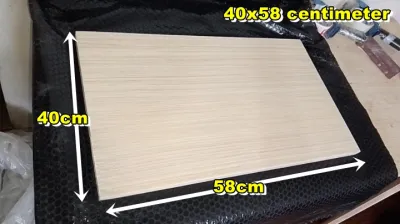
High-quality plyboard material, Smooth finish for a polished look, Traditional style adds a classic touch, Versatile sizes for various DIY p…Read full reviewShow less
High-quality plyboard material, Smooth finish for a polished look, Traditional style adds a classic touch, Versatile sizes for various DIY projects, Reliable and long-lasting, Easy to work with for DIY enthusiasts,
Easy to work with for DIY enthusiasts, Versatile sizes for various DIY projects, High-quality plyboard material, Reliable and long-lasting, …Read full reviewShow less
Easy to work with for DIY enthusiasts, Versatile sizes for various DIY projects, High-quality plyboard material, Reliable and long-lasting, Create a great buy and gives satisfaction to my arts and crafts hobby
Perfect for DIY shelves and cabinets, Smooth finish for a polished look, Easy to work with for DIY enthusiasts,
Traditional style adds a classic touch, Great for customizing furniture, Smooth finish for a polished look,
Legit seller, quality item, thank you seller, thank lazada for fast delivery. Recommendable
24 Lazada user ratings
delivery states that thepackaged as recived by me but i left the house thinking it would come tomorow because it is almost 5... so deivered …Read full reviewShow less
delivery states that thepackaged as recived by me but i left the house thinking it would come tomorow because it is almost 5... so deivered nga ba? i would find out when I come back tomorrow.
Double-packed for safety, Smooth hand-sanded finish, Ideal for furniture repair, Great for cabinet interiors, Double-packed for safety, Read…Read full reviewShow less
Double-packed for safety, Smooth hand-sanded finish, Ideal for furniture repair, Great for cabinet interiors, Double-packed for safety, Ready to paint upon arrival, Smooth hand-sanded finish,
Double-packed for safety, Good packaging protection, Ideal for furniture repair, Ideal for furniture repair,
Multiple thickness options, Double-packed for safety, Durable plywood material, Double-packed for safety,
seems good quality but only time will tell,very good packaging and quick delivery
Prices are valid at publication and may change. Please refer to the product page for the latest price.
To ensure long-term durability in a tropical kitchen, you must distinguish between standard interior plywood and moisture-resistant variants. Standard interior plywood is typically manufactured using urea-formaldehyde glues, which are highly susceptible to moisture degradation. Over time, the high ambient humidity common in the Philippines can weaken these bonds, causing the cabinet panels to sag or split. For kitchen applications, especially near wet zones like sinks and dishwashers, selecting plywood with moisture-resistant or waterproof specifications is essential to prevent premature structural failure.
Identifying Moisture Risks in Tropical Kitchens
Kitchens in tropical regions face a unique combination of environmental and operational moisture challenges. The ambient relative humidity in the Philippines frequently exceeds 80 percent, particularly during the rainy season. This constant moisture in the air penetrates unsealed wood fibers, causing them to swell. When the dry season arrives, the wood releases this moisture and shrinks. This continuous cycle of swelling and shrinking puts immense stress on cabinet joints, fasteners, and hinges, gradually loosening them if the base material is not stable.

Beyond ambient humidity, kitchen cabinets are subjected to direct water exposure from daily household activities. The area directly beneath the kitchen sink is the most vulnerable zone, where minor plumbing leaks, condensation on cold-water pipes, and splashes from washing dishes can pool unnoticed. Cooking also generates significant amounts of steam and heat, which rises and settles on the undersides of upper cabinets. Without proper protection, this localized moisture can quickly compromise the integrity of the cabinet material.
Homeowners should regularly inspect their kitchen cabinets for early signs of moisture damage. The most common indicator is edge swelling, where the edges of the cabinet doors or boxes begin to puff up and feel uneven to the touch. Another warning sign is delamination, visible as small gaps or peeling layers along the edges of the plywood panels. Mold and mildew growth, often accompanied by a musty odor inside the cabinets, indicates that moisture is trapped within the wood fibers. Recognizing these signs early allows for timely repairs before the structural integrity of the entire cabinet system is compromised.
Essential Specifications to Verify Before Purchasing
When shopping for plywood kitchen cabinets, you should look past generic marketing terms and verify the actual technical specifications of the material. The most critical factor to check is the adhesive type used during manufacturing. High-quality, moisture-resistant plywood is bonded with Water Boiled Proof (WBP) glues or phenolic resins. These adhesives are chemically formulated to withstand prolonged exposure to water and high temperatures without breaking down. When reviewing product labels or consulting with cabinet makers, explicitly ask for panels bonded with WBP or marine-grade adhesives.
The core grade of the plywood is another vital specification. Marine-grade plywood is the gold standard for humid environments, as it is constructed from high-quality hardwood veneers with no internal voids or gaps. This lack of voids prevents water from trapping inside the panel, which would otherwise lead to internal rot and mold. If marine-grade plywood is outside your budget, look for exterior-grade plywood, which uses the same moisture-resistant adhesives but may allow minor cosmetic imperfections in the inner core layers. Avoid standard interior-grade utility plywood for any structural kitchen cabinetry.
Even the highest-grade plywood will fail if its edges are left exposed to the elements. Edge banding is the process of sealing the raw, cut edges of plywood panels with a protective strip of PVC, ABS, or solid wood veneer. For kitchen cabinets, hot-melt polyurethane (PUR) edge banding is highly recommended, as it creates a virtually seamless, waterproof bond that prevents steam and liquid water from entering the vulnerable end-grain of the plywood. Inspect the edges of cabinet doors and carcass boxes to ensure the banding is flush, smooth, and entirely free of gaps or peeling corners.
Finally, evaluate the surface finishes applied to the plywood. Raw plywood must be sealed with a high-performance barrier to protect it from daily wear and moisture. High-pressure laminates (HPL) and acrylic sheets are popular, highly durable options that provide an impermeable barrier against water, grease, and scratches. If you prefer a painted or stained wood look, ensure the cabinets are finished with polyurethane or marine-grade varnish. These coatings should be applied in multiple layers, covering both the visible exterior and the interior surfaces of the cabinets to provide balanced protection against humidity.
Installation and Maintenance Practices for Longevity
Proper installation is just as important as material selection when it comes to protecting plywood cabinets from moisture. During installation, ensure there is an adequate clearance gap between the back of the cabinets and the concrete kitchen walls. Concrete walls in tropical climates can absorb and transfer ground moisture, which can transfer directly to the cabinets if they are mounted flush against the masonry. Installing a moisture barrier, such as a thin plastic sheet or a water-resistant backing board, between the wall and the cabinet can prevent this capillary action. Additionally, ensure all plumbing connections under the sink are sealed and checked regularly for micro-leaks.
Adequate ventilation is essential for managing indoor humidity and preventing moisture from settling on cabinet surfaces. Ensure your kitchen is equipped with a functional range hood that vents cooking steam directly outdoors rather than recirculating it inside. Keep cabinet doors open occasionally during dry, sunny days to allow trapped air to circulate, especially in the dark, damp areas under the sink. If your kitchen tends to trap heat and moisture, installing louvered cabinet doors or small ventilation grilles can help maintain consistent airflow within the cabinet boxes.
Routine maintenance of plywood cabinets should focus on keeping surfaces dry and clean without using excessive water. When cleaning, use a soft, damp microfiber cloth with a mild dish soap, and immediately follow up with a dry cloth to remove any residual moisture. Avoid using harsh chemical cleaners, abrasive pads, or soaking wet sponges, as these can scratch the protective finish or force water into the seams of the edge banding. Periodically inspect the silicone sealant around the sink and countertops, replacing it immediately if you notice any peeling or gaps where water could seep down into the cabinetry.
If you observe significant structural issues, such as sagging shelves, severely warped doors, or persistent mold growth that does not resolve with cleaning, it is time to stop and consult a professional cabinet maker or contractor. Attempting to repair structural water damage without addressing the underlying cause—such as an active plumbing leak or poor wall drainage—will only lead to repeated failures. A qualified professional can assess whether individual panels can be replaced or if structural adjustments are needed to protect your cabinetry investment.
Frequently Asked Questions (FAQ)
How does plywood compare to MDF or particleboard in humid conditions?
Plywood is significantly more moisture-resistant than Medium-Density Fiberboard (MDF) or particleboard. MDF and particleboard are made from compressed wood fibers and sawdust held together by resins; when exposed to humidity or water, they act like a sponge, swelling rapidly and losing their structural integrity permanently. Plywood, with its layered solid wood veneers and cross-grain structure, resists swelling and retains its strength even when exposed to high humidity, making it the far superior choice for tropical kitchens.
Can I use standard plywood if I apply a waterproof sealant myself?
While applying a high-quality waterproof sealant or polyurethane coating to standard plywood can offer some surface protection, it is generally not a reliable substitute for factory-grade moisture-resistant plywood. DIY coatings often miss microscopic gaps, internal voids, and the deep joints where moisture can still penetrate. Furthermore, standard plywood is bonded with water-soluble glues that can degrade from ambient humidity over time, regardless of how well the exterior surface is sealed.
What is the expected lifespan of moisture-resistant plywood cabinets?
The lifespan of moisture-resistant plywood cabinets depends heavily on the quality of the installation, the specific grade of materials used, and daily maintenance habits. Under normal tropical kitchen conditions with proper ventilation and prompt cleanup of spills, high-quality plywood cabinets can last for decades. To maximize their lifespan, rely on manufacturer warranty terms for guidance, perform regular inspections of plumbing connections, and ensure that protective edge banding remains fully sealed.
Community discussion
Share your experience or ask a question. Comments are reviewed before publication.