
Finding a portable folding table that comfortably accommodates 6 to 10 diners requires balancing physical dimensions with ease of storage. For large family gatherings, Sunday lunches, or festive celebrations, a table must offer enough surface area for both tableware and serving platters without overcrowding the room. When not in use, the ideal table should fold down into a compact form that fits easily into a closet, utility area, or car trunk.
To make an informed purchase, you must evaluate how different shapes distribute seating, how folding mechanisms affect portability, and how to plan your space to ensure comfortable movement. By focusing on structural stability and verified measurements, you can find a reliable option that serves your family for years.
Matching Table Shapes and Sizes to a 6-10 Person Capacity
Selecting the right table shape is the first step in planning comfortable seating for a large group. Rectangular tables are the most common choice for seating 6 to 10 people because their straight edges align efficiently with walls and maximize the usable surface area. However, seating guests at the narrow ends can sometimes feel isolated from the main conversation. Oval tables offer a similar elongated footprint but feature rounded corners that soften the room’s flow and make it easier to squeeze in an extra chair when needed. Round tables are excellent for fostering lively, inclusive conversations since everyone faces each other, but a round table large enough to seat 10 people requires a massive, open room and can make reaching for serving dishes in the center difficult.
Products mentioned in this guide
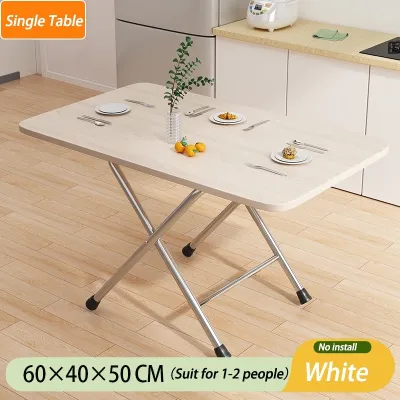
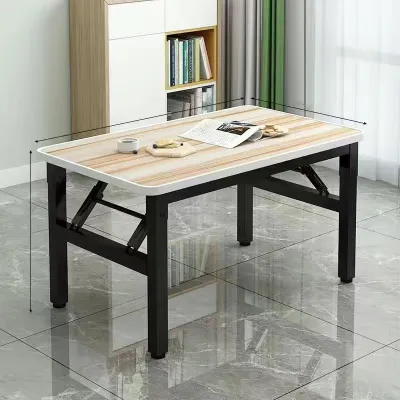
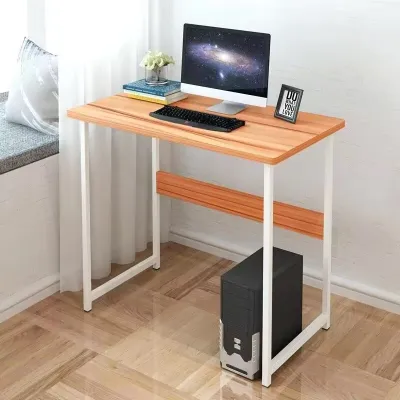
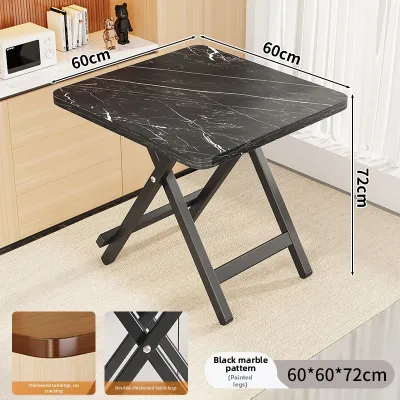
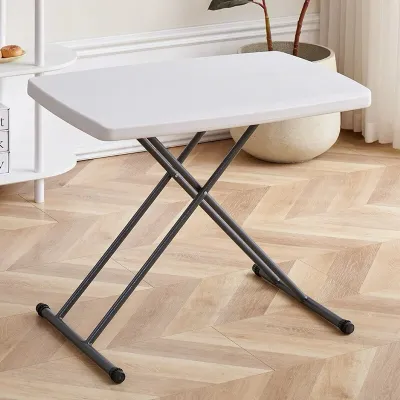
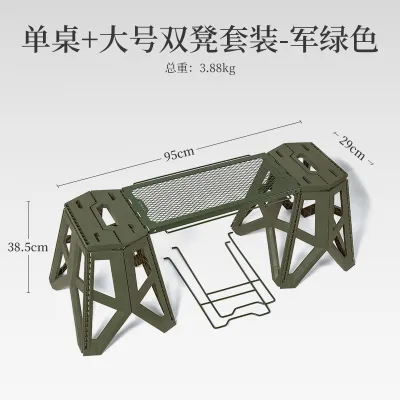
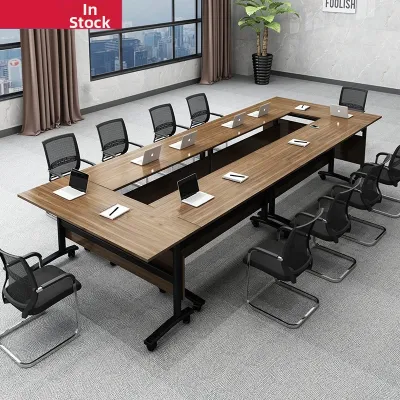
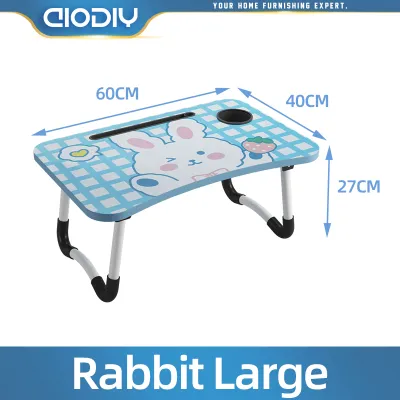
Prices are valid at publication and may change. Please refer to the product page for the latest price.
To ensure your guests are not bumping elbows throughout the meal, apply the standard spacing rule of allocating 60 to 70 centimeters of horizontal width per diner. For a group of 6 people, a rectangular table should measure at least 150 to 180 centimeters in length. To comfortably accommodate 8 to 10 people, you will need a table length of at least 240 centimeters. This spacing allows adequate room for standard dining chairs and gives each person enough personal space to dine comfortably.
When browsing options on an online marketplace, always verify the manufacturer’s stated seating capacity against the actual finished dimensions. Some product listings may advertise a table as a “10-seater” based on highly compact, narrow chairs placed tightly together. Checking the exact width and length measurements ensures you do not end up with a cramped setup that leaves your family members feeling squeezed.
Evaluating Folding Mechanisms for Portability and Storage
A portable table must be easy to set up, take down, and store without requiring excessive physical effort. Folding tables generally utilize one of three primary designs: bi-fold, tri-fold, or roll-up mechanisms. Bi-fold tables fold directly in half, creating a flat, square-like package that is highly popular for its quick setup and minimal joints. Tri-fold tables fold into three sections, offering an even smaller storage footprint, though they feature more hinges that require careful handling. Roll-up tables, often constructed with aluminum slats, are highly compact and excellent for transport, but they typically require more assembly time and may offer less surface rigidity than solid-top designs.

When comparing models, look for specific portability features that simplify transport and storage. Built-in carry handles made of heavy-duty webbing or molded plastic make carrying a folded table much more manageable. Locking safety latches are essential to keep the table securely closed while in transit and to prevent it from buckling when fully set up. Some larger, heavy-duty models also feature integrated wheels on one end, allowing you to roll the folded unit across flat surfaces instead of lifting it entirely.
Keep in mind the natural trade-off between material weight and structural stability. Tables constructed with thick high-density polyethylene tops and heavy-gauge steel frames offer excellent durability and a solid dining feel, but they can be heavy to lift and carry. Lightweight aluminum frames are much easier to transport but may require extra care to ensure they do not shift or wobble during a busy family meal.
Space Planning and Clearance Measurements
Before purchasing a large folding table, you must ensure it fits comfortably within your intended dining area. To plan your layout, measure the available floor space and account for the clearance needed around the table. A standard rule of thumb is to maintain at least 90 centimeters of open space between the edge of the table and any walls, cabinets, or other furniture. This clearance allows guests to pull out their chairs and sit down without feeling trapped. If you expect people to walk or serve food behind seated guests, increase this clearance to 110 to 120 centimeters to prevent bottlenecks.
In addition to the dining area itself, you must measure the access paths within your home. Ensure the folded table can easily pass through your front door, hallways, stairwells, or condominium elevators. A table that is 240 centimeters long when fully assembled might be difficult to maneuver around tight corners if it does not fold in half, so checking the folded dimensions is just as critical as checking the open dimensions.
Consider where you plan to host your gatherings, as layout requirements change between indoor and outdoor settings. Indoors, you are limited by fixed walls and existing furniture, making rectangular or oval tables easier to position against a wall when not fully occupied. For outdoor patios, garages, or gardens, you may have more physical space, but you must account for natural obstacles, columns, and the transition between indoor prep areas and outdoor dining zones.
Stability, Weight Capacity, and Safety Checks
A table hosting a large family gathering must be structurally sound to prevent accidental collapses or spills. Look for structural features that enhance stability, such as heavy-duty cross-bracing between the legs, wide-set leg configurations, and slide-locking rings that secure the joints in place. These features prevent the legs from folding inward if the table is bumped or pushed during a lively dinner.
Always check the manufacturer’s specifications or product label for the maximum weight capacity. A full spread of food, heavy ceramic serving platters, drink dispensers, and table decorations can add up to a significant amount of weight. To maintain balance, instruct those setting up the table to distribute heavy dishes evenly across the surface rather than clustering them all in the center or on one side.
If you are setting up on uneven ground, such as a backyard lawn, tiled patio, or slightly sloped garage floor, test the table’s stability before placing any items on it. Some portable tables come equipped with adjustable feet or leg levelers that allow you to compensate for uneven surfaces. If your table lacks these features, ensure the ground is as level as possible, and avoid placing heavy liquids near the edges where a slight tilt could cause a spill.
Frequently Asked Questions (FAQ)
Can a standard rectangular folding table comfortably seat 10 people?
Seating 10 people on a standard rectangular folding table is possible but often tight. A standard 180-centimeter table typically seats 6 to 8 people comfortably. To fit 10, you must place two guests at each narrow end, which significantly limits their legroom due to the table’s leg structure. For a truly comfortable experience where everyone has adequate elbow room and space for their dining chairs, look for a table that is at least 240 centimeters in length. Always check your dining chair widths against the table’s interior leg span to ensure they can slide under the table easily.
What features should I prioritize for outdoor family gatherings?
For outdoor gatherings, prioritize weather-resistant materials and enhanced stability. Look for tables with powder-coated steel frames to prevent rust in humid environments, and UV-protected high-density polyethylene tops that resist cracking or warping under direct sunlight. Because outdoor surfaces like grass or patios can be uneven, tables with wide-set legs or adjustable leveling feet offer better stability. Additionally, choosing a slightly heavier table or one with secure cross-bracing helps prevent the table from tipping over during sudden gusts of wind.
Community discussion
Share your experience or ask a question. Comments are reviewed before publication.