
Finding the ideal portable outdoor lounger for picnics in the Philippines requires balancing lightweight transport with resilience against tropical heat and sudden rain. A great picnic lounger must be easy to carry to scenic spots like parks, beaches, or lakeside campsites, while offering reliable support and breathability on warm afternoons. By focusing on smart folding designs, moisture-resistant fabrics, and stable frames, you can elevate your outdoor relaxation without the burden of heavy, awkward gear.
Selecting the right gear involves understanding how different materials and structures perform in tropical environments. High humidity, intense sun exposure, and varied terrain all influence how comfortable and durable your lounger will be over time. Taking the time to evaluate key features ensures your investment provides lasting comfort for many outdoor gatherings to come.
Key Features to Evaluate for Picnic Loungers
Portability is the most critical factor when choosing a lounger for picnics, as you will often need to carry your gear from a vehicle or transit stop to your final setup spot. Evaluate both the total weight of the lounger and its packed dimensions to ensure it is manageable for your typical travel style. A lounger that folds into a compact, cylindrical shape with a dedicated shoulder strap is generally much easier to transport than one that only folds flat into a large, awkward square.
Products mentioned in this guide
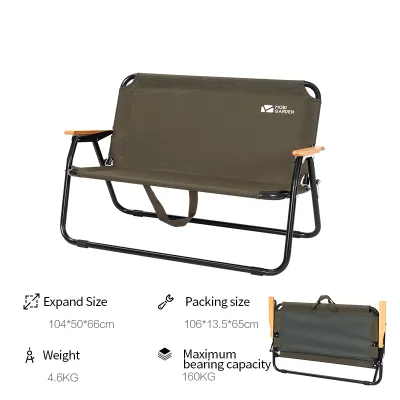
Prices are valid at publication and may change. Please refer to the product page for the latest price.
The folding mechanism itself should be smooth, intuitive, and quick to operate without requiring extra tools or excessive physical force. Look for models that feature secure locking pins or tension-based safety latches that prevent the frame from accidentally collapsing when you sit down or shift your weight. Testing the folding action beforehand can help you identify potential pinch points where fingers could get caught during setup or teardown.
Frame materials dictate both the weight and the overall durability of your outdoor lounger. Aluminum frames are highly favored for picnic gear because they are naturally lightweight and offer excellent resistance to rust, which is a major concern in humid coastal areas. Steel frames provide exceptional strength and stability but add significant weight to your load, making them better suited for picnics where you park very close to your seating area.
When examining the frame, pay close attention to the joint construction and the quality of the hardware holding the pieces together. Reinforced rivets, heavy-duty nylon washers, and thick bracket joints are indicators of a well-made frame that can withstand repeated folding and unfolding. Always check the manufacturer’s specified weight capacity limits to ensure the structure is rated safely for your needs.
Fabric selection directly impacts your comfort during warm, sunny days in the outdoors. Breathable mesh panels are highly recommended for tropical climates because they allow air to circulate freely around your back and legs, preventing sweat buildup. Heavy-duty fabrics like Oxford polyester are incredibly durable and resistant to tearing, but they can trap heat if they lack ventilation zones or breathable weave patterns.
Additionally, look for fabrics that have been treated with UV-resistant coatings to prevent the fibers from degrading and fading under intense sunlight. The material should also be easy to clean, allowing you to quickly wipe away spilled drinks, sunscreen, or mud with a damp cloth. Water-resistant or quick-drying fabrics are particularly useful for picnics near the water or on damp grass, as they prevent moisture from seeping through to your clothes.
Common Types of Portable Outdoor Loungers
Foldable reclining chairs are a classic choice, featuring a rigid metal frame that supports a suspended fabric seat. These chairs often allow you to adjust the backrest to multiple angles, ranging from an upright reading position to a fully reclined posture for napping. The rigid frame keeps you elevated well off the ground, which is excellent for avoiding crawling insects, damp soil, and low-lying heat.

The primary advantage of foldable reclining chairs is their superior ergonomic support and structural stability. However, they tend to be the heaviest and bulkiest option among portable loungers, often requiring a dedicated trunk space or a short walk from your vehicle. They perform best on flat, firm surfaces such as manicured park lawns, paved picnic areas, or packed sand where the feet of the chair can sit evenly without sinking.
Inflatable air loungers offer a completely different approach to outdoor relaxation, utilizing a lightweight plastic and fabric sleeve that you inflate by scooping air into the opening. Once filled, the end is rolled tight and buckled to seal the air inside, creating a soft, cloud-like cushion that conforms to your body shape. These loungers require no metal frames or assembly tools, making them incredibly light and easy to pack.
The main appeal of inflatable loungers is their extreme portability, as they fold down into a small carrying pouch that easily fits into a backpack. On the downside, they offer very little structured back support, making them less ideal for sitting upright or eating. They also carry a risk of puncture from sharp twigs, rocks, or dry grass, and they naturally lose air pressure over several hours, requiring you to occasionally unseal and top them up.
Foldable ground mats with adjustable backrests bridge the gap between traditional picnic blankets and structured chairs. These mats lie directly on the ground but feature an integrated, adjustable metal frame that supports a padded backrest. This design allows you to stretch your legs out fully on the grass or sand while enjoying comfortable, angled support for your upper body.
These ground mats are exceptionally lightweight and fold down flat, often featuring built-in carrying straps for easy transport over your shoulder. The limitation of this style is that you remain at ground level, offering no protection from damp earth, crawling bugs, or dirt. They are best suited for dry, soft surfaces like sandy beaches or well-maintained lawns where direct contact with the ground is pleasant.
Matching the Lounger to Your Picnic Environment
Before choosing a lounger, consider the specific ground conditions of your favorite picnic destinations. Soft, sandy beaches and damp, muddy lakeside spots require loungers with wide, flat feet or mud baskets that distribute weight evenly to prevent the frame from sinking. If you frequently visit areas with uneven or sloping terrain, a low-profile ground mat or an inflatable lounger may offer better stability than a tall, rigid chair that could easily tip over.
Your primary method of transportation should also guide your selection process. If you typically drive to picnic spots with a spacious car trunk, you can prioritize maximum comfort and choose heavier, fully padded reclining chairs. If you rely on public transportation, motorcycles, or enjoy hiking to remote spots, you will be much happier with an ultra-lightweight inflatable lounger or a compact ground mat that does not restrict your mobility.
Sun exposure is another critical factor to keep in mind when planning your outdoor setup. If you plan to picnic in open areas with minimal natural shade, look for loungers that feature built-in, adjustable sun canopies or those designed to pair easily with portable umbrellas. Some loungers also come with integrated pockets or attachment points for securing personal shade accessories, helping you stay cool and protected from direct sunlight.
Finally, think about the overall layout of your picnic setup and how you plan to interact with others. If you are gathering around a low picnic table or sharing food from a central blanket, a ground mat or a low-profile chair keeps you at the same level as your companions. If you prefer to relax slightly away from the main activity to read or nap, a fully reclining elevated chair provides the perfect personal retreat.
Care and Storage for Longevity
To keep your portable lounger in top condition, always clean the fabric and frame after returning from an outdoor excursion. Wipe down the metal frame with a damp cloth to remove salt residue, sand, or dirt that can scratch the finish or clog the folding joints. For the fabric, use a soft brush or sponge with mild soap and lukewarm water to gently scrub away stains, avoiding harsh detergents that can strip away protective coatings.
Moisture is the primary enemy of outdoor gear, especially in humid tropical climates. Never fold and pack away a lounger while the fabric or frame is still damp, as this creates the perfect environment for mold, mildew, and unpleasant odors to develop. Allow the lounger to dry completely in a well-ventilated, shaded area out of direct sunlight, which prevents the fabric from weakening due to unnecessary UV exposure during the drying process.
Proper storage is essential for protecting the moving parts, hinges, and materials of your lounger from long-term degradation. Store your clean, dry lounger in a cool, dry indoor space such as a closet or utility room rather than leaving it in a hot car trunk or an outdoor shed. Extreme heat can warp plastic components, weaken synthetic fabrics, and degrade elastic tension cords over time.
Periodically inspect the hardware on your lounger to ensure all screws, rivets, and joints remain tight and secure. If you notice any stiff joints or squeaking, apply a small amount of silicone-based lubricant to the moving parts, wiping away any excess to prevent dirt from sticking to the mechanism. Taking these simple maintenance steps ensures your lounger remains safe, comfortable, and ready for your next outdoor adventure.
Frequently Asked Questions (FAQ)
Can I use a portable lounger on wet grass or sand?
Yes, you can use a portable lounger on wet surfaces, but you must choose the right type and take precautions to protect your gear. Rigid chairs with wide, flat feet are ideal because they resist sinking into soft, wet ground and keep you elevated away from the moisture. If you use a ground mat, ensure the underside features a waterproof or highly water-resistant backing material to prevent dampness from seeping through to your body. After using any lounger on wet grass or sand, make sure to clean off any clinging debris and dry the entire unit thoroughly before storing it to prevent mold and rust.
How do I verify the weight capacity of a foldable lounger?
To verify the weight capacity of a foldable lounger, always consult the manufacturer’s official specifications, which are typically printed on the product tag, the user manual, or the packaging. It is important to understand that these ratings usually refer to static weight limits, meaning the maximum weight the frame can support when you sit down gently and remain still. Dynamic movement, such as dropping heavily into the seat or shifting weight abruptly, places significantly more stress on the joints and frame. If you are close to the specified limit, look for a model with a reinforced frame and heavy-duty joints to ensure long-term safety and stability.
Community discussion
Share your experience or ask a question. Comments are reviewed before publication.