
When you assemble a new wooden single-size bed frame for your child, completing the physical assembly is only the first part of the job. Before dressing the bed with sheets and pillows, you must perform a series of rigorous safety checks to ensure the structure is stable, secure, and free of hidden hazards. A child’s bed must withstand active daily use, from tossing and turning to sudden impacts.
In a tropical climate like the Philippines, where high humidity and temperature fluctuations cause natural timber to expand and contract, verifying structural integrity is even more critical. Properly checking a bed frame wood assemble single size setup ensures that minor assembly errors do not turn into physical risks for your little one. Taking these extra steps offers peace of mind and guarantees a safe sleeping environment.
Stability and Alignment Checks for Your Bed Frame Wood Assemble Single Size Setup
Verify the overall rigidity, balance, and foundational stability of the assembled bed frame before allowing a child to use it. Place both hands firmly on the top rail of the headboard and apply moderate, alternating pressure to perform a gentle, controlled shake test. Repeat this at the footboard and the side rails. The frame should feel rigid and unified; any swaying, shifting, or localized flexing indicates that the connections are not fully seated or that the hardware requires further tightening.
Products mentioned in this guide

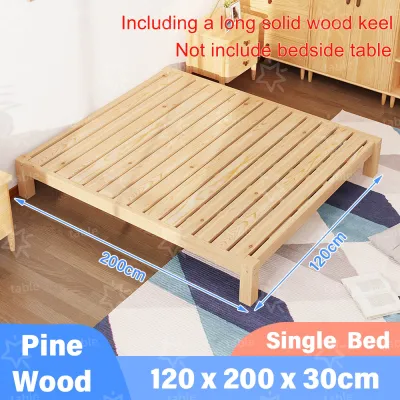




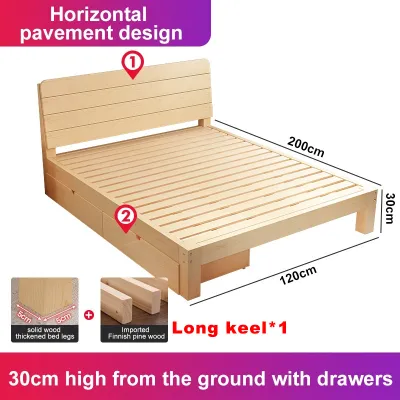
Prices are valid at publication and may change. Please refer to the product page for the latest price.
Next, inspect the legs. In many homes across the Philippines, floors—whether tiled, concrete, or hardwood—may have slight unevenness. Check that all four legs sit completely flush on the floor surface. If there is any rocking or daylight visible under a leg, use a spirit level across the side rails and slats to verify alignment. A rocking bed frame places uneven, dynamic stress on individual joints, which can lead to premature structural failure.
Ensure the headboard and footboard stand perfectly plumb and are aligned symmetrically with the side rails. In high-humidity tropical environments, wood naturally absorbs ambient moisture, causing slight volumetric expansion. If the frame is forced into alignment while the timber is swollen, or if it is assembled slightly crooked, the internal stresses can warp the wood or split the joints as seasons shift or when air conditioning alters the indoor climate.
Inspecting Joints, Hardware, and Fasteners
Laying a solid safety foundation requires looking closely at the small components holding the frame together. Begin by cross-referencing your finished assembly with the manufacturer’s original hardware list. Count any leftover pieces; while manufacturers sometimes include spare parts, an unexpected surplus of washers, locking nuts, or wooden dowels could mean a critical step was missed.

Next, conduct a thorough tactile and visual inspection of every single joint. Run your fingers over every bolt head and screw top. In a children’s bed, all hardware must be completely flush with the wooden surface or, ideally, countersunk into recessed holes. Protruding screw heads are prime culprits for catching loose clothing, bedding, or worse, scratching a child’s sensitive skin during play or sleep.
Pay close attention to the structural connectors beneath the frame. Ensure that all flat washers, spring washers, and locking nuts are installed exactly as depicted in the manual. Washers are not decorative; they distribute load forces across a wider surface area of the wood, preventing bolt heads from sinking too deep and damaging the timber fibers under dynamic loads, such as when a child jumps or rolls.
Furthermore, because wood is an organic, compressible material that adapts to the local relative humidity and temperature of your home, it will inevitably settle over time. Schedule a mandatory hardware inspection and re-tightening session approximately two to three weeks after assembly. This allows the timber to adjust to the physical loads of use and the indoor atmosphere, ensuring the joints remain tight and secure.
Identifying Surface Hazards and Sharp Edges
Wooden furniture, even when purchased from reputable brands, can occasionally present surface defects that escape factory quality control or occur during shipping and assembly. To prevent painful splinters, cuts, or skin irritation, perform a comprehensive surface check. Slowly run a bare hand or a clean, soft microfiber cloth along all exterior edges, corners, and the top rails of the headboard, footboard, and guardrails.
A microfiber cloth is an excellent diagnostic tool; its fine fibers will easily snag on tiny splinters, rough patches, or wood fibers that your bare hand might miss. Do not limit your inspection to the visible, polished outer surfaces. Crawl beneath the bed frame to inspect the underside of the side rails, the inner edges where the slats rest, and the bottom faces of the legs. These areas are frequently left unfinished or only lightly sanded by manufacturers.
If you detect rough sanding, raised wood grain, or peeling paint and varnish, address these spots immediately. For minor rough patches and superficial splinters, a safe and low-risk solution is to lightly sand the affected area using fine-grit sandpaper (such as 220-grit or higher) in the direction of the wood grain until smooth, then wipe away all fine dust with a damp cloth.
Always check the manufacturer’s care and warranty instructions before applying any sandpaper or touch-up finishes. Never shave, cut, or structurally alter any load-bearing wooden components, as this can severely compromise the bed’s weight capacity and safety. If you find deep cracks, structural damage, or severe splitting, stop the assembly immediately and contact the supplier.
Verifying Slat Spacing and Mattress Fit
The foundation supporting your child’s mattress is a critical safety zone that directly impacts both structural integrity and physical safety. Begin by measuring the gaps between the wooden bed slats. You must consult the manufacturer’s assembly manual to verify the maximum allowable spacing recommended for that specific model. Generally, slat gaps should be narrow enough to prevent a child’s limbs from slipping through or becoming entrapped, while also providing uniform support for the mattress.
If the slats are too far apart, the mattress can sag, creating uneven sleeping surfaces and potential structural failure. Once the slats are verified and secured, place the mattress onto the frame to evaluate its fit. A standard single mattress must sit snugly and symmetrically within the recessed frame.
To verify this, apply the “two-finger rule”: attempt to slide your index and middle fingers between the edge of the mattress and the inside of the bed frame’s side rails, headboard, or footboard. If you can easily fit more than two fingers into these perimeter gaps, the space is too wide. Excessive gaps present a serious entrapment hazard where a young child could roll over, slide into the crevice, and become wedged or suffocated.
Always ensure the mattress dimensions match the specific single bed frame specifications precisely. Never use an undersized mattress, a worn-out mattress that has lost its edge rigidity, or a temporary foam topper in place of a proper, full-thickness mattress.
Guardrails, Clearance, and Placement Precautions
If your child’s wooden single bed frame features built-in or attachable guardrails, these safety barriers require independent verification. Test the locking mechanisms or mounting brackets of the guardrails by applying outward and downward pressure. The rails must remain completely rigid without wobbling, sliding, or detaching. Measure the height of the guardrail relative to the top of the mattress; safety standards typically dictate that the top of the guardrail must extend significantly above the mattress surface to prevent a rolling child from falling over the edge.
Beyond the bed frame itself, the physical placement of the bed within the bedroom plays a massive role in overall safety. Position the bed frame well away from windows, where a child could climb out or fall through a screen. Ensure there are no hanging blind cords, curtain tie-backs, electrical wires, or wall decorations within reach of the bed, as these present severe strangulation and entanglement hazards. Additionally, verify that the bed is placed at a safe distance from ceiling fans and wall-mounted light fixtures.
Finally, consult the manufacturer’s instructions regarding anti-tip anchoring. If the bed frame features a high-profile design, an integrated headboard bookshelf, or tall under-bed storage drawers, it can become top-heavy when drawers are pulled out or if a child attempts to climb the frame. In these scenarios, secure the furniture firmly to the wall using heavy-duty anti-tip straps or brackets suitable for your specific wall material (such as concrete anchors for masonry walls common in Philippine homes, or toggle bolts for drywall).
When to Stop Use and Seek Professional Help
Even after a meticulous assembly, certain issues cannot be solved by simply tightening a bolt. You must be prepared to stop using the bed frame immediately if you encounter specific structural red flags. These warning signs include:
- Visible structural cracks: Any splits in the wooden rails, posts, or slats.
- Stripped hardware: Metal screws or bolts that strip their threads and spin endlessly without tightening.
- Persistent instability: Wobbling or swaying that remains unresolved after checking all fasteners.
- Abnormal noises: Loud, deep creaking and popping noises when weight is applied.
If you identify any of these issues, do not allow your child to sleep or play on the bed. Contact the manufacturer immediately to request replacement parts or to file a warranty claim, especially if the wood split during normal assembly. If the manufacturer’s support is unavailable or if the frame requires structural reinforcement beyond the scope of the original assembly manual, consult a qualified carpenter or professional furniture repair service to evaluate the bed. Never attempt makeshift repairs with unapproved hardware, brackets, or adhesives, as these temporary fixes can fail unexpectedly under dynamic loads.
Frequently Asked Questions (FAQ)
How often should I re-tighten the screws on a wooden kids' bed?
You should perform an initial hardware check and re-tighten all screws and bolts approximately two to three weeks after the initial assembly, as this gives the wood time to settle under weight and adjust to your home’s humidity. Following this initial adjustment, establish a routine safety check every 3 to 6 months.
In the Philippines, the transition between the hot, dry season and the wet, rainy season brings major shifts in relative humidity. These seasonal changes cause wooden furniture to swell and shrink, which gradually loosens fasteners. If your child is highly active or uses the bed for play, check the hardware more frequently to ensure joint integrity is maintained.
Is it safe to use a wooden single bed frame without a center support leg?
The safety of a wooden single bed frame without a center support leg depends entirely on the manufacturer’s structural engineering, the quality of the timber, and the specified weight capacity. Many standard single-size bed frames are engineered to span the width without a center leg, relying instead on heavy-duty side rails and thick, high-quality wooden slats.
However, you must consult your assembly manual; if a center support leg was included in the packaging or specified in the instructions, it is a critical load-bearing component. You must never omit this leg to create extra under-bed storage space, as doing so will cause the slats to bow, sag, or collapse under dynamic weight, posing a direct safety risk to your child.
Community discussion
Share your experience or ask a question. Comments are reviewed before publication.