
Protecting your camping chair and table set from rust and mold during the rainy season requires a systematic approach of thorough inspection, deep cleaning, targeted protective applications, and moisture-controlled storage. High humidity and frequent downpours create a breeding ground for oxidation on metal frames and fungal growth on fabric seats. Neglecting these steps can lead to structural failure, unsightly stains, and unpleasant odors, rendering your outdoor gear unusable by the time the dry season returns. By establishing a proactive maintenance routine, you can preserve the structural integrity and appearance of your set, ensuring it remains ready for your next outdoor adventure.
Identifying Materials and Inspecting for Early Damage
Before applying any cleaning solutions or protective sprays, you must identify the exact materials used in your camping chair and table set. Coated steel frames are sturdy but susceptible to rust if the protective paint or powder coating chips. Aluminum frames are lighter and naturally more resistant to red rust, but they can still undergo oxidation, presenting as a white, powdery residue that weakens the metal over time. For the fabric components, manufacturers typically use synthetic materials like polyester or nylon, which are durable but can still harbor mold and mildew if organic matter and moisture are left trapped in the weave.
To determine the exact composition of your gear, check the manufacturer tags, user manuals, or official product specifications. Do not rely solely on marketing terms like “weatherproof” or “rust-resistant,” as these labels do not guarantee absolute immunity under prolonged tropical humidity. Instead, use these specifications to guide your inspection and treatment choices.
Products mentioned in this guide
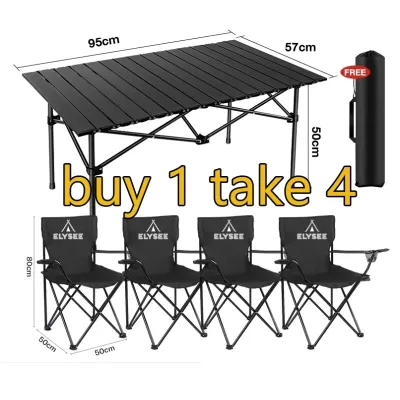
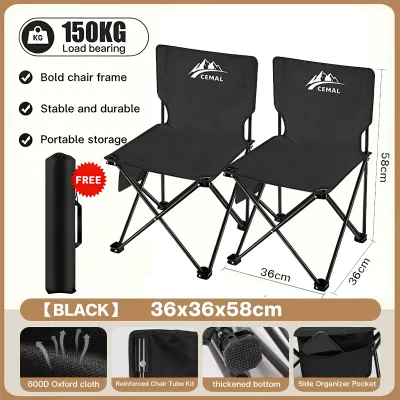
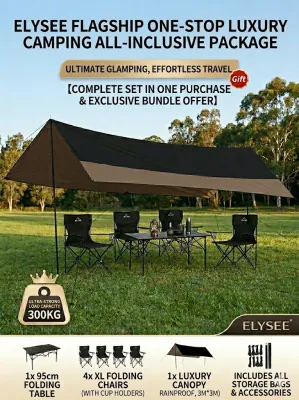
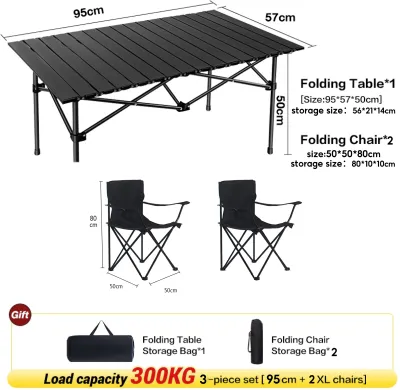
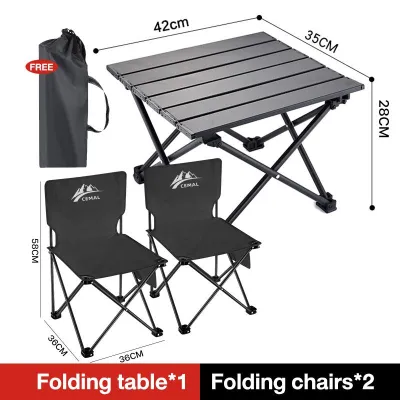
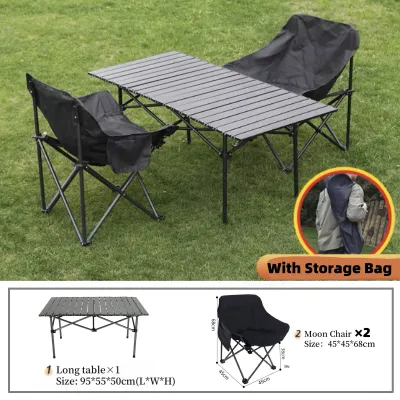
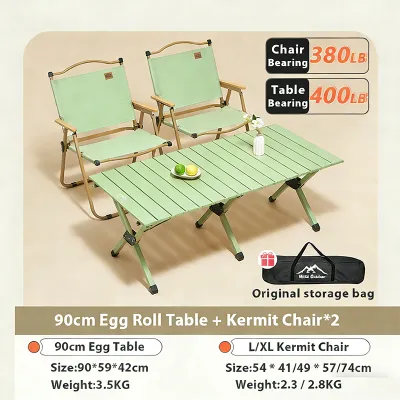
Prices are valid at publication and may change. Please refer to the product page for the latest price.
Begin your inspection by unfolding the furniture in a well-lit area. Examine all joints, hinges, rivets, and seams closely, as these moving parts and recessed areas are where moisture and dirt naturally accumulate. Look for early signs of oxidation, such as bubbling paint, discoloration, or small orange spots on steel frames. Check the fabric for dark spots, discoloration, or a distinct musty odor, which indicate early mold colonization. Additionally, inspect the structural components for any peeling coatings, loose rivets, or frayed seams. Any existing damage must be noted and addressed before applying protective treatments, as sealing over active rust or loose paint will trap moisture and accelerate the deterioration of the frame.
Cleaning and Drying Your Camping Chair and Table Set
Thorough cleaning is a critical step before storing your camping chair and table set for the rainy season. Throughout your outdoor trips, your furniture accumulates dirt, mud, sweat, tree sap, and food residues. These organic substances not only hold onto moisture but also serve as nutrients for mold and mildew spores. Storing dirty gear in a humid environment virtually guarantees fungal growth and accelerated metal corrosion.

To clean your gear safely, prepare a solution of mild liquid soap and lukewarm water. Avoid using harsh household detergents, bleach, or abrasive chemical cleaners. These aggressive substances can strip away factory-applied water-resistant coatings on fabrics and degrade the protective clear coats on metal frames.
Use a soft-bristled brush or a microfiber cloth to gently scrub the entire set. Pay close attention to the crevices, folding joints, and fabric seams where dirt tends to lodge. For the table, ensure you clean the underside of the tabletop and the locking mechanisms of the legs. The feet of both the chairs and the table require extra attention, as they make direct contact with damp soil and mud during use. Scrub away all caked-on dirt and rinse the entire set thoroughly with clean water to ensure no soap residue remains, as dried soap can attract moisture and dust later on.
Once cleaned, the drying phase is paramount. Never pack away your camping chair and table set while it is even slightly damp. Choose a shaded, well-ventilated outdoor area to air-dry your gear completely. While it might be tempting to place the furniture in direct, intense sunlight to speed up the process, prolonged exposure to harsh UV rays can degrade synthetic fabrics like nylon and polyester, causing them to fade and become brittle. Allow the furniture to dry unfolded for several hours, occasionally rotating it to ensure water drains out of hollow frame tubes and joint cavities.
Applying Protective Treatments Safely
Once your camping chair and table set is completely clean and dry, applying protective treatments can add an extra layer of defense against the elements. However, this step must be approached with caution. Applying the wrong chemical to a specific material can cause permanent damage, such as dissolving plastic joints, stripping paint, or staining fabric seats.
Always verify that the rust inhibitors or fabric protectants you choose are explicitly compatible with the materials identified during your inspection. For instance, a rust-preventative spray designed for heavy industrial steel may contain solvents that melt synthetic fabrics or degrade nylon joints. Read the product labels carefully to confirm they are safe for powder-coated metals, anodized aluminum, or polyurethane-coated fabrics.
When applying metal protectants, focus on the areas most vulnerable to moisture accumulation, such as folding hinges, rivets, and any spots where the factory paint has chipped or worn thin. Apply the treatment in thin, even coats rather than a single thick layer, which can become sticky and attract dirt. To protect the fabric seats and backrests, use a dedicated fabric protector spray if recommended by the manufacturer. When spraying the metal frame, use a piece of cardboard or a cloth as a shield to prevent overspray from landing on the fabric, as metal protectants can cause stubborn stains or alter the texture of the seat.
Always prioritize the manufacturer’s care instructions over general product advice. If the instructions on a protective spray conflict with the care label on your camping furniture, stop the application immediately. In such cases, consult the furniture manufacturer’s customer service or official guidelines to identify approved maintenance products and techniques.
Setting Up a Moisture-Controlled Storage Space
Where and how you store your camping chair and table set during the rainy months is just as important as how you clean it. In tropical climates, indoor humidity levels can rise significantly during prolonged wet spells, creating an environment where mold can thrive even on clean surfaces.
When preparing your storage setup, first consider the physical dimensions of your folded gear and the available space in your storage area. Ensure that the access pathways, doorways, and storage shelves can accommodate the furniture without forcing or bending the frames. Avoid cramming the gear into tight spaces, which can scratch protective coatings or warp joints.
Avoid using tightly sealed plastic bags, plastic bins, or non-breathable plastic wraps for long-term storage. While it might seem like sealed plastic would keep moisture out, it actually traps any residual humidity inside, creating a microclimate that accelerates mold growth and metal oxidation. Instead, opt for breathable storage bags made of canvas or heavy-duty oxford fabric. These bags allow air to circulate freely while still shielding your gear from dust and pests.
Never store your camping furniture directly on concrete floors, bare ground, or against damp walls. Concrete is highly porous and can wick moisture from the ground, transferring dampness directly to the metal feet and lower frames of your chairs and tables. Elevate your gear by placing it on wooden pallets, plastic shelving units, or dedicated storage racks. Ensure the storage setup is stable and properly balanced to prevent tip-overs, especially if you are stacking multiple items.
To further control humidity in your storage space, utilize moisture-absorbing products. Hanging dehumidifier bags, silica gel packets, or calcium chloride tubs placed near your gear can help pull excess moisture from the air. If you store your equipment in a small utility room or closet, running a portable room dehumidifier during peak rainy weeks can help maintain a stable, low-humidity environment.
Monitoring and Maintaining Gear During the Wet Season
Protecting your camping chair and table set is not a “set-and-forget” task. Even in a well-prepared storage space, prolonged periods of heavy rain and high humidity can cause moisture to find its way into your gear. Establishing a simple monitoring routine throughout the wet season is essential to catch minor issues before they turn into permanent damage.
Schedule a quick visual and olfactory check of your stored gear once every few weeks. Open the storage bags and inspect the furniture for any signs of condensation, dampness, or the characteristic musty smell of mold. Feel the fabric parts to ensure they remain dry to the touch, and check the metal joints for any new signs of oxidation.
If you detect any moisture or early mold spots during your check, act immediately. Remove the affected furniture from the storage area, spot-clean the damp or moldy sections with a mild, manufacturer-approved solution, and rinse it thoroughly. Allow the gear to dry completely in a well-ventilated, shaded space before repacking it.
Avoid the temptation to reapply protective sprays or rust inhibitors during every inspection. Over-application can lead to a thick, sticky buildup that traps dust and grit, which can eventually grind down moving joints and ruin fabrics. Only reapply protective treatments when the previous layer has visibly worn off or after a deep spot-cleaning, and always follow the original product’s reapplication guidelines strictly.
Frequently Asked Questions (FAQ)
Can I use multi-purpose lubricants on all camping chair metal parts?
Multi-purpose lubricants are highly effective for loosening stiff hinges and moving joints, but they should not be used as a general rust-preventative coating for the entire metal frame. Many standard lubricants leave a wet, oily film that actively attracts dust, sand, and outdoor debris. Over time, this mixture of oil and grit acts as an abrasive paste, wearing down the moving parts of your chair. Additionally, these lubricants can easily transfer to the fabric seats, causing stubborn stains that are difficult to remove. Check the product label to ensure fabric safety, apply the lubricant sparingly only to moving hinges, and wipe away any excess liquid immediately with a clean cloth.
How do I remove existing mold stains from fabric seats safely?
To remove active mold stains without damaging the structural integrity of the fabric, avoid using harsh chlorine bleaches or strong chemical solvents. These aggressive chemicals can weaken synthetic fibers, strip away water-resistant coatings, and cause severe discoloration or fading. Instead, use a mild, manufacturer-approved fabric cleaner or a gentle solution of warm water and white vinegar, provided it aligns with the care label instructions. Gently scrub the stained area with a soft-bristled brush, rinse thoroughly with clean water to remove all residue, and allow the fabric to dry completely in a well-ventilated, shaded area. Always test any cleaning solution on a small, hidden section of the fabric first to ensure it does not cause discoloration.
Community discussion
Share your experience or ask a question. Comments are reviewed before publication.