
Yes, a PVC clothes cabinet is an exceptionally practical choice for humid Philippine bedrooms, offering complete immunity to water damage and termite infestations. In a tropical climate where high humidity and seasonal monsoons regularly ruin traditional wooden furniture, PVC provides a highly durable, low-maintenance alternative. However, making the right choice requires understanding its structural limitations, particularly regarding load-bearing capacity and heat sensitivity, to ensure your investment lasts for years.
Understanding the Climate Challenge for Bedroom Furniture
Living in the Philippines means dealing with intense environmental stressors that can rapidly degrade household furniture. During the wet season, southwest monsoon rains (Habagat) drive relative humidity levels well above 80 percent. This persistent moisture becomes trapped inside bedrooms, especially in homes built with concrete hollow blocks, which tend to retain dampness.
When warm, humid air meets cooler indoor surfaces, condensation forms, creating an ideal breeding ground for fabric mildew and wood-rotting fungi. Traditional furniture materials like plywood, medium-density fiberboard (MDF), and particleboard are highly vulnerable to these conditions.
Products mentioned in this guide
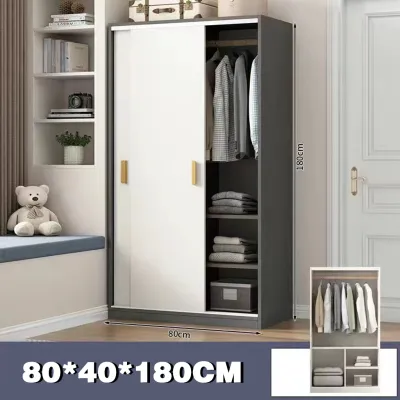
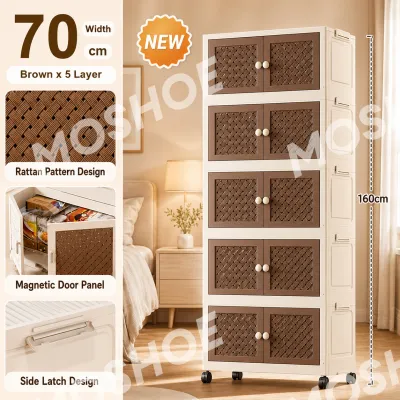
![[Buy 1 Take 1]Jbos Foldable Cabinet For Clothes Durabox Bedroom Drawer Organizer Plastic Wardrobe Storage Box With Wheels](https://img.lazcdn.com/g/p/2fcb3fef6e0302b27e139f06d3df7f51.jpg_400x400q80.jpg_.webp)
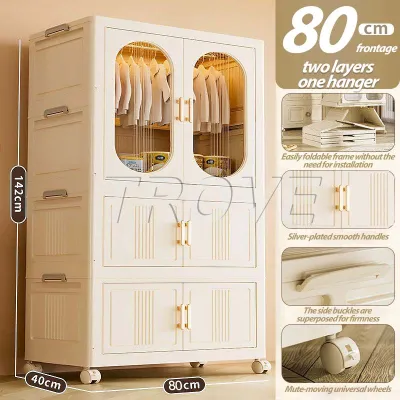
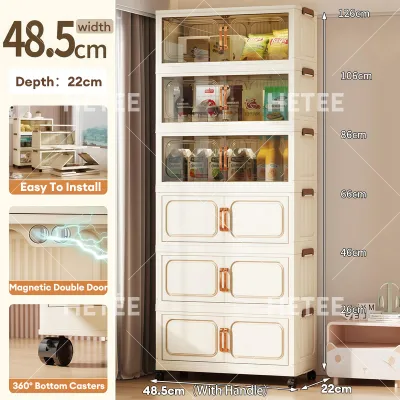
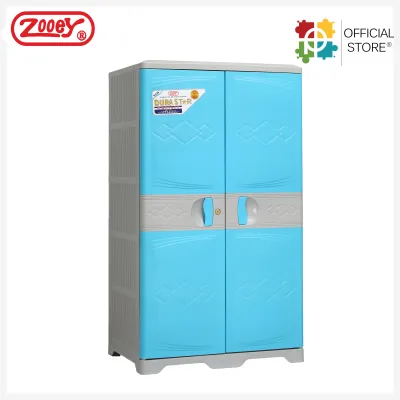
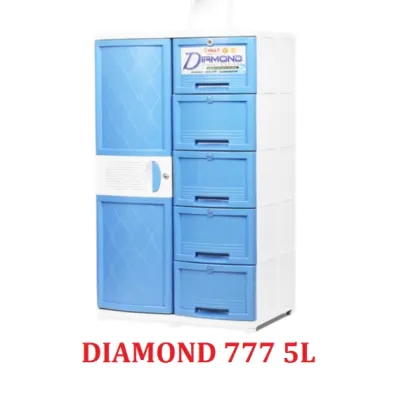
Prices are valid at publication and may change. Please refer to the product page for the latest price.
Once moisture penetrates their porous structures, these materials begin to swell, warp, and lose their structural integrity. Over time, drawers become difficult to slide, doors fail to align, and the material may even begin to crumble.
Beyond moisture, homeowners must constantly contend with wood-boring pests. Termites (anay) and powderpost beetles (bukbok) are widespread in tropical environments, actively seeking out the cellulose found in natural wood and composite boards.
A minor infestation can quietly hollow out an expensive wooden wardrobe within a few months, leaving behind structural ruin and requiring costly pest control interventions. Choosing bedroom furniture in this climate is therefore not just an aesthetic decision, but a practical battle against moisture and pests.
Evaluating PVC Cabinets for Moisture and Pest Resistance
Polyvinyl Chloride (PVC) has emerged as a popular alternative to wood due to its unique synthetic properties. To determine if a PVC clothes cabinet is right for your home, it is essential to analyze how this material interacts with the specific challenges of a tropical bedroom.

Waterproofing and Mold Prevention
Unlike natural timber or engineered wood composites, PVC is a non-porous synthetic polymer. This means it completely lacks the organic pores that absorb ambient moisture from the air. Even during the peak of the rainy season, a PVC cabinet will not swell, warp, or suffer from structural rot.
While the PVC panels themselves are entirely waterproof and immune to mold colonization, you must remain vigilant about the cabinet’s contents. Dust, skin flakes, and organic residues on stored clothing can still support mold growth if moisture becomes trapped inside the unit.
Because PVC does not breathe, stagnant air inside the cabinet can hold humidity, making proper room ventilation and occasional airing out essential to protect your garments.
Termite and Insect Resistance
One of the greatest advantages of a PVC wardrobe in the Philippines is its absolute immunity to wood-boring pests. Termites feed exclusively on cellulose, an organic compound found in plants and wood. Because PVC is entirely synthetic, it offers zero nutritional value to insects.
By installing a PVC cabinet, you eliminate the risk of termite colonies nesting inside your wardrobe and destroying your clothing or bedroom walls. This pest-resistant property also means you do not need to apply harsh chemical termite treatments or pesticide sprays inside your closet, creating a safer, chemical-free environment for storing your personal garments and linens.
Structural Rigidity and Heat Sensitivity
While PVC excels at resisting moisture and pests, it has physical limitations regarding strength and heat tolerance. As a thermoplastic, PVC is inherently more flexible and less rigid than solid wood. Under heavy, concentrated loads—such as stacks of heavy denim, winter coats, or thick bedding—unreinforced PVC shelves can bow or sag over time.
Additionally, PVC is sensitive to high temperatures. If placed in direct contact with intense afternoon sunlight streaming through a window, or positioned too close to heat-generating appliances, the material can soften, warp, or discolor.
When planning your bedroom layout, it is crucial to position the cabinet in a shaded area away from direct solar heat and ensure the unit is structurally reinforced.
PVC vs. Wood Alternatives: A Climate-Specific Comparison
To help you weigh your options, the table below compares PVC cabinets against traditional solid wood and engineered wood alternatives across key performance dimensions relevant to the Philippine climate.
| Material | Moisture Resistance | Termite Vulnerability | Load-Bearing Capacity | Maintenance Needs |
|---|---|---|---|---|
| PVC Cabinets | Excellent (Waterproof) | Immune (Zero Cellulose) | Moderate (Requires Frame) | Very Low (Wipe Clean) |
| Solid Wood | Moderate (Swells/Shrinks) | High (Requires Treatment) | Excellent (Highly Rigid) | High (Polishing/Pest Control) |
| Engineered Wood | Poor (Swells/Crumbles) | Very High (Attracts Pests) | Moderate to High | Medium (Keep Dry) |
Engineered wood options, such as MDF and particleboard, are common in budget-friendly furniture but perform poorly in humid Philippine bedrooms. When exposed to high humidity or minor water leaks, these materials act like sponges, absorbing moisture and expanding rapidly.
Once swollen, the compressed wood fibers separate, causing the cabinet joints to fail and the hinges to pull out of their soft, crumbling mounts.
Solid wood remains the gold standard for structural strength, longevity, and classic aesthetics. However, maintaining solid wood in a tropical environment is demanding. It naturally expands and contracts with seasonal humidity changes, which can lead to cracked joints or warped doors if the wood was not properly seasoned.
Furthermore, keeping solid wood safe from termites requires constant vigilance, regular chemical treatments, and proactive climate control, such as running a dehumidifier or air conditioner.
For homeowners seeking a pragmatic, low-maintenance solution, PVC represents a logical choice. While it may not match the prestigious look of natural grain, its ability to withstand dampness and insects without warping or rotting makes it highly cost-effective for high-humidity areas.
Verifying Quality and Hardware Before Purchase
Not all PVC cabinets are manufactured to the same standard. To ensure your wardrobe can handle daily use and support the weight of your clothing, you must carefully inspect its construction details before buying.
First, verify the finished dimensions and ensure the unit fits comfortably within your available bedroom space. Measure your doorways, narrow hallways, and stairwells to guarantee the delivery team can safely transport the cabinet into your room without damaging the walls or the unit itself. Check the assembly conditions: find out if the wardrobe is delivered fully assembled or if it requires on-site installation, which demands a flat, stable floor surface.
Next, examine the structural design. Because pure PVC panels can sag under load, high-quality PVC wardrobes utilize internal reinforcement. Look for units built with integrated aluminum frames, steel ribs, or high-density composite cores.
Press down firmly on the shelves to check for flex; a durable cabinet should feel stable and rigid, with a rated load capacity that matches your storage needs.
Pay close attention to the hardware, as this is often the first point of failure in humid environments. Standard iron or low-grade steel hinges, drawer slides, and handles will quickly corrode and rust when exposed to salty or humid air.
Insist on wardrobes equipped with marine-grade stainless steel (such as Grade 304) or rust-resistant alloy hardware. Smooth, soft-close hinges and heavy-duty tracks are excellent indicators of superior build quality.
Finally, inspect the edge banding and joint seals. If the cabinet uses a hybrid construction—such as PVC-laminated boards—any gap in the protective outer layer can allow moisture to seep into the inner core. Ensure all edges are seamlessly sealed, joints are tightly fitted, and the unit features robust anchoring brackets so it can be secured to the wall for maximum stability.
Installation and Care for Humid Environments
Proper installation and routine maintenance are vital to maximizing the lifespan of your PVC clothes cabinet and protecting your wardrobe contents from secondary moisture issues.
When positioning your cabinet, never place it completely flush against an exterior concrete wall. Exterior walls absorb heat from the sun during the day and cool down rapidly at night, causing condensation to form on the indoor side.
Leaving a clearance gap of at least 2 to 3 inches (5 to 8 centimeters) behind the wardrobe allows air to circulate freely, preventing damp air from becoming trapped and causing mold growth on the wall or the back of the unit.
Additionally, avoid placing the cabinet base directly onto tiled concrete floors, which can wick moisture upward. If possible, choose a wardrobe with a raised plinth or adjustable plastic feet.
This elevated design protects the bottom of the cabinet from water during daily floor mopping or in the event of minor indoor flooding during heavy tropical downpours.
For routine cleaning, keep maintenance simple and non-abrasive. Wipe the PVC panels down with a soft, damp microfiber cloth. Avoid using harsh chemical solvents, bleach, or abrasive scrubbing pads, as these can scratch the smooth surface and dull the protective finish.
Always refer to the manufacturer’s care instructions for specific cleaning recommendations.
To keep the interior dry and protect your clothing from musty odors, place disposable moisture-absorbing tubs or reusable silica gel packets inside the hanging compartments and drawers. Periodically open the wardrobe doors during dry, sunny days to encourage airflow and keep your garments smelling fresh.
Frequently Asked Questions (FAQ)
Do PVC wardrobes release toxic odors in hot weather?
High-quality, certified PVC panels are fully cured and formulated to emit minimal to no volatile organic compounds (VOCs), making them safe for bedroom use even in hot tropical weather. However, budget-grade cabinets manufactured with cheap adhesives or uncertified plastics may release a strong chemical smell when first installed.
To ensure safety, purchase from reputable brands that specify low-VOC or formaldehyde-free materials, and keep your bedroom windows open to maintain good ventilation during the first few weeks of use.
Can I install a PVC cabinet directly against an exterior wall?
It is highly recommended to avoid placing any wardrobe directly against an exterior concrete wall. In the Philippines, temperature differentials between the hot outside air and air-conditioned indoor spaces can cause moisture to condense on the inner surface of exterior walls.
Maintaining a minimum gap of two inches between the cabinet and the wall ensures adequate ventilation, keeping both the wall and your wardrobe dry.
Community discussion
Share your experience or ask a question. Comments are reviewed before publication.