
To protect your valuable household furniture from sudden indoor leaks, rising floodwaters, and extreme humidity during the Philippine rainy season, your emergency kit must include specialized wood-conditioning wipes, pH-balanced leather wipes, multi-surface disinfecting wipes, lint-free microfiber cloths, and highly absorbent Polyvinyl Alcohol (PVA) towels. When severe tropical storms and typhoons strike, water can compromise your home’s interior within minutes. Having these targeted wipes and cloths organized and ready ensures you can extract moisture, clear away contaminants, and sanitize surfaces before warping, mold growth, or permanent finish degradation can take hold.
Why Wet-Weather Emergencies Require Specialized Furniture Care
The Philippine rainy season brings persistent high humidity, often hovering above 80 percent for weeks at a time. This damp environment creates ideal conditions for mold spores to multiply on organic surfaces. When heavy monsoon rains or typhoons cause roof leaks, window seepage, or flash floods, indoor furniture is immediately vulnerable to water damage.
Porous materials such as solid wood, plywood, and medium-density fiberboard (MDF) absorb standing water rapidly. This absorption causes the wood fibers to swell, leading to warping, buckling, joint separation, and the eventual breakdown of structural glues. Once wood swells, it rarely returns to its original shape, often rendering drawers and cabinet doors non-functional.
Products mentioned in this guide
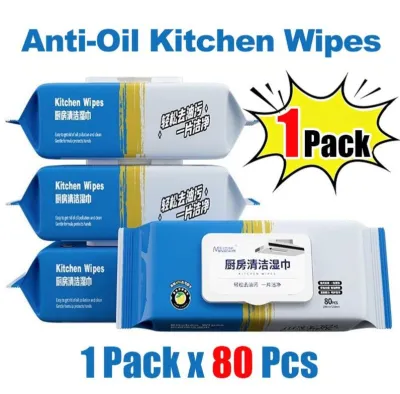
Prices are valid at publication and may change. Please refer to the product page for the latest price.
Furthermore, moisture trapped beneath protective finishes like lacquer, varnish, or polyurethane causes a cloudy white discoloration known as blushing. This occurs when water penetrates the topcoat and becomes trapped, disrupting the bond between the finish and the wood. Restoring a blushed finish usually requires extensive sanding, stripping, and refinishing, which is both costly and time-consuming.
Using standard household cotton rags or old t-shirts during a wet-weather emergency is often inadequate. These materials saturate quickly, hold onto moisture for long periods, and dry too slowly in humid environments. If reused without proper washing, they can spread fungal spores, dirt, and bacteria across unaffected furniture pieces, compounding the damage.
Specialized wipes and highly absorbent, quick-drying cloths allow you to act instantly when water breaches your home. A dedicated emergency kit ensures you can remove standing water, clean away abrasive contaminants, and dry delicate surfaces immediately, even when electrical power is out and professional restoration services are unavailable.
Choosing Cleaning Wipes: Surface Safety and Ingredient Checks
When selecting cleaning wipes for your rainy season emergency kit, you must look beyond generic marketing claims like “all-purpose” or “multi-surface.” Many off-the-shelf cleaning wipes contain harsh chemical formulations designed for sanitizing durable surfaces like tile or porcelain, but these same chemicals can ruin delicate furniture finishes.

Always inspect the ingredient list and product labels for pH levels and chemical additives before purchasing. Avoid wipes containing high concentrations of isopropyl alcohol, ammonia, or chlorine bleach. These substances are highly corrosive to wood finishes, can strip away natural leather oils, and may cause certain plastics or laminates to discolor and degrade.
The safety of any wipe depends entirely on the specific material it will contact. A chemical formulation that safely sanitizes a glass tabletop or a powder-coated metal frame can cause severe chemical burns, stripping, or dulling on a French-polished wooden cabinet or a top-grain leather sofa.
Before stocking any wipe in your emergency kit, read the manufacturer’s warnings and instructions carefully. Look for explicit statements detailing which surfaces are compatible, and prepare to categorize your wipes so you do not accidentally use a harsh disinfectant on a sensitive organic finish during a chaotic emergency.
Multi-Surface and Disinfecting Wipes
Multi-surface disinfecting wipes are valuable additions to your kit, but their use must be strictly limited to hard, non-porous materials. These include metal frames, tempered glass tops, sealed plastic laminates, and powder-coated outdoor furniture that has been brought indoors to escape a storm.
Using these harsh disinfectants on porous or unsealed surfaces can cause irreversible damage. The active sanitizing agents can sink into wood pores or leather grain, causing discoloration, cracking, or sticky chemical residues that attract more dirt over time.
Always perform a spot test on an inconspicuous area of the furniture, such as the underside of a table or the back of a chair leg, before widespread application. This precaution helps you verify how the finish reacts to the wipe’s chemicals.
Remember that disinfecting wipes in your emergency kit are primarily intended for sanitizing surfaces that have been exposed to dirty floodwater or outdoor debris. They are not meant for routine dusting or general maintenance during dry spells.
Leather and Wood-Specific Wipes
Delicate materials like genuine leather and solid wood require specialized, pH-balanced wipes that clean while preserving natural oils and finishes. Standard household cleaning wipes will strip away these essential protective layers, leaving surfaces dry, brittle, and prone to cracking.
For wooden furniture, select wipes pre-treated with mild cleansers and conditioning agents like mineral oil or beeswax. These ingredients help lift light dirt while leaving a temporary moisture-resistant barrier that helps protect the wood from high atmospheric humidity.
For leather furniture, use wipes specifically formulated for leather care. These wipes must be pH-balanced to match leather’s natural acidity (typically between 4.5 and 5.5) and should contain conditioning elements that keep the material supple under humid conditions.
Verify that your chosen leather wipe is compatible with the specific type of leather you own. Protected or pigmented leathers can tolerate mild cleaning wipes, whereas delicate aniline or nubuck leathers may stain or darken when exposed to any liquid wipe, requiring specialized dry-cleaning methods instead.
Selecting Absorbent Cloths for Rapid Water Removal
Wipes are excellent for cleaning and sanitizing, but they cannot handle large volumes of standing water. To prevent water from soaking into your furniture, your emergency kit must feature high-performance absorbent cloths designed for rapid water extraction.
The primary criteria for these cloths are absorption capacity, wring-out efficiency, and drying speed. In the hot, humid climate of the Philippines, a cloth that retains water for too long will quickly develop mold and sour odors, rendering it useless for subsequent cleanups.
You must also distinguish between cloths used for clean water, such as ceiling leaks or window condensation, and those used for dirty floodwater. Mixing these uses can introduce abrasive silt, bacteria, and mold spores to clean, delicate indoor furniture.
By stocking a variety of specialized textiles, you can systematically address different stages of water damage. This approach ensures you can dry surfaces quickly without scratching finishes or spreading contaminants.
High-Absorption Microfiber and PVA Towels
Microfiber cloths are essential for the final drying and polishing stages of furniture rescue. The dense, split-fiber structure of microfiber allows it to trap moisture and fine dust particles efficiently without scratching delicate varnishes or high-gloss laminates.
Ensure the microfiber cloths in your kit are lint-free and have a high GSM (grams per square meter) rating, typically 300 or higher, for maximum absorbency. These cloths can be wrung out easily and dry much faster than traditional cotton towels under humid conditions.
Polyvinyl Alcohol (PVA) towels, often sold as synthetic chamois, are unmatched for bulk water removal. These towels act like highly efficient sponges, absorbing multiple times their weight in clean water from flat surfaces like tabletops, wooden panels, and upholstery.
Keep in mind that PVA towels require specific maintenance; they must be stored slightly damp in their original plastic canisters to prevent them from becoming rock-hard and brittle. If they dry out completely, they must be soaked in clean water to restore their pliability before use.
Heavy-Duty Towels for Mud and Debris
When dealing with dirty floodwater, mud, or outdoor patio furniture that must be quickly dragged inside during a storm, you need heavy-duty towels. These cloths must be thick and durable enough to withstand abrasive dirt, twigs, and rough surfaces without tearing.
Thick cotton terry towels or heavy synthetic blends are ideal for this initial, rugged cleanup phase. Their looped pile can trap larger dirt particles and mud, preventing them from scraping against the furniture’s surface as you wipe.
Always keep these heavy-duty towels physically separated from your delicate microfiber cloths and specialized wipes. Using a towel contaminated with abrasive flood silt on a polished wooden table or leather sofa will cause deep, permanent scratches.
Assembling and Storing Your Rainy Season Emergency Kit
To build a reliable rainy season furniture emergency kit, you must organize your supplies systematically so they are instantly accessible when a storm hits. Having these items scattered around the house defeats the purpose of an emergency response plan.
Begin by gathering your materials in a durable, waterproof plastic container with a secure, gasket-sealed lid. This container will protect your dry cloths and wipes from ambient humidity, pests, and accidental water exposure before you need to use them.
Use the following checklist to stock your kit based on a standard household size:
- Two packs of wood-specific conditioning wipes for quick cleanup of wooden surfaces.
- One pack of pH-balanced leather wipes to treat leather upholstery.
- One pack of multi-surface disinfecting wipes for non-porous metal, glass, and plastic.
- Ten high-GSM microfiber cloths (color-coded to prevent cross-contamination).
- Two synthetic PVA towels stored in their airtight canisters for rapid water extraction.
- Five heavy-duty cotton towels for mud and debris.
- Three pairs of heavy-duty nitrile or latex gloves to protect your hands from contaminants.
- One small spray bottle of distilled water to help loosen dried mud without introducing mineral deposits.
- Silica gel desiccant packets to absorb any residual moisture inside the storage container.
Proper storage is critical in the tropical climate of the Philippines, where high ambient temperatures can cause wet wipes to dry out even inside their original packaging. Store your wipe packs inside individual, heavy-duty zip-top freezer bags to add an extra layer of protection against evaporation.
Conversely, your dry microfiber and cotton cloths must remain completely dry until deployment. Store these dry textiles in vacuum-sealed storage bags or ziplock bags along with several large silica gel desiccant packets to prevent them from absorbing atmospheric moisture and developing mildew while in storage.
Place your completed emergency kit in an easily accessible, elevated location, such as a high shelf in a closet or a second-floor storage area. This ensures the kit itself remains safe from ground-level flooding and is ready to grab at a moment’s notice when heavy rains begin.
Critical Safety Boundaries to Prevent Surface Damage
During a high-stress water emergency, it is easy to make hasty decisions that cause permanent damage to your furniture. Understanding what not to do is just as important as knowing how to clean and dry your belongings.
Never rub wet wooden surfaces aggressively. Water softens wood fibers and finishes, making them highly susceptible to scratching, scuffing, and peeling; instead, use a gentle blotting motion to lift water off the surface.
Avoid using highly abrasive cloths, such as heavy scrubbing pads or stiff-bristled brushes, on high-gloss lacquer, veneer, or polished finishes. These abrasive materials will leave fine scratches that dull the surface and require professional polishing to repair.
Do not leave wet chemical wipes sitting flat on any furniture surface. The concentrated chemicals can react with the finish under humid conditions, leaving permanent white water rings, chemical burns, or sticky spots that ruin the protective topcoat.
Before applying any chemical wipe, cleaner, or conditioner, always consult the furniture manufacturer’s specific care instructions. If you do not know how a finish will react, or if the manufacturer’s guidelines conflict with the instructions on your wipe pack, stop immediately and consult a professional furniture conservator or restoration specialist.
Frequently Asked Questions (FAQ)
Can I use standard baby wipes to clean my wooden furniture during a flood?
While baby wipes are designed to be gentle on human skin, they are not suitable for wooden furniture. They often contain moisturizing oils, skin conditioners, and mild surfactants that can leave a cloudy, sticky residue on wood finishes, which eventually degrades the protective lacquer or varnish.
How often should I replace the wipes in my emergency kit?
You should inspect your emergency kit at least twice a year, ideally in May and November, which align with the transitions of the Philippine seasons. Check the expiration dates on the packaging, feel the wipes to ensure they have not dried out, and replace any packs that show signs of liquid separation or mold growth.
What is the best way to dry a microfiber cloth in high humidity?
To dry microfiber cloths in high relative humidity, wash them according to their care label and hang them in a well-ventilated indoor space with an active electric fan or dehumidifier. If the manufacturer’s care label permits, you can also tumble dry them on low heat; never leave them bunched up in a damp room, as this will quickly lead to mildew growth.
Community discussion
Share your experience or ask a question. Comments are reviewed before publication.