
Finding the perfect rattan couch for a Japandi living room requires balancing the warm, rustic minimalism of Japanese design with the clean, practical functionality of Scandinavian style. The ideal choice features a low-slung profile, clean geometric lines, or gentle organic curves, all finished in natural tones and paired with high-quality, textured neutral upholstery. By focusing on minimalist silhouettes and open weaving patterns, you can select a piece that feels grounded yet airy, perfectly capturing the serene essence of Japandi interiors.
When shopping for a rattan couch, the decision comes down to evaluating three core elements: the structure of the silhouette, the quality of the frame materials, and how the piece respects the spatial proportions of your room. Rather than choosing overly ornate or bulky traditional designs, look for refined craftsmanship that highlights the natural beauty of the fibers. This approach ensures your seating serves as a functional focal point without overwhelming your living space.
Core Japandi Principles for Rattan Furniture
Japandi design is a harmonious fusion of two distinct yet deeply compatible philosophies: Scandinavian hygge, which emphasizes comfort and warmth, and Japanese wabi-sabi, which finds beauty in imperfection and simplicity. Natural rattan is an exceptional material for this aesthetic because its organic variations, subtle color shifts, and hand-woven textures embody the wabi-sabi spirit. Every slight irregularity in the weave tells a story of craftsmanship, adding character and warmth to a minimalist home.
Products mentioned in this guide
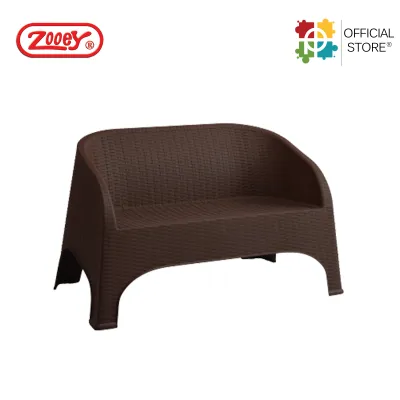
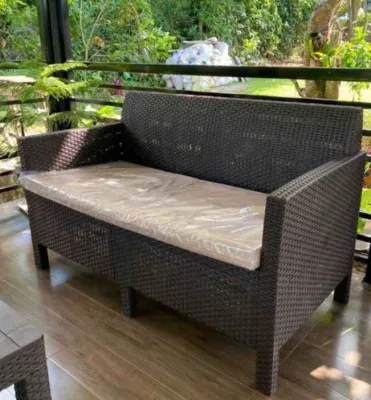
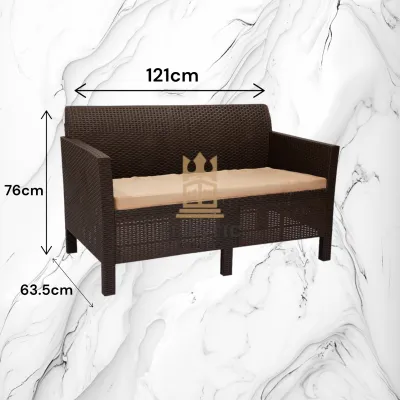

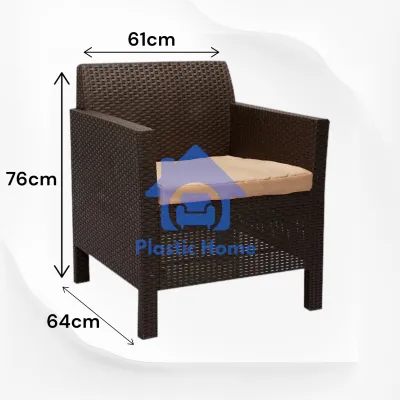
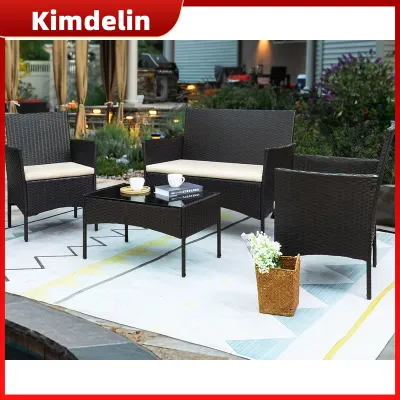

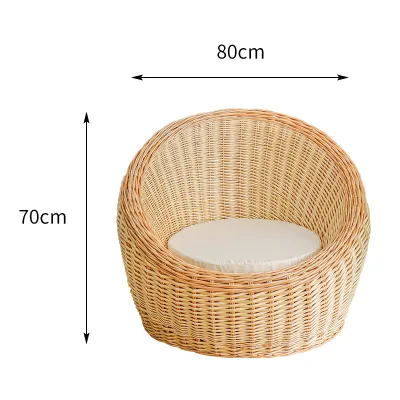
Prices are valid at publication and may change. Please refer to the product page for the latest price.
To maintain a true Japandi feel, the concept of negative space, known as “ma” in Japanese design, must be respected. Traditional rattan furniture often features heavy, intricate, or highly decorative scrollwork that can make a room feel busy and cluttered. In contrast, Japandi-aligned rattan utilizes open, breathable weaves and simplified frames that allow light and air to pass through. This visual lightness prevents the couch from dominating the room, keeping the overall atmosphere calm and uncluttered.
Color palettes in a Japandi living room should always lean toward soft, earthy, and grounding tones. When selecting a rattan couch, look for natural, unbleached, or lightly stained finishes that showcase the golden, tan, or soft brown hues of the raw material. Avoid dark, heavy varnishes or highly glossy finishes that mask the natural texture of the wood. Pair these organic frames with upholstery in warm neutrals, such as cream, beige, sand, oatmeal, or soft charcoal, to create a cohesive and soothing environment.
In tropical climates like the Philippines, rattan is not just an aesthetic choice but a highly practical one. Its natural breathability makes it incredibly comfortable in warm, humid weather, allowing air to circulate freely through the frame. By choosing high-quality natural rattan, you are embracing a material that is deeply rooted in local craftsmanship while perfectly aligning with the global principles of minimalist, nature-inspired design.
Recommended Rattan Couch Styles for Japandi Spaces
Not all rattan couches are created equal when it comes to fitting a minimalist aesthetic. To help you navigate your options, we have categorized the most suitable designs into three distinct styles that bridge traditional craftsmanship with modern simplicity.

Each of these styles offers unique structural benefits and visual characteristics. Depending on your living room layout, seating requirements, and personal comfort preferences, one of these categories will provide the ideal foundation for your Japandi space.
Low-Profile and Linear Rattan Sofas
Low-profile, linear rattan couches are characterized by their straight lines, square or rectangular frames, and low-slung seating positions. This style is highly effective at lowering the visual center of gravity in a room, which instantly makes your ceilings feel higher and your entire living space feel more expansive. The clean, horizontal lines of these sofas create a sense of stability and calm, echoing the floor-centric seating traditions of classic Japanese homes.
When evaluating a linear rattan couch, pay close attention to the weaving pattern. Look for tight, uniform, and structured weaves, such as a classic square cane or radio weave, which provide a clean and modern appearance. These disciplined patterns complement the straight edges of the frame and prevent the couch from looking too rustic or bohemian. The structured backrest and armrests should form clean angles, creating a crisp silhouette against your living room walls.
Visual Weight: Low-slung frames reduce visual clutter, making them excellent for compact living rooms or apartments.
Weave Style: Structured, geometric cane panels offer a modern, architectural look that aligns with Scandinavian minimalism.
User Comfort: While highly stylish, low-profile seating can be more challenging to sit down on and stand up from. If you have family members with joint sensitivity or limited mobility, verify the seat height dimension before purchasing to ensure it offers a comfortable, accessible height.
Curved and Organic Rattan Silhouettes
If you want to soften the sharp angles of a modern living room, a rattan couch with a curved or organic silhouette is an excellent choice. These designs feature gently rounded backrests, arched armrests, and soft, flowing lines that mimic forms found in nature. This style celebrates the incredible flexibility of natural rattan, which can be steamed and bent into beautiful, fluid shapes without losing its structural strength.
Curved rattan couches work exceptionally well in open-plan living areas because they do not have harsh back corners, allowing them to sit beautifully in the middle of a room. They act as gentle visual dividers, guiding foot traffic naturally around the seating area without blocking sightlines. The soft curves invite relaxation and create a cozy, welcoming nook that embodies the Scandinavian concept of hygge.
Aesthetic Flow: Rounded frames soften minimalist spaces, breaking up the monotony of straight walls and rectangular rugs.
Placement Flexibility: These pieces look stunning from all angles, making them ideal for floating in the center of a room rather than pushing against a wall.
Structural Check: Inspect the bent rattan curves closely during your search. Ensure there are no visible splits, cracks, or splintering along the bends. The joints where the curved elements meet the main frame should be wrapped tightly with high-quality leather peel or thick rattan bindings to guarantee long-term durability.
Rattan and Light Wood Hybrid Designs
For those who prioritize maximum durability and structural contrast, a hybrid couch that combines a solid light wood frame with woven rattan panels is the ultimate choice. These designs typically feature a sturdy frame made from woods like ash, oak, or rubberwood, with rattan cane webbing integrated into the backrest, side panels, or armrests. This combination offers the best of both worlds: the strength of solid timber and the airy texture of woven rattan.
In a Japandi context, the contrast between the smooth, solid wood and the textured rattan weave adds depth and visual interest without relying on bright colors or patterns. Look for designs that feature exposed joinery, such as mortise-and-tenon joints, which highlight the beauty of honest, minimalist construction. The wood should be finished with a clear, matte protective coat that preserves its natural, light-toned grain.
Material Contrast: The pairing of smooth solid wood with textured cane webbing creates a sophisticated, multi-dimensional look.
Durability: Solid wood frames provide exceptional stability and a higher weight capacity, making them highly suitable for busy family living rooms.
Quality Checks: When inspecting a hybrid design, gently shake the frame to ensure there is no wobbling or looseness in the joints. Check that the color of the wood frame matches the natural undertones of the rattan panels, creating a harmonious, unified look rather than a jarring contrast.
Sizing and Space Planning for Negative Space
To successfully execute a Japandi layout, you must resist the temptation to crowd your living room with oversized furniture. Before purchasing a rattan couch, measure your space carefully and map out a clear floor plan. Ensure there is at least 60 to 90 centimeters of open walkway space around the couch to allow for comfortable traffic flow and to preserve the essential sense of “ma” or breathing room.
The relationship between the height of your couch and your ceiling is equally important. If your home has standard or lower ceilings, choosing a couch with a total height of 80 centimeters or less will help maintain an open, airy feel. A tall, bulky sofa can block natural light and make a room feel cramped, whereas a lower profile allows light to flood the space, highlighting the natural textures of your decor.
Finally, do not forget to plan for the delivery process. Because high-quality rattan frames are often constructed as single, rigid pieces, they cannot be easily disassembled like flat-pack furniture. Measure the narrowest points of your entryways, hallways, stairwells, and elevator doors before ordering. Ensuring your chosen couch can safely clear these tight spots prevents delivery day stress and potential damage to your new furniture.
Selecting Cushions and Upholstery for Japandi Harmony
The cushions and upholstery you choose will define the comfort and final look of your rattan couch. To complement the natural, organic feel of the rattan frame, select fabrics made from natural fiber blends, such as linen, cotton, or textured canvas. These materials offer a tactile, slightly irregular texture that feels wonderful to the touch and enhances the wabi-sabi aesthetic of the room.
Cushion thickness and density must be carefully balanced to maintain the clean lines of the couch. Avoid overly plush, shapeless cushions that spill over the edges of the frame, as they can look messy and disrupt the minimalist silhouette. Instead, opt for medium-to-firm, high-density foam cushions wrapped in a thin layer of polyester fiber. This combination provides excellent seating support while ensuring the cushions retain their crisp, tailored shape over years of daily use.
In warm and humid environments, practical maintenance is a top priority. Always choose cushion covers that feature high-quality, hidden zippers so they can be easily removed and washed or dry-cleaned. Removable covers make it simple to manage dust, sweat, and accidental spills, keeping your living room looking fresh, clean, and inviting without requiring harsh chemical treatments.
Pre-Purchase Inspection and Routine Rattan Care
When your rattan couch is delivered, conducting a thorough quality inspection is essential to ensure you have received a well-crafted piece. Take your time to examine the frame and the weave before accepting the delivery, focusing on key structural details that indicate high-quality craftsmanship.
- Weave Tension: Press your hand gently against the woven cane panels. They should feel taut, firm, and spring back quickly without sagging, pocketing, or showing loose, broken strands.
- Frame Stability: Sit on the couch and shift your weight slightly. The frame should feel solid and silent, with no squeaking, creaking, or wobbling from the legs.
- Finish Consistency: Run your hand along the exposed rattan frame. It should feel relatively smooth, with no sharp splinters, rough patches, or uneven pools of varnish.
Once your couch is safely in your living room, establishing a simple, low-risk maintenance routine will preserve its beauty and flexibility for decades. Dust the frame weekly using a soft-bristled brush or a vacuum cleaner equipped with a soft brush attachment to prevent dust from settling into the crevices of the weave. If a spill occurs, wipe it up immediately with a slightly damp microfiber cloth, then dry the area thoroughly with a clean towel.
Environmental control is the most critical factor in extending the lifespan of natural rattan. Avoid placing your couch in direct, harsh sunlight, as prolonged exposure to UV rays can dry out the natural fibers, causing them to fade, crack, and become brittle. Additionally, ensure your living room is well-ventilated; while rattan loves natural air circulation, stagnant, highly humid environments can encourage mold growth on the underside of the frame.
Frequently Asked Questions (FAQ)
Can I mix rattan couches with other wood furniture in a Japandi room?
Yes, you can beautifully mix rattan with other wood furniture by matching their natural undertones. If your rattan couch has a warm, golden hue, pair it with warm-toned woods like oak, teak, or natural rubberwood. If you have cool-toned or ash-colored rattan, stick to lighter, cooler woods like maple or birch. To prevent the wood tones from clashing visually, place a textured neutral area rug under the couch to act as a soft visual buffer between the furniture legs and your wooden flooring.
How do I prevent rattan from drying out or becoming brittle?
To keep natural rattan flexible and strong, keep it away from direct heat sources and air conditioning vents, which can strip the moisture from the organic fibers. Avoid using harsh chemical cleaners, solvents, or abrasive polishes, as these can break down the protective finish and dry out the wood. If the rattan begins to feel exceptionally dry, you can gently wipe the frame with a cloth lightly dampened with a highly diluted, mild soapy water solution, ensuring you dry it completely afterward to maintain its structural integrity.
Community discussion
Share your experience or ask a question. Comments are reviewed before publication.