
Finding the right IKEA wooden cabinet for your home in the Philippines requires balancing aesthetic appeal with the practical realities of tropical living. High humidity, varying room layouts, and specific storage needs mean that a cabinet perfect for a dry, spacious bedroom might warp or feel cramped in a compact, moisture-prone dining area. By focusing on material specifications, precise physical dimensions, and structural stability, you can select a piece that serves your household reliably for years.
To make an informed decision, you must look beyond the showroom display and evaluate how a cabinet’s materials and design align with your daily routine. Whether you are organizing a bustling living room, maximizing a small bedroom, or setting up a productive home office, matching the furniture’s specifications to your space is the key to long-term satisfaction.
Measure Your Space and Define Storage Needs First
Before browsing any catalog, you must establish a precise physical blueprint of your room. Start by measuring the available floor space and the exact ceiling height where you plan to position your new IKEA wooden cabinet. It is equally critical to measure the clearances of your entryways, hallways, stairwells, and elevator doors. Many delivery challenges arise not because the cabinet does not fit its designated spot, but because the flat-pack boxes cannot clear tight corners during transport.
Products mentioned in this guide
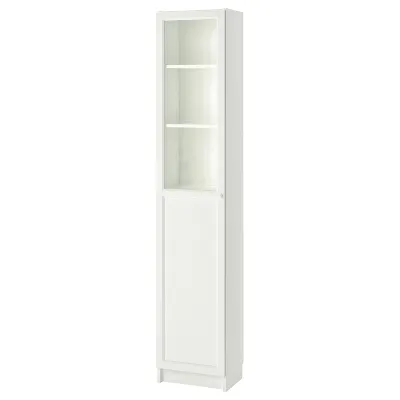
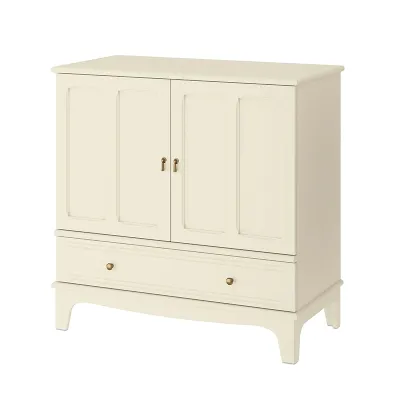
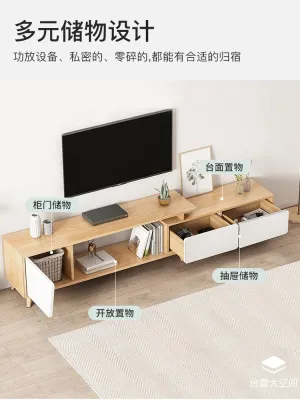
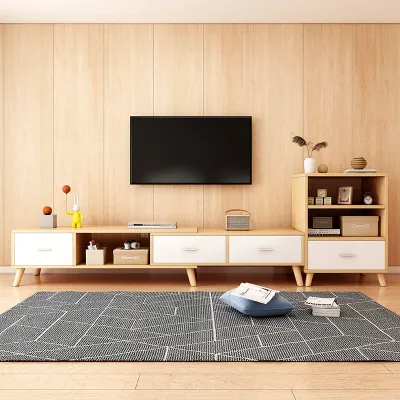

Prices are valid at publication and may change. Please refer to the product page for the latest price.
Next, define the primary storage load the cabinet will carry to determine the necessary weight capacity and shelf thickness. Heavy items like books, ceramic dinnerware, or storage bins require robust support to prevent shelves from sagging over time. Check the product specifications online or on the packaging label for the maximum load capacity per shelf, which is typically listed in kilograms.
Finally, examine the material composition and surface treatments of the cabinet. IKEA wooden cabinets are generally constructed from solid wood, engineered wood with a wood veneer, or paper foil finishes. Solid wood options, such as pine, offer natural durability but may expand or contract with seasonal humidity changes. Engineered wood with a high-quality veneer provides excellent stability, while foil finishes offer a cost-effective, easy-to-wipe surface that resists light moisture.
Living Room: Balancing Display and Concealed Storage
The living room serves as the social hub of a Filipino home, demanding furniture that can handle entertainment systems, decorative items, and daily household clutter. When selecting a media console or storage cabinet, evaluate the depth and width requirements of your electronic devices. Ensure there is sufficient clearance around game consoles, routers, and media players to allow adequate ventilation, preventing heat buildup in our warm tropical climate.

A successful living room layout often combines open shelving with closed cabinet doors. Open shelves allow you to display family photos, books, and decorative pieces that reflect your personal style. Closed cabinets, on the other hand, are essential for hiding visual clutter such as extra cables, board games, and miscellaneous items that you want to keep out of sight.
To maintain a clean and organized look, verify the presence of integrated cable management features. Look for pre-drilled cable outlets, back panel gaps, or dedicated wire channels in the cabinet specifications. These features allow you to run power cords and HDMI cables directly to the wall outlet without leaving a tangled mess of wires exposed to view.
Bedroom: Optimizing Clothing and Nightstand Storage
In the bedroom, maximizing storage while maintaining a restful, uncluttered atmosphere is the primary goal. When choosing a wardrobe or a chest of drawers, match the cabinet’s depth and interior configurations to your specific wardrobe. Hanging clothes like barongs, dresses, and jackets require a deeper cabinet—typically around 50 to 60 centimeters—to prevent hangers from sitting at an angle and wrinkling your garments. For folded t-shirts, activewear, and undergarments, shallower drawers or adjustable shelves are more space-efficient.
Walkway clearance is another vital consideration in typical bedroom layouts. Ensure there is enough physical space to open cabinet doors and pull out drawers fully without blocking walkways or hitting the bed frame. If floor space is limited, consider cabinets with sliding doors, which do not require extra clearance to open and keep your pathways clear.
To ensure your bedroom storage remains functional as your needs change, look for cabinet systems that feature adjustable shelves and compatible interior organizers. Many IKEA wooden cabinet lines are designed to work seamlessly with fabric boxes, drawer dividers, and hanging organizers. This modularity allows you to reconfigure the interior layout over time without needing to purchase an entirely new piece of furniture.
Kitchen and Dining: Managing Moisture and Heavy Dishware
Kitchen and dining areas present unique challenges due to elevated humidity levels, cooking grease, and the sheer weight of kitchenware. When selecting a sideboard, buffet, or pantry cabinet, assess the material’s suitability for high-humidity environments. Pay close attention to the quality of the edge banding on engineered wood cabinets; tight, well-sealed edges prevent moisture from penetrating the core material and causing swelling or warping.
The structural integrity of the shelves is paramount when storing heavy plates, glassware, and small kitchen appliances. Verify the manufacturer’s specified load limits for each shelf before loading them with heavy ceramic or cast-iron items. Opt for cabinets with thicker shelves or central support pillars if you plan to store dense stacks of dinnerware.
For easy maintenance, prioritize surfaces that are simple to wipe clean with a damp cloth and mild soapy water. Additionally, look for cabinets equipped with adjustable feet. Many homes feature slightly uneven tiled or concrete floors, and adjustable feet allow you to level the cabinet precisely, ensuring the doors align correctly and the unit remains stable.
Home Office: Organizing Files and Equipment
A well-organized home office promotes productivity and keeps your workspace ergonomic. When choosing an office cabinet, match its height to your desk level to create a continuous, comfortable workflow. A low cabinet that sits at the same height as your desk can double as an extended work surface, providing a convenient spot for a printer, scanner, or charging station.
Check the internal drawer and shelf dimensions to ensure they accommodate standard paper sizes, file folders, and binders. If you plan to store heavy reference books or archives, verify that the drawer runners are rated for smooth operation under heavy loads. Drawers with integrated pull-out stops are also beneficial, as they prevent the drawer from being pulled completely out of the frame.
Structural stability is critical for office storage, especially when cabinets are loaded with heavy paper documents. Always verify if the unit requires wall anchoring to prevent tipping when multiple drawers are pulled out simultaneously. Placing heavier items in the bottom drawers and lighter items at the top further enhances stability and ensures a safer working environment.
Maintenance and Cross-Room Adaptability
Proper maintenance is essential to preserve the appearance and structural integrity of your wooden cabinets over time. For daily cleaning, use a soft, dry cloth to remove dust from wood veneers and solid wood surfaces. Avoid harsh chemical cleaners or abrasive pads that can scratch the finish; instead, use a slightly damp cloth followed immediately by a dry wipe to prevent moisture from sitting on the wood.
Safety must always be a priority, particularly with tall or top-heavy furniture. Always use the anti-tip kits included with your IKEA wooden cabinet and strictly follow the wall anchoring instructions. Because wall materials vary—ranging from concrete and brick to drywall—ensure you use the correct wall plugs and screws suitable for your specific wall type to secure the unit firmly.
One of the greatest advantages of modular wooden cabinets is their ability to adapt as your household needs evolve. A cabinet that starts its life as a living room bookcase can easily be repurposed into a bedroom wardrobe or a hallway storage unit. By reconfiguring the adjustable shelves, adding or removing door fronts, or updating the hardware, you can give your furniture a completely new look and function without a major reinvestment.
Frequently Asked Questions (FAQ)
What should I check before scheduling delivery for large cabinets?
Before scheduling your delivery, measure the dimensions of your building’s elevator, the tightest turns in your stairwells, and all doorway widths. Compare these measurements against the largest package dimensions listed in the product specifications online to ensure the boxes can physically reach your room. Additionally, clear the designated assembly area of any obstacles and lay down protective cardboard or blankets to prevent scratching your floors during the unboxing and assembly process.
Can I assemble large wooden cabinets by myself?
While many smaller units can be assembled individually, large wooden cabinets typically require two people to lift, align, and secure safely. Review the assembly manual beforehand to understand the physical weight of the components and the specific tools required, such as a hammer, screwdriver, or drill. If the assembly involves complex wall-anchoring steps or if you feel unsure about drilling into your walls, it is highly recommended to hire professional assembly services to ensure structural safety.
Community discussion
Share your experience or ask a question. Comments are reviewed before publication.