
Choosing the right storage organizer box for your home in the Philippines requires balancing aesthetics with tropical climate realities. High humidity, seasonal monsoons, and ambient dust mean that a container perfect for a dry bedroom might fail in a damp kitchen or bathroom. To keep your belongings safe from mold, pests, and structural damage, you must match the material, seal, and design of each box to the specific environmental conditions of the room it occupies. By evaluating how often you need to access your items and checking the physical limits of your storage spaces, you can build an organized, clutter-free home.
Assessing Room Conditions and Storage Needs
Before purchasing any storage organizer box, analyze the microclimate of each room. In the Philippines, indoor spaces experience varying levels of humidity and ventilation. Rooms with constant air conditioning have different moisture profiles than those relying on natural ventilation, which often let in both humid air and fine dust. Inspect your target storage areas for signs of dampness, especially inside built-in wooden closets or near exterior walls that absorb heat and moisture during the rainy season.
Next, evaluate the physical characteristics of the items you plan to store. Heavy objects like books, tools, or kitchen appliances require rigid containers with verified load capacities to prevent the bottom from bowing or cracking. Fragile items, such as glassware or delicate keepsakes, need padded or structured boxes that prevent shifting.
Products mentioned in this guide
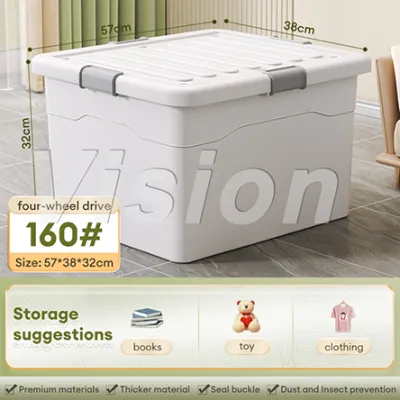
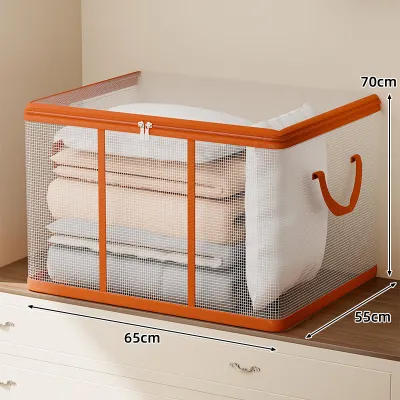
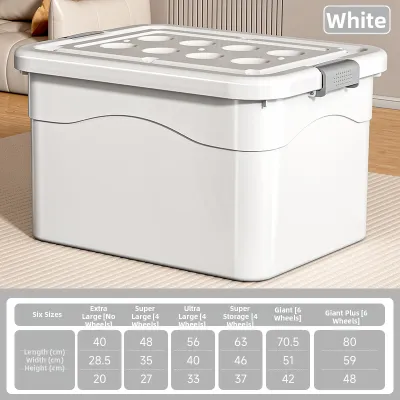
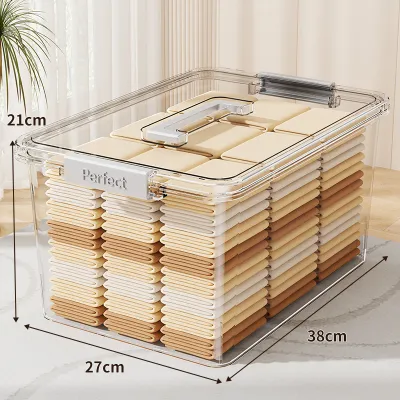
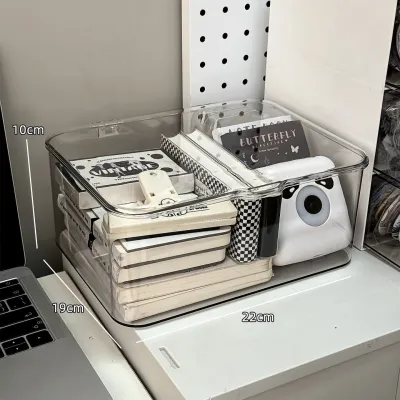
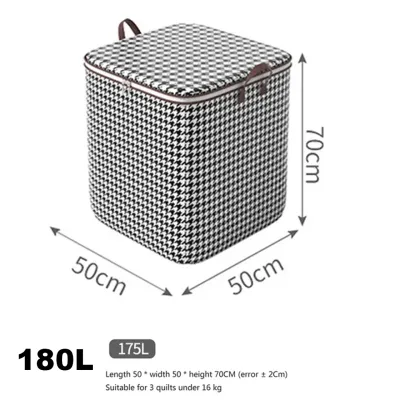
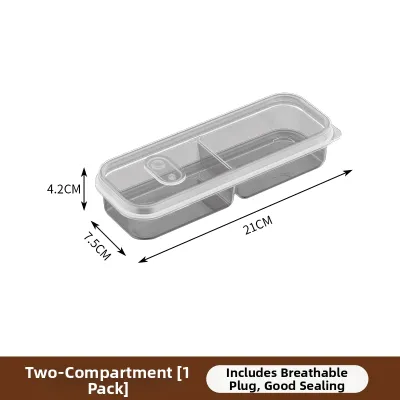
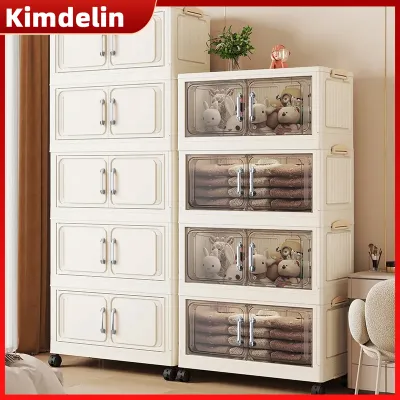
Prices are valid at publication and may change. Please refer to the product page for the latest price.
Finally, consider accessibility. Daily-use items require open-front bins, low-profile baskets, or lightweight boxes with easily removable lids. Conversely, seasonal items—such as holiday decorations or heavy bedding used only during cooler months—are best suited for deep, tightly sealed containers designed for long-term stacking in less accessible spaces.
Living Room and Bedroom Storage Solutions
Living rooms and bedrooms serve as personal sanctuaries where visual harmony is just as important as functional organization. In these spaces, clutter can quickly accumulate, making the choice of storage organizer box highly dependent on both size and visibility.

Before buying under-bed storage or shelf organizers, measure your clearances carefully. Use a tape measure to determine the exact height from the floor to the lowest point of your bed frame, taking into account any center support beams or rug thicknesses. For shelves, measure the depth and height of the opening rather than relying on visual estimates. This ensures that your chosen boxes slide in and out smoothly without scraping the furniture.
When deciding between opaque and transparent boxes, weigh visual neatness against quick identification. Opaque boxes, such as woven baskets, fabric-covered bins, or solid plastic containers, hide colorful clutter and create a clean, uniform look on open shelving. However, they require labeling or memory to locate items. Transparent acrylic or clear plastic boxes are excellent for closets or wardrobes because they allow you to see exactly what is inside at a glance, reducing search time.
For clothing and linen storage, pay close attention to material specifications. Look for fabric boxes made from breathable materials, which allow air circulation and help prevent musty odors from settling into your clothes during humid months. If you choose plastic boxes for garments, ensure they feature secure, dust-resistant lids to keep out fine tropical dust and common household pests.
Kitchen and Bathroom Organizer Selection
Kitchens and bathrooms are high-moisture zones that demand hygienic, durable, and easily cleanable storage solutions. The combination of water, steam, and organic matter makes these rooms highly susceptible to mold growth and bacterial accumulation.
For any storage organizer box destined for the pantry or kitchen cabinets to hold food items, verify that the packaging explicitly states it is food-safe and free from harmful chemicals. These containers should feature airtight silicone seals to keep dry goods like flour, sugar, and grains safe from humidity and pantry pests. Avoid using non-certified utility bins for direct food contact, as they may leach chemicals or fail to provide an adequate barrier against moisture.
In the bathroom and under-sink areas, prioritize materials that are completely waterproof and rust-proof. Untreated metal wire baskets will quickly corrode in humid bathroom air, while untreated wood or cheap wicker can warp and harbor mold. Instead, look for high-quality plastics, thick acrylics, or metals with verified rust-resistant powder coatings. Check the manufacturer’s care instructions to ensure the material can withstand regular sanitizing with household disinfectants.
Ventilation is critical in wet environments. For items used in the shower or stored immediately after use, such as bath toys or toiletries, select organizer boxes with built-in drainage holes or open-mesh designs. This allows excess water to escape and promotes rapid air drying, preventing soapy residue and slime from building up at the bottom of the container.
Home Office and Utility Space Organization
Home offices, garages, and utility rooms often house heavy, dense, or highly disorganized items like documents, tools, cables, and hardware. Storage solutions in these areas must prioritize structural integrity and modular efficiency.
When storing heavy items like reference books, files, or hand tools, always review the manufacturer’s weight capacity limits. Overloading a standard plastic box can cause the handles to snap or the base to fail when lifted. For utility spaces, look for heavy-duty utility totes made from impact-resistant plastics. These boxes should feature reinforced corners, thick walls, and sturdy, integrated handles that allow for safe lifting.
Stackability is key to maximizing vertical space in utility areas. Choose boxes designed with interlocking lids that prevent the top container from sliding off the one beneath it. Secure latches—such as heavy-duty snap locks or buckle closures—are essential to keep the lids firmly attached, protecting sensitive documents or expensive tools from dust, moisture, and pests.
To manage smaller items like stationery, USB cables, screws, or sewing supplies, avoid large, open boxes where items can easily get mixed up. Instead, utilize modular organizer boxes with divided inserts or customizable compartments. This allows you to categorize small parts clearly, saving time and reducing frustration when searching for a specific tool or office accessory.
Maximizing Space and Cross-Room Flexibility
Optimizing your home’s storage requires a strategic approach to space management and a focus on versatile, multi-purpose organizers. Before purchasing large, rigid storage chests or heavy plastic crates, measure your home’s narrowest points. Ensure these containers can easily pass through doorways, tight hallways, and staircases, especially if you live in a multi-story home or a compact condominium.
If you have fluctuating storage needs, collapsible or foldable storage organizer box designs are highly practical. These designs can be popped open to hold seasonal items, extra guest bedding, or temporary project materials, and then folded completely flat when not in use. This prevents empty storage boxes from taking up valuable floor or closet space during off-seasons.
Finally, maintain order across different rooms by implementing a consistent labeling system. Whether you use a digital label maker, adhesive chalkboard labels, or simple hanging tags, clearly marking the contents of each box prevents the need to open multiple containers. This is particularly useful for opaque boxes stored on high shelves or in deep closets, ensuring that your organization system remains functional and easy to maintain for everyone in the household.
Frequently Asked Questions (FAQ)
How do I prevent mold in fabric storage boxes?
To prevent mold in fabric storage boxes, always ensure that clothes, linens, or papers are completely dry before storing them. Place fabric containers in well-ventilated areas of the room, keeping them away from damp exterior walls or floors where moisture can accumulate. Regularly inspect the boxes and follow the manufacturer’s care instructions, which may recommend spot-cleaning with mild soap or air-drying the boxes in a sunny, well-ventilated spot to eliminate trapped moisture.
Can I use the same storage box for the kitchen and bathroom?
You can repurpose storage boxes between the kitchen and bathroom only if the material is non-porous, waterproof, and easy to sanitize, such as high-grade plastic or acrylic. Never transfer a box that has previously held harsh bathroom cleaning chemicals, cosmetics, or non-food items into food preparation areas. Before relocating any container, inspect it for structural integrity, wash it thoroughly with warm soapy water, and sanitize it completely to ensure hygiene standards are met.
Community discussion
Share your experience or ask a question. Comments are reviewed before publication.