
Quick Answer: Best Materials for Wet Weather
Anodized aluminum and High-Density Polyethylene (HDPE) are the most reliable materials for camping tables during the wet season. Anodized aluminum provides an exceptional strength-to-weight ratio and natural resistance to red rust, while HDPE is a completely non-porous thermoplastic that will not absorb water, rot, or degrade when exposed to moisture.
However, the tabletop material is only one part of the equation. The folding hinges, rivets, brackets, and telescopic leg joints are often the first components to fail in wet conditions. If these small hardware pieces are made of cheap, untreated carbon steel, they will rust and seize long before the main tabletop shows any wear.
No camping table is entirely maintenance-free in continuous high humidity. Even the most durable materials require proper cleaning, rinsing, and complete air-drying after exposure to heavy rain and mud to ensure long-term performance.
Products mentioned in this guide
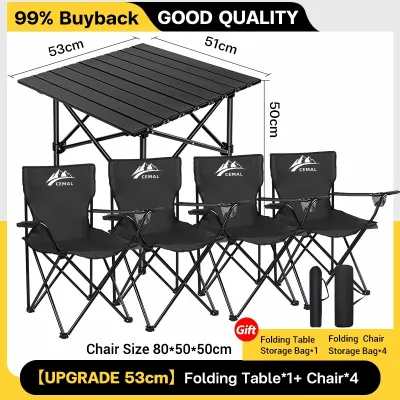
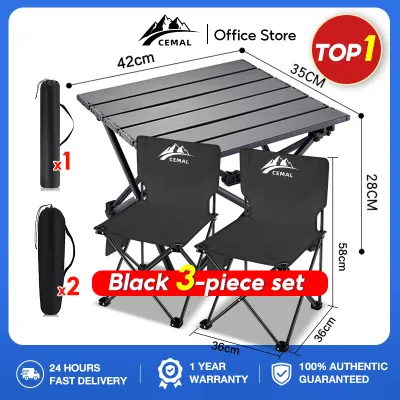
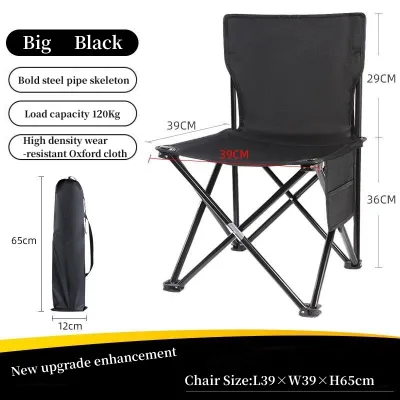
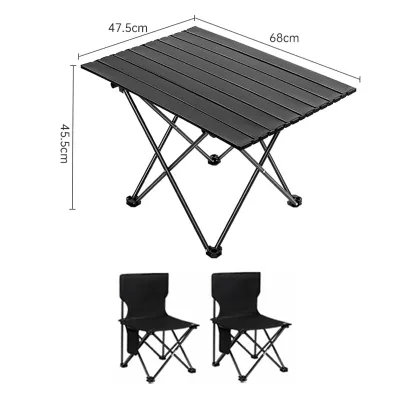
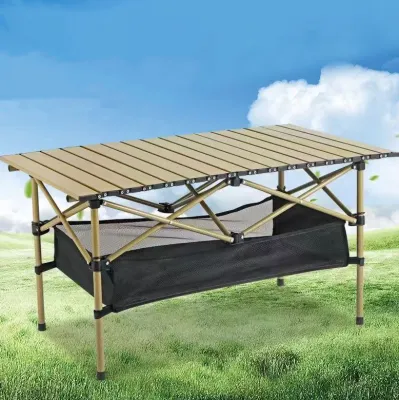
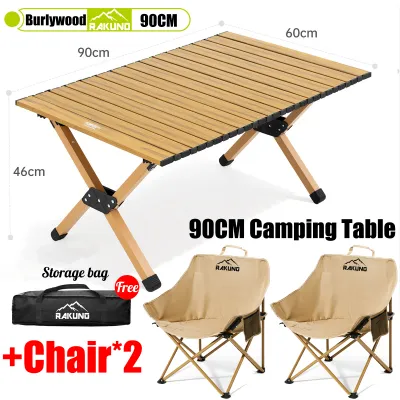
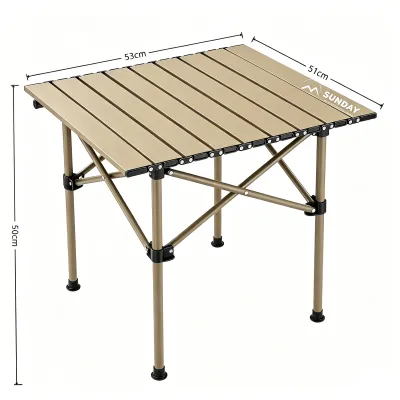
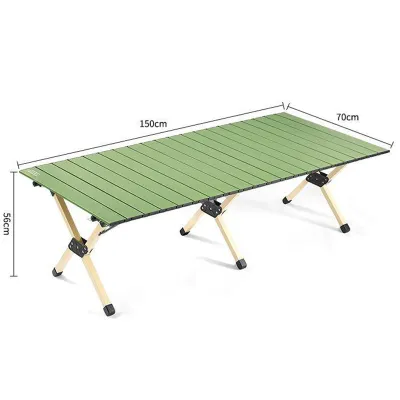
Prices are valid at publication and may change. Please refer to the product page for the latest price.
How the Rainy Season Changes Your Table Requirements
The rainy season in the Philippines, driven by the Southwest Monsoon (Habagat), presents unique challenges for outdoor gear. Campers frequently face sudden torrential downpours, muddy ground, and ambient relative humidity levels that regularly exceed 80%. These tropical conditions create a highly corrosive environment for outdoor furniture.

Continuous high humidity prevents moisture from evaporating quickly, especially from tight spaces like hollow legs and folding joints. When water remains trapped in these areas, it accelerates oxidation in untreated metals. Meanwhile, porous materials like cheap plywood, untreated bamboo, or low-grade fiberboard absorb moisture from the air and wet ground, causing them to swell, warp, delaminate, and develop black mold or mildew.
Because of these harsh conditions, buyers must shift their focus. A generic “waterproof” label is not enough. Instead, prioritize materials that are explicitly quick-drying, corrosion-resistant, and non-porous. The table must be able to withstand being drenched repeatedly without structural degradation.
Weight and portability also become critical factors when camping in wet weather. Heavy rain turns campsite soil into thick, sticky mud. A heavy, waterlogged wooden or steel table becomes extremely difficult to lift, carry, and clean. Selecting lightweight, non-porous materials ensures you can easily maneuver the table, hose off mud, and pack it away without dragging extra weight and trapped water back into your vehicle.
Comparing Table Materials for Rust and Moisture Resistance
Evaluating common camping table materials requires looking past marketing claims and focusing on verifiable material properties. Different materials react uniquely to the combination of water, mud, and tropical heat.
In the Philippine market, camping tables span a wide range of price points. Budget-friendly plastic folding tables typically range from ₱1,000 to ₱2,500, offering excellent basic water resistance. On the other hand, premium anodized aluminum roll-up tables or specialized heavy-duty camping tables can range from ₱3,000 to over ₱8,000, reflecting their advanced coatings, lightweight frames, and specialized hardware designed to survive harsh weather.
Aluminum Frames and Anodized Finishes
Aluminum is highly favored for outdoor gear because it does not contain iron, meaning it cannot develop red rust (iron oxide). However, aluminum is still subject to chemical reactions. When exposed to prolonged moisture, acidic soil, or salty coastal air, untreated aluminum can undergo galvanic corrosion or oxidation, which manifests as a dull white powder and surface pitting.
To prevent this, look for camping tables specified as having anodized aluminum or powder-coated finishes. Anodizing is an electrochemical process that thickens the natural oxide layer on the metal’s surface, creating a hard, scratch-resistant barrier that protects against pitting. Powder coating applies a dry protective polymer layer that is baked onto the metal, offering excellent physical protection.
Beyond corrosion resistance, aluminum’s low density is a major practical advantage. Aluminum tables are easy to lift out of deep mud and carry to a wash station. This portability is invaluable when you need to pack up quickly during a sudden downpour.
Stainless Steel Surfaces and Hardware
Stainless steel is exceptionally strong and highly resistant to corrosion due to the presence of chromium, which forms an invisible protective barrier on the surface. However, the term “stainless” is a relative descriptor, not an absolute guarantee. In high-humidity tropical environments, low-grade stainless steel can and will rust over time if left wet.
When shopping, check the manufacturer’s specifications for the specific grade of steel used. Grade 304 stainless steel (often labeled as 18/8) contains higher levels of chromium and nickel, making it far superior at resisting moisture and organic acids from food spills than lower-grade 201 stainless steel. Grade 304 is highly recommended for food preparation surfaces.
The most critical area to inspect on a stainless steel table is the hardware. Manufacturers sometimes pair a high-quality stainless steel tabletop with cheap, zinc-plated steel screws, rivets, or internal springs. These small fasteners will rust rapidly when exposed to rain, causing the joints to seize or fail even if the main tabletop remains pristine.
HDPE and Engineered Plastics
High-Density Polyethylene (HDPE) is an engineered thermoplastic that offers absolute immunity to rust and rot. Because it is completely non-porous, water cannot penetrate its structure, preventing any risk of swelling, warping, or internal mold growth. This makes plastic folding tables a highly practical and cost-effective choice for wet-weather camping.
While HDPE handles water effortlessly, its primary vulnerability in tropical climates is solar radiation. In the Philippines, intense, direct sunlight often follows immediately after a heavy rain shower. Untreated plastics degrade under UV rays, leading to fading, chalking, and eventual brittleness or cracking. Always verify that the plastic tabletop is UV-stabilized or treated with UV inhibitors.
From a maintenance perspective, HDPE is incredibly user-friendly. Sticky mud, wet leaves, and food spills do not adhere deeply to the smooth surface. You can wash the table down with a bucket of water or a hose, wipe it with a dry cloth, and have it completely dry and ready for storage in minutes.
Wood, Bamboo, and Composites
Many campers prefer the warm, natural aesthetic of wooden or roll-up bamboo camping tables. However, untreated natural wood and bamboo are highly hygroscopic materials. They naturally absorb moisture from the humid air and wet ground, which leads to swelling, warping, joint separation, and rapid mold colonization.
If you prefer a natural look, you must ensure the wood or bamboo has been thoroughly treated with a marine-grade polyurethane sealant or outdoor varnish. Wood-plastic composites (WPC) are another viable alternative, as they blend wood fibers with plastic polymers to significantly reduce water absorption while retaining a wood-like appearance.
When evaluating a wooden or bamboo table, always inspect the underside, the edges of the slats, and the screw holes. Manufacturers often apply a beautiful protective finish to the top surface but leave the underside or joints raw. Water will inevitably seep into these unsealed areas, trapping moisture and rotting the table from within.
Construction Details That Prevent Water Damage
A camping table’s longevity in wet weather depends heavily on its structural design and the quality of its moving parts. Even the most rust-resistant tabletop material will fail if the folding mechanism or leg joints degrade.
Folding joints, hinges, and telescopic leg locks are natural water traps. When rain falls, water runs down the frame and pools in these tight spaces. Look for tables with simple, open hinge designs that allow water to drain freely rather than trapping it inside the mechanism. Avoid tables with complex, deeply recessed joints that are difficult to clean and dry.
Hollow metal legs are another common point of failure. If water enters the tubing—either from rain or from standing in deep puddles—and cannot escape, the legs will rust from the inside out. High-quality camping tables feature tightly sealed top caps to prevent water entry, along with open bottoms or dedicated drainage holes near the feet to let any trapped moisture escape.
The design of the table’s feet is crucial for stability on wet, muddy ground. Small, narrow plastic caps will sink straight into soft mud, causing the table to tilt and potentially spill your gear. Look for tables equipped with wide mud feet, articulated bases that adjust to uneven ground, or broad, flat feet that distribute the table’s weight over a larger surface area. Non-slip rubber or textured thermoplastic polyurethane (TPU) feet also provide essential grip on wet wooden platforms or slick rocks.
Drying and Storage Rules for Humid Climates
Proper maintenance and storage are essential to extending the lifespan of your camping table, especially when dealing with the high relative humidity of the Philippine climate. Following a disciplined post-trip routine prevents hidden corrosion and mold growth.
The most important rule of wet-weather gear care is to never store a table while it is damp. Even if your table is constructed from anodized aluminum and HDPE, packing it away wet inside a tight polyester carry bag creates a highly humid microclimate. This trapped moisture will quickly lead to mold on the fabric bag, musty odors, and accelerated rust on any steel hardware.
Before packing up at the campsite, rinse off any mud, sand, or organic debris with clean water. Mud holds moisture against the frame and can contain corrosive organic acids from decaying leaves and soil. Use a clean cloth to wipe down the tabletop, legs, and joints to remove the bulk of the water.
Once you return home, unfold the table completely in a well-ventilated, shaded area—such as a garage, balcony, or service yard—and let it air-dry for at least 24 to 48 hours. This ensures that all moisture trapped inside hollow legs, screw holes, and hinges has fully evaporated.
Periodically inspect the moving joints and folding hinges. If the manufacturer’s care instructions permit, apply a light spray of silicone lubricant to the moving parts to displace moisture and prevent seizing. Avoid using heavy oils or grease, as they tend to attract dirt, sand, and grit during your next outdoor trip. Finally, store the dry table in a cool, elevated indoor space, away from damp concrete floors or humid storage sheds.
Frequently Asked Questions (FAQ)
Can I leave my aluminum camping table outside in the rain?
While aluminum is highly resistant to red rust, leaving your table exposed to constant rain, pooling water, and wet soil is not recommended. Over time, prolonged exposure can degrade protective powder coatings or anodized finishes, leading to surface pitting and oxidation. Moisture can also pool inside hollow leg tubes or around steel fasteners, causing joint corrosion. To maximize the table’s lifespan, cover it with a waterproof tarp or store it under a shelter when it is not in active use.
How do I remove light surface rust from my table hinges?
To address light surface rust on steel hinges or rivets, start by gently scrubbing the affected area with a soft wire brush or a non-scratch nylon scouring pad. Wipe away the loosened rust particles with a damp cloth, and then dry the area completely with a clean towel. Once dry, apply a small amount of a manufacturer-approved light lubricant or rust inhibitor to protect the metal from future moisture. If you notice that the rust has penetrated deeply or compromised the structural strength of the hinge, stop using the table and consult the manufacturer for replacement parts.
Community discussion
Share your experience or ask a question. Comments are reviewed before publication.