
When selecting a camping table foldable outdoor setup for the rainy season, aluminum alloys and high-grade stainless steel offer the highest natural resistance to rust and corrosion. While budget-friendly coated steel tables are widely available, they require meticulous maintenance to prevent rust once their protective layers are scratched. Choosing the right material ensures your gear survives sudden tropical downpours and high humidity without structural failure.
To make an informed purchase, you must look beyond generic “waterproof” marketing claims. True weather resistance depends on the base metal, the quality of its protective finishes, and the design of the folding joints. Understanding how wet environments interact with these materials will help you select a table that remains stable and rust-free season after season.
How Rain and High Humidity Affect Outdoor Camping Tables
The tropical climate of the Philippines presents severe challenges for outdoor gear, especially during the wet southwest monsoon (Habagat) season. Frequent heavy downpours, high ambient humidity often exceeding 80 percent, and damp ground conditions create a highly corrosive environment for metal furniture. When a folding table is set up on wet grass or muddy soil, moisture continuously evaporates upward, wrapping the frame in a persistent shroud of water vapor.
Products mentioned in this guide
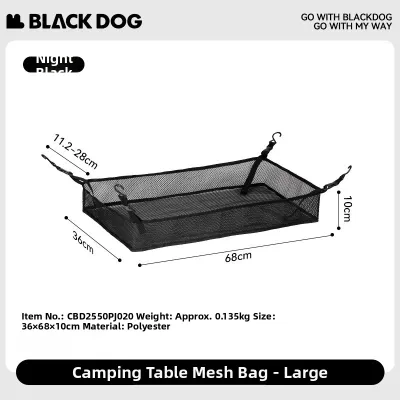
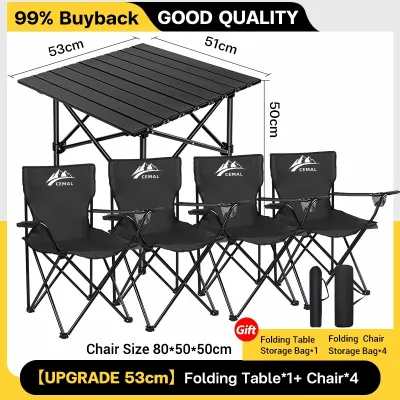
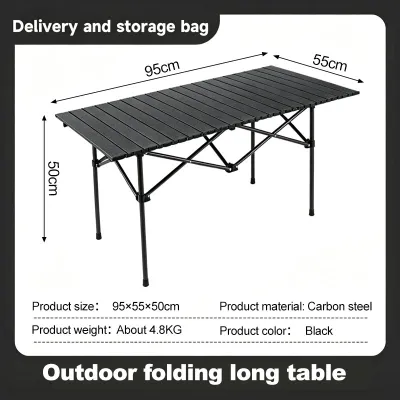
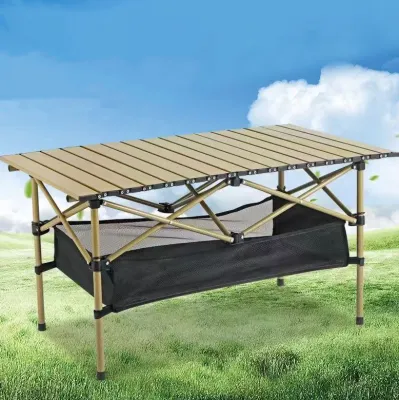
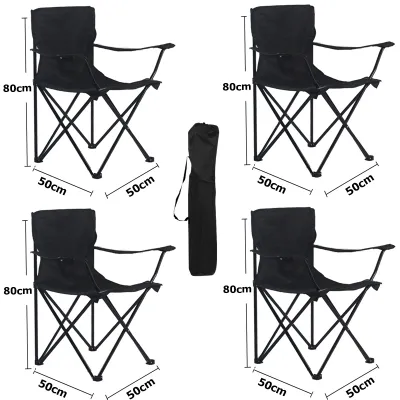
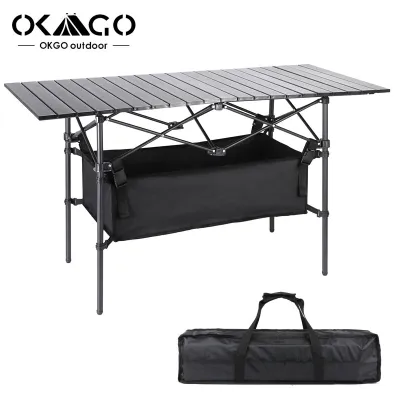
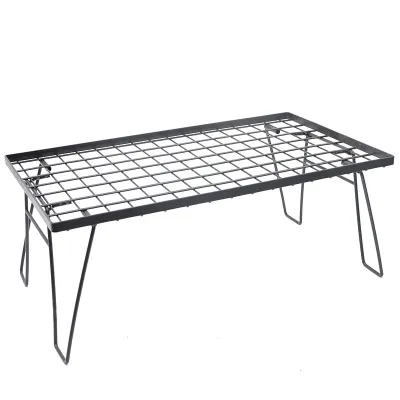
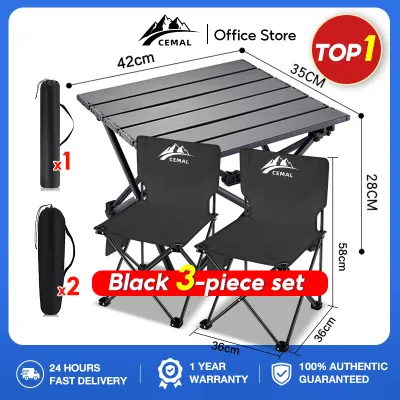
Prices are valid at publication and may change. Please refer to the product page for the latest price.
Many manufacturers label their products as “waterproof” if the tabletop is made of treated fabric or plastic, but this label rarely applies to the entire assembly. The underlying structural frame, folding legs, and internal springs remain highly vulnerable to moisture. A waterproof fabric top can actually trap water underneath, holding dampness against the metal frame long after the rain has stopped.
Furthermore, the folding mechanisms of these tables inherently create vulnerability. Hollow metal tubes, pivot joints, and sliding hinges contain tight spaces where water easily enters through capillary action but struggles to evaporate. This trapped moisture creates a localized high-humidity microenvironment inside the frame, accelerating hidden corrosion that can cause the joints to seize or snap during setup.
Comparing Common Foldable Camping Table Materials for Rust Resistance
Different metals and synthetic materials respond uniquely to prolonged moisture exposure. Selecting the right frame material requires balancing rust resistance, overall weight, load capacity, and maintenance requirements.

Aluminum Alloys
Aluminum is the most popular material for outdoor folding frames because it does not rust in the traditional sense. Because aluminum contains no iron, it cannot develop iron oxide (red rust). Instead, when exposed to oxygen and moisture, it naturally forms a thin, microscopic layer of aluminum oxide that protects the underlying metal from deeper corrosion.
However, untreated aluminum can still undergo a form of corrosion known as oxidation, which manifests as a dull gray film or a white, powdery residue. To prevent this cosmetic and structural degradation, look for tables with anodized or powder-coated aluminum frames. Anodizing chemically hardens the surface, making it highly resistant to scratches and tropical moisture, while powder coating adds a thick physical barrier.
From a practical standpoint, aluminum is exceptionally lightweight, making it easy to carry from your vehicle to the campsite. However, because aluminum is less dense than steel, you must verify the manufacturer’s rated load capacity. A typical lightweight aluminum roll-up table may support between 20 to 50 kilograms; exceeding this limit can bend the soft metal joints, permanently compromising the folding mechanism.
Stainless Steel
For heavy-duty camping setups where stability and high load capacity are critical, stainless steel is an exceptionally durable option. Stainless steel contains chromium, which reacts with oxygen to form a self-healing passive layer that blocks moisture from reaching the iron base. This makes it highly resistant to both rust and deep pitting under heavy rain.
It is important to note that not all stainless steel grades perform equally in wet and humid environments. When browsing product specifications, check the alloy grade if provided by the manufacturer. Grade 304 stainless steel offers superior rust resistance due to its high nickel and chromium content, making it ideal for coastal camping where salt air accelerates corrosion. Grade 201 is more budget-friendly but contains less nickel, making it prone to surface tea-staining and micro-pitting in highly humid or polluted environments.
The primary trade-off with a stainless steel frame is its physical weight. These tables are significantly heavier than their aluminum counterparts, making them less suitable for backpacking or remote campsites where you must carry gear over long distances. They are best reserved for car camping, overlanding, or semi-permanent backyard setups.
Coated Carbon Steel and Iron
Coated carbon steel and iron tables represent the most affordable segment of the outdoor furniture market. When brand new, these tables offer excellent rigidity, high load capacities, and stable platforms for heavy cooking gear. Their structural strength often surpasses that of aluminum at a fraction of the cost.
However, base steel and iron possess virtually no inherent rust resistance. They rely entirely on an external protective barrier, such as a powder-coated paint finish, to keep moisture away from the metal. The moment this coating is scratched—which happens frequently at pivot points, sliding joints, and ground-contact feet during normal folding and transport—the exposed steel underneath will begin to rust almost immediately when wet.
Once rust begins under a powder coat, it can spread unseen beneath the paint layer, causing the coating to bubble and peel away. For this reason, carbon steel tables are not recommended for continuous exposure to heavy rain or high-humidity coastal environments. They are best suited for dry-season camping, covered patios, or occasional use where they can be immediately dried and stored indoors.
Non-Metallic Alternatives (Plastics, Resins, and Treated Wood)
If you want to eliminate the risk of frame rust entirely, non-metallic materials are worth considering for the tabletop and secondary structural elements. High-density polyethylene (HDPE) plastics and engineered resins are completely immune to water damage, rot, and rust. They can be scrubbed clean easily and tolerate direct rain without structural degradation.
However, plastics present their own environmental vulnerabilities in tropical climates. Prolonged exposure to intense ultraviolet (UV) rays from the sun can degrade the chemical bonds in the plastic, causing it to fade, become brittle, and eventually crack under heavy or uneven loads. Additionally, plastic tables often still rely on metal screws, rivets, and folding legs that remain susceptible to rust.
Wooden and bamboo tabletops offer a classic, natural aesthetic but require high maintenance in humid conditions. While wood does not rust, untreated or poorly sealed wood quickly absorbs atmospheric moisture, leading to mold growth, rot, and severe warping. If you choose a bamboo or wooden camping table, verify that it has been treated with a marine-grade polyurethane or water-resistant sealant, and expect to reapply a protective coating annually.
Key Specifications and Structural Features to Verify
When evaluating a camping table foldable outdoor model online or in a retail store, you must look closely at the structural details to determine how well it will withstand the wet season.
- Joint and Hinge Hardware: A table advertised as having an "aluminum tabletop" may still use cheap, untreated carbon steel screws, rivets, and folding hinges. Inspect these connection points closely. If the hardware is not made of stainless steel, brass, or heavily coated alloy, the joints will quickly rust, seize, and make folding the table difficult or impossible.
- Surface Treatment Quality: Run your hands along the frame tubes and joints to check the consistency of the powder coating or anodized finish. Pay close attention to welded joints, sharp bends, and the interior edges of screw holes. Thin, uneven, or bubbling paint in these areas indicates a high risk of early rust formation.
- Drainage and Water Pooling: Avoid solid, tray-style tabletops with raised edges that trap rainwater. Instead, select slatted tabletops (common in roll-up aluminum designs) or mesh surfaces that allow water to drain instantly. Additionally, ensure that hollow frame tubes are sealed with tight-fitting rubber or plastic end-caps to prevent water from filling the legs and rusting them from the inside out.
- Fabric Tops and Moisture Retention: If you prefer a lightweight table with a fabric top (such as high-denier Oxford cloth), check if the fabric is detachable. Fixed fabric tops make it incredibly difficult to dry the underlying metal frame thoroughly, leading to hidden mold and rust along the contact seams.
- Stability and Anchoring: High winds often accompany heavy tropical rains. Check the design of the table feet. Wide, pivoting mud feet provide better stability on wet, soft soil and prevent the metal legs from sinking into the ground, which exposes the lower frame to constant moisture.
Rainy Season Maintenance and Storage Practices
No matter how rust-resistant your camping table’s materials are, proper maintenance is essential to prolong its lifespan and preserve its folding mechanism. Implementing a simple post-trip cleaning routine will prevent moisture from degrading your gear during storage.
Before performing any maintenance or applying cleaning agents, always check the product label and the manufacturer’s specific care instructions. If the manufacturer’s guidelines conflict with general advice, prioritize their instructions to avoid voiding your warranty.
Immediate Drying
Never fold and store a wet or damp camping table inside its carry bag for extended periods. Doing so creates a sealed, high-humidity microenvironment that accelerates rust on metal parts and encourages mold growth on fabric or wooden components. If you must pack up your campsite in the rain, remove the table from its bag as soon as you return home. Wipe down all surfaces with a clean, dry towel and set the table up in a shaded, well-ventilated indoor area to air-dry completely.
Cleaning Mud and Debris
Rainy-season camping often leaves your gear covered in mud, sand, and organic debris. Mud holds moisture against the frame and can contain acidic soil compounds or organic matter that slowly eats through protective paint coatings. Wash the table down using clean water, a mild dish soap, and a soft microfiber cloth. Avoid using harsh chemical solvents, bleach, or abrasive scrubbing pads, as these will scratch anodized surfaces and strip away protective powder coatings.
Storage Conditions
Store your completely dry folding table in an elevated, dry location away from direct ground moisture. Avoid storing outdoor gear in damp basements, unventilated garden sheds, or the trunk of your car, where temperatures and humidity levels fluctuate wildly. Keeping the table in a dedicated storage bag in a closet or dry garage shelf protects it from dust and ambient humidity.
Touch-Up Protocols
If you notice minor scratches or chipped paint on a coated steel or iron frame, address them immediately before rust can take hold. Clean the exposed metal area thoroughly with a soft cloth and a dab of rubbing alcohol to remove grease. Once dry, apply a thin layer of clear nail polish or a specialized rust-inhibiting touch-up paint over the scratch to seal the raw metal from the air. For aluminum frames, keeping the surface clean and dry is generally sufficient to prevent oxidation from spreading.
Frequently Asked Questions (FAQ)
Can I leave my foldable camping table outside during heavy rain?
You should avoid leaving any foldable camping table permanently outdoors during heavy rain, regardless of its material. Folding tables are designed with numerous joints, rivets, and hollow tubes that easily trap water. Continuous exposure to downpours accelerates the degradation of protective coatings, promotes mold on fabric parts, and allows water to pool inside the frame, which eventually leads to rust and stiff joints.
How do I remove early signs of rust from a coated steel camping table?
To treat early surface rust, first consult your table’s manufacturer instructions for approved cleaning methods. If allowed, gently scrub the rusted spot using a soft-bristled brush or ultra-fine steel wool (grade 0000) dipped in a mixture of mild soap and water, taking care not to scratch the surrounding healthy paint. Once the rust is removed, wipe the area completely dry and apply a rust-inhibiting primer or clear protective sealant to prevent oxygen and moisture from reaching the exposed steel again.
Community discussion
Share your experience or ask a question. Comments are reviewed before publication.