
Selecting a foldable table with chair set that can withstand the relentless wet season requires looking beyond generic weather-resistant labels. In tropical climates like that of the Philippines, where heavy monsoon rains and high relative humidity persist for months, outdoor furniture faces a constant threat of structural degradation. Moisture acts as a catalyst for electrochemical oxidation on metal frames, while simultaneously creating a breeding ground for mold, mildew, and wood rot on seating surfaces. To protect your investment, you must understand how specific materials and manufacturing treatments perform under prolonged exposure to water.
Evaluating a foldable table with chair set involves examining not only the primary frame and surface materials but also the integrity of the moving joints. Folding mechanisms inherently introduce friction, which can scrape away protective coatings and expose raw materials to damp air. By prioritizing high-grade, non-porous materials and robust anti-corrosion finishes, you can ensure your outdoor dining or patio set remains structurally sound, safe, and visually appealing throughout the wettest times of the year.
Quick Material Guide for Wet Climates
When shopping for a foldable table with chair set to use in humid, rain-prone environments, your primary defense against deterioration is the raw material composition. The most reliable frame materials for resisting rust are powder-coated aluminum and high-grade stainless steel. For tabletops and seating surfaces, non-porous synthetics such as high-density polyethylene (HDPE) and UV-treated resins offer the best protection against moisture absorption, warping, and fungal growth. If you prefer flexible seating, PVC-coated polyester slings provide excellent breathability and rapid drying times.
Products mentioned in this guide
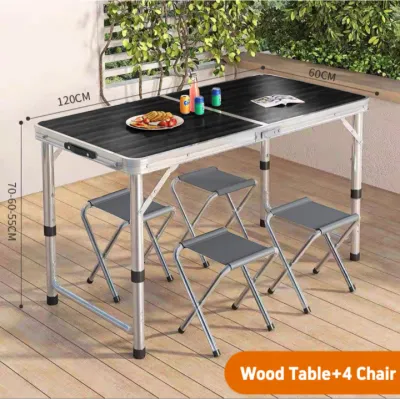
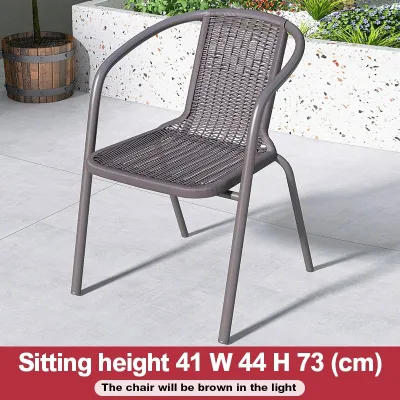
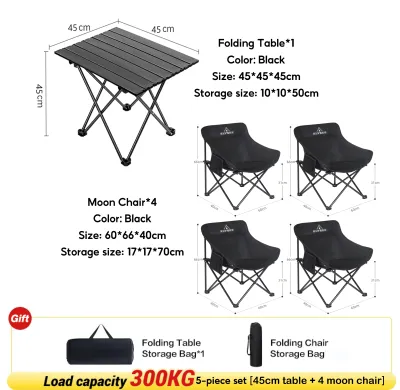
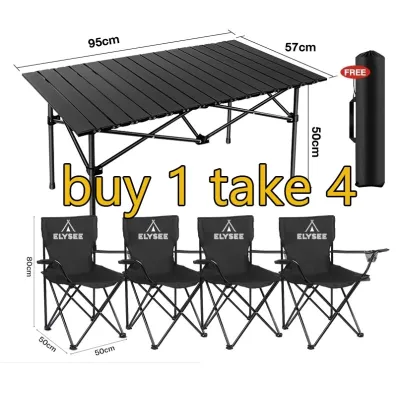
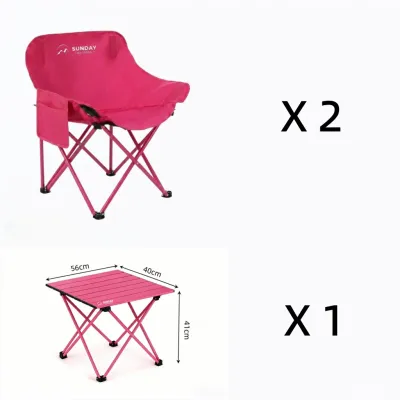
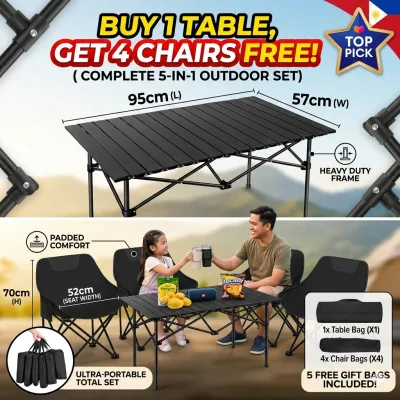
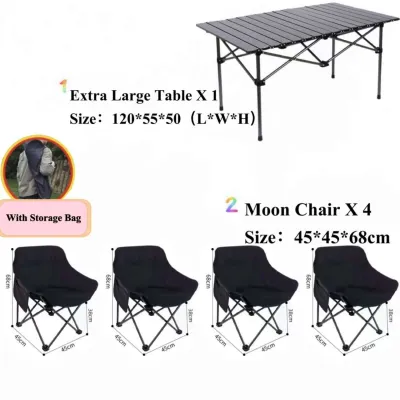
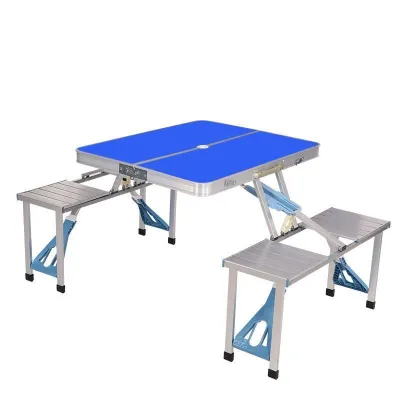
Prices are valid at publication and may change. Please refer to the product page for the latest price.
It is critical to recognize that generic marketing terms like “waterproof” or “rust-proof” do not guarantee long-term durability. True moisture and rust resistance depend on specific manufacturing standards, such as the thickness of the metal walls, the application of multi-stage protective coatings, and the quality of the hardware used in the folding joints. Because folding furniture relies on pivoting hinges, rivets, and slides, these moving parts are highly vulnerable to water entrapment. A high-quality set must feature corrosion-resistant hardware to prevent the joints from seizing or rusting over time.
Frame Metals: Evaluating Rust Resistance in High Humidity
Metal frames provide the structural foundation for outdoor folding furniture, but high humidity levels accelerate the rusting process. When oxygen and moisture come into contact with untreated iron or steel, iron oxide forms, structurally weakening the metal. To prevent this, manufacturers utilize naturally corrosion-resistant metals or apply specialized protective barriers.

Aluminum and Powder-Coated Steel
Aluminum is highly favored for outdoor folding frames because it naturally produces a microscopic oxide layer that prevents deep, structural rust. This makes it exceptionally resilient in wet tropical climates. However, because aluminum is lightweight, you must verify the structural stability of the set. Check the manufacturer’s specifications for the frame’s tube wall thickness; a thickness of 1.2mm or greater is generally recommended to ensure the furniture can support standard weight capacities without bending or buckling under load.
Steel frames are heavier and offer excellent stability, making them less likely to tip over in strong winds, but they are highly susceptible to rust if exposed to moisture. If you choose a steel-framed foldable table with chair set, a high-quality powder coating is absolutely essential. Powder coating involves electrostatically applying a dry plastic powder to the metal and curing it under heat to create a hard, continuous protective skin. Look for multi-stage powder-coated or e-coated steel frames in product descriptions, and avoid painted steel, which chips easily and exposes the vulnerable metal underneath to rapid corrosion.
Stainless Steel and Hardware Considerations
Stainless steel is another premium option for outdoor frames, but not all stainless steel is created equal. When reviewing product specifications, look for marine-grade 316 stainless steel or high-quality 304 stainless steel. These alloys contain chromium and nickel, which form a self-healing passive layer that resists rust even when exposed to salt-laden air in coastal regions of the Philippines. Lower grades of stainless steel, such as 201, contain less nickel and will develop surface rust quickly in humid environments.
Beyond the main frame, the hardware used to construct the folding joints is a common point of structural failure. Check the manufacturer’s specifications to confirm that the hinges, rivets, screws, and brackets are also made of stainless steel or treated with a robust rust-inhibiting coating. If a manufacturer pairs an aluminum frame with cheap, untreated iron hardware, galvanic corrosion can occur when water bridges the two different metals. This process accelerates the rusting of the iron hardware, eventually seizing the folding mechanism or causing the joints to snap.
Surfaces and Seating: Preventing Moisture Damage and Mold
The materials used for tabletops and seat pans must withstand direct rainfall and high humidity without absorbing water. Porous materials trap moisture, leading to structural warping, cracking, and the rapid colonization of mold and mildew, which can ruin the appearance and hygiene of your furniture.
Hard Surfaces: Resins, Plastics, and Treated Wood
High-density polyethylene (HDPE) and UV-treated resins are among the best choices for hard surfaces on a foldable table with chair set. HDPE is a non-porous thermoplastic that completely repels water, meaning it will not swell, rot, or harbor fungal growth. These synthetic materials are also highly resistant to staining and can be easily wiped dry after a heavy downpour. When selecting resin furniture, ensure it is UV-stabilized so it does not become brittle or discolor under the intense tropical sun between rainstorms.
If you prefer the natural aesthetic of wood, materials like teak or shorea are viable options due to their high natural oil content, which naturally repels water and insects. However, wood is never entirely maintenance-free in wet climates. Untreated wood will warp, split, and rot when subjected to repeated wetting and drying cycles. To maintain its structural integrity, wood must be treated regularly with protective outdoor oils or sealants. Always check the manufacturer’s care instructions to understand the specific oiling schedule required to keep the wood protected during the wet season.
Flexible Surfaces: Outdoor Textiles and Slings
For foldable chairs, flexible sling seating made of PVC-coated polyester (often referred to as textilene) is highly practical for wet climates. This fabric is woven from polyester yarns coated with protective vinyl, creating a material that does not absorb water. The open-weave design allows rainwater to drain straight through and promotes air circulation, which helps the seat dry rapidly after a shower and prevents the formation of mold.
If you prefer cushioned seating, avoid standard indoor fabrics and low-density foam, which act like sponges, trapping water and causing internal rot. Instead, ensure the cushions utilize open-cell polyurethane foam, commonly marketed as quick-dry foam. This specialized foam features large, open pores that allow water to drain through almost instantly. Pair this foam with solution-dyed acrylic covers, which resist water penetration and are treated to inhibit mold and mildew growth. Check the product tags to verify that the fabric covers are removable and machine-washable for easy maintenance.
Structural Details and Hardware to Verify Before Purchase
When choosing a foldable table with chair set, evaluating the physical design features is just as important as selecting the right materials. A well-engineered set incorporates structural details that actively prevent water accumulation, internal corrosion, and safety hazards during the wet season.
First, inspect the tabletop and seat designs for water drainage features. Solid, perfectly flat tabletops can allow water to pool, which puts prolonged hydraulic pressure on joints and finishes. Look for tabletops with slatted surfaces, mesh patterns, or built-in drainage holes that allow rainwater to run off freely. Similarly, chair seats should have contoured pans with drainage slots to prevent puddles from forming where you sit.
Second, examine how the metal frame is constructed to prevent internal rust. Hollow metal tubes are common in folding furniture to keep the weight manageable, but if water gets inside these tubes, they will rust from the inside out. Look for frames with seamless welding at the joints and tight-fitting plastic or rubber end caps on all open tube ends. These caps seal the interior of the frame against moisture and prevent debris from trapping water inside.
Finally, verify the weight capacity and structural stability of the set. Wet ground conditions, such as damp grass, mud, or slick patio tiles, can compromise the stability of folding furniture. Ensure the chairs and table feature robust, non-slip rubberized feet to prevent sliding. The folding joints should include secure locking pins or latch mechanisms that prevent the furniture from accidentally collapsing when placed on uneven or slippery surfaces.
Rainy Season Care and Storage for Foldable Sets
Proper maintenance and storage during the wet season are essential to maximize the lifespan of your foldable table with chair set, even if it is constructed from highly weather-resistant materials. Implementing a routine care schedule prevents the accumulation of organic matter that traps moisture and accelerates corrosion.
- Perform Regular Cleaning: Wash your furniture set periodically with mild dish soap, warm water, and a soft cloth or sponge. Dirt, pollen, bird droppings, and fallen leaves can trap moisture against the furniture's surface and provide a food source for mold spores. Avoid using harsh chemical cleaners, bleach, or abrasive scrubbing pads, as these can scratch and degrade protective powder coatings or wood sealants.
- Dry Thoroughly Before Folding: Never fold and store your furniture while it is still wet or damp. Trapping moisture inside the folded joints and fabric layers creates a highly humid, dark environment that rapidly promotes rust and mold growth. Wipe down all surfaces with a dry towel and allow the set to air-dry completely in a well-ventilated area before folding it for storage.
- Use Breathable Covers: If you leave your folded set outdoors or on a semi-sheltered patio, protect it with a high-quality, water-resistant furniture cover. Ensure the cover is made of breathable fabric, such as solution-dyed polyester with built-in air vents. Avoid using cheap, airtight plastic tarps, which trap rising ground moisture and condensation underneath, creating a destructive greenhouse effect that accelerates metal corrosion.
- Maintain Moving Parts: Periodically inspect the folding hinges and hardware for smooth operation. Consult the manufacturer's care guide before applying any aftermarket lubricants or rust inhibitors to the joints. If approved, a light application of silicone spray can help repel moisture from the moving parts and keep the folding mechanisms operating smoothly.
Frequently Asked Questions (FAQ)
Can I leave my foldable table and chair set outside during heavy storms?
It is highly recommended to fold and store your set in a dry, covered indoor area during severe storms or typhoons. Strong winds can easily catch lightweight folding furniture, causing physical damage, tipping, or safety hazards. Additionally, heavy, wind-driven rain can force water deep into protected joints, hollow frame tubes, and fabric seams where it cannot easily evaporate, significantly increasing the risk of internal rust and mold.
How do I remove early signs of rust from metal folding joints?
If you notice minor surface rust forming on the folding joints, address it immediately to prevent structural damage. Clean the affected area gently using a soft-bristled brush, mild soap, and warm water. Avoid using steel wool, wire brushes, or harsh abrasive cleaners, as these will scratch the surrounding protective powder coating and expose more bare metal to corrosion. Once the area is completely dry, consult the manufacturer’s guidelines regarding the application of approved touch-up paint or protective lubricants to seal the metal.
Community discussion
Share your experience or ask a question. Comments are reviewed before publication.