
Choosing a deck bed frame for your child requires a systematic evaluation of physical safety features, structural stability, and developmental appropriateness. In the Philippines, where tropical humidity can affect wood and metal over time, parents must look beyond aesthetics. Key features to inspect include guardrail heights, slat spacing, weight capacities, and hardware security. By verifying these elements against official manufacturer specifications, you can create a secure sleeping environment that accommodates your child’s growth and active daily movements.
Age and Developmental Readiness
Transitioning a child to a new bed is a major milestone. While a low-profile deck bed frame—which sits close to the floor—is generally safer than a high loft bed, age readiness remains a primary consideration. Most manufacturers provide specific age recommendations on their product labels or user manuals. For standard low-profile deck beds, children are typically ready around two to three years of age, whereas elevated or bunk-style deck beds are strictly recommended for children aged six and older.
Beyond chronological age, physical development and sleep behavior play critical roles. If your child is an active sleeper who frequently tosses, turns, or rolls out of position, an elevated frame poses a higher risk of falls. Observe how your child navigates furniture during the day; coordination, climbing skills, and the ability to get in and out of bed safely without assistance are vital indicators. Always cross-reference your observations with the manufacturer’s printed guidelines to ensure the frame aligns with your child’s current developmental stage.
Products mentioned in this guide

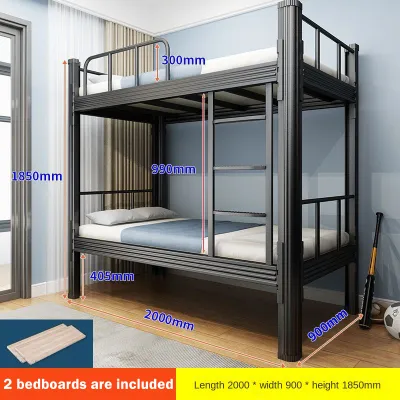
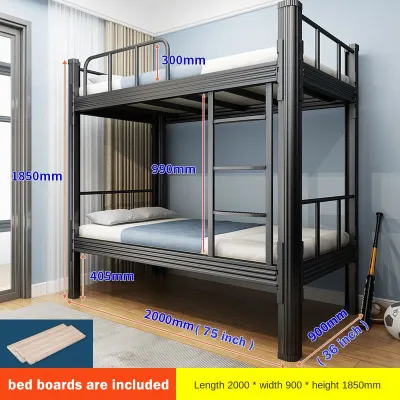
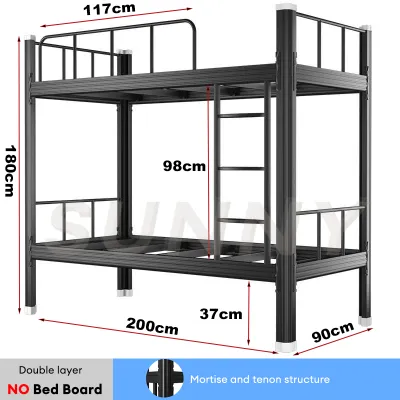
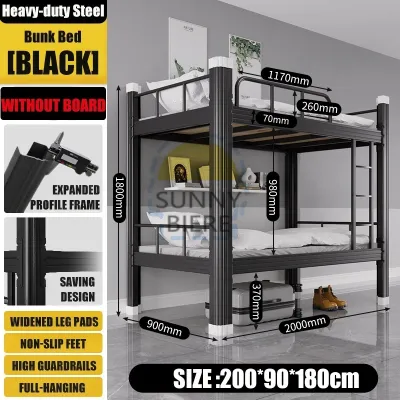
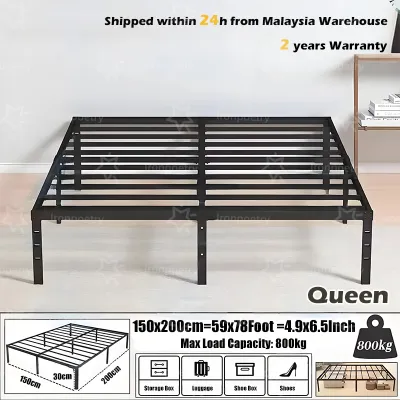
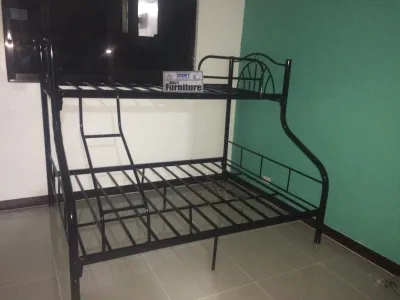

Prices are valid at publication and may change. Please refer to the product page for the latest price.
Structural Integrity and Entrapment Risks
The physical build of a deck bed frame must withstand both nightly sleep and daytime play. Entrapment is a serious hazard that occurs when gaps in the bed structure are large enough to let a child’s body slip through but small enough to trap their head or limbs. When inspecting a frame, pay close attention to the spacing between the support slats or any gaps in a solid deck base. These openings should be narrow enough to prevent any risk of entrapment, adhering to standard child safety guidelines which typically recommend gaps no wider than a few inches.

In tropical climates like the Philippines, high humidity levels can cause wood to expand, contract, warp, or split over time. This environmental factor makes edge finishing and material quality exceptionally important. Inspect all accessible edges, corners, and posts of the bed frame. They must be completely smooth, rounded, and free of splinters or rough patches that could snag skin or clothing.
Hardware security is another critical element of structural integrity. Examine the joints, bolts, and screws. High-quality frames utilize recessed or flush-mounted hardware that does not protrude, preventing scratches or snagged blankets. Ensure that all structural joints are tightly secured and that the hardware is designed to be inaccessible or difficult for small, curious hands to loosen. Regularly checking these connections is essential, as daily use can gradually loosen even well-installed fasteners.
Fall Prevention and Guardrail Requirements
Falls are among the most common accidents associated with children’s beds, making guardrails a non-negotiable safety feature for elevated deck beds and a highly recommended addition for younger children on low-profile frames. The effectiveness of a guardrail depends heavily on its height relative to the mattress. A guardrail must extend significantly above the top surface of the mattress to prevent a sleeping child from rolling over the edge. When evaluating a frame, measure the distance from the top of the mattress to the top of the guardrail to ensure there is a safe, protective barrier remaining.
Equally important are the gaps within the guardrail assembly itself. Check the spacing between individual guardrail slats, as well as the gaps between the guardrail, the bed frame, and the headboard or footboard. If these gaps are too wide, a child could slide through torso-first and become trapped.
Final safety checks should evaluate the attachment mechanism of the guardrails. Built-in, integrated guardrails generally offer the highest level of stability, but high-quality removable guardrails can also be safe if they feature robust, locking attachment systems. Avoid guardrails that rely solely on friction or weak clamps, as these can easily detach if a child leans or pushes against them during sleep or play.
Weight Capacity and Material Verification
A bed frame must support not only the static weight of a sleeping child but also the dynamic forces of jumping, rolling, and playing. Before purchasing, locate the manufacturer’s stated maximum weight capacity, which is typically found in the product specifications, manual, or on a structural label. Do not guess or assume a bed’s capacity based on its size or visual bulk.
When calculating the load on the bed, remember to combine the weight of the mattress, the child, and any bedding or heavy toys. If you plan to sit on the edge of the bed to read stories or comfort your child at night, your weight must also be factored into this total.
Be cautious about relying solely on material names like solid wood or heavy-duty steel as a guarantee of durability. Instead, verify the structural descriptions and check for quality indicators such as reinforced corner blocks, center support legs, and sturdy metal-on-metal connection points. In humid environments, look for frames treated with non-toxic, moisture-resistant finishes that protect the underlying material from weakening due to dampness or mold, ensuring the frame remains structurally sound for years to come.
Assembly, Placement, and Room Safety
Safe use of a deck bed frame extends beyond the product itself to how it is assembled and positioned within the bedroom. Proper assembly is paramount; always follow the manufacturer’s step-by-step instructions meticulously. Use only the hardware provided in the package, and never substitute missing parts with random screws or brackets from a home toolbox. If any components are missing or damaged upon delivery, contact the manufacturer or retailer for official replacements before allowing your child to use the bed.
Room layout and bed placement are equally critical to mitigating environmental hazards. Position the bed frame well away from windows to prevent falls and keep it out of reach of window blind cords, which pose a severe strangulation hazard. In Filipino homes, ceiling fans are common fixtures used to combat the heat; ensure the bed—especially if it is slightly elevated—is placed at a safe distance from the fan’s rotating blades. Avoid hanging heavy wall decor, shelves, or framed pictures directly above the bed.
If the deck bed frame features integrated storage, such as tall drawers, bookshelves, or a hutch, it is vital to anchor these components securely to the wall. Children may attempt to climb open drawers or shelves, creating a severe tip-over hazard. Utilizing anti-tip wall anchors and straps is a simple yet highly effective way to secure the furniture and prevent serious accidents.
Frequently Asked Questions (FAQ)
How thick should the mattress be for a deck bed frame with guardrails?
The thickness of the mattress directly impacts the safety performance of the guardrails. If a mattress is too thick, it reduces the effective height of the guardrail, making it easier for a child to roll over the top. Always check the manufacturer’s specifications for the maximum recommended mattress thickness. To verify this yourself, measure the distance from the mattress support base (the slats or solid deck) to the top of the guardrail. Subtract the thickness of your mattress from this measurement; the remaining guardrail height must meet safety standards to provide an adequate physical barrier.
What should I do if the bed frame starts squeaking or wobbling?
A squeaking or wobbling bed frame is a clear warning sign of compromised structural integrity. If you notice any movement or noise, inspect the frame immediately. Begin by tightening all hardware, including bolts, screws, and brackets, as regular use can cause them to loosen over time. Check for stripped screws or worn-out joints that may need replacement. Next, inspect the wooden slats, deck panels, and support legs for any signs of cracking, warping, or splitting, which can be exacerbated by high humidity. If you find structural damage or if tightening the hardware does not completely eliminate the wobble, stop using the bed immediately and consult the manufacturer for guidance or replacement parts.

Community discussion
Share your experience or ask a question. Comments are reviewed before publication.