
Setting up a dedicated study corner for your child is an exciting step in their academic journey, especially as they transition into more demanding school years. While a spinning chair adds an element of fun and dynamic movement to their study space, safety must remain the primary consideration. Active children often use these chairs not just for sitting, but for spinning, tilting, and moving around the room. To ensure their study environment remains productive and accident-free, you must carefully evaluate specific safety features before making a purchase.
In tropical climates like the Philippines, where high humidity and warm temperatures are constant factors, choosing the right materials and structural designs becomes even more critical. A chair that feels stable in a cool showroom might behave differently on smooth tiled floors or under the strain of daily, active use. By focusing on base stability, wheel control, weight limits, and material safety, you can create a secure, comfortable, and highly functional study corner that supports your child’s learning and physical development.
Base Stability and Tipping Prevention
The foundation of any safe spinning chair lies in its base design, which bears the brunt of a child’s sudden movements and shifts in posture. When evaluating a spinning chair for kids, the first physical attribute to inspect is the star base, typically featuring five prongs. A five-star base provides a significantly wider footprint and a lower center of gravity compared to four-legged or narrower designs, drastically reducing the risk of the chair tipping over when a child leans forward or sideways.
Products mentioned in this guide
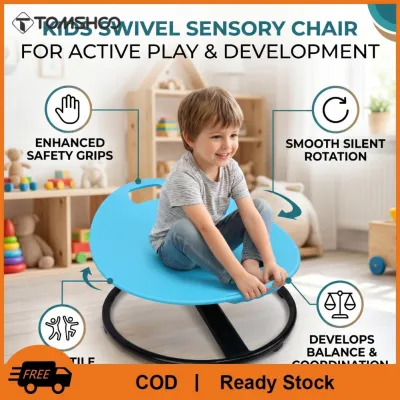
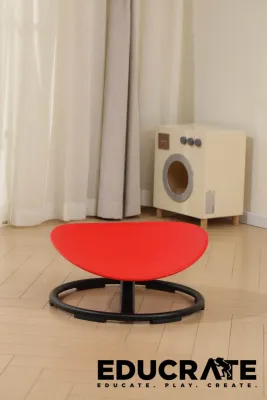
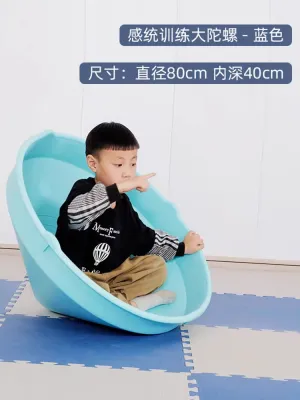
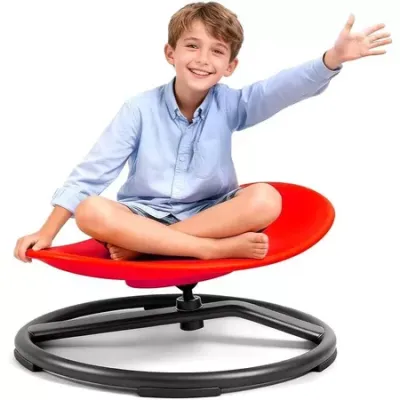
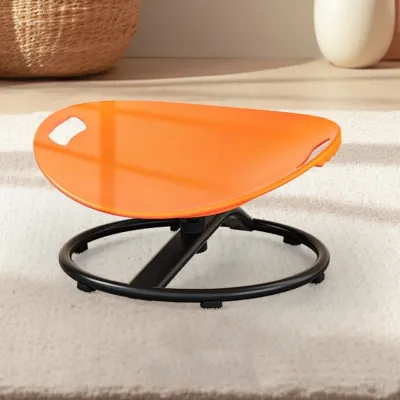
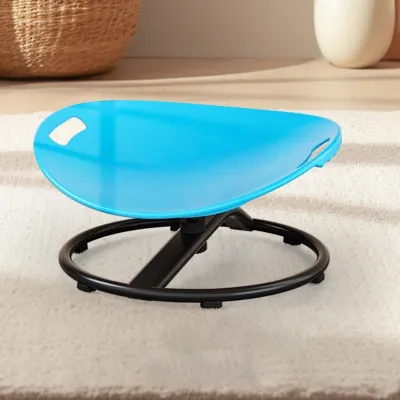
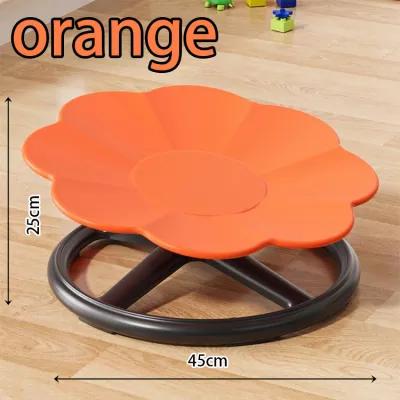
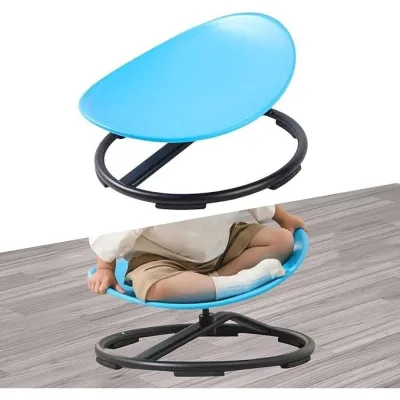
Prices are valid at publication and may change. Please refer to the product page for the latest price.
Compare the overall diameter of this base to the width of the seat. The base should extend well beyond the seat’s perimeter to ensure stable ground contact at all angles. If the base is too narrow, the chair can easily tip when a child sits on the very edge of the cushion.
In addition to the base width, pay close attention to the weight distribution of the chair’s lower components. Some high-quality models feature weighted bases or low-profile leg spans designed to keep the center of gravity as close to the floor as possible. This design prevents the chair from lifting off the ground when your child climbs onto the seat or spins rapidly.
When browsing online marketplaces or visiting local furniture stores, check the product specifications for explicit mentions of stability testing or anti-tip engineering. You can also perform a simple physical check if you are inspecting the chair in person. Push down firmly on the edge of the seat to see if the opposite side of the base lifts or wobbles. If the chair tilts easily under light, off-center pressure, it may not possess the structural balance required for an active child.
Wheel Locking and Movement Control
Mobility is a key feature of a spinning chair, but uncontrolled rolling can easily lead to slips, falls, or distractions during study time. To manage this, you should look for advanced wheel-locking mechanisms rather than standard free-rolling casters. Gravity-activated locking wheels, also known as sit-on-brake casters, are highly effective for children’s study chairs. These specialized wheels lock automatically when weight is applied to the seat, preventing the chair from rolling away when your child is writing or reading, and unlock only when they stand up.

Alternatively, manual brake casters allow you to lock each wheel individually using a small lever. This manual option is excellent if you want to convert the chair into a stationary seat during focused study sessions or online classes. When choosing between these options, consider your child’s age and habits; gravity-activated locks require no manual effort and engage automatically, making them highly reliable for younger, more active kids who might forget to flip manual levers.
The flooring of your child’s study corner also dictates the type of wheels you should select. Many homes in the Philippines feature smooth ceramic tiles, polished concrete, or hardwood floors, which can be highly slippery. Hard nylon wheels on these surfaces can cause the chair to slide unexpectedly and may scratch the floor over time.
Look for casters coated in soft polyurethane (PU) or rubber, which provide better traction, reduce noise, and protect your flooring from unsightly scuffs. Regularly inspect the wheels to ensure they are free of hair, dust, and debris, which can jam the locking mechanisms and compromise safety.
Weight Capacity and Structural Integrity
A children’s chair must be robust enough to handle not only their current weight but also their rapid growth and the occasional extra load of heavy school bags or books. Always locate the manufacturer’s official weight capacity label, which is usually printed on a sticker underneath the seat or detailed in the product manual. Never rely on visual estimates of a chair’s strength; verify that the rated capacity comfortably exceeds your child’s current weight to allow a safe margin for growth over several school years.
The gas lift cylinder, which controls the seat’s height adjustment, is a critical component that requires close inspection. Because this cylinder contains pressurized gas, it must be constructed from high-grade steel and protected by a durable outer sleeve or shroud. When checking product descriptions, look for verified safety certifications such as SGS or TUV, which indicate that the gas lift has undergone rigorous pressure and durability testing. Avoid unbranded chairs that lack clear safety labeling on the pneumatic cylinder.
Furthermore, examine the connection points where the seat plate attaches to the gas lift and where the lift inserts into the star base. These joints should be reinforced with heavy-duty steel plates and secured with thick, industrial-grade bolts. A flimsy connection at these critical stress points can lead to wobbling, structural fatigue, or sudden failure. Ensuring that the structural skeleton of the chair is solid gives you peace of mind that the furniture can withstand years of daily adjustments and active sitting.
Material Safety and Ergonomic Adjustability
The materials used in your child’s chair have a direct impact on their health, comfort, and physical development. Since children spend hours in direct contact with their study chairs, it is vital to verify that the fabrics, plastics, and foams used are non-toxic and low-emission. Look for environmental certifications on the product tags, which confirm that the materials do not release harmful volatile organic compounds (VOCs) into your home’s indoor air.
Physical safety also extends to the chair’s exterior design. Inspect the frame for rounded edges and smooth contours, ensuring there are no sharp corners that could cause bruises during active play. Moving parts, such as the height adjustment levers and the swivel mechanism, should be fully enclosed or shielded to prevent small fingers from getting pinched. A well-designed kids’ chair minimizes exposed gaps where clothing or fingers could accidentally become trapped.
Ergonomic adjustability is equally crucial for preventing physical strain and promoting healthy posture. The chair must allow your child to sit with their feet flat on the floor, their knees at a 90-degree angle, and their lower back fully supported by the backrest.
In the humid tropical climate of the Philippines, material choice plays a significant role in comfort. A breathable mesh backrest allows for excellent airflow, keeping your child cool and preventing the sticky discomfort associated with solid synthetic leather. Ensure the adjustment levers are easy for a child to operate safely under adult guidance, allowing the chair to adapt seamlessly as they grow.
Setup, Maintenance, and When to Stop Using
Ensuring the long-term safety of a kids’ spinning chair requires proper initial assembly and a commitment to regular maintenance. When the chair arrives, follow the manufacturer’s step-by-step assembly instructions precisely, using only the provided hardware and tools. Avoid the temptation to improvise, omit washers, or use alternative screws, as these minor changes can compromise the structural integrity of the entire chair. If the instructions recommend applying a thread-locking compound to the bolts, do so to prevent them from loosening over time due to the constant vibrations of spinning.
Establish a routine maintenance schedule to inspect the chair every few months. Check all connection bolts underneath the seat and tighten any that have vibrated loose. Listen for unusual squeaks, grinding noises, or resistance in the swivel mechanism, which may indicate a need for lubrication or a failing bearing. Wipe down the frame and wheels regularly to remove dust and humidity-induced grime, which can degrade plastic parts and metal joints in tropical environments.
Finally, you must be able to recognize when a chair has reached the end of its safe lifespan. Immediately stop using the chair if you observe visible cracks in the plastic base, a sinking gas lift that fails to hold its height, or wheel locks that no longer engage. Continuing to use a compromised chair increases the risk of sudden collapse or falls. When the chair can no longer be adjusted to support your child’s growing body ergonomically, or if structural parts show signs of wear, it is time to invest in a replacement that meets their updated physical needs.
Frequently Asked Questions (FAQ)
Are spinning chairs safe for young children?
Spinning chairs are generally safe for children who have reached the developmental milestone of sitting upright independently and can understand basic safety rules. Typically, children aged five and older can safely use these chairs, provided they are taught that the chair is a tool for learning rather than a playground toy. Adult supervision is highly recommended during the initial weeks of use to ensure they do not spin excessively or stand on the seat. Additionally, matching the chair to a desk of the correct height is essential to prevent the child from leaning dangerously forward or stretching to reach their schoolwork.
How do I stop the chair from rolling on hard floors?
If your child’s study chair rolls too easily on smooth surfaces like tile or polished wood, first check if the existing wheels feature manual locking tabs that can be engaged. If the wheels lack built-in locks, you can consult the manufacturer to see if they offer compatible stationary glides, also known as bell glides, which replace the wheels entirely to keep the chair in a fixed position. Alternatively, placing a low-pile, non-slip rug or a textured chair mat under the study desk can provide enough friction to slow down unintended rolling while protecting your floors from wear.

Community discussion
Share your experience or ask a question. Comments are reviewed before publication.