
Selecting the right furniture for your home requires a balance of functional planning, aesthetic alignment, and practical verification. Sanyang offers a diverse range of furniture collections designed to cater to various household needs, from compact urban apartments to spacious family residences. To find the perfect pieces, you must map the brand’s core product categories to your daily routines, match their design styles with your existing home decor, and perform rigorous spatial and material checks. By taking a systematic approach to measuring your space and evaluating how materials perform in local tropical conditions, you can make informed purchasing decisions that enhance both the utility and beauty of your living environment.
Understanding Sanyang's Core Furniture Categories
To build a functional home, start by mapping Sanyang’s extensive product catalog to the specific needs of each room. The brand organizes its offerings into primary household categories: living room, bedroom, dining room, and home office. Each category serves a distinct purpose, and prioritizing your purchases based on your household’s daily activities ensures that you invest in pieces that offer the highest immediate utility.
For the living room, focus on central gathering pieces such as sofas, coffee tables, and media consoles. These items establish the room’s layout and dictate traffic flow, making it essential to choose designs that accommodate your family’s relaxation habits. If your household frequently hosts guests, look for modular seating arrangements or nesting coffee tables that can be easily repositioned to create more open space.
Products mentioned in this guide
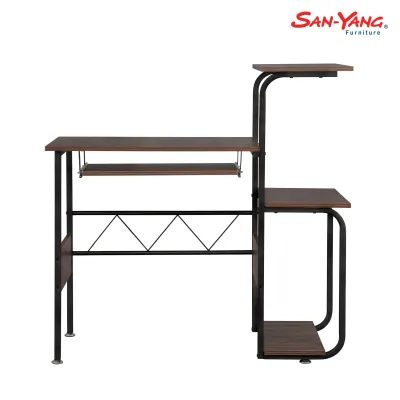
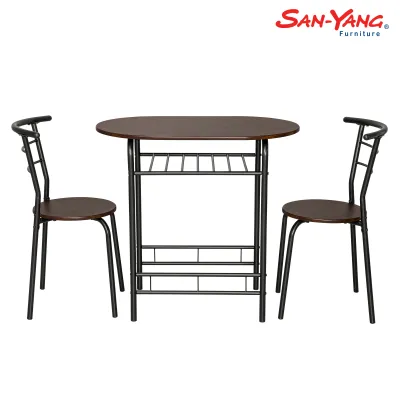
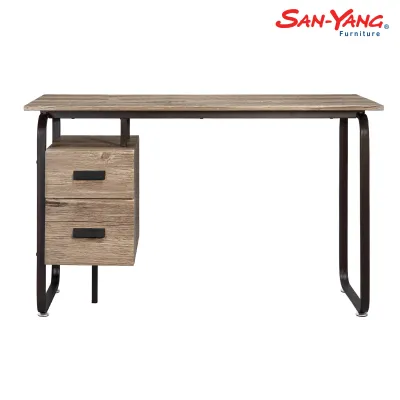
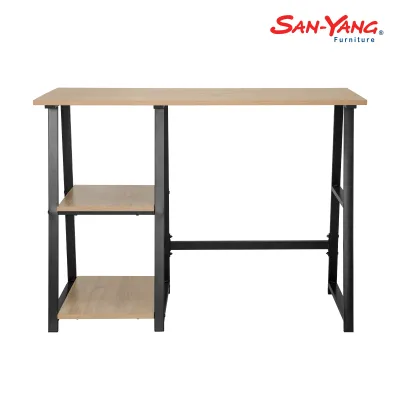
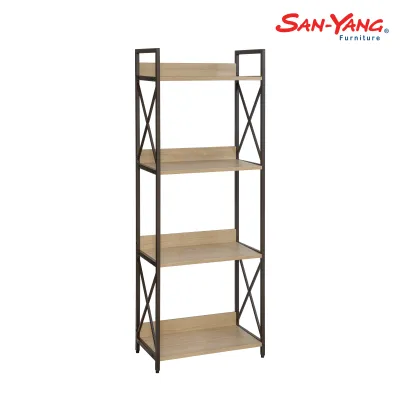
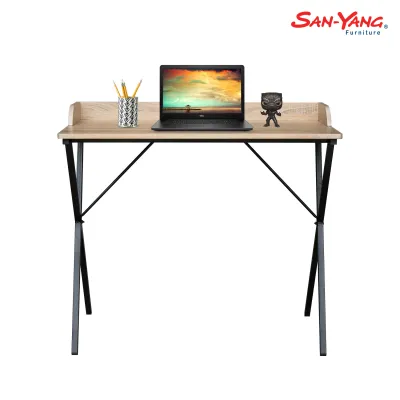
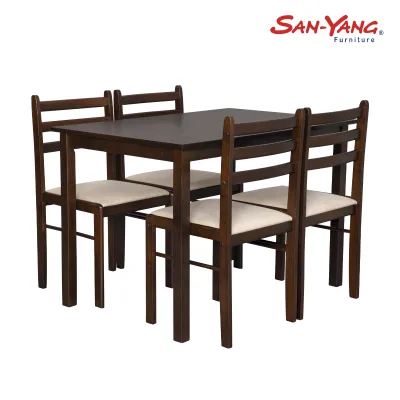
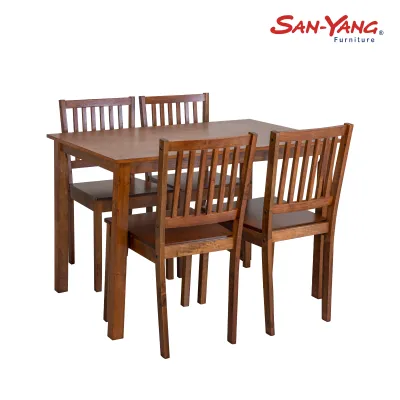
Prices are valid at publication and may change. Please refer to the product page for the latest price.
In the bedroom, the bed frame and wardrobe are the primary functional anchors. Sanyang’s bedroom collections often feature integrated storage solutions, such as under-bed drawers or customizable wardrobe compartments. Evaluating your storage needs beforehand—such as the volume of hanging clothes versus folded items—helps you select a wardrobe configuration that minimizes bedroom clutter.
The dining room and home office categories require a close look at ergonomics and adaptability. Dining tables and chairs must support comfortable seating for daily meals while accommodating occasional guests. For home offices, prioritize desks with built-in cable management and ergonomic chairs that support long hours of work. If you live in a compact space, seek out multi-functional or expandable options, such as drop-leaf dining tables or desks that fold away when not in use, to maximize your floor plan’s flexibility.
When setting up a home office, ergonomics should be your primary focus. Sanyang’s office furniture collections often include desks with integrated storage and chairs designed to support your posture during long working hours. Evaluating how you use your workspace—whether you need multiple monitors, room for physical paperwork, or simply a compact laptop desk—will guide you to the right setup. For homes with limited square footage, look for multi-functional pieces like a console table that can double as a writing desk, ensuring your workspace does not permanently crowd your living area.
Matching Sanyang Design Styles to Your Home Aesthetic
Achieving visual cohesion throughout your home requires aligning Sanyang’s design aesthetics with your existing or planned interior decor. The brand’s collections span several popular design themes, including modern, minimalist, classic, and industrial. Understanding the key visual markers of each style allows you to select pieces that complement, rather than clash with, your home’s architectural features.

Modern and minimalist collections typically feature clean lines, handleless drawers, and a neutral color palette dominated by whites, grays, and light wood tones. These designs are ideal for creating an airy, uncluttered feel, particularly in smaller rooms where bulky furniture might feel overwhelming. Classic styles, on the other hand, often incorporate richer wood finishes, paneled doors, and traditional hardware, lending a sense of warmth and permanence to more formal spaces.
If you prefer a more contemporary, edgy look, industrial-themed pieces combine dark metal frames with distressed wood-look surfaces. When integrating these distinct styles, pay close attention to material finishes and hardware details. For instance, matching the matte black metal legs of an industrial dining table with similar black metal accents on a living room console helps create a subtle visual thread that connects different zones of an open-concept home.
Mixing styles can add character to your home, but it must be done deliberately to avoid visual chaos. A reliable rule of thumb is to maintain a consistent color palette or wood tone across different pieces, even if their design eras differ. You can also use single accent pieces—such as a classic sideboard in an otherwise modern dining room—to create an interesting focal point without disrupting the overall harmony of the space.
Space Planning and Sizing Checks Before You Buy
One of the most common pitfalls in furniture shopping is purchasing a piece that does not fit the physical dimensions of the room or the access routes leading into it. Before finalizing any purchase, you must conduct a thorough spatial audit of your home. Begin by measuring the exact floor area where the furniture will stand, noting the location of electrical outlets, baseboards, light switches, and window sills that might obstruct placement.
Equally important is measuring the clearance zones along the delivery path. Measure the width and height of all doorways, hallways, stairwells, and elevator cabins through which the furniture must pass. A large wardrobe or a fully assembled sofa may fit perfectly in your spacious bedroom but could be impossible to maneuver through a tight stairwell corner or a low-clearance doorway during delivery.
Once you have your room measurements, compare them against the product specification sheets provided by the manufacturer. Create a physical or digital floor plan to visualize how the new furniture will interact with existing pieces. Ensure there is adequate traffic flow around each item; for example, leave at least 90 centimeters of clearance behind dining chairs to allow people to pull them out and sit down comfortably without hitting a wall or another piece of furniture.
Do not overlook vertical space when planning your room layout. High-set windows, wall-mounted air conditioning units, and decorative moldings can significantly restrict where you can place tall furniture like wardrobes or display cabinets. Measure the height from the floor to these fixtures to ensure your chosen furniture will not block airflow or light. Additionally, consider the swing radius of doors and cabinet drawers; leaving enough clearance ensures that opening a wardrobe door does not block an entryway or strike an adjacent piece of furniture.
Finally, verify the structural requirements of the furniture itself. For tall or top-heavy items like bookshelves, display cabinets, and high wardrobes, check the manufacturer’s guidelines regarding wall-anchoring. In homes with active daily movement, anchoring these pieces to the wall is a critical safety measure to prevent accidental tip-overs. Additionally, check the rated weight capacity of bed frames, shelving units, and seating to ensure they can safely support their intended loads over years of daily use.
Evaluating Materials, Durability, and Daily Maintenance
The longevity of your furniture depends heavily on the materials used in its construction and how well they suit your household’s lifestyle and local environmental conditions. When browsing Sanyang’s collections, carefully read the product tags, material specifications, and care labels. Understanding the differences between solid wood, engineered wood (such as MDF or particle board), metal, glass, and various upholstery fabrics will help you choose the right material for each application.
In tropical climates characterized by high humidity and seasonal temperature shifts, material selection requires extra care. High humidity can cause untreated wood to warp or swell, and it can promote the growth of mold on fabric surfaces. Look for furniture with moisture-resistant finishes, sealed edges, and rust-resistant hardware. For upholstered pieces, opt for breathable fabrics or synthetic blends that are easier to clean and less prone to moisture retention.
Daily maintenance routines should also influence your choice. Glass and high-gloss metal surfaces offer a sleek, modern look but require frequent wiping to remove fingerprints and dust. Engineered wood with high-quality laminate or melamine finishes provides excellent scratch resistance and is easy to clean with a damp cloth, making it a practical choice for high-traffic areas like dining rooms and entryways.
For upholstered furniture, such as sofas and dining chairs, the choice of fabric directly impacts both comfort and maintenance. In warm, humid climates, tightly woven synthetic fabrics or treated performance textiles are often preferred because they resist moisture absorption and are less likely to harbor dust mites or mold. If you prefer the look of leather, look for high-quality synthetic alternatives that offer easy wipe-clean maintenance without the risk of cracking under intense heat or humidity. Always check the manufacturer’s cleaning codes to ensure you use the correct water-based or solvent-based cleaners for your specific upholstery.
If your household includes young children, pets, or elderly family members, prioritize safety and durability in your material choices. Avoid sharp corners and fragile glass inserts in low-lying furniture like coffee tables. Instead, opt for rounded edges and sturdy, easy-to-clean materials that can withstand accidental spills, scratches, and heavy daily wear without losing their structural integrity or aesthetic appeal.
Navigating Purchase Channels and Verifying Order Terms
To ensure a smooth buying experience and protect your investment, always purchase Sanyang furniture through authorized channels. You can explore their collections at official brand showrooms, authorized physical furniture dealers, or legitimate online storefronts and official ecommerce brand stores. Purchasing from authorized sources guarantees that you receive genuine products and have access to official customer support and warranty services.
Before completing your purchase, carefully review the financial and service terms associated with your order. Verify the exact scope of the warranty, including what types of structural defects or material failures are covered and for how long. Be sure to clarify the delivery and assembly fees, which are typically calculated in ₱ based on your location and the complexity of the furniture assembly. Some retailers offer professional assembly services, which can be highly beneficial for complex items like multi-door wardrobes or modular wall units.
When your furniture is delivered, perform an immediate and thorough inspection before signing the delivery receipt. Check that the delivered items match the exact collection, model, and color you ordered. Inspect all surfaces for transit damage, such as scratches, dents, or torn upholstery, and verify that all necessary assembly hardware and instruction manuals are included in the packaging. If you notice any discrepancies or damage, document them immediately with clear photographs and report them to the delivery team and customer service to initiate a prompt resolution.
Frequently Asked Questions (FAQ)
Does Sanyang offer custom furniture or modifications?
Sanyang primarily focuses on manufacturing standardized, ready-to-assemble furniture collections to maintain consistent quality and affordability. Consequently, they generally do not offer bespoke customization services, such as altering dimensions, changing fabric upholstery, or applying custom paint finishes for individual orders. If you have unique spatial constraints, you can achieve a tailored fit by exploring their modular furniture lines. Combining different standard modular units, such as matching shelving sections or sectional sofa pieces, allows you to configure a layout that fits your room’s specific dimensions without the need for custom manufacturing.
What should I do if my furniture arrives with missing parts or damage?
If your furniture arrives with missing hardware or visible damage, stop the assembly process immediately to prevent further issues. Cross-reference the included assembly manual to identify the exact names or codes of the missing or damaged parts. Take clear, well-lit photographs of the damaged areas or the incomplete package contents. Contact the customer support team of the authorized retailer or showroom where you made the purchase, providing your order number, receipt, and photographic evidence. They will guide you through the process of securing replacement parts or arranging for a technician to resolve the issue.
Community discussion
Share your experience or ask a question. Comments are reviewed before publication.