
When furnishing a home in the Philippines, balancing your budget against the durability of your furniture is a constant challenge. Sanyang furniture has established a significant presence in the local market, primarily known for its accessible, budget-friendly, and modular designs. However, comparing Sanyang to the broader landscape of local Philippine furniture brands requires looking closely at how materials are sourced, how pieces are constructed, and how pricing structures align with long-term value. While some buyers prioritize low upfront costs for temporary living spaces, others seek durable pieces that can withstand tropical humidity and daily wear. Understanding these differences allows you to make an informed investment that fits both your floor plan and your financial plan.
Defining the Comparison: Sanyang and the Local Furniture Landscape
To make a fair comparison, it is helpful to categorize the local furniture market in the Philippines into three distinct segments. The first segment consists of mass-market retail showrooms, which often specialize in imported or locally assembled flat-pack furniture made from engineered wood. The second segment comprises custom local workshops, where independent carpenters build furniture to order, frequently utilizing solid local hardwoods. The third segment includes specialized distributors who source mid-range to premium furniture, focusing on specific design aesthetics.
Sanyang fits firmly into the mass-market retail category, offering standardized, modular pieces designed for quick assembly and immediate utility. When comparing these options, your primary decision criteria should center on material longevity, construction methods, and the overall price-to-value ratio. Mass-produced items excel in convenience and initial affordability, whereas custom workshops offer tailored dimensions and robust joinery at a higher price point.
Products mentioned in this guide
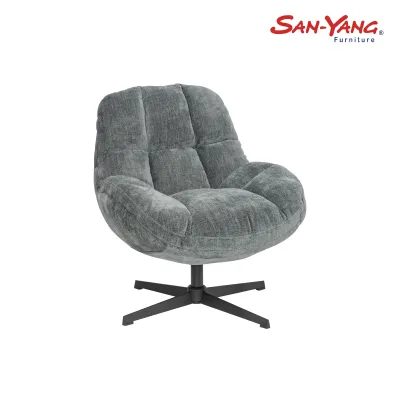
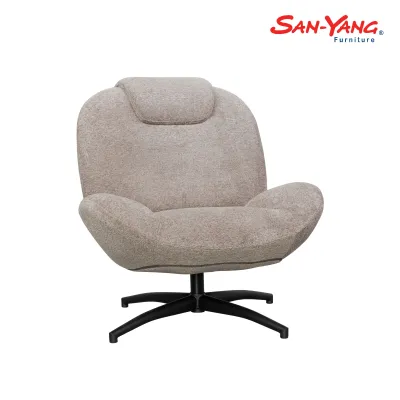
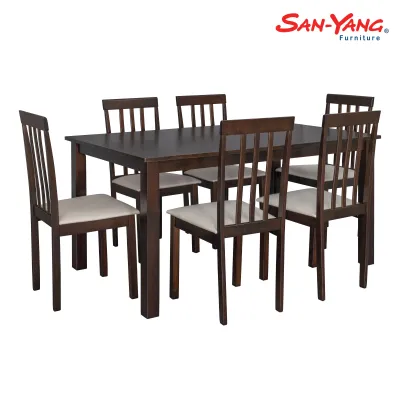
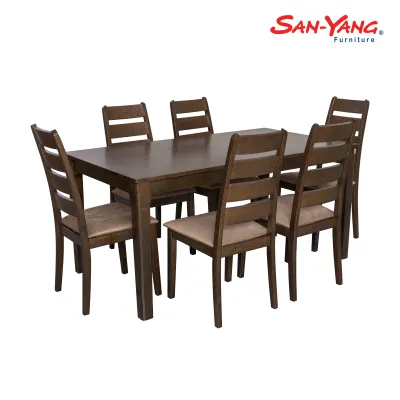
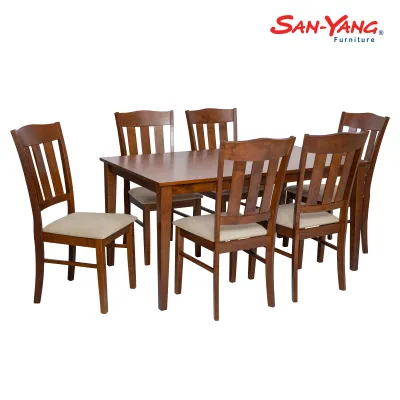
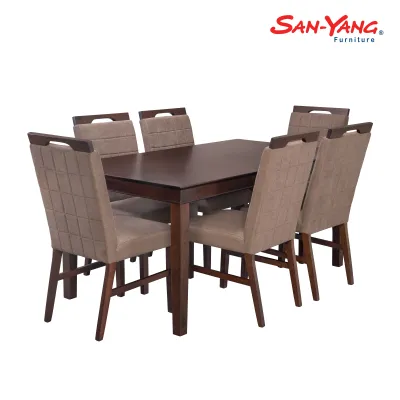
Prices are valid at publication and may change. Please refer to the product page for the latest price.
Ultimately, the right choice depends on your specific product category and living situation. For instance, a temporary rental unit or a home office that may be reconfigured in a few years might be best served by modular, budget-friendly furniture. Conversely, a heavy-use dining table or a master bed frame often warrants the higher investment of a solid-wood piece from a local workshop. Because retail inventories, material grades, and shipping rates fluctuate, buyers must verify product specifications directly with sellers rather than relying on general brand reputations.
Comparing Material Quality and Construction Methods
Evaluating the physical build of furniture requires looking past surface finishes to inspect the core materials and assembly methods. Sanyang and similar mass-market brands rely heavily on engineered wood, such as MDF or particleboard, finished with paper foils or plastic laminates. While these materials keep costs low, they do not inherently guarantee resistance to moisture, scratches, or heavy loads. When inspecting engineered wood, look closely at the edge banding; unsealed or peeling edges allow tropical humidity to penetrate the core, causing the material to swell and weaken over time.

In contrast, many local Philippine workshops work with solid timbers like mahogany, gmelina, or acacia. While solid wood is naturally more resilient and can be sanded and refinished, its durability still depends on proper kiln-drying and sealing. Unseasoned local wood can warp or crack as it adjusts to indoor humidity levels. Always ask the manufacturer or retailer about their wood-drying processes and what protective topcoats have been applied.
Upholstery and padding also require careful scrutiny. To evaluate fabric durability, rub the material firmly to check for pilling and look for tight, even weaves. Foam density is a critical indicator of comfort and longevity; low-density foam feels soft initially but sags permanently within a few months of use. Press down hard on the cushions to observe how quickly they recover their shape, and ask store staff if they can provide the foam density rating.
Finally, inspect the hardware and joinery, which dictate structural stability. Mass-market modular furniture typically utilizes cam-lock fasteners, dowels, and metal brackets designed for user assembly. While these systems are highly efficient, they may require periodic tightening to prevent wobbling. Custom local furniture often employs traditional woodworking joints, such as mortise-and-tenon or pocket screws, which offer superior rigidity under heavy loads. Check that drawer slides operate smoothly and that cabinet hinges are securely anchored.
Analyzing Pricing Structures and Overall Value
Understanding how local furniture is priced helps you determine if a specific piece offers genuine value. Sanyang is generally positioned in the budget-to-mid-range bracket, with entry-level items like study desks, plastic-molded chairs, and basic wardrobes starting at highly accessible price points. For example, you can often find modular wardrobes or bed frames ranging from ₱3,000 to ₱8,000. Mid-range local retail showrooms typically price similar items between ₱10,000 and ₱25,000, while custom solid-wood pieces from local workshops can easily exceed ₱30,000 depending on the wood species and design complexity.
When comparing these prices, always account for hidden costs. Many budget brands sell furniture flat-packed, meaning you must either spend hours assembling it yourself or pay an additional assembly fee. Delivery fees are another variable; some retailers charge flat rates, while others scale their fees based on your distance from the warehouse or whether the delivery team must carry heavy boxes up multiple flights of stairs in buildings without service elevators.
Promotions and bundle deals are common tactics used by local furniture retailers to attract buyers. While a bedroom or dining room package priced at a discount can seem highly appealing, evaluate the utility of every item included. If a bundle includes a flimsy nightstand or a chair that does not fit your space, the perceived savings may disappear. Measure your available floor space and doorway clearances before committing to any multi-piece package.
To assess overall value, match the purchase price to the expected lifespan of the item. Spending ₱5,000 on an engineered-wood wardrobe makes practical sense if you plan to use it in a temporary rental or a child’s room for three to five years. However, if you are furnishing a permanent family home, investing ₱25,000 in a solid-wood wardrobe that can last decades and survive multiple relocations represents a more cost-effective decision in the long run.
Verification Checklist for In-Store and Online Purchases
Whether shopping in a physical showroom or browsing an online marketplace, using a systematic verification checklist prevents costly purchasing mistakes. When visiting a physical store, perform these practical checks:
- Apply gentle downward and lateral pressure to the corners of tables, desks, and bed frames to check for wobble or structural deflection.
- Open and close drawers fully to ensure the slides operate smoothly, and check if the drawer bottom sags under light hand pressure.
- Inspect the consistency of the finish under bright showroom lighting, looking for bubbles, uneven staining, or exposed edges.
- Measure the finished dimensions of the piece and compare them against your home's doorway, hallway, and elevator clearances to ensure hassle-free delivery.
When purchasing furniture online, physical inspection is impossible, making digital verification crucial:
- Read product descriptions critically, looking for specific material terms rather than vague marketing language; look for phrases like \"solid wood legs with MDF top\" to understand exactly what you are buying.
- Check the retailer's return and replacement policies specifically regarding transit damage, as flat-pack panels and glass elements are vulnerable during shipping.
- Scan customer reviews on ecommerce platforms, filtering for lower ratings to spot recurring complaints about missing hardware, misaligned pre-drilled holes, or poor packaging.
Ensure that your official receipt and warranty card clearly state the exact materials used, the model name, and the duration of the warranty coverage before finalizing the transaction.
Decision Framework: Choosing the Right Brand for Your Needs
To simplify your decision, use this conditional framework to determine whether Sanyang or another local furniture option best suits your household requirements.
Choose Sanyang if you require highly affordable, modern, and lightweight furniture that is easy to transport and reconfigure. This option is ideal for renters, students, or those furnishing starter homes on a strict budget. It is also suitable if you prefer standardized designs that can be easily matched with other modular pieces from the same product line.
Choose other local brands or custom workshops if you need specific, non-standard dimensions to fit a unique architectural nook, or if you want a guaranteed solid hardwood piece that can be sanded, repaired, and refinished over time. This path is also preferable if you require specialized ergonomic office furniture or heavy-duty dining sets designed for large family gatherings.
Verify first if you are purchasing heavy modular wardrobes or large sectional sofas. You must check your floor’s load capacity and ensure that your doorways, stairwells, and condominium lifts can accommodate the packaged dimensions. Additionally, if you live in a coastal or high-humidity area, verify that any engineered wood pieces feature high-quality, moisture-resistant edge banding to prevent premature swelling.
Neither option may fit your needs if you require commercial-grade durability for high-traffic public spaces, or if you demand certified sustainable wood sourcing with formal environmental documentation.
Frequently Asked Questions (FAQ)
Does Sanyang furniture offer warranties on their wooden items?
To confirm warranty coverage for Sanyang or any other local brand, you must inspect the specific warranty card provided at the point of sale. Most mass-market furniture brands offer a limited warranty—typically ranging from six months to one year—that covers manufacturing defects in materials or workmanship. However, these warranties almost always exclude damage caused by normal wear and tear, exposure to high humidity or direct sunlight, water spills, and improper DIY assembly or relocation. Keeping your original official receipt is mandatory to file a claim.
How can I tell if a local brand's sofa uses high-density foam?
You can evaluate foam quality through a few simple physical checks. First, press your hand firmly into the center of the seat cushion and release it; high-density foam will spring back to its original shape almost instantly, whereas low-density foam sluggishly recovers or leaves a temporary indentation. Second, lift one end of the sofa to gauge its overall weight; high-density foam and a sturdy solid-wood frame add significant weight to the piece. Finally, ask the retailer directly for the foam density specification, which is ideally rated at 30 kg/m³ or higher for long-lasting seat cushions.
Are delivery and assembly fees usually included in local furniture prices?
In the Philippine furniture market, delivery and assembly fees are rarely included in the initial retail price of the item. Most brands, including Sanyang and other local retailers, treat these as separate, add-on services. Delivery fees typically depend on your distance from the warehouse or showroom, and some companies apply extra surcharges if the delivery team must carry items up stairs in buildings without working service elevators. Assembly fees may be charged as a flat rate per item or as a small percentage of the total purchase price, so always request a complete breakdown of these costs before paying.

Community discussion
Share your experience or ask a question. Comments are reviewed before publication.