
Maximizing a compact breakfast nook requires a careful balance between daily comfort and smart spatial planning. When floor space is at a premium, standard shelving and bulky cabinets can quickly make a small dining area feel cramped and cluttered. Integrating secret cabinet storage allows you to keep essential dining items, seasonal linens, and small appliances close at hand while maintaining a clean, streamlined aesthetic.
By concealing storage within existing architectural features or multi-functional furniture, you preserve the open feel of your dining space. The key to success lies in selecting solutions that blend seamlessly into your walls or seating, ensuring that your storage remains entirely invisible until it is needed. This guide provides the practical steps, measurement strategies, and material considerations required to plan and execute a flawless concealed storage setup.
Assessing Your Breakfast Nook Space and Constraints
Before purchasing any storage furniture or planning a built-in installation, you must establish the exact physical boundaries of your breakfast nook. Begin by measuring the available floor area, total wall height, and corner depths using a reliable steel tape measure. Write down these dimensions and use them to create a basic floor plan, which will serve as your guide when evaluating potential furniture pieces.
Products mentioned in this guide

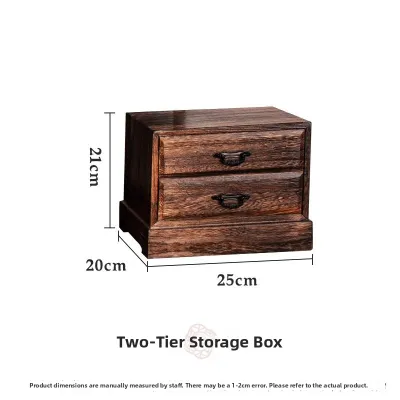

Prices are valid at publication and may change. Please refer to the product page for the latest price.
Next, map out the clearance zones required for daily movement and architectural features. Identify the swing arcs of nearby doors and windows, and locate all wall outlets, light switches, and baseboards. A hidden cabinet is of little use if it blocks access to a power outlet needed for your toaster, or if a window frame prevents a cabinet door from opening fully.
Walkway clearance is another critical factor that is often overlooked in tight dining spaces. As a general rule, maintain a minimum clearance of 60 to 90 centimeters between the edge of your dining table and the nearest wall or piece of furniture. This space allows family members to pull out chairs and sit down comfortably without bumping into walls or obstructing the main path through the room.
Finally, evaluate the dimensions and movement range of your existing breakfast nook furniture. If you plan to keep your current table and chairs, measure their heights and widths to ensure they will coordinate with your new storage solutions. For instance, if you choose a bench with pull-out drawers, you must verify that the dining table legs will not block the drawers from sliding open.
Types of Concealed Storage for Compact Dining Areas
Concealed storage for small dining spaces generally falls into three main categories, each suited to different spatial layouts and structural conditions. Depending on whether you have available floor space, empty wall area, or require highly adaptable furniture, you can choose a solution that fits your specific home layout.

By understanding the unique advantages and physical requirements of each storage type, you can make an informed decision that enhances both the storage capacity and the visual appeal of your breakfast nook.
Built-In Bench and Banquette Storage
Utilizing the space beneath your seating is one of the most efficient ways to add hidden storage to a breakfast nook. Banquette seating can be designed with either a lift-up top lid or integrated lower drawers. Top-lift designs are highly secure and simple to construct, but they require you to remove seat cushions every time you need to access the contents inside. Drawer-style designs offer much easier access, allowing you to slide storage compartments out from the side or front of the bench without disturbing the seating area.
When planning banquette storage, you must balance comfortable seating ergonomics with internal storage capacity. A standard dining seat height ranges from 43 to 48 centimeters, with a recommended seat depth of 45 to 50 centimeters. Ensure that the backrest angle and cushion thickness are factored into these measurements so the bench remains comfortable for long meals.
Before purchasing or building a storage bench, check the manufacturer’s specifications for load-bearing limits and hardware quality. Look for heavy-duty drawer slides or high-quality gas struts on lift-top models to ensure the doors open smoothly and stay open safely during use. If you are building a custom bench, select sturdy internal framing materials that can easily support the weight of multiple seated adults.
Wall-Mounted and Flush Cabinet Solutions
If floor space is extremely limited, wall-mounted cabinets that sit flush against the wall offer an excellent alternative. To achieve a truly “secret” appearance, opt for handle-less cabinet doors equipped with push-to-open magnetic latches. These mechanisms allow the cabinet doors to remain completely flat, mimicking the look of standard wall paneling or wainscoting when closed.
Keep the depth of wall-mounted cabinets relatively shallow, ideally between 15 and 30 centimeters, to prevent them from protruding too far into the dining space. This shallow profile is perfect for storing mugs, spice jars, tea selections, or small plates. To prevent painful bumps in tight quarters, look for cabinets with rounded or chamfered edge designs rather than sharp, square corners.
Because wall-mounted cabinets carry significant weight when fully loaded with ceramic dishes or glassware, you must verify the load-bearing capacity of your walls. Heavy cabinets should always be anchored directly into wall studs or mounted onto solid concrete walls using appropriate masonry fasteners. If you are unsure about your wall structure or the installation process, hire a qualified professional to mount the cabinets securely.
Multi-Functional and Fold-Away Furniture
For exceptionally small breakfast nooks, multi-functional furniture that folds away when not in use provides the ultimate space-saving solution. Wall-mounted drop-leaf tables can be designed with hidden shallow shelving units built directly behind the table panel. When the table is folded up against the wall, the storage compartment is completely concealed from view, leaving the floor area entirely clear.
When evaluating fold-away furniture, pay close attention to the quality and smoothness of the folding mechanisms. Test the hinges, brackets, and safety locking devices to ensure they operate without sticking or wobbling. A reliable safety lock is essential to prevent the table from accidentally dropping down and causing injury or damage.
Match the structural stability of the furniture with your expected frequency of use. If you plan to fold the table up and down multiple times a day, prioritize heavy-duty steel brackets and solid wood or high-pressure laminate panels. Lightweight or low-grade hardware will wear out quickly under the stress of daily transformations, leading to sagging surfaces and compromised safety.
Key Selection Criteria for Hidden Cabinet Storage
Selecting the right hidden cabinet storage involves looking beyond basic aesthetics to evaluate the materials, hardware, and structural designs that ensure long-term durability. In tropical climates with high humidity levels, such as the Philippines, material selection is particularly critical to prevent warping, swelling, and mold growth.
Do not rely solely on broad material names like “wood” or “MDF” to guarantee quality. Instead, check product specification labels for moisture-resistant ratings, protective sealants, or high-pressure laminate (HPL) finishes. If you are installing storage near a window where it may be exposed to direct sunlight or occasional rain spray, verify that the finish is UV-resistant and rated for damp environments.
Hardware quality is the foundation of any functional hidden cabinet. Because secret cabinets rely on specialized mechanisms like push-to-open latches, concealed hinges, or gas struts, low-quality hardware will quickly lead to alignment issues and operational failure. Check the manufacturer’s warranty conditions and look for hardware rated for high-cycle use, which indicates the mechanisms have been tested to withstand thousands of open-and-close cycles.
To achieve a seamless visual integration, choose cabinet finishes and door styles that match your existing wall treatment or dining furniture. If your breakfast nook features vertical wood paneling, design your cabinet doors with matching vertical grooves to hide the seams. If your walls are painted, select paintable cabinet doors that can be finished in the exact same color and sheen as the surrounding wall surface.
Proper ventilation is essential for any enclosed storage space, especially when storing dining ware, linens, or dry food items in humid conditions. Without adequate airflow, trapped moisture can lead to musty odors, mildew, and ruined belongings. Look for cabinets with integrated ventilation slots, slatted back panels, or small wire-mesh inserts that allow air to circulate freely without exposing the contents to view.
Pre-Purchase Checklist and Installation Considerations
Before finalizing your purchase or starting an installation project, run through a comprehensive checklist to ensure a smooth and safe setup process. First, confirm the packaged dimensions of the product to guarantee it can be transported safely into your home. Measure your entry doors, narrow hallways, stairwells, and elevator doors to avoid the frustration of purchasing a beautiful storage bench that cannot fit through your front door.
Next, verify the assembly conditions and tool requirements for your chosen storage solution. Check if the product comes with all necessary mounting hardware, or if you need to purchase specialized fasteners separately. For example, mounting a heavy cabinet onto a concrete wall requires masonry drill bits and expansion anchors, whereas installing it on drywall requires locating wood studs or using heavy-duty toggle bolts.
Always consult the manufacturer’s instruction manual to verify the maximum weight limits for both the shelves and the overall unit. Overloading a hidden cabinet can cause the shelves to sag, damage the mounting brackets, or even pull the entire unit away from the wall. Distribute heavy items, such as stacks of ceramic plates or heavy serving platters, evenly across the lowest shelves to maintain a low center of gravity.
Finally, prioritize safety by knowing when to call in professional help. If you are drilling into walls and are unsure of the location of internal electrical wiring or plumbing pipes, stop immediately and consult a qualified electrician or contractor. Modifying wall structures or working near utility lines carries serious risks, and professional assistance is always the safest and most reliable choice for your home.
Frequently Asked Questions (FAQ)
Can I install hidden cabinets on drywall in my breakfast nook?
Yes, you can install hidden cabinets on drywall, but you must take specific structural precautions. Drywall alone does not have the structural strength to support the weight of a fully loaded cabinet, and relying solely on standard plastic drywall anchors can lead to wall damage or cabinet collapse.
To ensure a safe installation, you must locate the wooden wall studs behind the drywall using a stud finder and secure the cabinet mounting brackets directly into them. If the cabinet placement does not align perfectly with the stud locations, you must use professional-grade heavy-duty toggle bolts or install a wood backing support plate. Always consult the product installation manual or hire a professional installer for heavy or oversized wall-mounted cabinets.
How do I prevent musty odors in concealed bench storage?
Preventing musty odors in enclosed bench storage requires a combination of proper material selection, routine maintenance, and moisture control. Because breakfast nooks are often located near kitchens where cooking steam and humidity are high, enclosed spaces can easily trap damp air.
To keep your storage fresh, make a habit of opening the bench lids or drawers regularly to allow fresh air to circulate. Place safe, non-toxic desiccants, silica gel packets, or moisture-absorbing boxes inside the compartments to capture excess humidity. Finally, never store damp linens, unwashed seat cushions, or items that are not completely dry, as even a small amount of trapped moisture can quickly lead to mold and mildew growth.
Community discussion
Share your experience or ask a question. Comments are reviewed before publication.