
Finding the right kitchen storage in the Philippines requires balancing durability with the challenges of a tropical climate. High humidity, salt-laden air in coastal regions, and daily kitchen heat can quickly degrade inferior materials. Metal kitchen cabinets offer a robust, pest-resistant, and moisture-tolerant alternative to traditional wood or particle board, provided you select the correct material and finish for your specific cooking habits.
To choose the best metal kitchen cabinet for your home, you must evaluate the base metal, the protective surface coating, and the physical layout of your cooking space. Whether you need a heavy-duty stainless steel prep station, a mobile powder-coated utility cart, or a fully integrated wall-mounted pantry, verifying the manufacturer’s specifications is key. This guide will walk you through the essential material grades, spatial measurements, hardware checks, and maintenance routines needed to make an informed investment.
Understanding Metal Cabinet Materials and Surface Finishes
The longevity of a metal kitchen cabinet depends heavily on the base metal used in its construction. Stainless steel is highly regarded for its exceptional resistance to rust and corrosion, making it a popular choice for busy wet kitchens and commercial-grade home setups. Within stainless steel options, manufacturers often specify different grades; for instance, grade 304 is widely recognized for superior corrosion resistance in food-contact environments, while grade 430 offers a more budget-friendly alternative that is magnetic but requires more diligent drying to prevent surface spots.
Products mentioned in this guide

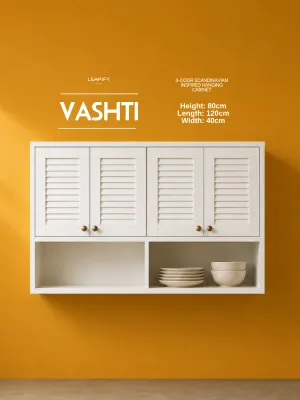
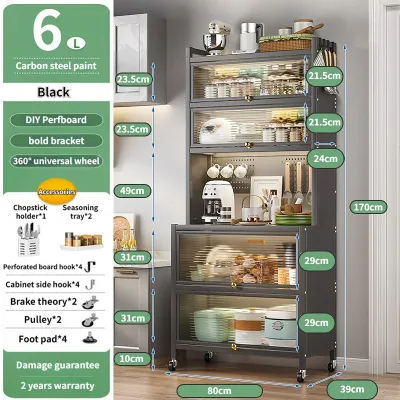
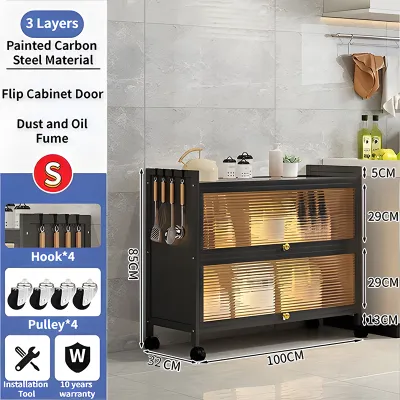
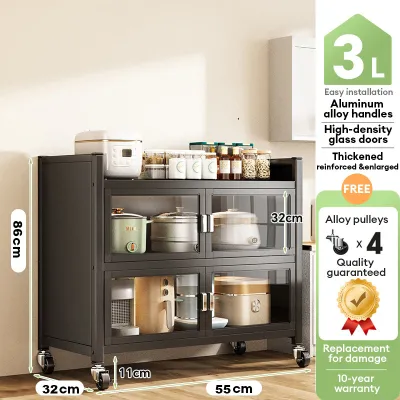
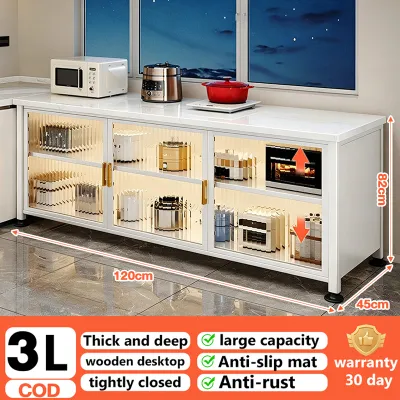
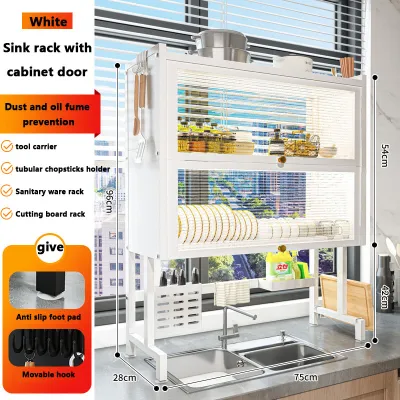
Prices are valid at publication and may change. Please refer to the product page for the latest price.
Aluminum offers a lightweight, naturally rust-resistant alternative that is easy to move and install, making it highly suitable for upper wall cabinets where minimizing structural load is a priority. While aluminum does not rust in the traditional sense, it is a softer metal than steel, meaning it may be more prone to denting or scratching under heavy daily impacts. Cold-rolled steel is highly durable and structurally rigid, providing excellent resistance to bending under heavy loads, but it relies entirely on its outer protective coating to prevent rust in humid environments.
Surface treatments act as the primary shield against moisture, grease, and daily wear. Powder coating is a dry finishing process where protective polymer resins are electrostatically applied and cured under heat, creating a thick, durable barrier that resists chipping, scratching, and fading. Galvanization coats steel with a protective layer of zinc, which helps prevent oxidation even if the surface is lightly scratched. Brushed finishes, common on stainless steel, help mask minor fingerprints and smudges but still require regular wiping along the grain to prevent water spotting and mineral buildup.
When evaluating cabinets, look closely at the manufacturer’s specifications rather than relying on generic marketing terms. Check the material thickness, often measured in gauge; a lower gauge number indicates thicker, sturdier metal that resists warping under weight. Additionally, verify if the manufacturer offers a finish warranty, which serves as an indicator of how well the protective coating is expected to perform against peeling, bubbling, or chalking in tropical climates.
Matching Cabinet Configurations to Kitchen Layouts and Habits
Your daily cooking routines and the physical footprint of your kitchen should dictate the configuration of your metal cabinets. Base cabinets serve as the foundation of your workspace, often supporting heavy countertops, sinks, or built-in hobs. Because these units bear the weight of heavy cast-iron cookware, rice cookers, and small appliances, they require robust structural reinforcement. Wall-mounted cabinets, on the other hand, are ideal for storing lighter dry goods, spices, and everyday dinnerware, keeping your countertops clear for food preparation.

For kitchens with fluid layouts or limited space, freestanding metal carts and mobile islands offer excellent versatility. These units can be rolled out of the way during deep cleaning or positioned next to the stove to serve as an extra prep surface. When choosing a mobile cart, inspect the caster wheels to ensure they are made of durable materials like polyurethane and feature reliable locking mechanisms to keep the unit stable while you chop ingredients or mix heavy batters.
Maximizing awkward corners and vertical space is crucial in compact urban kitchens. Tall pantry units utilize vertical clearance to provide high-density storage for bulk ingredients, canned goods, and tall appliances. Corner metal cabinets equipped with pull-out wire baskets or rotating carousel shelves can transform hard-to-reach blind corners into highly functional storage zones, preventing items from being forgotten at the back of the cupboard.
Furthermore, consider the style of storage that best suits your cooking habits. Closed metal cabinets with solid doors are excellent for hiding clutter and protecting stored items from airborne grease and dust, which is particularly useful in kitchens where heavy frying or open-air cooking is common. Conversely, open shelving metal units or wire racks provide quick, visible access to frequently used items and promote maximum airflow, helping to prevent moisture buildup and musty odors in humid weather.
Essential Dimensions and Spatial Checks Before Purchasing
Before committing to any metal kitchen cabinet, precise spatial measurements are non-negotiable to avoid costly return hassles. Begin by measuring the available floor width, depth, and height of the designated installation area. Be sure to account for protruding baseboards, wall trim, electrical outlets, light switches, gas lines, and plumbing fixtures that could prevent the cabinet from sitting flush against the wall or block access to essential utilities.
Delivery logistics are just as critical as the final placement within your kitchen. Measure the width and height of all entryways, hallways, stairwells, and elevator doors through which the cabinet must pass during delivery. Fully welded metal cabinets cannot be disassembled, meaning they require clear, unobstructed pathways to reach your kitchen safely without damaging your walls or the cabinet frame. If your home has narrow corridors or tight turns, modular or flat-pack metal cabinets that assemble on-site may be a more practical choice.
Finally, verify how the cabinet’s dimensions align with your existing kitchen setup and ergonomic needs. Standard kitchen countertops typically sit at a height of 85 to 90 centimeters, so any adjacent metal base cabinets or carts should match this height to maintain a continuous, comfortable workspace. Ensure there is at least 50 to 60 centimeters of clearance between the top of your countertop and the bottom of any wall-mounted cabinets to allow comfortable room for countertop appliances like blenders, coffee makers, and microwave ovens.
When planning your layout, also map out the swing clearance of all cabinet doors and drawers. Ensure that when doors are fully opened, they do not block primary walkways or collide with adjacent appliances, walls, or other cabinet handles. If space is exceptionally tight, consider metal cabinets with sliding doors or tambour doors, which slide open horizontally or vertically without requiring any outward clearance.
Evaluating Hardware, Shelving, and Weight Capacity
The daily usability of a metal cabinet is determined by the quality of its moving parts. In the high-humidity environment of a Filipino kitchen, standard steel hinges and drawer slides can quickly rust, leading to squeaking, sticking, or complete failure. Look for cabinets equipped with stainless steel hinges, soft-close hydraulic dampers, and ball-bearing drawer slides that are rated for smooth operation under heavy loads. Ergonomic handles made of rust-resistant alloys, aluminum, or integrated flush pulls are also easier to clean and maintain over time.
Shelving flexibility is another key factor for organizing diverse kitchen items. Adjustable shelving systems allow you to customize the interior height of your cabinet to accommodate tall stockpots, blender jars, or stacked plates. Always check the manufacturer’s documentation for the maximum load capacity per shelf, and distribute heavier items evenly across the bottom shelves to maintain a low center of gravity and prevent tipping. Avoid overloading shelves beyond their rated capacity, as this can cause the metal to bow or warp permanently.
Structural stability relies on reinforced construction details that might not be visible at a glance. Inspect the cabinet corners for gussets, double-walled panels, or welded reinforcements that prevent twisting and warping when the unit is fully loaded. Additionally, look for sturdy, adjustable leg levelers at the base of the cabinet; these allow you to compensate for uneven tile or concrete floors, ensuring the cabinet remains perfectly level and stable, which also prevents doors from hanging unevenly or failing to latch.
For added safety and pest control, check if the cabinet doors feature magnetic catches or secure latches. In tropical climates, keeping cabinet doors tightly sealed is essential for preventing pests like ants, cockroaches, or rodents from accessing stored food items. High-quality magnetic catches ensure a tight seal every time the door is closed, while also preventing doors from drifting open due to minor floor vibrations.
Routine Maintenance and Rust Prevention Strategies
While metal cabinets are highly durable, they still require regular maintenance to preserve their appearance and prevent structural degradation. For routine cleaning, use a soft microfiber cloth dampened with warm water and a mild, pH-neutral dish soap. Avoid using abrasive scrubbing pads, steel wool, or harsh chemical cleaners containing bleach, ammonia, or strong acids, as these can micro-scratch the surface and strip away protective powder coatings or galvanized layers, leaving the underlying metal vulnerable to rust.
Moisture management is the most critical aspect of rust prevention in tropical climates. Wipe down the interior and exterior of your cabinets immediately if water spills, and avoid storing damp dishes or wet cookware inside closed metal compartments. If you live in a coastal area with high salt content in the air, wipe down your cabinets more frequently with fresh water to remove salt deposits that can accelerate corrosion. Placing silica gel packs or moisture-absorbing sachets inside closed cabinets can also help control internal humidity levels.
Regularly inspect the cabinet joints, seams, and screw holes for early signs of coating failure, bubbling, or surface oxidation. If you notice any localized rust spots, address them promptly according to the manufacturer’s care instructions to prevent the oxidation from spreading. For squeaking hinges or stiff drawer slides, apply a small amount of silicone-based lubricant rather than water-displacing sprays, which can attract dust and grime over time.
Proper kitchen ventilation plays a major role in extending the lifespan of your metal furniture. Use range hoods or exhaust fans during cooking to reduce the accumulation of airborne grease, steam, and condensation on cabinet surfaces. Keeping your kitchen well-ventilated helps lower the ambient humidity, creating a drier environment that naturally discourages rust formation and keeps your metal cabinets looking pristine for years.
Purchasing Channels and Pre-Delivery Verification
When shopping for metal kitchen cabinets in the Philippines, choosing the right purchasing channel can impact your overall satisfaction and post-purchase support. Official brand showrooms and specialized furniture retailers allow you to inspect the build quality, material thickness, and hardware operation in person before buying. Online marketplaces and ecommerce platforms offer convenience and a wider selection, but they require extra diligence to ensure you are purchasing from reputable sellers with verified customer feedback.
Before finalizing your order, carefully review the retailer’s return policies, shipping insurance options, and assembly requirements. Some metal cabinets are shipped fully assembled, while others arrive as flat-packs that require self-assembly or professional installation. If you choose a flat-pack option, ensure that all necessary assembly hardware, mounting brackets, and clear instruction manuals are included in the package, and verify if the seller offers assembly services for an additional fee.
Upon delivery, perform a thorough physical inspection of the cabinet before signing the receiving receipt. Check all exterior panels for dents, deep scratches, or chipped paint that may have occurred during transit, as these blemishes can expose the raw metal to moisture and lead to premature rusting. Verify that all doors align correctly, drawers slide smoothly, and all listed hardware components are present in the shipment. If you identify any damage, document it with photos and report it to the carrier and seller immediately to initiate a claim or replacement.
Frequently Asked Questions (FAQ)
Are metal kitchen cabinets suitable for high-humidity environments?
Yes, metal kitchen cabinets can be highly suitable for high-humidity environments, provided they are constructed from the right materials and finishes. Stainless steel and aluminum are naturally highly resistant to moisture-induced corrosion. For steel cabinets, a high-quality powder-coated or galvanized finish is essential to seal the metal from ambient humidity. Always check the manufacturer’s guidelines regarding specific moisture tolerances and ensure your kitchen has adequate ventilation to prevent condensation from pooling on the cabinet surfaces.
Can I install metal wall cabinets on drywall without studs?
No, you should never install heavy metal wall cabinets directly onto drywall without anchoring them to structural wall studs or solid masonry. Metal cabinets, especially when loaded with dishes and kitchen gear, carry significant weight that standard drywall anchors cannot safely support. Always locate and secure the mounting brackets to wooden or metal wall studs, or use heavy-duty masonry anchors if installing on concrete or brick walls. If you are unsure about your wall’s structural capacity, consult a professional installer to prevent dangerous tip-over or detachment hazards.
How do I fix minor scratches on powder-coated metal cabinets?
To address minor scratches on powder-coated metal cabinets, start by cleaning the affected area with mild soap and water, then dry it completely. If the scratch is superficial and has not penetrated the protective coating to expose the bare metal, you can use a mild polishing compound recommended by the manufacturer to gently buff out the blemish. For deeper scratches that expose the underlying metal, apply a matching touch-up paint recommended by the manufacturer to seal the scratch and prevent rust. Always test any touch-up product on a small, inconspicuous area of the cabinet first.
Community discussion
Share your experience or ask a question. Comments are reviewed before publication.