
Finding a rattan table and chair set that bridges traditional Filipino heritage and contemporary design requires looking beyond mere aesthetics. The contemporary Filipino living room celebrates natural, locally sourced materials while embracing the clean lines and functional simplicity of modern design. By focusing on the integration of historic weaving patterns, such as the solihiya weave, with minimalist silhouettes, you can create a space that feels both deeply rooted in local culture and effortlessly sophisticated.
Selecting the right set involves evaluating how traditional craftsmanship is adapted to modern lifestyles. This means looking closely at structural joinery, material preparation, and spatial proportions to ensure the furniture fits your home physically and visually. This guide outlines the essential design features, material quality checks, and space-planning steps to help you choose a high-quality rattan set that elevates your living space.
Defining the Modern Filipino Rattan Aesthetic
The modern Filipino aesthetic is defined by a thoughtful balance between organic warmth and contemporary minimalism. Historically, local furniture featured heavy, dark hardwoods adorned with intricate colonial-era carvings. In contrast, modern design prioritizes clean lines, lightweight structures, and functional forms that allow the natural beauty of the material to stand out.
Products mentioned in this guide

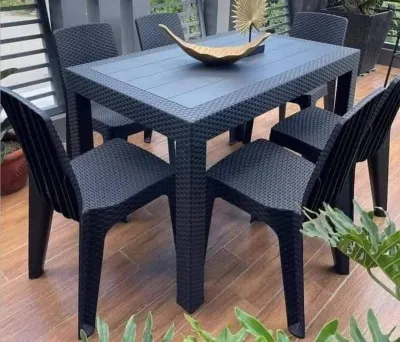


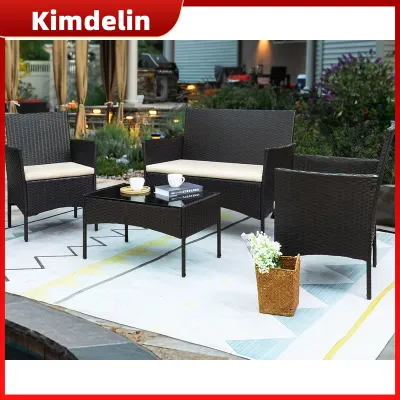
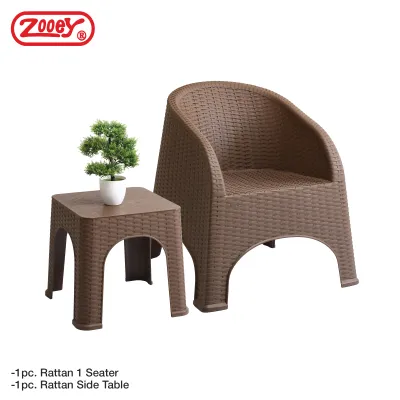
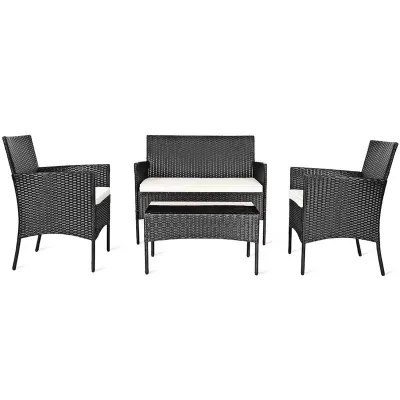
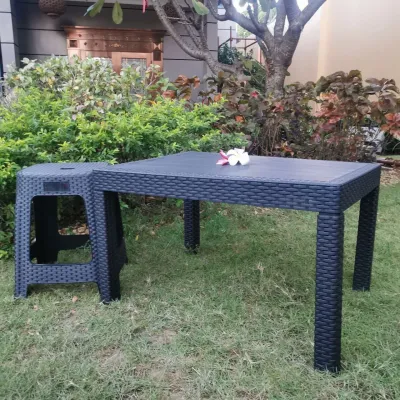
Prices are valid at publication and may change. Please refer to the product page for the latest price.
At the heart of this style is the innovative use of rattan, a versatile climbing palm native to tropical regions. Modern designers strip away excess ornamentation, focusing instead on the material’s inherent flexibility and strength. This results in furniture that feels light, airy, and well-suited for tropical living.
When evaluating a rattan table and chair set, look for three core dimensions: structural integrity, design cohesion, and material authenticity. The set should showcase traditional hand-weaving techniques while maintaining a sleek, uncluttered silhouette. This combination ensures that the furniture serves as a functional centerpiece without overwhelming the visual flow of your living room.
Identifying Authentic Design and Craftsmanship Features
To find a set that embodies modern Filipino design, you must learn to recognize how traditional craftsmanship is integrated into contemporary forms. The silhouette of the furniture is your first point of evaluation. Modern pieces often pair the natural, sweeping curves of bent rattan with low-profile bases or geometric metal frames, creating a striking contrast between organic and industrial elements.

The weaving pattern is another defining feature of authentic local craftsmanship. The classic solihiya weave—a sunburst pattern characterized by its hexagonal gaps—is frequently adapted for modern applications. Instead of covering the entire piece, contemporary designs often use solihiya selectively on chair backs, cabinet doors, or table underlays, allowing light to pass through and maintaining an open, spacious feel.
Color and finish play a crucial role in defining the overall mood of the set. While traditional rattan was often stained in deep amber or dark brown tones, modern variations tend to favor natural, unstained finishes that highlight the raw texture of the vine. Alternatively, matte black, charcoal, or muted earth-toned stains can be applied to give the set a sophisticated, urban edge that complements modern color palettes.
Finally, consider how the rattan frame is paired with cushioning and textiles. Modern sets typically feature clean-lined, high-density foam cushions wrapped in neutral fabrics like linen, cotton, or canvas. Some designers incorporate subtle, locally inspired textile prints or handwoven weaves from various regions in the Philippines, adding a layer of cultural storytelling without cluttering the design.
Evaluating Material Quality and Structural Integrity
Because rattan is a natural material, its durability depends heavily on the quality of the raw stalks and the construction methods used. When inspecting a rattan table and chair set, start by examining the grade and preparation of the material. High-quality rattan should exhibit uniform peel thickness, a smooth surface free of deep cracks or splinters, and tight, consistent weaving with no visible gaps or loose ends.
The structural framework hidden beneath the weaving determines the longevity of the furniture. For load-bearing parts, such as the legs and main support beams of chairs and tables, verify whether the manufacturer has used solid hardwood or reinforced metal cores wrapped in rattan. Purely decorative pieces may rely entirely on hollow rattan poles, but daily-use dining or lounge sets require a robust internal structure to prevent warping over time.
Joinery is another critical indicator of craftsmanship. Inspect the connection points where the rattan poles meet. High-quality construction utilizes secure dowels, screws, or traditional lashing techniques where wet rattan strips are wrapped tightly around joints and contract as they dry to form an incredibly tight bond. Avoid pieces that rely solely on staples or glue, as these connections can quickly loosen under regular use, leading to instability.
Lastly, pay close attention to the surface treatment. In humid tropical climates, unprotected natural fibers are susceptible to moisture absorption and mold. Check the manufacturer’s product labels or care tags to confirm if the set has been treated with a protective clear coat, such as a polyurethane finish or a UV-resistant sealant. This protective layer helps shield the fibers from humidity and minor spills while preserving the natural color of the wood.
Sizing and Space Planning for Your Living Room
Before purchasing a rattan table and chair set, careful spatial planning is essential to ensure the furniture fits comfortably within your home. Begin by measuring the exact footprint of your living room. When planning the layout, remember to account for chair pull-out clearance—typically requiring at least 60 to 90 centimeters of space behind each chair—and ensure there are clear, unobstructed walking pathways throughout the room.
Logistical access is another vital consideration that is easily overlooked. Verify the dimensions of your entryways, hallways, stairwells, and elevator doors to guarantee that the assembled or semi-assembled furniture can be safely delivered into your living room. Because high-quality rattan frames are often fully assembled at the workshop to maintain structural integrity, they cannot always be flat-packed or disassembled for transport.
The visual weight of the furniture also affects how spacious your living room feels. In smaller or moderately sized rooms, opt for open-weave designs, such as solihiya or spaced vertical slats, which allow light and air to pass through. This transparency prevents the furniture from making the room feel cramped, maintaining a bright and breezy atmosphere.
Additionally, check the manufacturer’s stated weight capacity for both the chairs and the table. Ensure these specifications align with your household’s daily needs. A stable, well-balanced table should not tip or shake when pressure is applied to the edges, and the chairs should feel solid and grounded when you sit down.
Sourcing Options and Pre-Purchase Verification
Finding a suitable modern Filipino rattan set involves exploring various sourcing channels, each offering distinct advantages. Direct-from-artisan workshops, often located in traditional weaving hubs, allow you to support local communities directly and sometimes witness the crafting process firsthand. Specialized furniture showrooms in urban centers provide the opportunity to test the comfort and inspect the finish of the pieces in person before buying.
If you prefer the convenience of online shopping, verified online storefronts and local design platforms offer a wide selection of contemporary styles. When sourcing online, it is crucial to request detailed specifications from the seller. Ask for the exact dimensions, the specific origin of the rattan used, and the terms of the manufacturer’s warranty covering structural defects or premature wear.
Customization is another valuable option to inquire about, especially when working with local workshops or boutique design studios. Many makers allow you to customize the cushion fabrics, select specific rattan stains to match your existing decor, or adjust the table heights to suit your seating preferences. This ensures that the final product is tailored precisely to your living space.
Before finalizing your purchase, carefully review the seller’s return and after-sales policies. Ensure there are clear protocols in place regarding potential damage during transit, as well as policies covering early structural failures. A reputable seller should offer transparent terms and responsive customer support to address any issues that may arise after delivery.
Frequently Asked Questions (FAQ)
How do I maintain and clean rattan furniture in a humid climate?
Routine maintenance is key to preserving the beauty and structural integrity of natural rattan in humid environments. Begin by dusting the furniture regularly using a soft-bristled brush or a vacuum cleaner equipped with a brush attachment to gently remove dust and debris from the crevices of the weave. For deeper cleaning, wipe the surfaces with a soft cloth slightly dampened with mild, soapy water, taking care not to saturate the natural fibers. Always allow the furniture to air dry completely in a well-ventilated area to prevent the growth of mold or mildew. Avoid using harsh chemical cleaners, abrasive pads, or excessive amounts of water, as these can strip away the protective clear coat and degrade the natural fibers over time.
Can rattan table and chair sets be used outdoors or on a balcony?
Natural rattan is designed primarily for indoor use and should not be left exposed to the elements. Natural fibers are highly sensitive to moisture, direct sunlight, and extreme temperature fluctuations, which can cause the material to fade, crack, warp, or develop mold. If you wish to place a rattan set on a covered balcony or patio, ensure it is completely shielded from rain and direct sunlight. For fully outdoor spaces, such as open gardens or poolside decks, opt for synthetic rattan made from high-density polyethylene (PE), which is specifically engineered to withstand UV rays and moisture. Always check the manufacturer’s explicit indoor or outdoor rating before placing any rattan furniture in semi-outdoor environments.
Community discussion
Share your experience or ask a question. Comments are reviewed before publication.