
Finding the right room organizer rack for your home study setup is a balancing act between maximizing your available floor space, accommodating your specific storage needs, and ensuring long-term structural safety. In the Philippines, where tropical humidity and warm temperatures can affect both the structural integrity of furniture materials and the condition of stored paper documents, making an informed choice is crucial. The ideal configuration must not only fit your room’s physical dimensions but also support your daily workflow without cluttering your workspace. By evaluating your space, understanding different rack architectures, and verifying key manufacturing specifications, you can create an organized, productive environment that stands up to daily use.
Assessing Your Home Study Space and Storage Needs
To establish a functional study, begin by taking precise measurements of your designated room. Use a reliable tape measure to record the width, depth, and height of the area where you plan to position the room organizer rack. It is essential to account for physical obstacles such as door swings, window frames, light switches, and electrical outlets. Leaving a clearance of at least 60 to 70 centimeters for walkways ensures that you can move freely around the room without bumping into furniture. Additionally, consider the proximity of the rack to your primary study desk to maintain comfortable ergonomics and easy access to your tools.
Next, categorize the items you intend to store by both weight and frequency of use. Heavy reference books, thick binders, and printer equipment require robust support, whereas stationery, light notebooks, and decorative items can sit on lighter shelving. In humid tropical climates, paper materials absorb moisture from the air over time, which significantly increases their overall weight and subjects shelves to continuous stress. Grouping your items beforehand allows you to estimate the total load capacity your new organizer must support, preventing premature sagging or structural failure.
Products mentioned in this guide
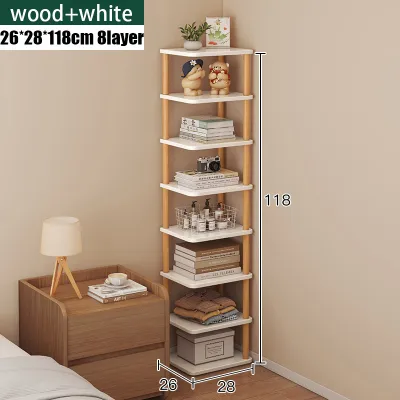
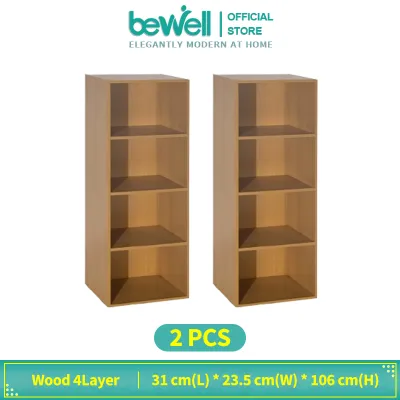
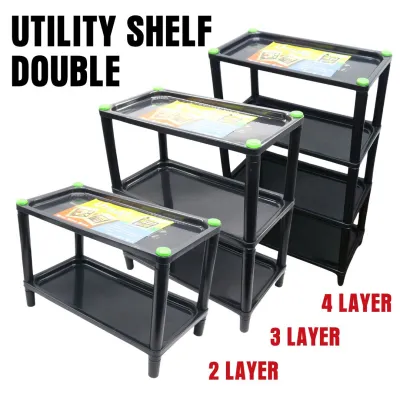
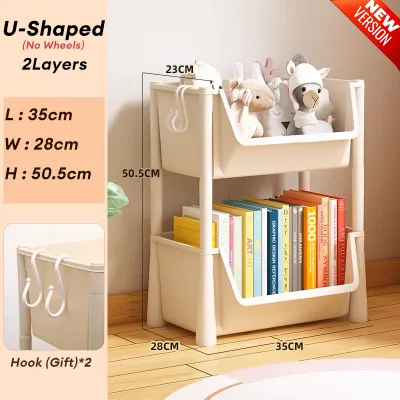
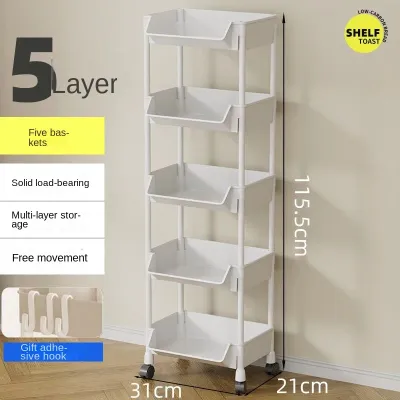
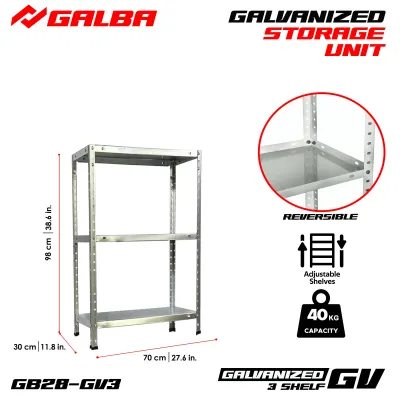
Prices are valid at publication and may change. Please refer to the product page for the latest price.
Matching Rack Styles to Study Configurations
Once you have mapped out your spatial limits and inventory weight, you can match these requirements to a specific rack architecture. The transition from assessing your space to selecting a style requires aligning the physical constraints of your room with your daily workflow. The right configuration should seamlessly integrate into your study, keeping essential tools within arm’s reach while maintaining a clean, professional aesthetic.

Freestanding Bookcases for Heavy Reference Materials
Traditional freestanding bookcases are highly practical for dedicated study rooms with ample floor space and a substantial collection of heavy reference materials. These units offer deep shelves and excellent stability, making them suitable for holding rows of heavy textbooks, legal binders, or even small printers. Because they stand directly on the floor, they distribute weight downward, reducing the risk of wall damage.
However, freestanding units require sufficient floor area and clearance for both assembly and daily movement. Before purchasing, verify the finished dimensions to ensure the unit will fit through your doorways, hallways, or elevator doors during delivery. It is also important to check the base construction; units with adjustable leveling feet are highly beneficial for stabilizing the rack on tiled or slightly uneven concrete floors, which are common in local residential builds.
Wall-Mounted and Floating Shelves for Compact Spaces
For compact study areas, multi-purpose rooms, or tight condo spaces, wall-mounted and floating shelves offer an excellent way to utilize vertical space. By lifting your storage off the floor, these shelves keep your desk surface clear and make the room feel more spacious. They are ideal for holding lighter items, such as active notebooks, pen holders, and small desk accessories that you need to grab quickly throughout the day.
Before installing wall-mounted units, you must verify the structural composition of your walls. In many homes in the Philippines, walls are constructed from concrete or concrete hollow blocks rather than drywall. Mounting shelves on concrete requires appropriate masonry drill bits, heavy-duty wall plugs, and sturdy screws to ensure a secure hold. If your walls are made of gypsum or light partition boards, you must locate the internal studs and anchor the brackets directly into them, as simple plaster anchors cannot support the weight of books and study equipment.
Modular and Cube Organizers for Flexible Supply Storage
Modular and cube organizers provide a highly adaptable solution for dynamic study environments and mixed-media storage. These systems consist of individual square compartments that can accommodate fabric storage bins, plastic drawers, or open displays. This flexibility allows you to hide away messy cables, chargers, and office supplies while keeping reference folders neatly aligned in adjacent cubes.
The primary advantage of modular systems is their ability to scale and reconfigure as your storage needs evolve over time. However, when selecting a modular unit, it is critical to verify the interlocking mechanisms and overall structural rigidity. Ensure that the connectors are made of durable, impact-resistant materials and that the panels fit together tightly without wobbling. When fully loaded with books and electronic accessories, a poorly connected modular rack can lean or warp, compromising both safety and appearance.
Key Features to Verify Before Purchasing
When browsing online marketplaces or visiting local furniture showrooms, always consult the manufacturer’s specifications sheet rather than relying solely on product photos. When comparing options within your budget, whether looking at premium imports or local builds under ₱5,000, always verify the maximum weight limit per shelf and the total weight capacity of the entire unit. These limits must accommodate your heaviest items with a safe margin. Additionally, check if the product includes dedicated anti-tip hardware, which is essential for securing tall or narrow racks to the wall to prevent accidental tipping.
Next, examine the material composition and surface treatments to ensure they can withstand local environmental conditions. For metal organizer racks, look for rust-resistant powder coatings that protect the steel from high humidity and moisture. For wooden or engineered wood racks, check for water-resistant laminates or sealed edges that prevent moisture from penetrating the core material, which can cause swelling, warping, or mold growth. Finally, double-check the assembly requirements, ensuring you have the necessary tools and space to construct the unit safely.
Optimizing Rack Layout for Daily Workflow
Organizing your rack efficiently goes beyond simply placing items where they fit; it requires a strategic layout that enhances your daily workflow and maintains physical safety. Place your most frequently used items—such as daily planners, current reference books, and writing instruments—within your primary ergonomic reach zone, which is roughly between waist and shoulder height. This minimizes repetitive stretching or bending, reducing physical strain during long study sessions.
To maintain structural stability, always distribute weight evenly across each shelf and keep the heaviest items on the lowest levels. Placing heavy textbooks, paper reams, and electronic equipment at the bottom lowers the unit’s center of gravity, significantly reducing the risk of tipping. Use practical accessories like sturdy bookends to keep volumes upright, and place protective silicone or felt mats under delicate electronic devices to prevent them from sliding or scratching the shelf surface.
Frequently Asked Questions (FAQ)
Can a single room organizer rack handle both heavy books and fragile equipment?
Yes, a single rack can accommodate both types of items if you follow proper weight distribution and safety guidelines. Always place heavy books on the bottom shelves to keep the unit stable, and verify that the weight on each shelf does not exceed the manufacturer’s specified limit. For fragile equipment, such as tablets, external hard drives, or cameras, use dedicated storage bins with soft lining or place protective non-slip mats underneath to prevent the items from shifting or getting scratched by adjacent books.
How do I ensure a tall rack is safe in a home study?
To ensure a tall room organizer rack is safe, you must secure it directly to the wall using the manufacturer-provided anti-tip safety kit. For concrete or masonry walls, use high-quality wall plugs and screws designed for concrete to anchor the brackets firmly. If you are mounting to a drywall or partition wall, ensure the screws are anchored directly into the wooden or metal studs behind the wall panel. If you are unsure about your wall’s structural integrity or do not have the proper tools, stop the installation and consult a qualified local professional to complete the mounting safely.
Community discussion
Share your experience or ask a question. Comments are reviewed before publication.