
Moving into a new home in the Philippines often brings the exciting challenge of organizing a fresh space. Whether you are settling into a newly built house or transitioning to a cozy condominium, managing the initial clutter of a lipat bahay move is a top priority. A 6-layer door organizer offers an excellent vertical storage solution to maximize unused space behind pantry, bathroom, or bedroom doors. To select the right one, you must evaluate your door’s physical dimensions, match the organizer’s material to your specific storage needs, and ensure secure installation to protect your new home’s doors and walls.
Unpacking boxes can feel overwhelming, and finding immediate homes for daily essentials—like toiletries, condiments, or cleaning supplies—is a priority. Utilizing vertical space on the back of doors keeps high-use items accessible without cluttering countertops or filling up limited cabinet drawers. By choosing a structured, multi-layer hanging unit, you can transform an otherwise wasted flat surface into a highly functional storage hub.
Assessing Your Door and Space Constraints Before Buying
Before purchasing any organizer from an online marketplace, grab a tape measure to verify your door’s physical limits. The first critical measurement is the door thickness. Standard interior doors in Philippine homes often vary, especially between older solid wooden doors and modern hollow-core or PVC doors. Ensure the over-the-door hooks included with the organizer match this thickness; hooks that are too wide will wobble and slide, while hooks that are too narrow simply won’t slide over the top edge of the door.
Products mentioned in this guide
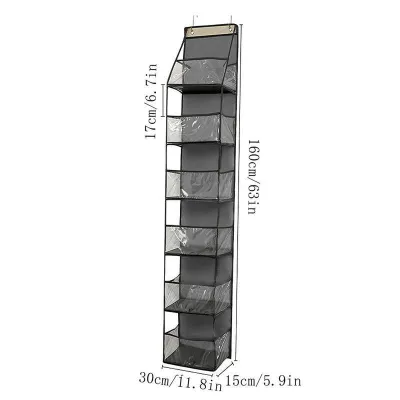
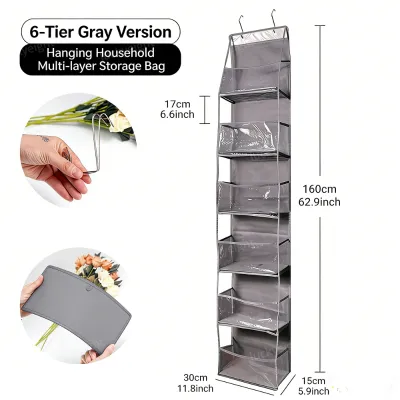
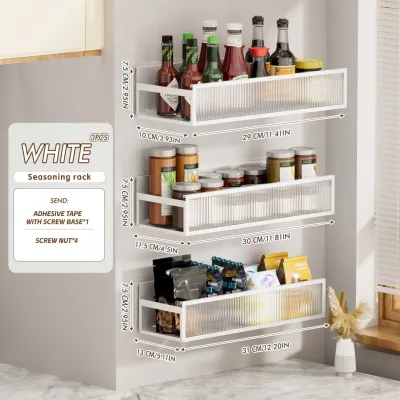
Prices are valid at publication and may change. Please refer to the product page for the latest price.
Next, check the clearance gap at the top of the door frame. Close the door and inspect the space between the top of the door leaf and the frame header. You typically need a gap of at least two to three millimeters for the metal hooks to sit comfortably without scraping the frame or preventing the door from latching shut. If your door fits tightly against its frame, an over-the-door model might cause sticking, and you may need to consider a wall-mounted alternative instead. When measuring the top gap, keep in mind that some door frames have a weatherstripping seal or a painted lip that can reduce the actual clearance. A tight fit can scrape off paint, leading to unsightly marks or even rust on metal frames. If you notice a tight fit, you can test the clearance by sliding a thick piece of cardboard or a folded piece of paper over the top of the door while closing it. If the paper tears or gets stuck, the door frame clearance is too narrow for standard metal hooks.
Do not forget to measure the door width and the surrounding swing clearance. A standard 6-layer organizer must fit within the flat panel of the door, avoiding any decorative molding or door handles. Open the door fully to ensure the depth of the organizer’s baskets will not strike adjacent walls, light switches, or nearby furniture. If the door swings into a narrow hallway or behind a bedroom door that rests flat against a wall, a deep basket organizer might restrict the door from opening completely.
Evaluate the floor gap and baseboard clearance as well. While a 6-layer organizer hangs vertically, the lowest basket should not drag on the floor or catch on high baseboards when the door swings. This is particularly important in tropical homes where floor tiles or transition strips might have slight height variations.
Finally, assess the door material and hinge strength. Solid wood doors can easily support heavy loads, but lightweight hollow-core doors or PVC bathroom doors require caution. Inspect the hinges to ensure they are securely screwed into the frame and not showing signs of sagging. Adding several kilograms of household essentials to a weak door can strain the hinges over time, leading to misalignment and scraping. Hinge inspection is equally vital. Open the door fully and gently lift it by the handle to check for any play or movement in the hinges. If the hinges wiggle or the door sagged before you even added the organizer, tighten the hinge screws first. For hollow-core doors, which are common in modern developments, the internal structure is mostly empty space supported by a thin outer veneer. Hanging excessive weight on a hollow-core door can cause the top edge to compress or warp under the concentrated pressure of the hooks.
Key Features to Evaluate in 6-Layer Organizers
When browsing online marketplaces, pay close attention to the frame construction. Common options include powder-coated carbon steel, stainless steel, and heavy-duty plastics. Metal frames generally offer superior structural rigidity and are less prone to bending under load compared to thin plastic alternatives. However, in humid tropical climates, look specifically for rust-resistant coatings or painted finishes to prevent moisture from degrading the metal over time.

Examine the design of the shelves or baskets. A quality 6-layer organizer should feature adequate shelf depth and high front lips or retaining bars. If you plan to store tall bottles, spices, or cleaning sprays, shallow shelves without protective bars will allow items to topple forward every time the door is opened or closed. Look for baskets with wire mesh or solid plastic bottoms to prevent smaller items from slipping through the gaps. Pay close attention to the wire spacing on metal baskets. If the wire grid has large gaps, smaller items like spice bottles, medicine containers, or cosmetic tubes will tilt and fall through. Look for organizers that feature fine mesh baskets or include removable plastic liners for each shelf. These liners provide a flat, stable surface for small items while still allowing you to enjoy the structural strength of a metal frame.
Adjustability is another crucial feature that enhances long-term utility. Fixed-interval organizers limit what you can store, often leaving you with wasted vertical space or baskets that cannot accommodate taller items. Opt for models that feature adjustable shelf heights, allowing you to customize the spacing between layers. This flexibility lets you place taller spray bottles on the bottom and smaller spice jars or cosmetics near the top.
The quality of the joints and welds is another indicator of durability. When inspecting product photos or physical units, look for smooth, continuous welds rather than small, spot-welded points that can easily snap under tension. For plastic models, check the thickness of the interlocking tabs that connect the baskets to the vertical frame. Thin, brittle plastic tabs can crack during assembly or fail when loaded with heavy items.
Check the hook design and adjustability as well. Some organizers come with adjustable top hooks that can be tightened with screws to match the exact thickness of your door. This eliminates the annoying rattling sound whenever the door moves and keeps the entire unit centered and stable.
Matching Organizer Types to Your Daily Essentials
Your storage needs dictate the ideal style of your 6-layer organizer. If your primary goal is managing kitchen overflow or setting up a pantry in your new home, prioritize wire-grid organizers with high retaining lips. These are excellent for storing canned goods, condiments, spice jars, and dry food packets. The open wire design allows you to see your inventory at a glance, preventing duplicate purchases of ingredients you already have. In the kitchen, a 6-layer organizer can act as an extension of your pantry, especially if your new kitchen lacks built-in shelving. Group your items by frequency of use: place daily cooking oils, salt, and pepper at eye level, while keeping backup spices or less frequently used canned goods on the lower shelves. High retaining bars are particularly useful here to prevent glass jars from clinking against each other and breaking when the pantry door is opened quickly.
For bathroom organization and toiletries, moisture resistance is the top priority. Bathrooms in tropical regions experience high humidity and frequent splashing, which can quickly rust cheap metal organizers. Look for heavy-duty plastic baskets or stainless steel frames with drainage holes in the bottom of each shelf. Smaller shelf spacing is ideal here, as it keeps shampoo bottles, skincare products, and cosmetics upright and organized.
If you are organizing utility closets or laundry areas, focus on heavy-duty frames with reinforced bottom layers. Cleaning supplies, laundry detergents, and spray bottles are heavy and require robust support. Choose an organizer that features deep, tall bottom baskets to securely hold spray nozzles and prevent liquid spills. Ensure the frame is securely anchored so that the weight of these liquids does not cause the unit to sway or pull away from the door. For utility and laundry rooms, the weight of liquid detergents and cleaning sprays can quickly add up. A heavy-duty organizer with reinforced bottom baskets is essential to handle this load. Ensure the bottom basket is tall enough to support the height of standard spray bottles, preventing them from tipping over and leaking. If you store bleach or other harsh chemicals, verify that the organizer’s material is chemical-resistant and easy to wipe clean in case of accidental spills.
For bedroom or entryway storage, fabric or canvas pocket-style organizers might be suitable for lightweight items like slippers, umbrellas, or accessories. However, for daily household essentials, a rigid metal or hard plastic 6-layer unit provides the structural integrity needed to handle diverse, heavier items without sagging or tearing over time.
Installation and Safety Checks for Your New Home
Installing your new organizer correctly is essential to protect your new home’s doors and paintwork, especially if you are renting. Before hanging the hooks over the top of the door, apply foam or rubber padding to the inside surfaces of the hooks. Many manufacturers include adhesive foam strips for this purpose, but if yours does not, you can easily use double-sided foam tape or felt pads. This simple step prevents the metal hooks from scratching the door’s top edge and dampens vibrations when the door is operated.
Proper weight distribution is the golden rule of door organizer safety. Always place your heaviest items—such as large bottles, jars, or heavy cleaning agents—in the bottom two baskets. This lowers the overall center of gravity of the unit, making it much more stable and reducing the strain on the top door hinges. Lighter items, such as sponges, paper towels, or small tubes, should occupy the upper shelves.
To prevent the organizer from swinging outward or banging against the door when opened quickly, you must secure the bottom of the frame. Many units come with suction cups, adhesive strips, or screw-in brackets. For wooden doors in a home you own, small screws offer the most permanent stability. If you are renting or prefer not to drill holes, high-quality adhesive hook-and-loop strips are an excellent alternative. Secure the bottom frame tightly to the door surface to eliminate sway and ensure quiet, safe operation. Before applying any adhesive strips or suction cups to secure the bottom of the organizer, thoroughly clean the door surface. In tropical climates, dust, humidity, and oils can accumulate on doors, preventing adhesives from bonding properly. Wipe the area with a clean cloth dampened with rubbing alcohol, and let it dry completely before pressing the adhesive strips into place. This simple preparation ensures a strong, long-lasting bond that will keep the organizer stable for years.
Regularly inspect the installation over the first few weeks of use. Check if the top hooks have shifted, if the adhesive strips at the bottom remain firmly attached, and if the door still closes smoothly without rubbing against the frame. Tighten any loose screws or adjust the padding as needed to maintain a secure fit.
Frequently Asked Questions (FAQ)
Will an over-the-door organizer damage my new apartment doors?
Over-the-door organizers can potentially scratch paint or dent wood if installed without protection. To prevent this, always use foam or felt padding inside the hanging hooks to cushion the contact points. Ensure the hooks fit snugly; if they are too loose, they will slide back and forth, wearing down the door’s finish. Additionally, avoid overloading the organizer beyond the door’s structural capacity to prevent the door from sagging or warping.
How much weight can a typical 6-layer door organizer hold?
The weight capacity of a 6-layer door organizer varies significantly depending on the frame material, hook design, and the strength of your door. Rather than relying on generic estimates, always check the manufacturer’s specific weight limits printed on the packaging or instruction manual. To ensure safety, distribute the weight evenly with the heaviest items at the bottom, and regularly inspect the door hinges for any signs of strain or misalignment.
Community discussion
Share your experience or ask a question. Comments are reviewed before publication.