
Integrating a coffee table bar into a modern Filipino living room requires a thoughtful balance of space-saving utility and cultural expression. In contemporary homes, where space is often at a premium, a dual-purpose coffee table bar serves as a functional centerpiece that transitions seamlessly from a relaxed daytime surface to an active evening entertainment hub. Achieving this blend successfully means looking beyond generic designs and focusing on how traditional local materials, such as rattan, wicker, and native hardwoods, are engineered alongside modern structural elements like steel, glass, and mechanical lifts. By prioritizing authentic craftsmanship and verified material treatments, you can secure a piece that withstands the tropical climate while elevating your home’s aesthetic.
Understanding Dual-Purpose Coffee Table Bar Functions
A true dual-purpose coffee table bar is defined by its ability to shift roles without compromising the usability of either state. When evaluating these pieces, it is essential to distinguish between purely decorative tables with minor storage cubbies and fully engineered units featuring dedicated bottle racks, glassware slots, or mechanical lift-tops. A decorative piece might offer a rustic look but fail to provide the structural support needed to hold heavy bottles or withstand frequent height adjustments. If your primary goal is hosting small gatherings or enjoying casual weekend drinks, look for designs that incorporate secure, concealed compartments specifically sized for standard bottles and bar accessories.
Your household’s daily routine should dictate the specific mechanics and storage capacity of the table. For those who plan to use the table as a primary dining surface or a temporary workspace, a smooth lift-top mechanism is crucial. This feature allows the tabletop to rise to a comfortable dining or working height, typically transitioning from a standard coffee table height of 40 to 45 centimeters up to a comfortable lap height of 60 to 65 centimeters. If the table is intended solely for occasional entertainment, a slide-out bar cabinet or a rotating top might be more appropriate, keeping the bar elements hidden during quiet weekdays and easily accessible when guests arrive.
Products mentioned in this guide
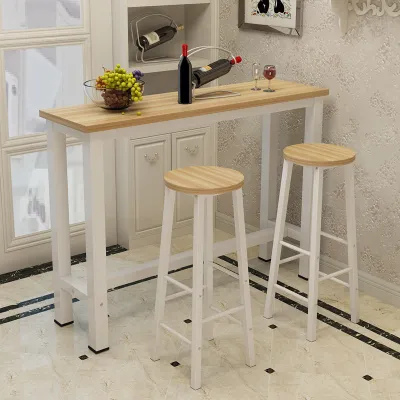
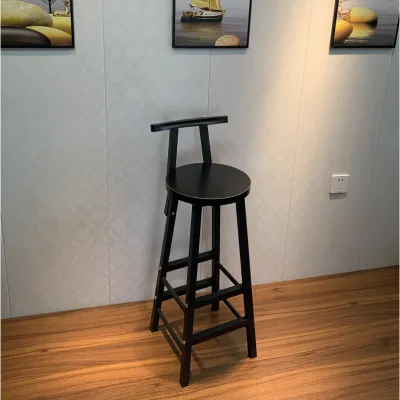
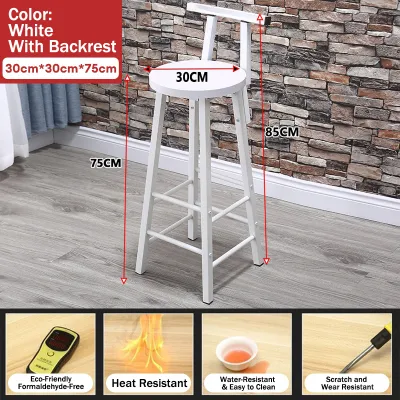

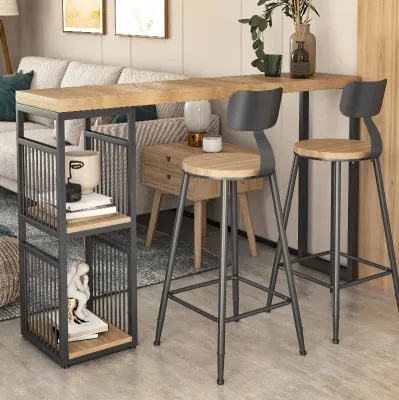
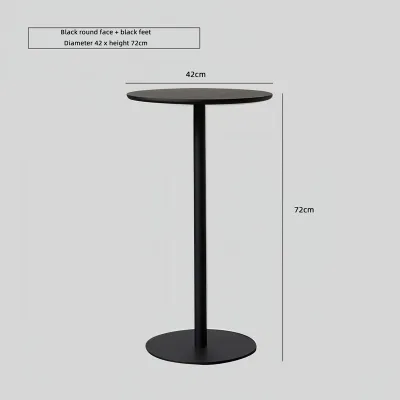
Prices are valid at publication and may change. Please refer to the product page for the latest price.
The transition mechanics themselves require close inspection before purchase. High-quality dual-purpose tables utilize heavy-duty hydraulic lifts, counterbalanced spring systems, or smooth ball-bearing glides that prevent the table from tipping or shaking during operation. When testing these mechanisms, observe whether the movement is fluid and silent, and verify that the locking systems are robust enough to hold the extended surface stable under weight. A flimsy mechanism not only risks spilling drinks but also poses a safety hazard in active households where the table is frequently adjusted.
Evaluating Local Materials in Modern Designs
Modern Filipino design is characterized by clean lines, minimalist silhouettes, and the strategic integration of rich, organic textures. To achieve this look, contemporary furniture designers pair traditional materials with industrial elements, creating a striking contrast that feels both grounded and sophisticated. When assessing a coffee table bar, look for structural treatments where the warmth of local weaving or natural wood grain is framed by sleek powder-coated steel, matte black iron, or tempered glass. This juxtaposition prevents the piece from looking overly rustic or dated, allowing it to complement modern sofas and minimalist interior layouts.

The key to a successful material blend lies in the refinement of the surface finishes. Traditional rustic furniture often features thick, glossy varnishes or rough, uneven surfaces that can feel out of place in a modern setting. Modern interpretations, however, utilize matte or satin protective coatings that preserve the natural tactile quality of the wood or rattan while providing essential protection against spills and wear. Ensure that the transitions between different materials—such as where a woven rattan panel meets a metal frame—are seamless, with no exposed staples, rough edges, or visible glue lines that detract from the overall design.
Rattan and Wicker Integrations
Rattan and wicker are celebrated for their flexibility, lightweight strength, and distinct tropical appeal, but their performance in a modern coffee table bar depends heavily on the quality of the weave and the underlying frame. When inspecting a rattan-accented table, closely examine the tightness of the weave and the consistency of the strands. High-quality craftsmanship is evident in uniform patterns with minimal gaps, neatly tucked ends, and smooth nodes where the rattan stalks meet. The weaving should be tightly wrapped around a sturdy frame, preferably made of kiln-dried solid wood or rust-resistant metal, to prevent sagging or warping over time.
Given the high humidity levels characteristic of the Philippine climate, verifying the moisture-resistance treatments applied to the rattan is non-negotiable. Untreated rattan is highly susceptible to mold, mildew, and insect infestation when exposed to humid air or accidental liquid spills from the bar section. Check the manufacturer’s product specifications or labels to confirm that the rattan has been treated with anti-fungal sealants and finished with a water-resistant polyurethane or acrylic topcoat. These protective layers seal the porous fibers, making the surface easier to clean and ensuring the material retains its structural integrity through changing seasons.
From an aesthetic standpoint, the most successful modern designs use rattan as an accent rather than the primary structural material. For instance, a coffee table bar featuring woven rattan door panels on a sleek, dark-stained solid wood cabinet, supported by minimalist metal legs, offers a perfect balance of texture and clean lines. This approach allows the natural warmth and organic pattern of the rattan to stand out as a design feature without overwhelming the living room or clashing with contemporary electronics and decor.
Solid Wood and Timber Accents
Solid wood provides the necessary weight, stability, and structural foundation for a multifunctional coffee table bar, especially when supporting heavy mechanical components or glassware. When selecting a table featuring local timbers such as tanguile, mahogany, or acacia, it is vital to verify that the wood has undergone proper kiln-drying processes. Kiln-drying reduces the moisture content of the timber to a stable level, preventing the wood from warping, checking, or cracking as it adjusts to the ambient humidity of your home. Look for product labels or manufacturer documentation that explicitly state the use of kiln-dried timber.
The joinery and edge detailing of the wooden components are direct indicators of the table’s overall quality and durability. Examine the corners and joints to ensure they are secured with professional woodworking techniques, such as mortise-and-tenon joints or dowels, rather than simple nails or wood glue. The edges of the tabletop and bar extensions should feature clean chamfering or subtle rounding; this not only enhances the modern aesthetic by softening the silhouette but also prevents chipping and reduces the risk of injury from sharp corners in high-traffic living areas.
Finally, always verify the load-bearing specifications of the wooden surfaces, particularly any cantilevered or extended bar sections. A reliable coffee table bar must be engineered to support the weight of bottles, glassware, and daily items without bowing or tipping. Check that the solid wood tabletop is securely anchored to the underlying frame and that any folding or lifting leaves are supported by heavy-duty brackets or hidden wooden slides that distribute weight evenly across the base of the table.
Planning Space and Functional Dimensions
Before committing to a specific coffee table bar, careful spatial planning is required to ensure the piece fits comfortably within your living room layout. Start by measuring the footprint of your seating area, keeping in mind that a standard coffee table should sit approximately 35 to 45 centimeters away from the sofa to allow for comfortable legroom while keeping drinks within easy reach. If the table features a lift-top or expanding bar sections, you must also calculate the dimensions of the table in its fully extended state, ensuring it does not block walkways or crowd adjacent furniture when open.
Clearance space is equally important when planning for seating around the bar. If your chosen coffee table bar transitions into a higher dining or drinking surface that accommodates stools, reserve at least 60 to 70 centimeters of clearance behind the stools to allow users to pull them out and sit down comfortably. Additionally, map out the pedestrian traffic flow through the room; a multifunctional table should never force family members to squeeze through tight gaps or navigate awkward detours during daily activities.
Do not overlook the logistics of delivering the furniture to its final position. Measure the width and height of all doorways, hallways, stairwells, and elevator cabins that the delivery team must navigate. Many high-quality coffee table bars feature solid, non-detachable frames or heavy mechanical components that cannot be easily disassembled, making pre-delivery measurements critical to avoiding costly return fees or structural damage during installation.
Lastly, evaluate the operational ergonomics of the table’s moving parts within your physical space. If the table utilizes a slide-out drawer or a swing-out cabinet to access the bar storage, ensure there is ample floor space to open these compartments fully without hitting rugs, electrical cords, or nearby armchairs. The lifting or folding mechanisms should be easy to operate from a seated or standing position, requiring minimal physical effort and featuring smooth, controlled dampening to prevent the tabletop from slamming shut.
Sourcing and Verifying Modern Filipino Furniture
Finding a coffee table bar that genuinely blends local materials with modern design requires sourcing from reputable channels that prioritize authentic craftsmanship. Begin your search by visiting the official showrooms of established local furniture brands, independent designer studios, and authorized home retailers. These venues allow you to inspect the physical quality of the furniture firsthand, testing the weight, stability, and mechanical smoothness of the pieces before making a purchase.
When evaluating a potential purchase, inspect the product labels and documentation for detailed material and manufacturing disclosures. Authentic, high-quality furniture should carry labels indicating the specific types of wood and natural fibers used, the country or region of origin, and the manufacturer’s contact information. Be cautious of vague descriptions such as “hardwood solids” or “natural fibers,” which often mask the use of low-grade composite materials or synthetic imitations that lack the durability and character of genuine local materials.
It is also important to distinguish between genuine handcrafted local furniture and mass-produced industrial goods that merely mimic traditional styles. Some low-cost imports use thin plastic wraps printed with wood grain patterns or synthetic plastic wicker wrapped around flimsy hollow metal frames. To verify authenticity, inspect the underside of the table and the interior of the storage compartments; genuine solid wood will show consistent grain patterns on all sides, and authentic rattan will have natural variations in color, texture, and fiber density that synthetic materials cannot replicate.
Maintaining Mixed-Material Furniture
Owning a mixed-material coffee table bar means managing the distinct maintenance needs of wood, rattan, and metal to ensure the piece remains beautiful and functional for years. Always begin by reviewing the manufacturer’s specific care instructions, as different finishes and material combinations require tailored cleaning methods. For daily cleaning, use a soft, dry microfiber cloth to dust all surfaces, preventing abrasive dust particles from scratching the wood finish or settling into the crevices of the rattan weave.
When dealing with the rattan sections, regular vacuuming with a soft brush attachment is highly effective for removing dust and debris from the tight spaces of the weave. Avoid using excessive water or soaking the rattan, as moisture can penetrate the fibers, leading to swelling, warping, or mold growth. If a deeper clean is necessary, use a slightly damp cloth with a mild, pH-neutral soap solution, and immediately dry the area thoroughly with a clean towel or allow it to air dry in a well-ventilated room away from direct heat sources.
For the solid wood components, protect the finish by using coasters, trivets, and felt pads under bottles, glasses, and decorative items to prevent water rings, heat damage, and scratches. Avoid placing the table in direct sunlight, as prolonged exposure to ultraviolet rays can cause the wood to fade, discolor, or dry out unevenly, leading to surface cracks. If you notice signs of structural wear, loose joints, or mechanical stiffness that cannot be resolved with basic cleaning, stop any DIY adjustments and consult a professional furniture restoration expert to avoid causing permanent damage to the piece.
Frequently Asked Questions (FAQ)
Can a rattan coffee table bar withstand high humidity?
Yes, a rattan coffee table bar can withstand high humidity, provided it has been treated with appropriate moisture-resistant sealants and is kept in a controlled indoor environment. High-quality modern rattan furniture is finished with protective polyurethane or acrylic coatings that shield the natural fibers from ambient moisture. To ensure longevity, always check the humidity limits and care guidelines specified on the product label, and maintain good indoor ventilation or use dehumidifiers during the wet season to prevent mold development.
How do I clean spills on a mixed wood and rattan surface?
When spills occur on a mixed wood and rattan surface, the key is to blot the liquid immediately with a clean, dry, absorbent cloth rather than wiping it, which can push the liquid deeper into the wood grain or rattan weave. Avoid using harsh chemical cleaners, bleach, or abrasive scrubbing pads, as these can strip away the protective finishes and damage the natural fibers. For stubborn residues, refer to the manufacturer’s specific cleaning instructions to identify approved, gentle cleaning agents suitable for your table’s unique finishes.
Community discussion
Share your experience or ask a question. Comments are reviewed before publication.