
Creating a comfortable balcony lounge corner turns an underutilized outdoor area into a personal sanctuary for relaxation, casual dining, or remote work. While heavy-duty plastic folding tables offer an exceptionally practical, space-saving foundation for these setups, choosing the right one requires looking past generic marketing terms. To ensure your table withstands the elements and fits your lifestyle, you must verify precise space constraints, structural load capacities, and weather-suitability ratings through official manufacturer specifications.
Assessing Your Balcony Space and Lounge Needs
Before browsing online marketplaces or local furniture stores, grab a tape measure to map out the exact footprint of your balcony. You must account for the swing of your balcony door, the clearance needed to pull out chairs or stools, and a clear walking path of at least 60 centimeters to prevent the space from feeling cramped. Measuring the height of your balcony railing is equally critical; if you want an unobstructed view while seated, a standard-height table might block your sightline, whereas a bar-height folding table paired with tall stools can elevate your perspective.
Define how you intend to use the lounge corner to determine the ideal table shape and dimensions. A narrow, rectangular table works best as a space-saving bar along a railing, while a small square or round table fosters a more intimate, face-to-face dining experience. If you plan to use the area as an outdoor workspace, ensure the tabletop is wide enough to accommodate a laptop, notebook, and a beverage safely away from the edges.
Products mentioned in this guide
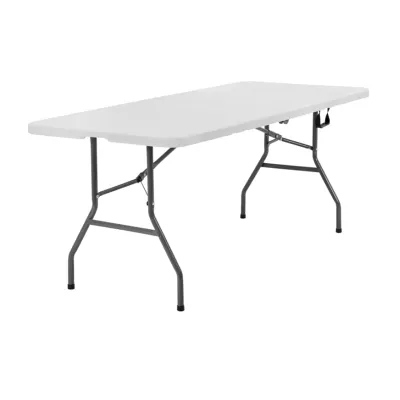

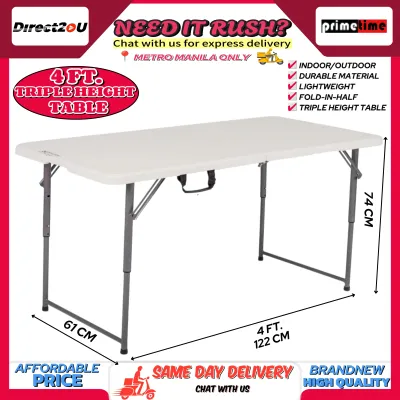
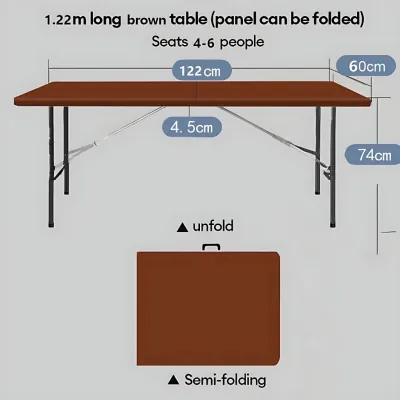
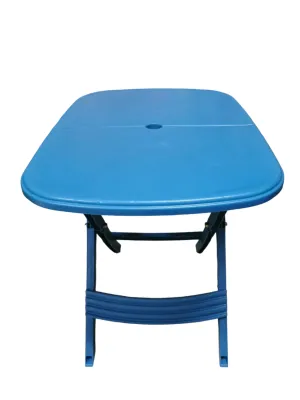
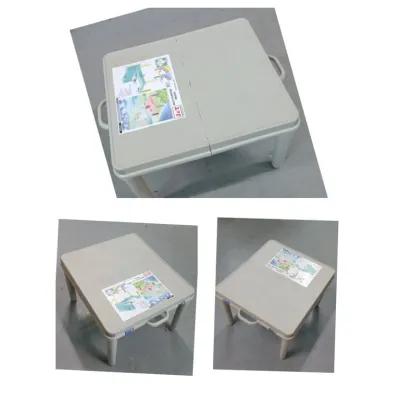
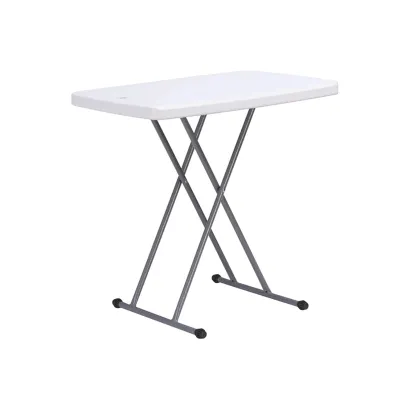
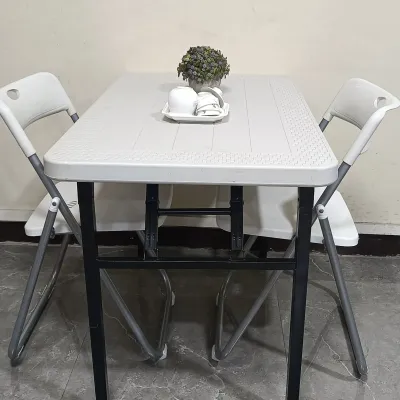
Prices are valid at publication and may change. Please refer to the product page for the latest price.
Additionally, always check your condominium or building association rules regarding balcony furniture. Many residential properties enforce strict guidelines regarding the weight of outdoor installations, aesthetic uniformity, and the placement of loose items that could pose safety hazards during high winds. Understanding these regulations beforehand helps you choose a table that is easy to fold, store, and manage within your building’s legal framework.
Key Features to Check in Heavy-Duty Plastic Tables
The label “heavy-duty” is frequently applied to standard plastic tables, making it essential to inspect the physical construction details to verify actual durability. Begin by examining the frame material, prioritizing powder-coated steel tubing over thin aluminum or untreated metals. The steel frame provides the necessary weight to keep the table grounded, while the powder coating acts as a barrier against moisture and structural wear.

Next, evaluate the leg bracing and locking mechanisms, which are critical for maintaining stability on slightly uneven balcony floors. Look for wishbone leg designs or heavy-duty cross-braces that lock securely into place with slide rings or gravity locks when the table is fully deployed. These mechanisms prevent the legs from buckling under lateral pressure, ensuring the table remains rigid even when guests lean against it.
Do not judge the strength of a plastic tabletop solely by its thickness; instead, inspect the underside construction. High-quality heavy-duty tables feature a dense network of molded plastic ribs or a honeycomb structure on the underside of the tabletop. This structural reinforcement distributes weight evenly across the surface, preventing the plastic from bowing, sagging, or warping over time under the weight of heavy items.
Finally, verify the manufacturer’s stated weight capacity on the product label or specification sheet rather than relying on vague retail descriptions. A genuine heavy-duty folding table should specify a static load capacity that comfortably exceeds your planned usage, including the weight of heavy ceramic planters, dining setups, or multiple laptops. Checking these certified specifications ensures you invest in a stable, long-lasting piece of furniture.
Evaluating Stability and Weather Resistance for Outdoor Use
Balcony furniture is constantly exposed to harsh environmental factors, from intense solar radiation to high humidity and sudden downpours. When selecting a plastic table, verify that the tabletop is made of high-density polyethylene (HDPE) treated with UV inhibitors. Without proper UV protection, standard plastic surfaces will rapidly degrade under direct sunlight, leading to fading, yellowing, and structural brittleness that can cause the table to crack.
The metal joints and hinges are often the most vulnerable parts of a folding table when used outdoors. Ensure all metal hardware features a robust, rust-resistant coating, such as galvanization or outdoor-grade powder paint. In humid or coastal environments, unprotected steel joints will quickly corrode, making the table difficult to fold and compromising its overall structural integrity.
Inspect the foot caps at the bottom of the table legs to ensure they are made of durable, non-slip rubber or thick, non-marking plastic. These caps prevent the table from sliding on wet balcony tiles, dampen scraping noises, and protect your balcony flooring from scratches and rust stains. Worn or missing foot caps can expose raw metal edges that damage both the table frame and your balcony tiles.
It is important to remember that no plastic folding table is entirely immune to extreme weather conditions. To prolong the lifespan of your furniture, plan a practical storage routine or invest in a heavy-duty, waterproof furniture cover. Choosing a table that folds down to a slim profile allows you to slide it easily into an indoor utility closet or behind a sofa when severe tropical storms or typhoons are forecasted.
Arranging and Maintaining Your Balcony Bar Setup
When arranging your balcony lounge, safety and clearance should dictate your layout. Position the folding table a safe distance away from the edge railings to prevent items from accidentally falling over the side and to eliminate any potential climbing hazards. Creating a clear buffer zone between the table and the railing ensures a safer, more relaxed environment for everyone.
To anchor your setup and protect your balcony floor, consider placing an outdoor-rated, slip-resistant rug or mat underneath the table and chairs. This not only defines the lounge area visually but also provides extra traction, preventing the table legs from shifting on smooth tiles. Ensure the rug is made of quick-drying, mold-resistant fibers suitable for outdoor exposure.
Maintaining your heavy-duty plastic table requires minimal effort but must be done correctly to preserve the materials. Clean the tabletop regularly using a soft cloth, mild dish soap, and warm water to remove dust, pollen, and rainwater residue. Avoid using abrasive scrubbing pads, steel wool, or harsh chemical solvents like bleach and acetone, which can scratch the plastic surface and strip away its protective UV coatings.
Periodically inspect the table’s hardware to ensure all joints and screws remain tight and secure. Over time, regular folding and unfolding can loosen screws, affecting the table’s stability. Tighten any loose fasteners immediately, and apply a light spray of silicone-based lubricant to the hinges to keep the folding mechanism operating smoothly and prevent rust formation.
Frequently Asked Questions (FAQ)
Can heavy-duty plastic tables support hot dishes or grills?
While heavy-duty plastic tables are highly durable, they have strict thermal limits that must be respected to prevent damage. Always check the manufacturer’s maximum heat tolerance rating, as high-density polyethylene can soften, warp, or melt when exposed to temperatures above 60 degrees Celsius. Never place hot pots, pans, or serving dishes directly onto the plastic surface; always use thick, heat-resistant trivets or silicone mats to protect the tabletop. Additionally, you should never operate portable grills, hot plates, or open-flame cooking devices directly on or near a plastic folding table, as stray embers or intense radiant heat can cause permanent structural damage and pose a serious fire hazard on your balcony.
How do I prevent a lightweight folding table from blowing over on a high-rise balcony?
High-rise balconies are subject to strong, unpredictable wind gusts that can easily tip over lightweight outdoor furniture. To secure your folding table, start by choosing a model with a wider leg base and a heavier steel frame, which naturally lowers the center of gravity. You can further anchor the setup by placing removable, non-damaging weights, such as heavy decorative planters or sandbags wrapped in weather-resistant fabric, across the lower leg stretchers or base. However, the most reliable safety practice during high-wind warnings, tropical depressions, or typhoons is to fold the table flat and store it securely indoors or inside a heavy, latched balcony storage box.
Community discussion
Share your experience or ask a question. Comments are reviewed before publication.