
Finding the perfect outdoor retreat starts with matching your hammock to the physical boundaries of your space. Whether you are setting up a cozy nook on a breezy high-rise balcony in Metro Manila or hanging a spacious lounger beneath a backyard mango tree, spatial planning is key to safety and comfort. A Shed Culture hammock can transform either environment, but the right choice depends on matching the specific style’s footprint to your structural limits. By measuring your area accurately and understanding how different designs behave under load, you can avoid common installation pitfalls and create a secure, relaxing oasis.
Assessing Your Available Space and Structural Limits
Before selecting a hammock, you must establish the physical boundaries of your installation zone. Start by measuring the total usable floor area, ceiling height, and the distance between potential anchor points. These initial numbers dictate whether you can accommodate a traditional horizontal lay or if you need to pivot toward a vertical hanging chair.
Structural integrity is the next critical factor, especially in tropical climates where humidity can affect building materials over time. On a balcony, inspect the composition of the walls, overhead beams, and railings. Concrete structures offer excellent support but require specialized masonry anchors, while lightweight balcony railings are never safe for load-bearing attachments.
Products mentioned in this guide
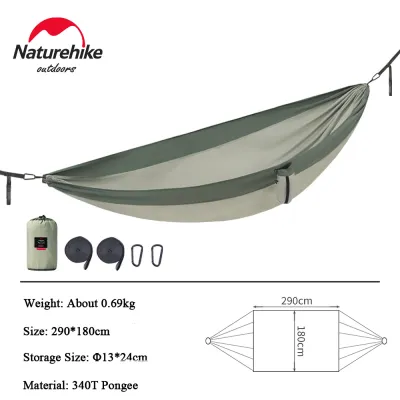
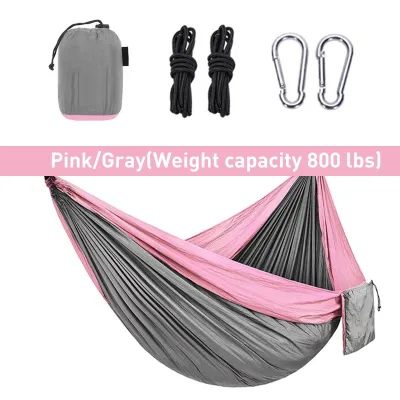

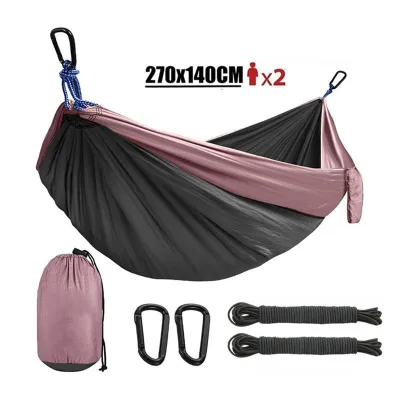
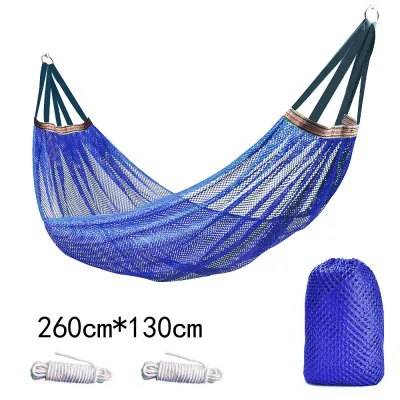
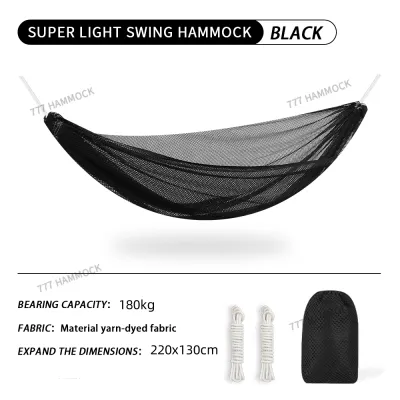
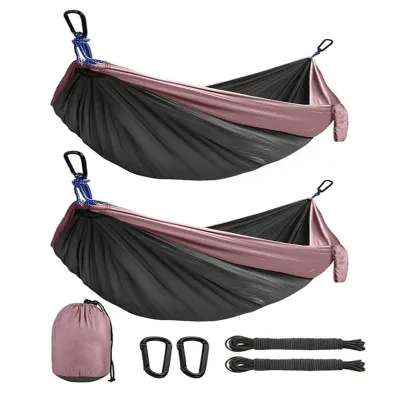
Prices are valid at publication and may change. Please refer to the product page for the latest price.
In a garden setting, look closely at the health and diameter of any trees you plan to use. Mature, deep-rooted trees are ideal, but they must be free of rot or structural cracks that could compromise safety under tension.
If you live in a condominium or rental property, review your building’s guidelines before planning any permanent installations. Many homeowner associations prohibit drilling into exterior walls or ceilings, which immediately shifts your strategy toward freestanding stands. Identifying these constraints early prevents costly mistakes and ensures your setup remains compliant with local property rules.
Matching Shed Culture Hammock Styles to Your Layout
Every hammock design has a unique spatial footprint that dictates how much room it needs to function safely. Shed Culture offers a variety of configurations, ranging from compact vertical hanging chairs to expansive horizontal loungers. Selecting the right model requires comparing the manufacturer’s specified dimensions against the physical limits of your outdoor layout.

When reviewing different styles, pay close attention to the recommended hanging distance and minimum height requirements listed on the product tag. A hammock that is too long for its space will sag excessively, causing you to bottom out, while a space that is too wide will pull the fabric too taut, creating an unstable tilt.
Beyond the static dimensions of the fabric, you must also account for the dynamic movement of the hammock. The swing radius—the clear zone around the hammock as it sways—must remain completely free of obstructions to prevent accidental collisions with walls, railings, or furniture.
Compact Solutions for Small Balconies
For tight urban balconies, vertical hanging chairs and compact gathered-end hammocks are the most practical choices. These designs concentrate their weight downward rather than outward, significantly reducing the horizontal clearance required for installation. A hanging chair typically needs only a single overhead anchor point, making it exceptionally easy to integrate into limited square footage.
If your building administration prohibits drilling into the ceiling or walls, a heavy-duty, compact C-stand is an excellent alternative. These freestanding frames support the chair’s weight entirely within their own base, allowing you to enjoy a gentle sway without making permanent structural modifications. Ensure the stand’s footprint fits comfortably within your balcony floor plan without blocking essential pathways.
Safety on a balcony also means keeping emergency exits and utility access completely clear. Position your hammock so it does not obstruct sliding doors, fire escape routes, or the floor drains that handle heavy monsoon rains. Keeping these areas open ensures your balcony remains both a safe retreat and a functional part of your home.
Expansive Options for Spacious Gardens
A spacious garden opens up opportunities for larger, more luxurious hammock formats, such as wide spreader-bar models or multi-person designs. These styles feature wooden or metal bars at either end to keep the fabric flat and taut, offering a bed-like lounging experience. However, this flat profile requires a much wider horizontal span and higher anchor points to maintain proper ground clearance.
When hanging your hammock between mature garden trees, always prioritize the health of the trees by using wide, weather-resistant tree straps. Avoid using bare ropes, chains, or hardware screwed directly into the trunk, as these can strip away bark and damage the tree’s vascular system. Wide webbing straps distribute the weight evenly across the bark, securing your hammock while preserving your garden’s natural canopy.
If your garden lacks perfectly positioned trees, a freestanding wooden or metal frame provides the ultimate flexibility. A dedicated stand allows you to position your lounging area in the perfect spot, whether that is under a shady pergola or next to a swimming pool. Look for weather-resistant finishes that can withstand intense tropical sun and sudden downpours without rusting or warping.
Essential Measurements and Installation Clearances
Achieving the perfect hang requires a balance of height, distance, and tension. As a general rule of thumb, the hanging distance between your two anchor points should be roughly two feet longer than the total length of the hammock. This extra space allows you to adjust the suspension straps to achieve the ideal 30-degree sag angle, which distributes your weight evenly and prevents the fabric from wrapping too tightly around you.
Ground clearance is another vital measurement that directly impacts your comfort and safety. When the hammock is fully occupied, the lowest point of the fabric should sit between 18 and 24 inches off the ground. This height is low enough for easy entry and exit, yet high enough to prevent your back from touching the floor when you settle into the center.
Before finalizing your installation, verify that all mounting hardware, carabiners, and straps are rated to support your weight. Check the manufacturer’s specifications on the product packaging to ensure every component matches or exceeds the intended load capacity. In humid environments, opt for stainless steel or galvanized hardware to prevent rust from weakening your connection points over time.
Common Space-Matching Mistakes to Avoid
One of the most frequent errors is assuming that all hammocks of a similar style share identical dimensions. Even within the same brand, different fabric materials and end-loop designs can alter the overall length and required hanging distance. Always check the specific product tag or instruction manual for your exact model rather than relying on generic online guides.
Another common oversight is failing to account for the dynamic swing envelope of the hammock. A setup that looks perfectly placed when static can easily bump into a concrete wall or a potted plant once you begin to sway. Leave at least three feet of clear space on either side of the hammock’s centerline to accommodate this natural movement safely.
Finally, never rely on visual estimates when choosing anchor points. A wooden beam or a tree branch might look sturdy, but internal rot or poor construction can lead to sudden failure under load. Always test the structural integrity of your anchors and consult a professional contractor if you are unsure about the load-bearing capacity of your balcony ceiling or garden structures.
Frequently Asked Questions (FAQ)
Can I install a Shed Culture hammock on a standard apartment balcony ceiling?
Installing a hammock directly into an apartment balcony ceiling requires careful structural and administrative verification. You must first determine if the ceiling is made of solid, load-bearing concrete or if it is a decorative soffit that cannot support human weight. Drilling into structural concrete requires specialized hammer drills and heavy-duty expansion anchors, which should only be installed after verifying the location of internal utility lines.
Additionally, you must consult your condominium’s house rules or building administration guidelines. Many multi-family properties strictly prohibit drilling into exterior structural elements or hanging items that alter the building’s facade. If drilling is restricted or if you are renting the unit, a freestanding hammock stand is the safest and most compliant way to enjoy your outdoor space.
How do I measure the correct hanging distance for my specific hammock model?
To find the correct hanging distance, start by checking the manufacturer’s instruction manual or the product tag attached to your specific model. This documentation provides the exact end-to-end measurements and the recommended span required for a safe installation. If you are using suspension straps or chains, factor their length into your total span calculations.
Once your anchor points are set, adjust the tension of the straps until the hammock hangs with a gentle curve, resembling a banana shape. This curve represents the optimal 30-degree sag angle, which provides the most comfortable support. Avoid using generic online calculators, as specialized designs like spreader-bar hammocks require a much flatter, tighter hang than traditional gathered-end models.
Community discussion
Share your experience or ask a question. Comments are reviewed before publication.