
Deciding between a closed shoe cabinet and an open shoe rack for your entryway depends on how you balance the need for ventilation against the desire to hide visual clutter. In a household where removing shoes at the door is a daily rule, the entryway becomes a high-traffic transition zone. A closed cabinet keeps your foyer looking pristine and protects footwear from dust, but it requires active odor and moisture management. An open rack offers immediate access and maximum airflow, which is highly beneficial in a humid tropical climate, though it leaves your shoes fully visible.
Assessing Your Entrance Space and Daily Routine
Before purchasing any storage unit, you must measure the physical boundaries of your entryway. Use a tape measure to determine the available floor footprint, wall height, and the swing clearance of your main door. A cabinet that blocks the door from opening fully or restricts the pathway creates a daily hazard. Be sure to check the depth of the unit, as some closed cabinets require more clearance than slim, open-frame stands. If your entryway is a narrow hallway, a deep cabinet might restrict movement, making it difficult to carry groceries or move larger items into the home.
Additionally, consider the height of the unit and how it interacts with wall-mounted elements. A tall cabinet might block light switches, electrical outlets, or wall-mounted intercoms. If you plan to place the storage unit under a window, measure the distance from the floor to the windowsill to ensure the unit does not block natural light or ventilation. Checking these vertical clearances beforehand prevents installation surprises.
Products mentioned in this guide
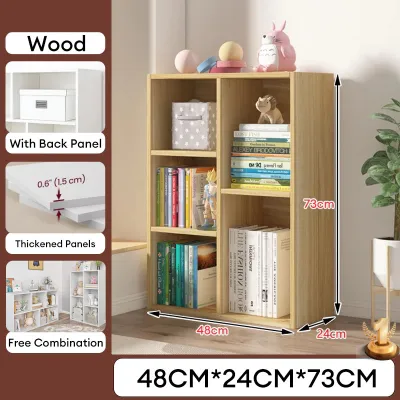
Prices are valid at publication and may change. Please refer to the product page for the latest price.
Next, evaluate the volume and types of shoes your household uses daily. Count the number of slippers, sneakers, and school or work shoes that need a spot right by the door. In many households, the transition from outdoor shoes to indoor slippers happens right at the threshold. This means you need space not only for the shoes you take off but also for the slippers you put on. If you have a large household, a single small stand will quickly overflow, leading to shoes piled on the floor anyway. Consider whether you need to store your entire footwear collection at the entrance or if you can keep seasonal and occasional shoes in a bedroom closet.
Finally, observe the speed and habits of your household’s drop-off routine. If family members tend to kick off their shoes quickly and rush inside, an open rack accommodates this fast-paced habit easily. Children and busy adults often find it more convenient to slide shoes onto an open shelf rather than opening a cabinet door. If your household prefers a highly organized, minimalist look and does not mind taking an extra step to open a door and place shoes inside, a closed cabinet is a viable option. Understanding these daily patterns ensures that your choice of furniture supports your lifestyle rather than creating an extra chore.
The local climate also plays a significant role in how you manage your entryway. During the wet season, shoes frequently get damp or muddy. Placing wet shoes directly into an enclosed space can damage both the footwear and the furniture. You must consider whether you have a designated spot to let wet shoes dry before they are stored away, or if your entryway storage needs to handle damp shoes immediately.
Closed Shoe Cabinets: Pros, Cons, and Best Use Cases
Closed shoe cabinets excel at reducing visual clutter, making them an excellent choice for homes where the front door opens directly into the living room. By hiding shoes behind solid doors, these units instantly elevate the aesthetic of your entryway. Visitors are greeted by a clean, organized space rather than a pile of worn footwear. Many designs also feature a flat top surface that serves as a convenient drop zone for keys, alcohol sanitizers, face masks, and small decorative items, adding functionality to your foyer.

In addition to aesthetics, closed cabinets protect your footwear from dust, household pests, and direct sunlight, which can degrade shoe materials over time. This protection is particularly useful for shoes that are not worn every day, such as formal wear or specialized athletic shoes. Some cabinets also feature adjustable shelves, allowing you to customize the interior height to accommodate taller boots, high heels, or bulky sneakers. This flexibility helps you maximize the internal storage volume.
However, closed cabinets have distinct limitations, particularly in warm, humid environments. Without proper airflow, trapped moisture from sweaty or rain-soaked shoes can lead to mold growth and unpleasant odors inside the cabinet. This can ruin delicate shoe materials like leather or suede and create an unpleasant scent when the cabinet doors are opened. To mitigate odor issues, look for cabinets with built-in ventilation slats, louvers, or open backs, and ensure shoes are completely dry before storing them.
Another consideration is the door mechanism of the cabinet. Hinged doors require sufficient clearance to swing open fully, which can block narrow hallways during use. Sliding doors are an excellent alternative for tight spaces, as they glide horizontally and do not require extra floor depth to open. However, sliding doors usually restrict you to viewing only half of the cabinet’s contents at a time.
Furthermore, pay close attention to the materials and construction of the cabinet. Engineered wood cabinets are popular and stylish, but they can swell or warp if they are constantly exposed to moisture from wet soles. If you choose a wooden cabinet, verify that the interior shelves have a water-resistant finish or use protective plastic liners to shield the wood from dampness. Metal or plastic cabinets offer better moisture resistance but may have a more industrial appearance that does not match every home decor style.
Open Shoe Racks and Stands: Pros, Cons, and Best Use Cases
Open shoe racks and stands are highly practical solutions that prioritize accessibility and airflow. Because they lack doors and solid side panels, these units allow air to circulate freely around your footwear. This constant ventilation helps dry out damp shoes quickly, reducing the risk of mold and mildew buildup after a sudden tropical downpour. For daily-wear shoes that absorb sweat throughout the day, an open rack provides the immediate airing out they need to stay fresh.
The lightweight structure of open racks makes them easy to assemble, move, and clean. They generally have a shallower depth than closed cabinets, making them ideal for narrow hallways, tight entryways, or small condo foyers where every centimeter of floor space counts. They also allow you to see your entire daily shoe rotation at a glance, making it simple to grab a pair and go without searching through dark shelves.
When selecting an open rack, the choice of material affects both durability and maintenance. Bamboo stands offer a warm, natural look and are lightweight, but they must be treated to resist humidity and prevent mold. Metal racks are highly durable and can support heavy footwear, but you should check that they have a rust-resistant coating to withstand wet shoes. Plastic racks are completely waterproof and very easy to clean, though they may lack the structural rigidity of metal or wood.
The primary drawback of an open rack is that it leaves all your shoes on display, which can look untidy if the shoes are dirty, worn, or disorganized. Open storage also exposes your footwear to settling dust, which can accumulate quickly in homes near busy roads. Furthermore, open racks offer no protection if you have curious pets who might chew on shoelaces or indoor pests that might seek shelter inside dark shoe interiors.
To maintain a neat appearance with an open rack, you will need to organize the shoes regularly and clean the rack itself to prevent dirt from accumulating on the shelves. Choosing a rack with mesh or slatted shelves allows dirt and dried mud to fall through to the floor, making it easier to sweep up rather than trapping the grime on the shelves where other shoes sit. However, this also means you must clean the floor underneath the rack more frequently.
Key Comparison Dimensions for Your Household
To make an informed decision, it helps to compare these two storage types across several practical dimensions that affect daily use.
| Comparison Dimension | Closed Shoe Cabinet | Open Shoe Rack / Stand |
|---|---|---|
| Spatial Footprint | Deeper profile; requires door swing clearance | Shallow profile; fits tight or narrow spaces |
| Airflow & Odor | Restricted; requires ventilation slats or dry shoes | Excellent; natural airflow prevents moisture buildup |
| Dust & Pest Protection | High; keeps shoes enclosed and protected | Low; shoes are exposed to dust and pets |
| Visual Neatness | High; hides clutter behind solid doors | Low to Moderate; relies on neat shoe arrangement |
| Maintenance Effort | Low exterior dusting; occasional interior deep clean | Regular dusting of shelves and exposed shoes |
Managing airflow is a critical consideration for recently worn shoes. If you choose a closed cabinet, you must establish a habit of letting damp or sweaty shoes air-dry on the floor for a few hours before placing them inside. This extra step can be difficult to enforce in a busy household. With an open rack, you can place shoes directly onto the shelves immediately after taking them off, though you must be prepared to dust the shelves and the shoes more frequently.
Maintenance routines also differ significantly between the two types. A closed cabinet generally requires only a quick wipe of its exterior surfaces to keep it looking clean. The interior may only need a deep clean once every few months to remove any tracked-in dirt. An open rack, however, accumulates dust on every shelf, requiring you to remove all the shoes periodically to wipe down the frame and shelves.
Durability and stability are also important when comparing these units. Closed cabinets are typically heavier and more stable, making them less likely to tip over when fully loaded. Open racks, especially tall and lightweight plastic or thin metal models, can become top-heavy and unstable if you place heavy shoes on the upper shelves. Always check the manufacturer’s assembly instructions and load capacity guidelines to ensure the unit can safely support your household’s footwear.
Finally, consider the floor material of your entryway. If you have polished tiles or delicate wooden floors, the feet of your shoe storage unit can cause scratches over time. Look for units that include rubber or felt protective pads on the feet, or add them yourself during assembly. This simple check prevents floor damage and helps keep the unit stable on slippery surfaces.
How to Decide: A Practical Choice Framework
To choose the right storage unit, start by assessing your entryway’s physical space and your aesthetic preferences. Choose a closed cabinet if your entryway has sufficient depth, you want to hide shoe clutter from guests, and you are willing to let shoes dry before putting them away. This option works best for spacious foyers where a clean, organized look is the top priority and where the furniture can double as an entryway console table.
Choose an open rack or stand if you have a narrow hallway, prioritize maximum ventilation for damp footwear, and prefer quick, hands-free access. This setup is highly efficient for busy households with high daily foot traffic and limited space, allowing everyone to drop off and pick up their shoes with minimal effort.
Before purchasing any furniture, verify if your building administration or landlord has specific rules regarding corridor or entryway storage. Some condominium buildings or apartment complexes prohibit residents from placing shoe storage units in shared hallways or near fire escape routes due to safety regulations. In such cases, you must select a compact unit that fits entirely inside your apartment’s doorway.
If your entryway is extremely tight and cannot accommodate either option, consider alternative storage strategies. You might place a small, low-profile mat at the door for immediate daily wear and store the rest of your footwear collection in a ventilated cabinet inside a nearby utility room or bedroom closet. Alternatively, a hybrid approach—using a small open rack for wet or daily shoes and a larger closed cabinet elsewhere for long-term storage—can offer the best of both worlds.
Community discussion
Share your experience or ask a question. Comments are reviewed before publication.