
Finding the right shoe rack with hanger for a small bedroom closet in the Philippines requires balancing vertical storage capacity with a highly compact footprint. The ideal unit is one that features a slim depth profile of 30 centimeters or less, adjustable hanging rods to accommodate varying garment lengths, and moisture-resistant surface treatments designed to withstand tropical humidity. By utilizing the vertical clearance of your closet, you can consolidate footwear and hanging garments into a single organized zone, freeing up valuable floor space in your bedroom.
Measuring Your Small Closet for Vertical Clearance
Before choosing a freestanding organizer, you must establish the precise physical boundaries of your closet interior. Begin by measuring the exact internal width, depth, and total vertical height using a metal measuring tape. Do not rely on external wardrobe dimensions, as internal panels, support cleats, and framing can reduce the actual usable area by several centimeters. Write down these three measurements to serve as your hard limits when comparing product specifications.
Next, evaluate how your closet doors operate, as door clearance heavily impacts the practical depth of your storage unit. If your closet features sliding doors, the doors run on tracks that overlap, which often restricts access to one half of the closet at a time and can shave off crucial millimeters of usable depth near the center guide. For hinged doors, measure the clearance required for the doors to swing inward or outward. Keep in mind that heavy hinges, door frames, and magnetic latches can protrude into the opening, meaning a shoe rack with hanger placed too close to the front edge may prevent the doors from closing completely.
Products mentioned in this guide
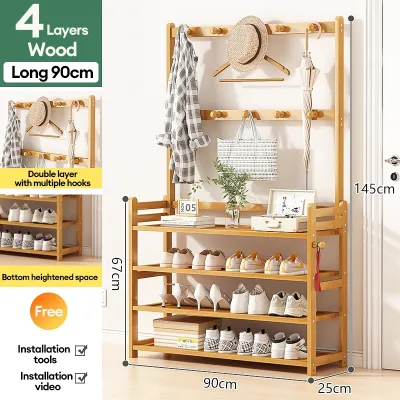
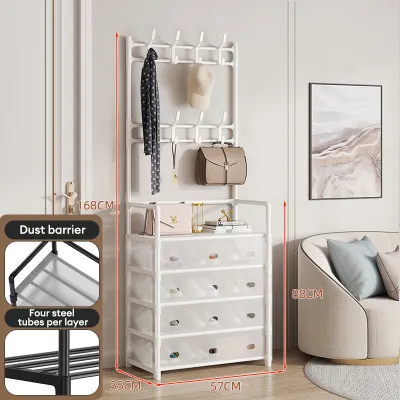
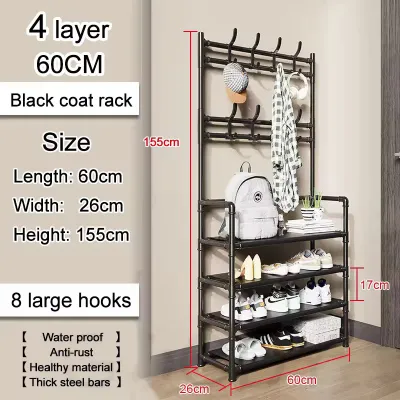
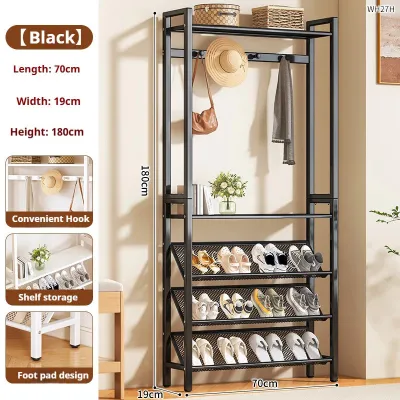
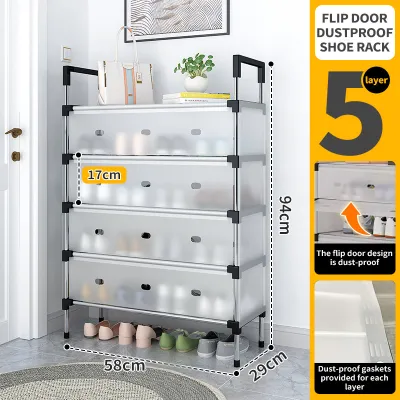
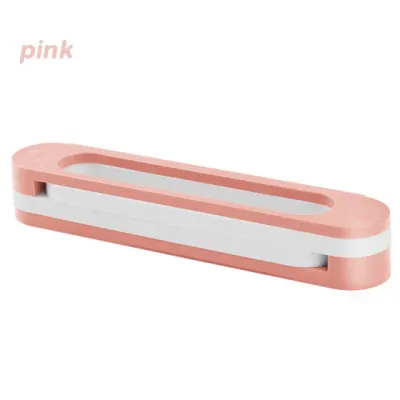
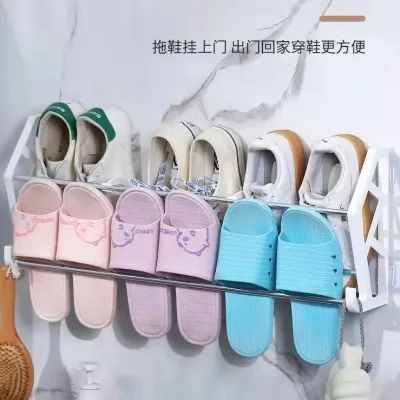
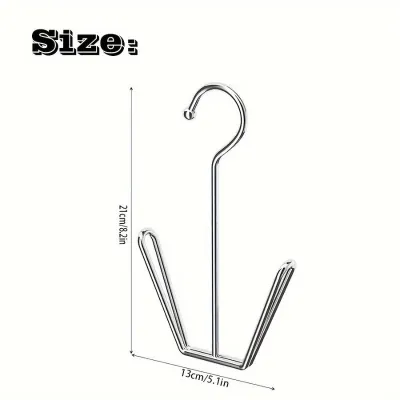
Prices are valid at publication and may change. Please refer to the product page for the latest price.
Finally, inspect the closet interior for hidden structural or utility obstacles that could obstruct a tall freestanding unit. Look upward to check for built-in top shelves, recessed lighting fixtures, or junction boxes that might collide with a tall hanging frame. Examine the corners and back walls for structural pillars, baseboards, or electrical outlets. If your closet has a sloping ceiling or an under-stairs configuration, measure the vertical clearance at both the shallowest and deepest points to ensure the highest point of the hanger frame fits safely without scraping the plaster.
Essential Dimensions and Features for Tight Spaces
Maximizing a compact closet requires a deliberate focus on space-saving design features. Standard freestanding wardrobes are often too bulky for tight bedroom layouts, making specialized, slender combination units the most practical choice.

Slim Profiles and Adjustable Configurations
When space is at a premium, a slim-depth frame is essential to maintain comfortable movement and ensure closet doors shut effortlessly. Look for units with an overall depth of 28 to 35 centimeters. This range is deep enough to store standard adult footwear flat on the shelves without letting the shoes overhang, yet shallow enough to preserve precious floor space. Quality units available in the Philippines typically range from ₱1,500 to ₱5,000 depending on the frame material and adjustability features.
Adjustability is another critical feature for maximizing tight vertical spaces. Select a shoe rack with hanger that features an adjustable hanging rod. This allows you to raise or lower the rod to create the perfect vertical gap between your hanging shirts or trousers and the top tier of your shoe rack. Being able to customize this height prevents your clothes from bunching up on top of your shoes, ensuring your wardrobe remains neat and easy to navigate.
Weight Capacity and Structural Stability
Because vertical organizers are tall and narrow, verifying their load-bearing limits and structural integrity is vital for long-term safety. Always consult the manufacturer’s specifications to locate the maximum weight capacity for both the hanging rod and the individual shoe shelves. A reliable hanging rod should generally support at least 10 to 15 kilograms of garments, while each shoe tier should be rated for at least 5 kilograms to handle heavier footwear like boots or leather shoes.
To prevent a tall, narrow unit from wobbling or tipping over when fully loaded, pay close attention to the base design. Look for models that feature a wide, weighted, or reinforced bottom frame that lowers the unit’s center of gravity.
Additionally, check the product details for structural reinforcements such as rear cross-bracing, double-bolt joints, or anti-sway bars. These mechanical features distribute weight more evenly across the frame, preventing the metal or wood from warping or leaning under the uneven weight of a fully loaded wardrobe.
Evaluating Materials and Finishes for Humid Bedrooms
The tropical climate of the Philippines introduces persistent humidity, which can quickly degrade poorly made furniture. When selecting a shoe rack with hanger, you must carefully evaluate the materials and surface finishes to ensure they can withstand moisture without rusting, warping, or harboring mold.
- Metal frames: Do not assume that all steel tubing is naturally rust-proof. Carefully read the product label to verify that the metal has been treated with a powder-coated, galvanized, or specialized rust-resistant finish. Powder coating provides a thick, baked-on protective barrier that prevents moisture from reaching the underlying steel, which is crucial during the damp rainy season.
- Wood and engineered boards: Inspect the product tags for moisture-resistance ratings. Look for engineered wood labeled as Medium Density Fiberboard (MDF) or High Density Fiberboard (HDF) with fully sealed edges and PVC edge banding. Unsealed or exposed particleboard will absorb airborne moisture, causing the material to swell, sag, and eventually crumble.
- Plastic components: For shelf connectors, joints, or casters, check the manufacturer's manual for load-bearing limits and material durability. Ensure the plastic is high-density polymer (like ABS or polypropylene) that resists cracking under pressure. If your closet is positioned near a window where it receives direct afternoon sunlight, look for UV-stabilized plastic ratings to prevent the connectors from becoming brittle and failing over time.
Common Sizing and Placement Mistakes to Avoid
Even the highest-quality shoe rack with hanger can underperform if it is positioned incorrectly or overloaded. Avoiding a few common placement mistakes will protect your belongings and extend the lifespan of your organizer.
One frequent error is failing to account for the length of your longest garments. If you hang long dresses, maxi skirts, or traditional formal wear on a fixed-height rod, the fabric will drape over the lower shoe tiers. This not only crushes and wrinkles your clothes but also transfers dirt and dust from the soles of your shoes directly onto your clean garments.
Overcrowding is another major issue in small closets. Packing your clothes tightly along the hanging rod and jamming too many shoes onto the shelves restricts natural airflow. In a humid environment, stagnant air traps moisture within the fabric and footwear, creating an ideal breeding ground for mold, mildew, and unpleasant odors.
To maintain healthy air circulation, avoid pushing your freestanding unit completely flush against the back or side walls of the closet. Leaving a small gap of two to three centimeters allows air to flow freely around the organizer. This simple adjustment helps dissipate trapped humidity, protecting expensive leather shoes and delicate fabrics from musty odors and fungal growth.
Safe Assembly and Routine Maintenance Checks
Proper assembly and regular maintenance are key to keeping your vertical organizer safe and functional for years to come. Taking your time during the initial setup prevents structural failures later on.
Begin by ensuring the unit is perfectly level during assembly. If your bedroom floor is slightly uneven, use adjustable leveling feet to balance the frame. An unlevel unit puts uneven stress on the joints, which can cause the frame to warp, make the hanging rod sag, and prevent closet doors from opening or closing smoothly.
Safety is paramount, especially if your household includes young children or active pets who might climb or pull on the rack. Check the product manual for anti-tip kit requirements. Anchoring the top of the tall frame directly to the closet wall using drywall anchors or stud screws provides absolute stability and eliminates the risk of accidental tipping.
Finally, establish a routine maintenance schedule to check the structural integrity of your rack. Every few months, take a few minutes to tighten any loose screws or bolts that may have backed out due to daily use. If your unit is on wheels, inspect the caster locks to ensure they remain secure, and check the condition of the rubber or felt floor protectors to prevent the metal legs from scratching your bedroom flooring.
Frequently Asked Questions (FAQ)
Can a shoe rack with hanger fit inside a standard reach-in closet?
Yes, provided you compare the unit’s exterior footprint against your closet’s interior depth. Standard reach-in closets typically have an interior depth of 55 to 60 centimeters, which easily accommodates a slim combination rack with a depth of 30 to 35 centimeters. Closets with sliding doors are particularly well-suited for these units because they do not require extra front clearance for swinging doors, though you must ensure the rack is positioned so it does not block the sliding path of the doors.
How do I prevent long clothes from touching the shoes below?
To prevent long garments from dragging on your footwear, utilize adjustable hanging rods to raise the hanging section as high as your closet’s vertical clearance allows. You can also organize your wardrobe by placing shorter items like shirts and folded trousers directly above the shoe rack, while reserving the outer edges of the rod for longer pieces. Alternatively, use flat, low-profile shoe organizers or slide-out trays on the very bottom tier to maximize the vertical drop for your clothes.
Community discussion
Share your experience or ask a question. Comments are reviewed before publication.